
Are Maseratis Bad Cars?

Maseratis are not inherently bad cars, but they come with trade-offs. While they offer stunning design, thrilling performance, and Italian luxury, they often face criticism for reliability issues and high maintenance costs. Whether a Maserati is right for you depends on your priorities—style and driving excitement versus long-term dependability and affordability.
Key Takeaways
- Maseratis excel in design and driving experience: With bold styling, powerful engines, and a signature exhaust note, Maseratis deliver an emotional driving experience few rivals can match.
- Reliability concerns are real but improving: Historically, Maseratis have lagged behind German and Japanese brands in reliability, though recent models show progress.
- Maintenance and repair costs are high: Parts and labor for Maseratis are expensive, and finding qualified technicians can be challenging outside major cities.
- Resale value tends to depreciate quickly: Maseratis lose value faster than many competitors, making them costly to own over time.
- Technology and interiors have modernized: Newer models feature updated infotainment systems and higher-quality materials, closing the gap with rivals.
- Owning a Maserati is as much about passion as practicality: These cars appeal to enthusiasts who value emotion and exclusivity over bulletproof reliability.
- Certified pre-owned (CPO) programs can reduce risk: Buying a CPO Maserati with warranty coverage can make ownership more manageable and less stressful.
📑 Table of Contents
Are Maseratis Bad Cars? The Honest Truth
So, you’re thinking about buying a Maserati. Maybe you’ve seen one gliding down the highway, its sleek silhouette catching the sunlight, or heard that unmistakable roar from its twin-turbo V6 or V8 engine. It’s hard not to be drawn in. Maserati has long stood for Italian passion, performance, and prestige. But then you start reading online forums, and the comments get messy. “Expensive to maintain.” “Breaks down all the time.” “Beautiful but unreliable.” Suddenly, that dream car starts to look like a financial trap.
This brings us to the million-dollar question: Are Maseratis bad cars?
The short answer? Not necessarily. But they’re not for everyone.
Maseratis are not “bad” in the sense that they’re unsafe or poorly built. In fact, many owners describe driving a Maserati as a visceral, almost addictive experience. The steering is sharp, the acceleration is brutal, and the sound—oh, the sound—is pure automotive theater. But like any high-performance luxury car, they come with compromises. Reliability concerns, steep maintenance costs, and rapid depreciation have earned Maserati a reputation that’s hard to shake.
In this article, we’ll dig deep into what it really means to own a Maserati. We’ll look at their strengths, their weaknesses, and whether they’re worth the investment in 2024 and beyond. Whether you’re eyeing a Ghibli, a Quattroporte, or the newer MC20, this guide will help you decide if a Maserati fits your lifestyle—and your budget.
The Maserati Legacy: Style, Speed, and Italian Flair
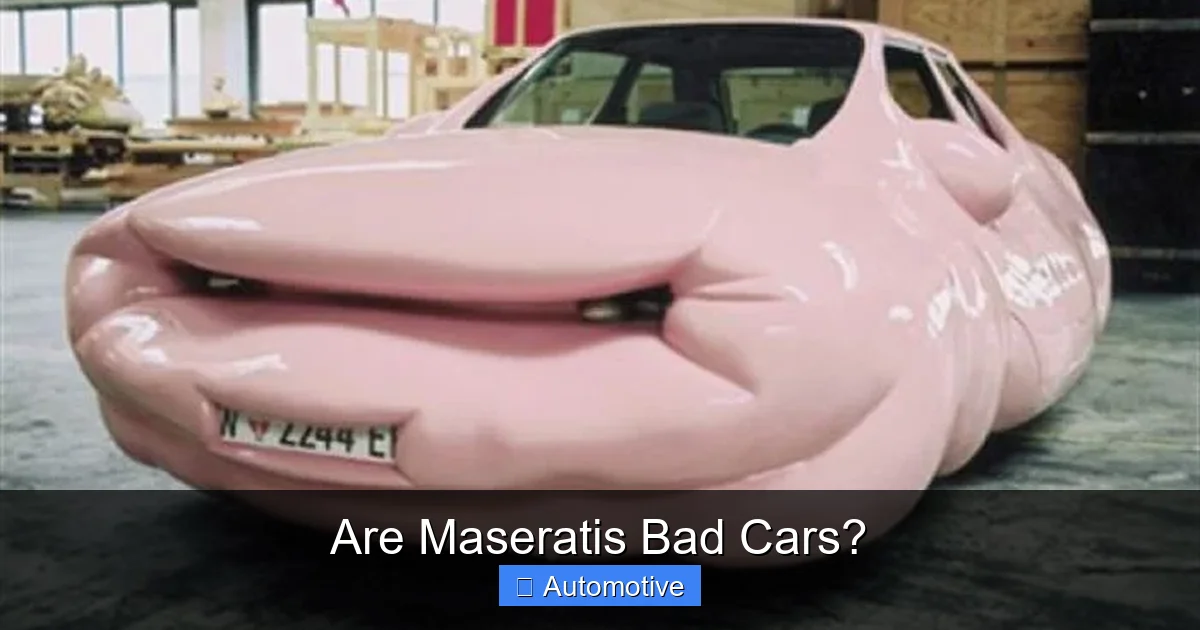
Visual guide about Are Maseratis Bad Cars?
Image source: piximus.net
Maserati was founded in 1914 in Bologna, Italy, and has long been synonymous with racing heritage and automotive elegance. The trident logo, inspired by the statue of Neptune in Bologna, symbolizes power and prestige. Over the decades, Maserati has produced iconic models like the 3500 GT, the Bora, and the legendary MC12—cars that blended beauty with brute force.
Today, Maserati continues that tradition. Models like the Ghibli sedan, the Levante SUV, and the Quattroporte flagship offer a blend of luxury and performance that’s hard to ignore. The design language is unmistakably Italian: low-slung profiles, aggressive grilles, and sculpted bodywork that turns heads wherever they go.
But it’s not just about looks. Maserati engines are built for excitement. Many models come equipped with Ferrari-derived powerplants—yes, Ferrari!—delivering 400 to over 600 horsepower depending on the trim. The MC20, Maserati’s mid-engine supercar, features a twin-turbo V6 called the “Nettuno” that produces 621 hp and rockets from 0 to 60 mph in under 3 seconds.
Driving a Maserati isn’t just about getting from point A to point B. It’s about feeling alive. The throttle response is immediate, the exhaust note is intoxicating, and the handling is tuned for engagement, not comfort. For many owners, that emotional connection is worth more than any reliability rating.
The Emotional Appeal of Italian Engineering
There’s something undeniably romantic about Italian cars. They’re not designed to be perfect—they’re designed to be felt. Maseratis, in particular, embrace imperfection as part of their charm. The slight lag in the infotainment system? The occasional warning light? To some, these quirks are part of the character.
This emotional appeal is a big reason why people buy Maseratis despite the known drawbacks. It’s not just a car—it’s a statement. It says, “I value passion over practicality.” And for those who can afford it, that’s a powerful feeling.
Reliability: The Achilles’ Heel of Maserati?
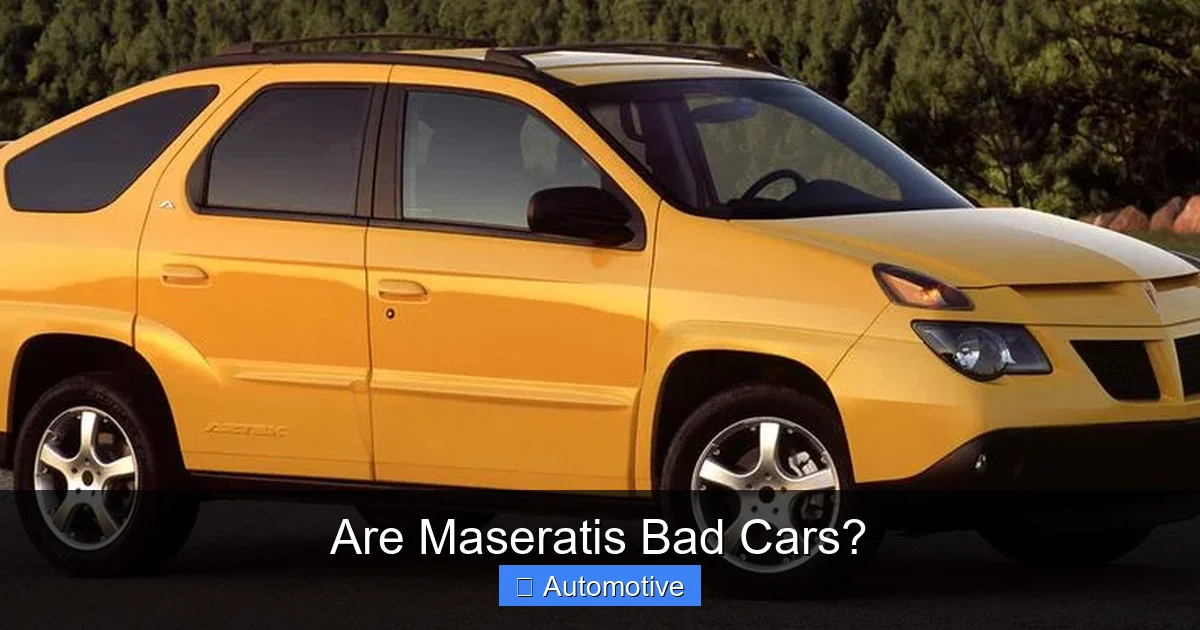
Visual guide about Are Maseratis Bad Cars?
Image source: cdn.thecoolist.com
Now, let’s talk about the elephant in the room: reliability.
For years, Maserati has ranked near the bottom in reliability surveys. J.D. Power, Consumer Reports, and other industry watchdogs have consistently flagged Maserati models for higher-than-average repair rates and owner dissatisfaction. Common issues include electrical gremlins, transmission problems, suspension wear, and software glitches.
For example, the 2014–2016 Maserati Ghibli was notorious for its unreliable infotainment system, which often froze or rebooted unexpectedly. The Levante SUV, while stylish and powerful, has faced criticism for its air suspension system, which can fail prematurely and cost thousands to repair.
But here’s the nuance: reliability isn’t black and white. While older models struggled, newer Maseratis have shown improvement. The 2020 and later Ghibli, for instance, received updated electronics and better build quality. The MC20, built on a new platform, has been praised for its engineering and fewer reported issues.
Why Are Maseratis Less Reliable?
Several factors contribute to Maserati’s reliability challenges:
- Complex electronics: Modern Maseratis are packed with sensors, software, and infotainment systems. When these systems fail, they can be difficult and expensive to diagnose and repair.
- Low production volume: Maserati sells far fewer cars than brands like BMW or Mercedes. This means less data for quality control and fewer specialized mechanics.
- Italian engineering philosophy: Italian cars often prioritize performance and aesthetics over long-term durability. Components may be tuned for maximum output, not longevity.
- Shared platforms with other brands: Some Maseratis, like the Ghibli, share platforms with Chrysler and Jeep models. While this reduces costs, it can lead to compromises in fit and finish.
That said, it’s unfair to label all Maseratis as unreliable. Many owners report trouble-free experiences, especially with proper maintenance. The key is knowing what you’re getting into—and being prepared.
Cost of Ownership: Beauty Comes at a Price
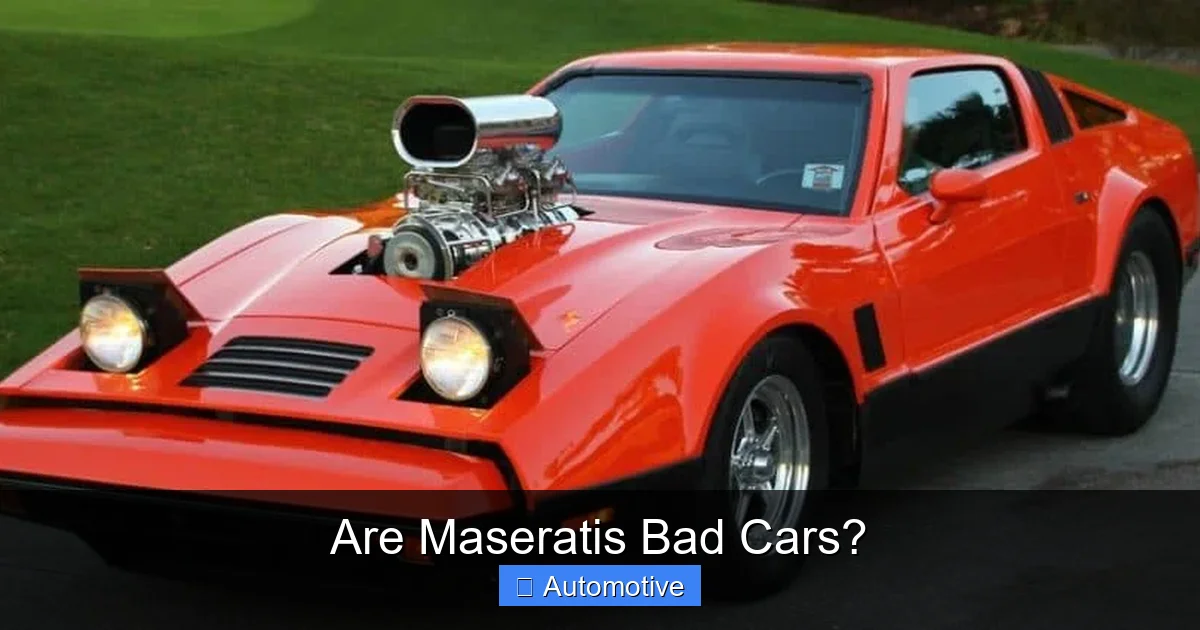
Visual guide about Are Maseratis Bad Cars?
Image source: cdn.thecoolist.com
Let’s be honest: Maseratis are expensive to own. And we’re not just talking about the sticker price.
The average new Maserati Ghibli starts around $75,000, while the Quattroporte can exceed $140,000. The MC20 supercar? Over $220,000. But the real costs come after you drive off the lot.
Maintenance and Repairs
Routine maintenance on a Maserati isn’t cheap. An oil change can cost $300–$500, compared to $50–$100 for a mainstream brand. Brake jobs, tire replacements, and fluid changes all come at a premium. Why? Because parts are specialized, labor rates are high, and not every mechanic is trained to work on Italian exotics.
And when something breaks? Be prepared to pay. A failed air suspension compressor in a Levante can cost $3,000–$5,000 to replace. A transmission issue in a Ghibli? Easily $8,000 or more. Even minor electrical problems can require dealership visits and days of downtime.
Insurance and Depreciation
Insurance premiums for Maseratis are typically higher than average due to their performance capabilities and repair costs. Comprehensive coverage can easily run $3,000–$5,000 per year, depending on your location and driving history.
Then there’s depreciation. Maseratis lose value faster than most luxury cars. A new Ghibli might lose 30–40% of its value in the first three years. That means a $75,000 car could be worth just $45,000 after three years—before you’ve even paid it off.
Fuel Economy
Performance comes at a cost—literally. Most Maseratis get poor fuel economy. The Ghibli, for example, averages around 18 mpg combined. The Levante SUV? Around 16 mpg. If you drive a lot, fuel costs can add up quickly.
Technology and Interior Quality: Catching Up
One area where Maserati has made significant strides is in technology and interior design.
Older models were often criticized for their outdated infotainment systems, cheap plastics, and lack of modern features. But recent updates have changed that.
The 2021 and later Ghibli and Quattroporte feature a new 10.1-inch touchscreen with Maserati’s latest MIA (Maserati Intelligent Assistant) system. It supports Apple CarPlay, Android Auto, and over-the-air updates. The interface is more responsive, and the graphics are sharper.
Interior materials have also improved. Higher trim levels now feature genuine leather, real wood trim, and aluminum accents. The seats are more supportive, and the cabin is quieter thanks to better sound insulation.
The MC20 takes it a step further. Its cockpit is driver-focused, with a digital instrument cluster, a central touchscreen, and premium materials throughout. It feels like a true supercar, not a rebadged sedan.
Safety Features
Modern Maseratis come with a suite of advanced driver-assistance systems (ADAS), including adaptive cruise control, lane-keeping assist, blind-spot monitoring, and automatic emergency braking. While not as comprehensive as offerings from Mercedes or Volvo, these features add a layer of safety and convenience.
That said, Maseratis don’t always score top marks in crash tests. The IIHS (Insurance Institute for Highway Safety) has given some models “Marginal” or “Acceptable” ratings in certain categories. This is partly due to their performance-oriented design, which can limit crumple zones and airbag placement.
Who Should Buy a Maserati?
So, who is a Maserati right for?
Maseratis are best suited for:
- Enthusiasts who value driving emotion: If you love the sound of a roaring engine and the feel of precise steering, a Maserati delivers.
- Buyers with a generous budget: You’ll need to afford not just the purchase price, but also maintenance, insurance, and potential repairs.
- Those who appreciate Italian design: If you want a car that stands out and makes a statement, Maserati delivers in spades.
- People who don’t need daily reliability: If you have a second car for commuting, a Maserati can be a weekend or special-occasion vehicle.
On the other hand, a Maserati may not be the best choice if:
- You need a dependable daily driver.
- You’re on a tight budget or concerned about long-term costs.
- You prioritize fuel efficiency or low emissions.
- You want the latest in autonomous driving tech.
Certified Pre-Owned: A Smarter Way In?
If you’re drawn to Maserati but wary of the risks, consider a certified pre-owned (CPO) model. Maserati’s CPO program includes a comprehensive inspection, extended warranty (up to 7 years/100,000 miles), and roadside assistance. This can significantly reduce the financial risk of ownership.
Many CPO Maseratis are 2–4 years old, have low mileage, and come with service records. You get most of the luxury and performance at a lower price—and with more peace of mind.
The Verdict: Are Maseratis Bad Cars?
So, are Maseratis bad cars?
The answer depends on how you define “bad.”
If “bad” means unsafe, poorly built, or fundamentally flawed, then no—Maseratis are not bad cars. They are well-engineered, powerful, and beautifully designed. They offer a driving experience that’s hard to replicate.
But if “bad” means unreliable, expensive to maintain, and prone to depreciation, then yes—Maseratis have real drawbacks that can make ownership challenging.
The truth is, Maseratis are not for everyone. They’re for people who are willing to accept trade-offs in exchange for emotion, style, and performance. They’re for those who see a car not just as transportation, but as an expression of passion.
If you’re that person—and you can afford the costs—a Maserati might just be the perfect car for you.
But if you’re looking for a hassle-free, cost-effective luxury vehicle, you might be better off with a BMW, Mercedes, or even a Genesis.
Final Thoughts
Owning a Maserati is like dating a fiery, unpredictable artist. It’s thrilling, passionate, and unforgettable. But it’s not always easy. There will be moments of frustration, unexpected bills, and days when the car is in the shop instead of on the road.
But for those who fall in love with the experience, those downsides fade into the background. The roar of the engine, the grip in the corners, the admiring glances—these are the things that matter.
So, are Maseratis bad cars? Not if you know what you’re getting into. They’re not perfect. But for the right person, they’re perfect enough.
Frequently Asked Questions
Are Maseratis reliable?
Maseratis have historically had lower reliability ratings compared to German and Japanese luxury brands, but newer models have shown improvement. Common issues include electrical problems and suspension wear, though proper maintenance can help mitigate risks.
How much does it cost to maintain a Maserati?
Maintenance costs are significantly higher than average. Routine services like oil changes can cost $300–$500, and major repairs (e.g., transmission or air suspension) can exceed $5,000. Budget for premium parts and specialized labor.
Do Maseratis hold their value?
No, Maseratis depreciate quickly. They can lose 30–40% of their value in the first three years, making them costly to own long-term unless purchased certified pre-owned.
Is a Maserati a good daily driver?
It depends. While newer models are more comfortable and refined, their high maintenance costs and reliability concerns make them less ideal for daily use unless you have a backup vehicle and a generous budget.
What’s the best Maserati to buy?
The Maserati MC20 is widely regarded as the best modern Maserati due to its new platform, impressive performance, and improved reliability. For sedans, the newer Ghibli (2020+) offers a good balance of luxury and driving dynamics.
Can I trust a used Maserati?
A used Maserati can be a great buy if it’s certified pre-owned (CPO) with a warranty and full service history. Avoid high-mileage or poorly maintained examples, as repair costs can quickly outweigh the savings.
