
Are Maseratis Reliable?

Maserati vehicles offer stunning design and thrilling performance, but reliability has been a mixed bag over the years. While newer models show improvement, potential buyers should weigh maintenance costs, common issues, and ownership experiences before deciding.
Key Takeaways
- Historical Reliability Concerns: Older Maserati models, especially from the early 2000s, faced frequent mechanical and electrical issues, earning a reputation for being less dependable than German rivals.
- Improvements in Recent Years: Since Fiat Chrysler’s (now Stellantis) involvement, newer Maseratis like the Ghibli and Levante have shown better build quality and reliability.
- High Maintenance Costs: Even with improvements, Maseratis require premium parts and specialized service, leading to higher-than-average repair and upkeep expenses.
- Electrical and Software Glitches: Many owners report issues with infotainment systems, sensors, and dashboard warnings—common in luxury performance cars with complex electronics.
- Importance of Regular Maintenance: Following the manufacturer’s service schedule and using certified technicians can significantly extend the life and reliability of a Maserati.
- Resale Value and Ownership Experience: While depreciation is steep, passionate owners often overlook reliability flaws for the brand’s emotional appeal and driving excitement.
- Warranty and Extended Coverage: Consider extended warranties or certified pre-owned programs to mitigate potential repair costs and gain peace of mind.
📑 Table of Contents
- Are Maseratis Reliable? A Deep Dive into Performance, Problems, and Ownership
- A Brief History of Maserati Reliability
- Common Reliability Issues in Maserati Vehicles
- Maintenance and Ownership Costs
- Real Owner Experiences: The Good, the Bad, and the Ugly
- Tips for Buying and Owning a Reliable Maserati
- The Future of Maserati Reliability
- Conclusion: Should You Buy a Maserati?
Are Maseratis Reliable? A Deep Dive into Performance, Problems, and Ownership
When you think of Maserati, images of sleek Italian design, roaring engines, and a trident emblem come to mind. It’s a brand synonymous with passion, performance, and prestige. But behind the glamour lies a long-standing question: Are Maseratis reliable?
For decades, Maserati has walked a fine line between exotic allure and mechanical unpredictability. While their cars deliver an unforgettable driving experience, they’ve also been known to test owners’ patience—and wallets. From electrical gremlins to transmission troubles, Maserati reliability has been a hot topic among car enthusiasts, mechanics, and potential buyers alike.
But times are changing. With new ownership under Stellantis (the parent company of brands like Jeep, Dodge, and Peugeot), Maserati has undergone a transformation. Modern models like the Ghibli, Levante, and MC20 feature updated platforms, shared components with more reliable brands, and improved manufacturing processes. So, is the old reputation still accurate? Or has Maserati finally turned the corner on reliability?
In this article, we’ll explore the truth about Maserati reliability—past, present, and future. We’ll examine common problems, maintenance realities, owner experiences, and what you should know before buying one. Whether you’re dreaming of a used Quattroporte or eyeing a new GranTurismo, this guide will help you make an informed decision.
A Brief History of Maserati Reliability
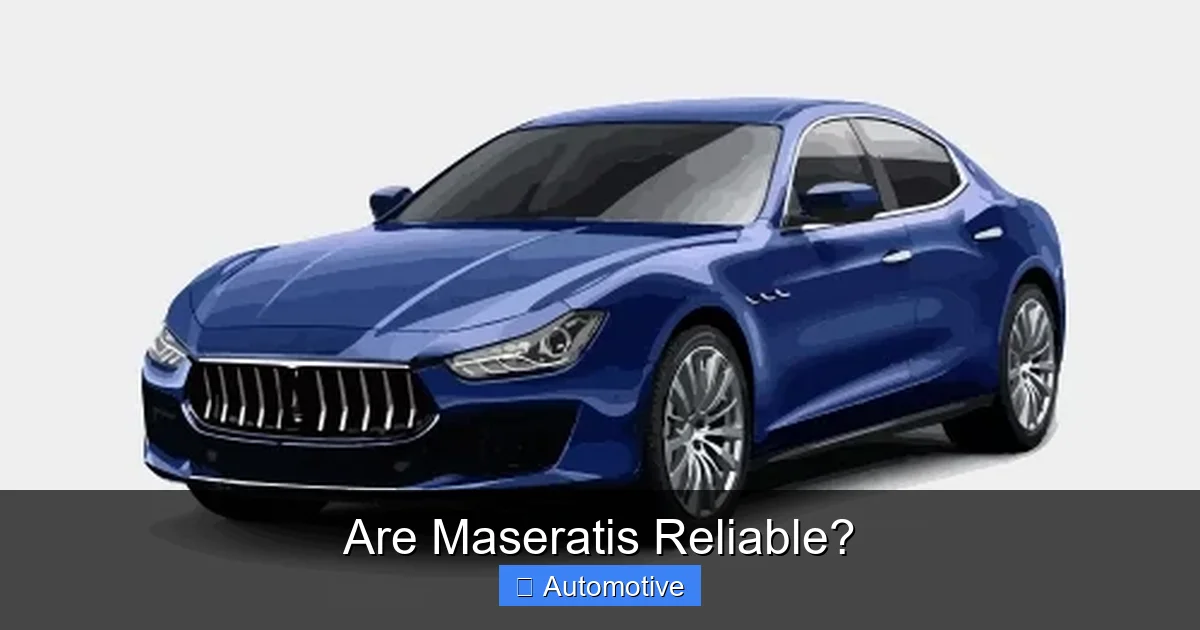
Visual guide about Are Maseratis Reliable?
Image source: lemonlaw123.com
To understand where Maserati stands today, it helps to look back at where it’s been. Founded in 1914 in Bologna, Italy, Maserati has always been a boutique automaker focused on performance and racing heritage. But for much of the late 20th and early 21st centuries, the brand struggled with consistency in build quality and long-term dependability.
The Early 2000s: A Troubled Era
The early 2000s were particularly rough for Maserati reliability. Models like the 2003–2007 Quattroporte and the 2004–2006 GranSport were plagued by a host of issues. Owners frequently reported problems with the complex Skyhook suspension system, faulty wiring harnesses, and premature wear on interior components. The electronics were especially problematic—dashboard warning lights would flicker for no reason, and the infotainment system often froze or crashed.
One of the most notorious issues was the “Maserati Death Wobble,” a violent shaking of the steering wheel at high speeds, often linked to suspension and alignment problems. While not universal, it was common enough to become a meme among car forums.
The Ferrari Era: A Mixed Blessing
In the late 1990s and early 2000s, Maserati was owned by Ferrari, which brought some engineering credibility. The 2002–2007 Quattroporte, for example, used a Ferrari-derived V8 engine and a sophisticated automated manual transmission. But this transmission—the Cambiocorsa—was notoriously finicky. It was slow to respond, prone to jerky shifts, and expensive to repair. Many owners ended up converting to a traditional automatic or even selling the car altogether.
Despite the performance gains, the reliability issues persisted. Ferrari’s influence improved the powertrains, but the overall fit and finish, electrical systems, and long-term durability still lagged behind German competitors like BMW and Mercedes-Benz.
The Fiat Chrysler Turnaround
In 2005, Maserati came under the control of Fiat Chrysler Automobiles (FCA), now part of Stellantis. This marked a turning point. FCA invested in modernizing production facilities, standardizing components across brands, and improving quality control. The introduction of the Ghibli in 2013 and the Levante SUV in 2016 signaled a new era.
These newer models shared platforms and parts with Alfa Romeo, Jeep, and even Dodge. For example, the Ghibli is built on the same platform as the Alfa Romeo Giulia, and the Levante shares underpinnings with the Jeep Grand Cherokee. This cross-brand synergy helped reduce costs and improve reliability through proven engineering.
Common Reliability Issues in Maserati Vehicles
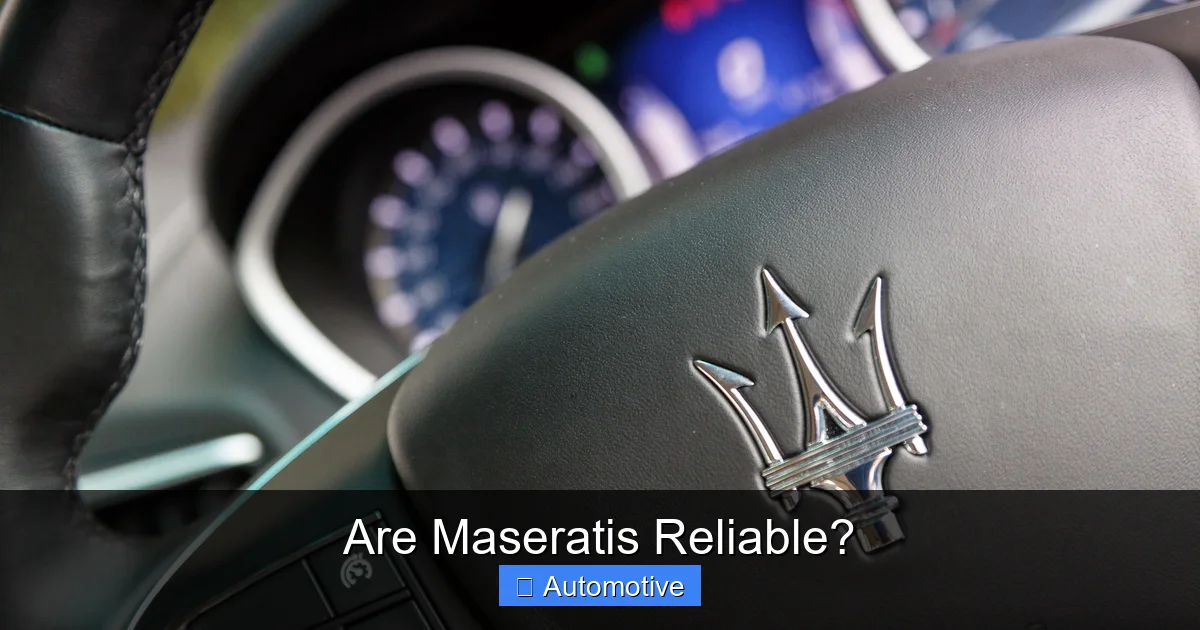
Visual guide about Are Maseratis Reliable?
Image source: motorverso.com
Even with improvements, Maseratis aren’t immune to problems. Let’s break down the most common issues reported by owners and mechanics.
Electrical and Software Glitches
One of the biggest complaints about Maseratis—especially pre-2015 models—is electrical malfunctions. These can range from minor annoyances to serious safety concerns.
For example, the infotainment system in older Quattroporte and GranTurismo models often freezes, reboots randomly, or fails to recognize Bluetooth devices. Some owners report that the system resets every time the car is turned off, losing saved settings and navigation data.
Dashboard warning lights are another common issue. The “Check Engine” light, “ABS,” or “Airbag” warnings may illuminate without a clear cause. In some cases, a simple software update fixes the problem. In others, it requires replacing expensive control modules.
Modern Maseratis use complex software to manage everything from engine performance to adaptive cruise control. While this enhances the driving experience, it also increases the risk of bugs and glitches. Over-the-air updates are becoming more common, but not all models support them yet.
Suspension and Steering Problems
Maseratis are performance-oriented vehicles, often equipped with adaptive suspension systems like Skyhook. While these systems provide a smooth ride and sharp handling, they’re also prone to failure.
Common suspension issues include:
– Air suspension leaks (especially in the Levante)
– Faulty dampers that cause a rough or bouncy ride
– Steering wheel vibration or “death wobble” at high speeds
The death wobble, as mentioned earlier, is often caused by worn suspension components, improper alignment, or unbalanced tires. It’s not unique to Maserati—Jeeps and other SUVs experience it too—but it’s more noticeable in a high-performance vehicle where stability is expected.
Transmission and Drivetrain Concerns
Transmission problems have haunted Maserati for years. The Cambiocorsa automated manual transmission used in early 2000s models was a weak point. It was slow, clunky, and expensive to repair. Many owners opted for aftermarket conversions to traditional automatics.
Newer models use ZF 8-speed automatic transmissions, which are widely regarded as some of the best in the industry. These are shared with BMW, Jaguar, and Audi, and have proven to be reliable when properly maintained.
However, even the ZF transmission can develop issues if neglected. Low fluid levels, delayed shifts, or harsh engagement may indicate a problem. Regular fluid changes every 60,000 miles are recommended, though Maserati often extends this interval—something many experts advise against.
Engine and Cooling System Issues
Maserati engines are powerful and thrilling, but they demand care. The Ferrari-derived V8s and newer twin-turbo V6s are robust, but they’re not bulletproof.
Common engine-related problems include:
– Oil leaks from valve covers or gaskets
– Timing chain tensioner failures (especially in early Ghibli models)
– Overheating due to faulty water pumps or coolant leaks
The twin-turbo V6 in the Ghibli and Levante has had some reports of turbocharger failure, often due to oil starvation or carbon buildup. Regular oil changes with high-quality synthetic oil are essential.
Interior Quality and Wear
While Maserati interiors are luxurious, with fine leather, wood trim, and metal accents, they’re not always built to last. Owners have reported:
– Cracking or peeling leather on seats and dashboards
– Fading wood trim
– Loose or squeaky interior panels
– Faulty climate control buttons
These issues are more about long-term durability than safety, but they can significantly affect resale value and owner satisfaction.
Maintenance and Ownership Costs
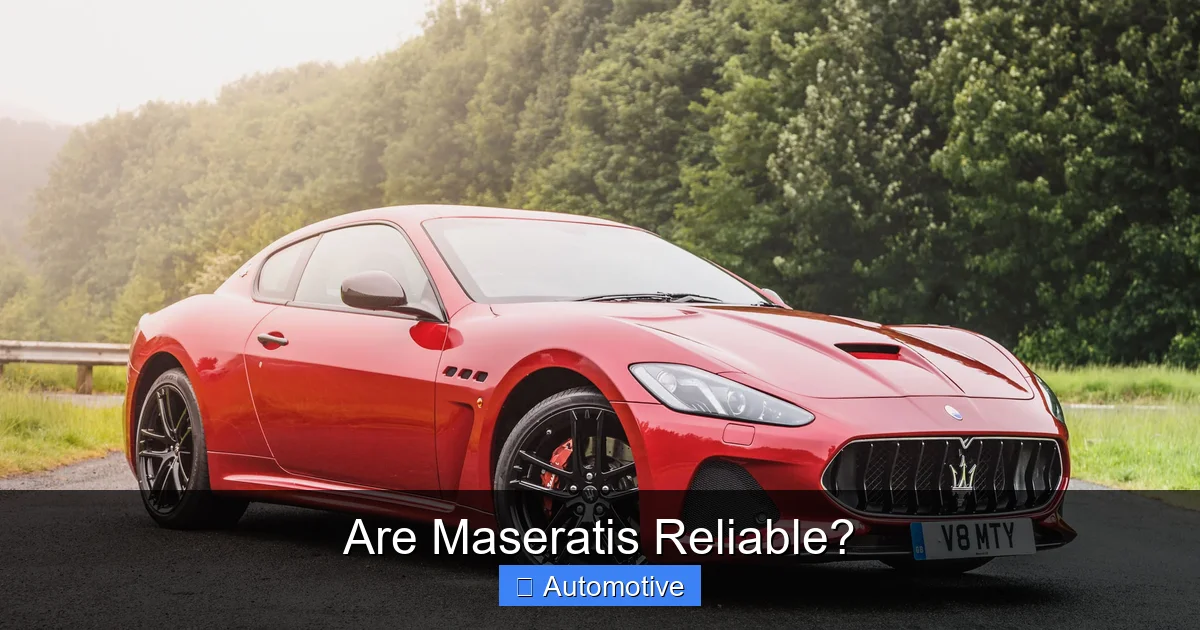
Visual guide about Are Maseratis Reliable?
Image source: motorverso.com
One of the biggest factors affecting Maserati reliability is how well the car is maintained. These are not cars you can neglect and expect to run smoothly.
Service Intervals and Costs
Maserati recommends service every 12,000 miles or 12 months, whichever comes first. However, many mechanics and owners recommend more frequent oil changes—every 7,500 miles—especially in turbocharged models.
A basic oil change at a Maserati dealership can cost $200–$300, significantly more than at an independent shop. Major services, including brake fluid, coolant, and transmission fluid changes, can run $800–$1,500.
Parts and Labor Expenses
Maserati parts are expensive. A new alternator can cost over $1,000, and a set of brake pads may run $400–$600. Labor rates at dealerships are high, often $150–$200 per hour.
Independent shops with Maserati experience can save you money, but not all are equipped to handle the brand’s complex electronics and diagnostics. Always ask if the shop has a factory-level scan tool and trained technicians.
Extended Warranties and CPO Programs
Given the potential for high repair costs, many owners opt for extended warranties or certified pre-owned (CPO) programs. Maserati’s CPO program includes a 2-year/unlimited-mile warranty and a 7-year/100,000-mile powertrain warranty (from original in-service date).
Third-party extended warranties are also available, but read the fine print. Some exclude electronics, wear items, or software-related issues.
Real Owner Experiences: The Good, the Bad, and the Ugly
To get a true sense of Maserati reliability, it helps to hear from real owners.
Positive Experiences
Many Maserati owners swear by their cars. They love the sound of the engine, the feel of the steering, and the attention the car attracts. One Ghibli owner from California said, “I’ve had mine for five years, 60,000 miles. Only routine maintenance. It’s been flawless.”
Another Levante owner in Texas praised the ride quality and tech features: “It’s smooth, quiet, and handles like a sports car. I’ve had no major issues.”
These positive experiences are more common with newer models and well-maintained vehicles.
Negative Experiences
On the flip side, some owners have had nightmare experiences. A 2014 Quattroporte owner in New York reported multiple electrical failures, including a dead battery caused by a parasitic drain from the infotainment system. “I’ve spent over $8,000 in repairs in three years,” he said.
A 2016 Ghibli owner in Florida experienced turbo failure at 45,000 miles. The repair cost $6,500 and took three weeks due to parts delays.
These stories highlight the importance of buying from a reputable source and getting a pre-purchase inspection.
The Emotional Factor
Despite the problems, many Maserati owners remain loyal. The brand’s emotional appeal—the roar of the engine, the Italian styling, the exclusivity—often outweighs reliability concerns. As one owner put it, “It’s not a Toyota. It’s a Maserati. You buy it for the experience, not the reliability.”
Tips for Buying and Owning a Reliable Maserati
If you’re set on owning a Maserati, here are some practical tips to maximize reliability and minimize headaches.
Buy Certified Pre-Owned (CPO)
A CPO Maserati comes with a warranty, thorough inspection, and peace of mind. It’s often the safest way to buy a used Maserati.
Get a Pre-Purchase Inspection
Always have a qualified mechanic—preferably one familiar with Maseratis—inspect the car before buying. They can check for hidden issues like water damage, frame damage, or electrical faults.
Stick to the Maintenance Schedule
Don’t skip services. Use high-quality oil, fluids, and parts. Keep records—they’ll help with resale and warranty claims.
Use a Trusted Service Center
Whether it’s a dealership or an independent shop, make sure they have the right tools and experience. Avoid generic mechanics who may not understand Maserati’s systems.
Consider an Extended Warranty
If you’re buying a used Maserati, an extended warranty can save you thousands in unexpected repairs.
Drive It Regularly
Maseratis are meant to be driven. Letting them sit for long periods can cause battery drain, flat spots on tires, and fuel system issues.
The Future of Maserati Reliability
Maserati is undergoing a major transformation. The brand has announced plans to go fully electric by 2030, with hybrid and electric versions of the Ghibli, Levante, and new models like the Grecale SUV.
The MC20 supercar, launched in 2020, features a new in-house developed twin-turbo V6 engine and a carbon fiber chassis. Early reviews praise its reliability and performance, suggesting that Maserati is finally building cars that can compete with the best.
With Stellantis’ resources and a focus on electrification, the future looks brighter for Maserati reliability. But for now, the brand still carries the weight of its past.
Conclusion: Should You Buy a Maserati?
So, are Maseratis reliable? The answer isn’t a simple yes or no.
If you’re looking for a car that’s as dependable as a Honda or Toyota, a Maserati is probably not for you. But if you’re willing to accept some risk for an extraordinary driving experience, a Maserati could be a rewarding choice.
Newer models are more reliable than ever, but they still require careful maintenance and a budget for unexpected repairs. Buy smart—choose a CPO vehicle, get it inspected, and follow the service schedule.
At the end of the day, a Maserati isn’t just a car. It’s a statement. It’s passion on wheels. And for many owners, that’s worth a few extra trips to the mechanic.
Frequently Asked Questions
Are Maseratis reliable long-term?
Maserati reliability has improved in recent years, but long-term dependability still lags behind German luxury brands. With proper maintenance, newer models can last 100,000+ miles, but older models may require frequent repairs.
What are the most common problems with Maseratis?
Common issues include electrical glitches, suspension problems, transmission faults, and interior wear. Infotainment system failures and dashboard warning lights are frequently reported by owners.
Is it expensive to maintain a Maserati?
Yes, maintenance and repair costs are significantly higher than average. Oil changes, brake jobs, and parts replacements can cost 30–50% more than comparable luxury brands.
Should I buy a used Maserati?
A used Maserati can be a great value if it’s well-maintained and comes with a warranty. Always get a pre-purchase inspection and consider a certified pre-owned model.
Do Maseratis have good resale value?
No, Maseratis depreciate quickly—often losing 50% of their value in the first three years. This is due to reliability concerns and high ownership costs.
Are newer Maseratis more reliable than older ones?
Yes, models from 2015 onward, especially the Ghibli and Levante, show marked improvements in build quality and reliability thanks to Stellantis’ engineering and shared platforms.
