
What Is 5 Percent Limo Tint?

What Is 5 Percent Limo Tint? is an essential topic that provides valuable insights and practical knowledge for anyone interested in learning more about this subject.
Key Takeaways
- 5% limo tint allows only 5% of visible light through, offering maximum privacy.
- It significantly reduces glare and UV exposure for a more comfortable ride.
- Check local laws before installation, as 5% tint may be illegal in some areas.
- Professional installation is recommended to avoid bubbles, peeling, or legal issues.
- It enhances vehicle aesthetics with a sleek, dark appearance similar to luxury limousines.
- Heat rejection improves with high-quality 5% tint, keeping interiors cooler.
📑 Table of Contents
- What Is 5 Percent Limo Tint?
- How Window Tint Works: The Science Behind the Shade
- Benefits of 5 Percent Limo Tint: More Than Just Looks
- Legal Considerations: Is 5 Percent Limo Tint Legal Where You Live?
- Installation Process: What to Expect When Getting 5 Percent Tint
- Cost and Value: Is 5 Percent Limo Tint Worth the Investment?
- Common Myths and Misconceptions About 5 Percent Tint
- Final Thoughts: Is 5 Percent Limo Tint Right for You?
What Is 5 Percent Limo Tint?
Picture this: It’s a scorching summer afternoon, and you’re cruising down the highway with the sun beating down like it’s trying to melt your car’s paint. You glance over at the sleek black sedan in the next lane—its windows so dark you can’t even see the driver. That mysterious, almost cinematic look? That’s likely thanks to 5 percent limo tint.
You’ve probably seen it before—on luxury vehicles, celebrity rides, or even your neighbor’s tricked-out SUV. But what exactly is 5 percent limo tint, and why do so many car owners swear by it? At its core, “5 percent” refers to the amount of visible light that passes through the tinted window. In other words, only 5% of natural light gets through, while 95% is blocked. This creates an ultra-dark appearance from the outside, giving your vehicle that signature “limousine” vibe. But it’s not just about looks. There’s real functionality behind that deep shade—protection, privacy, and even energy efficiency.
Now, before you rush out to get your windows tinted as dark as possible, it’s important to understand the nuances. Not all 5 percent tints are created equal, and legality varies widely depending on where you live. Some states allow it on rear windows only, while others ban it entirely. Plus, there are different types of tint films—dyed, metalized, carbon, ceramic—that affect performance, durability, and price. So whether you’re considering this upgrade for style, sun protection, or security, knowing the ins and outs of 5 percent limo tint will help you make a smart, informed decision.
How Window Tint Works: The Science Behind the Shade
To truly appreciate what 5 percent limo tint offers, it helps to understand how window tinting works in the first place. At its simplest, window tint is a thin laminate film applied to the interior surface of your car’s glass. But don’t let its thinness fool you—this layer does a lot of heavy lifting when it comes to managing light, heat, and UV rays.
Visual guide about What Is 5 Percent Limo Tint?
Image source: carglassadvisor.com
Visible Light Transmission (VLT) Explained
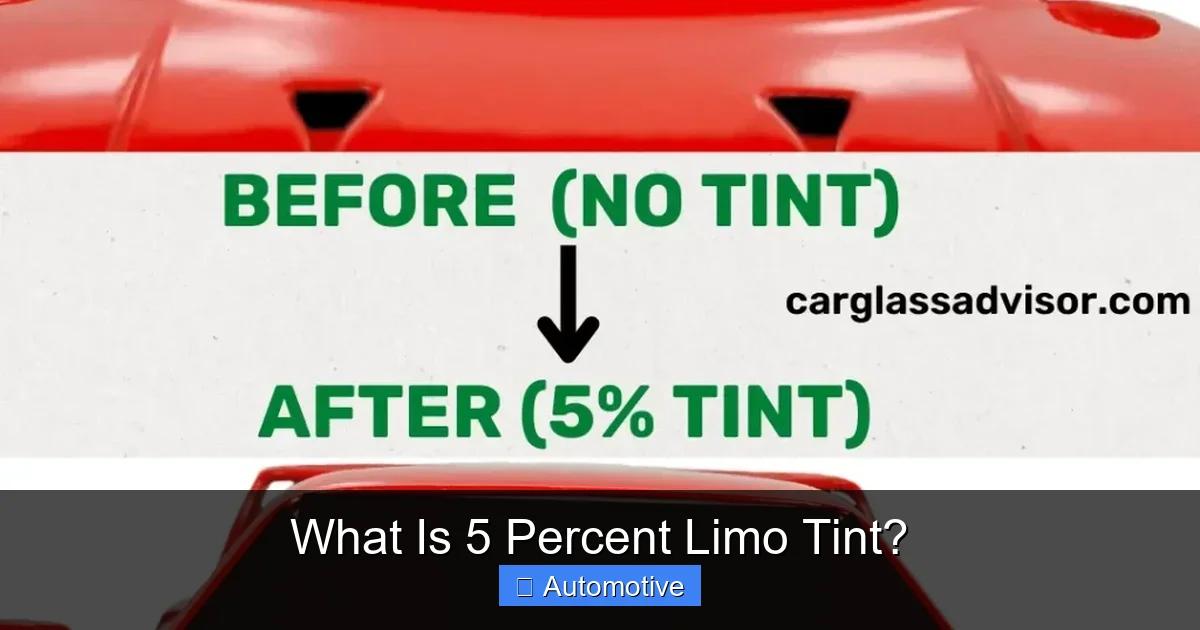
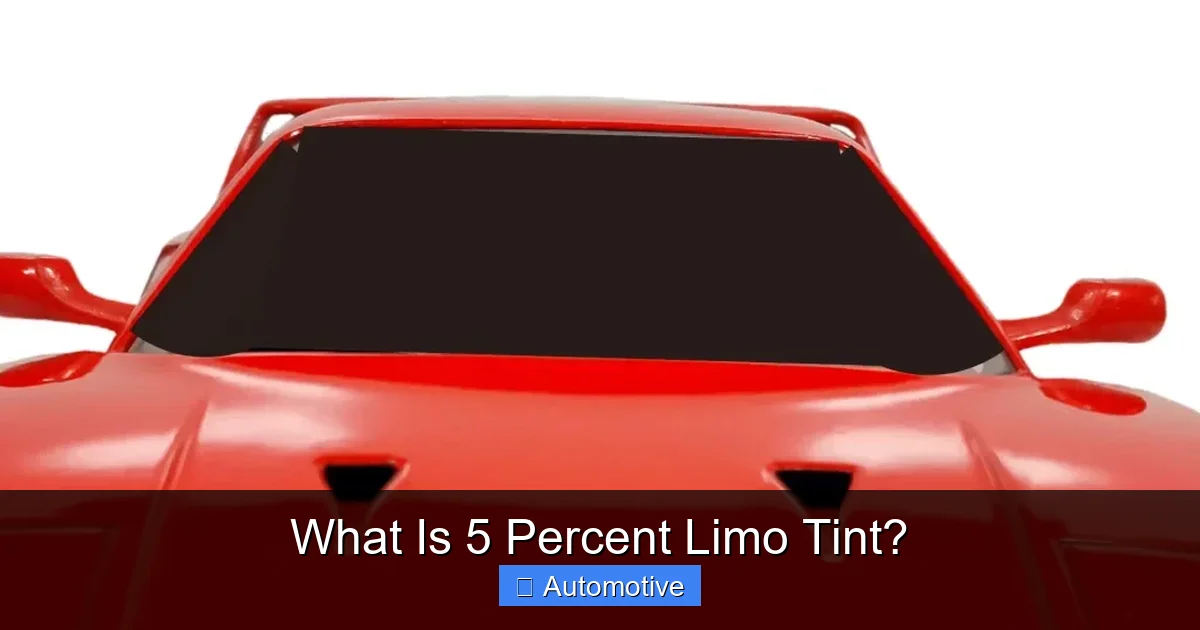
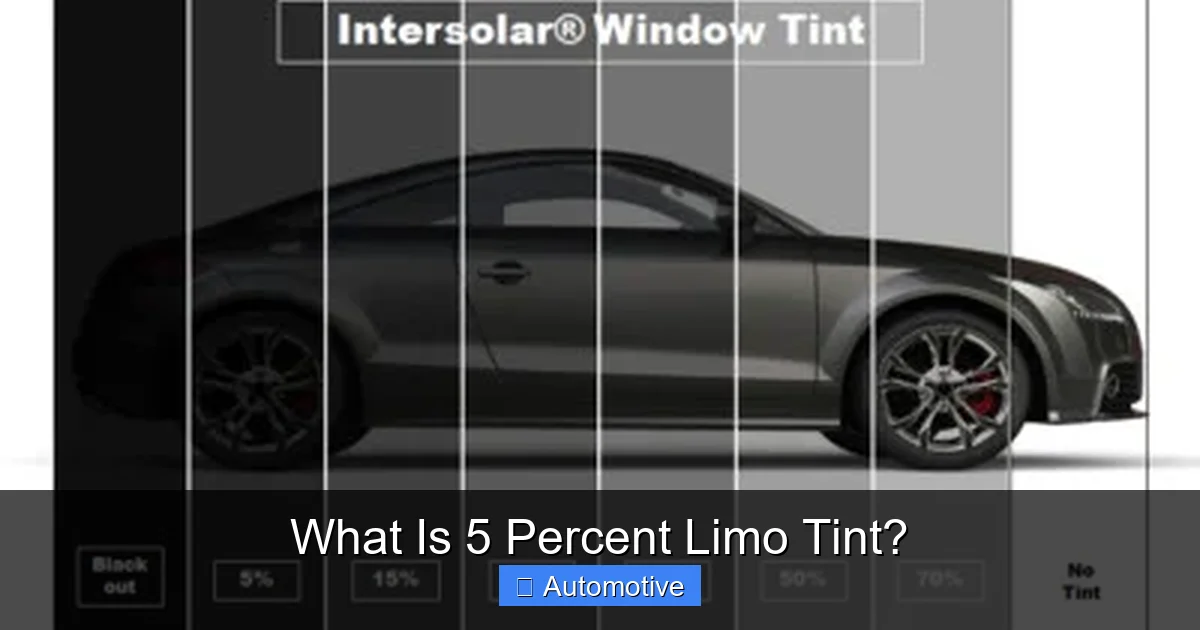
The term “5 percent” refers to Visible Light Transmission (VLT), which measures how much light passes through the glass. A 5% VLT means only 5% of visible light enters the vehicle. For comparison, factory glass typically allows around 70–80% light through. The lower the VLT percentage, the darker the tint appears from the outside. That’s why 5% is often called “limo tint”—it’s the darkest legal option in many places and mimics the look of high-end limousines.
Blocking Heat and UV Rays
But darkness isn’t just about aesthetics. One of the biggest benefits of dark tints like 5% is their ability to block infrared (IR) radiation—the part of sunlight that causes heat. High-quality 5% tints can reject up to 90% of solar heat, keeping your car’s interior cooler and reducing the need for blasting the AC. This not only improves comfort but also saves fuel or battery life in electric vehicles.
Equally important is UV protection. Prolonged exposure to ultraviolet (UV) rays can fade your dashboard, crack leather seats, and even increase your risk of skin cancer. Most modern tint films block over 99% of harmful UV rays, acting like a sunscreen for your car’s interior—and your skin.
Types of Tint Films and Their Impact
Not all 5% tints perform the same way. The material used in the film plays a huge role in how effective it is. Here’s a quick breakdown:
- Dyed Tint: Uses a layer of dye to absorb heat and reduce glare. Affordable but can fade over time and may not block as much IR radiation.
- Metalized Tint: Contains microscopic metallic particles that reflect heat. More durable and better at heat rejection, but can interfere with GPS, cell signals, and keyless entry.
- Carbon Tint: Features carbon particles that provide consistent color and excellent heat rejection without signal interference. A popular mid-range option.
- Ceramic Tint: The premium choice. Uses non-conductive ceramic particles to block heat and UV rays while maintaining clarity and signal compatibility. Ideal for those who want top-tier performance.
So while two films might both be labeled “5%,” one could keep your car significantly cooler and last longer than the other—all based on the technology inside the film.
Benefits of 5 Percent Limo Tint: More Than Just Looks
Let’s be honest—part of the appeal of 5 percent limo tint is how cool it makes your car look. That deep, mirror-like finish turns heads and gives your vehicle a sleek, professional appearance. But beyond the street cred, there are several practical advantages that make this level of tinting a smart investment.
Visual guide about What Is 5 Percent Limo Tint?
Image source: carglassadvisor.com
Enhanced Privacy and Security
With only 5% light transmission, it’s nearly impossible for outsiders to see inside your vehicle. This added layer of privacy is especially valuable if you frequently carry valuables, work equipment, or personal items in your car. Thieves are less likely to target a vehicle they can’t inspect, reducing the risk of break-ins. Plus, if you’re a rideshare driver or travel with kids, the extra seclusion can make passengers feel more comfortable and secure.
Superior Heat Reduction
On a hot day, stepping into an untinted car can feel like opening an oven door. With 5% limo tint, especially when paired with ceramic or carbon film, interior temperatures can drop by 30–50 degrees Fahrenheit. That means less time waiting for the AC to kick in and more comfortable drives from the moment you start the engine. Over time, this also reduces wear and tear on your climate control system.
UV Protection for You and Your Car
We’ve already touched on UV rays, but it’s worth emphasizing: prolonged sun exposure isn’t just bad for your car’s interior—it’s dangerous for your health. The Skin Cancer Foundation reports that up to 50% of UV exposure occurs during routine daily activities like driving. A quality 5% tint blocks over 99% of UVA and UVB rays, significantly lowering your risk of sun damage and skin cancer. It also protects your upholstery, dashboard, and trim from fading, cracking, and deterioration.
Glare Reduction for Safer Driving
Glare from the sun, headlights, or reflective surfaces can be a major distraction—and even a hazard—while driving. 5% tint dramatically reduces glare, improving visibility and reducing eye strain, especially during sunrise, sunset, or nighttime driving. This is particularly helpful for people with light sensitivity or conditions like cataracts.
Improved Energy Efficiency
For electric and hybrid vehicles, reducing cabin heat means the air conditioning doesn’t have to work as hard. This translates to better energy efficiency and longer range per charge. Even in gas-powered cars, less AC usage means slightly better fuel economy. Over thousands of miles, those small savings add up.
Aesthetic Appeal and Resale Value
Let’s not overlook the visual upgrade. A professionally installed 5% tint gives your car a cohesive, high-end look. It eliminates the mismatch between factory glass and aftermarket windows, creating a seamless appearance. And while it might seem counterintuitive, a well-maintained tinted vehicle can actually boost resale value—especially if the tint is high-quality and legally compliant.
Legal Considerations: Is 5 Percent Limo Tint Legal Where You Live?
Here’s the catch: while 5 percent limo tint offers impressive benefits, it’s not legal everywhere—and even where it is, there are often strict rules about which windows can be tinted and how dark they can be. Ignoring these laws can result in fines, failed inspections, or even having to remove the tint entirely.
Visual guide about What Is 5 Percent Limo Tint?
Image source: i.ebayimg.com
Understanding State and Local Tint Laws
In the United States, window tinting regulations are set at the state level, and they vary widely. Some states allow 5% tint on all windows, while others permit it only on rear and back side windows. Front side windows and windshields usually have much stricter limits—often requiring 70% VLT or higher—to ensure driver visibility and safety.
For example:
- California: Allows 70% VLT on front side windows, but 5% is permitted on rear side and back windows.
- Texas: Permits 25% VLT on front side windows, but 5% is allowed on rear windows.
- New York: Requires 70% VLT on all side windows, making 5% illegal except on the rear window.
- Florida: Allows 28% on front side windows, but 5% is legal on rear side and back windows.
It’s crucial to check your specific state’s Department of Motor Vehicles (DMV) or transportation website for the most up-to-date rules. Laws can change, and what was legal last year might not be this year.
Enforcement and Penalties
Law enforcement officers can issue citations for illegal tinting during routine traffic stops or vehicle inspections. Penalties range from warnings to fines of $50–$500 or more, depending on the state. In some cases, you may be required to remove the tint at your own expense. Repeat offenses can lead to higher fines or points on your license.
Additionally, if you’re pulled over and the officer suspects illegal tint, they may use a tint meter to measure the VLT. If it’s below the legal limit, you could be ticketed on the spot—even if you thought you were compliant.
Medical Exemptions and Special Permits
Some states offer medical exemptions for individuals with conditions like lupus, photosensitivity, or severe skin allergies. These exemptions may allow darker tints on front windows with proper documentation from a physician. However, the process varies by state and often requires submitting forms and paying a fee. It’s not a loophole for everyone, but it’s an option worth exploring if you have a legitimate medical need.
Tips for Staying Legal
- Always confirm local laws before tinting.
- Ask your installer for a certificate of compliance.
- Keep documentation of your tint’s VLT rating.
- Avoid DIY kits that don’t specify VLT percentages.
- Consider slightly lighter tints (like 20% or 35%) if you want a balance of style and legality.
Remember: just because a shop offers 5% tint doesn’t mean it’s legal in your area. A reputable installer will know the local laws and help you choose a compliant option.
Installation Process: What to Expect When Getting 5 Percent Tint
So you’ve decided to go for that sleek 5 percent limo look—great choice! But how does the installation actually work? And what should you look for in a professional installer? Let’s walk through the process step by step.
Choosing the Right Installer
Not all tint shops are created equal. A poor installation can lead to bubbles, peeling, discoloration, or even damage to your windows. Look for a shop with:
- Positive reviews and testimonials
- Certified technicians (e.g., from the International Window Film Association)
- Experience with high-performance films like ceramic or carbon
- Warranties on both materials and labor
- Clean, professional workspace
Don’t be afraid to ask questions: What type of film do you use? How long is the warranty? Can you show me samples? A good installer will be happy to explain their process and help you choose the best option for your needs and budget.
The Installation Steps
Here’s what typically happens during a professional tint job:
- Vehicle Inspection: The technician inspects your windows for chips, scratches, or existing tint that needs removal.
- Cleaning: The interior and exterior of each window are thoroughly cleaned to remove dirt, grease, and debris. Any residue can cause bubbles or imperfections.
- Film Cutting: The tint film is precision-cut to fit each window, often using a computer-guided system for accuracy.
- Application: A special solution is sprayed on the glass, and the film is carefully applied from top to bottom. The technician uses a squeegee to remove air bubbles and excess liquid.
- Trimming and Sealing: Excess film is trimmed, and edges are sealed to prevent lifting.
- Drying and Curing: The vehicle is left to dry for 24–72 hours. During this time, the film bonds to the glass and any remaining moisture evaporates.
Post-Installation Care
After your tint is installed, follow these tips to ensure it lasts:
- Wait at least 3–5 days before rolling down your windows.
- Avoid using harsh cleaners or abrasive cloths on tinted windows.
- Use ammonia-free glass cleaners to prevent damage to the film.
- Don’t place stickers or decals on tinted surfaces.
- Inspect regularly for peeling or bubbling—address issues early.
With proper care, a quality 5% tint can last 5–10 years or more, depending on the film type and environmental conditions.
Cost and Value: Is 5 Percent Limo Tint Worth the Investment?
Let’s talk money. How much does 5 percent limo tint cost, and is it really worth it? The answer depends on several factors—your vehicle, the type of film, and where you live. But generally speaking, the investment pays off in comfort, protection, and peace of mind.
Average Pricing Breakdown
Here’s a rough estimate of what you might expect to pay for a full vehicle tint job with 5% film:
| Film Type | Average Cost (Full Car) | Heat Rejection | Durability | Signal Interference |
|---|---|---|---|---|
| Dyed | $150–$300 | Low to Moderate | 3–5 years | None |
| Metalized | $250–$450 | High | 5–7 years | Possible (GPS, radio) |
| Carbon | $350–$600 | High | 7–10 years | None |
| Ceramic | $500–$900+ | Very High | 10+ years | None |
As you can see, ceramic tint is the most expensive—but also the highest performing. Dyed tint is the most affordable but offers the least protection and longevity.
Factors That Affect Cost
- Vehicle Size: Larger vehicles (SUVs, vans, trucks) require more film and labor, increasing the price.
- Number of Windows: Some shops charge per window, while others offer package deals.
- Film Quality: Premium films cost more upfront but save money in the long run due to durability and performance.
- Geographic Location: Labor and material costs vary by region. Urban areas tend to be more expensive.
- Additional Services: Tint removal, windshield stripping, or ceramic coating can add to the total.
Long-Term Value
While the upfront cost might seem steep, consider the long-term benefits:
- Reduced AC usage = lower fuel or electricity costs
- Protection from UV damage = longer-lasting interior
- Enhanced privacy and security = peace of mind
- Improved resale value = better return when selling
- Health benefits = reduced risk of sun-related skin damage
Over 5–10 years, these savings and benefits often outweigh the initial investment—especially if you choose a high-quality film that lasts.
Common Myths and Misconceptions About 5 Percent Tint
Despite its popularity, 5 percent limo tint is surrounded by myths and misunderstandings. Let’s clear the air on some of the most common misconceptions.
Myth 1: “All 5% Tint Is Illegal”
Not true. While many states restrict front window tinting, 5% is legal on rear windows in most places. It’s all about knowing your local laws. Just because it’s dark doesn’t mean it’s illegal.
Myth 2: “Dark Tint Makes It Harder to See at Night”
This one has some truth—but only if the tint is poorly installed or of low quality. Modern 5% films, especially ceramic and carbon types, are designed to maintain clarity while blocking heat and glare. With proper installation, nighttime visibility remains excellent.
Myth 3: “Tint Will Ruin Your Windows”
High-quality tint, when applied correctly, does not damage glass. In fact, it can protect windows from scratches and minor impacts. Damage usually occurs from poor installation or using cheap, abrasive cleaning products.
Myth 4: “You Can’t Use Defrosters with Tint”
False. Most modern defrosters are compatible with tinted windows. However, avoid placing tint over defroster lines on rear windows, as it can interfere with heating elements. Professional installers know how to work around this.
Myth 5: “Tint Doesn’t Really Keep the Car Cool”
Actually, it does—especially high-performance films. While no tint can completely eliminate heat, 5% ceramic or carbon tint can reduce interior temperatures by 30–50°F on a hot day. That’s a huge difference in comfort.
Myth 6: “DIY Tint Is Just as Good as Professional Installation”
Unfortunately, no. DIY kits often lack precision, use lower-quality film, and are prone to bubbles and peeling. Professional installation ensures a flawless finish, proper adhesion, and compliance with local laws.
Final Thoughts: Is 5 Percent Limo Tint Right for You?
So, after all this—should you get 5 percent limo tint? The answer depends on your priorities, lifestyle, and local regulations. If you value privacy, sun protection, and a sleek, high-end look, and you live in an area where it’s legal, then yes—5% tint is an excellent choice.
But it’s not a one-size-fits-all solution. If you frequently drive at night, live in a state with strict tint laws, or are on a tight budget, you might consider a lighter shade like 20% or 35%. These still offer significant benefits while staying within legal and practical limits.
Ultimately, the best tint is one that balances style, safety, and legality. Do your research, choose a reputable installer, and invest in quality film. Your car—and your comfort—will thank you.
Whether you’re rolling down the highway in the summer heat or parking on a sunny street, 5 percent limo tint transforms your driving experience. It’s more than just a cosmetic upgrade. It’s a smart, functional enhancement that protects your vehicle, your health, and your peace of mind. So go ahead—embrace the shade. Your car deserves it.
Frequently Asked Questions
What is 5 percent limo tint?
5 percent limo tint refers to a type of window film that allows only 5% of visible light to pass through, making it extremely dark. It’s called “limo tint” because it’s commonly used on limousines for privacy and a sleek appearance.
Is 5 percent limo tint legal?
Legality of 5 percent limo tint varies by state and country, as many places have strict laws on how dark vehicle windows can be. It’s often illegal for front-side windows but may be permitted on rear windows and the back windshield depending on local regulations.
How dark is 5 percent tint compared to other shades?
5 percent tint is one of the darkest options available, allowing only 5% of light in while blocking 95%. For comparison, 20% tint is significantly lighter and more commonly used on regular vehicles.
What are the benefits of using 5 percent limo tint?
5 percent limo tint offers maximum privacy, reduces glare, and blocks a high percentage of UV rays and heat. It also gives vehicles a luxurious, high-end look similar to that of a limousine.
Can 5 percent limo tint be applied to all car windows?
While it can technically be applied to any window, many jurisdictions restrict its use on front-side windows due to visibility concerns. Always check local laws before installing 5 percent limo tint on front windows.
Does 5 percent tint affect nighttime driving?
Yes, 5 percent limo tint significantly reduces visibility at night because so little light passes through. This can make it harder to see pedestrians, road signs, and other vehicles in low-light conditions.
