
How Long Does a Camper Battery Last

Understanding how long a camper battery lasts is essential for reliable off-grid adventures. Most RV batteries last 3–5 years, but lifespan depends on type, usage, maintenance, and charging habits. With proper care, you can maximize performance and avoid unexpected power outages.
If you’ve ever been out on a scenic camping trip, only to have your lights flicker and your fridge shut off, you know how important a reliable camper battery is. Whether you’re boondocking in the desert or parked at a quiet lakeside site, your RV battery is the silent workhorse that powers everything from your lights and water pump to your refrigerator and entertainment systems. But here’s the big question every camper asks at some point: *How long does a camper battery last?*
The truth is, there’s no one-size-fits-all answer. The lifespan of your camper battery depends on several factors—what type of battery you have, how often you use it, how well you maintain it, and even the climate you’re traveling in. Some batteries might last just a couple of years, while others, with the right care, can keep you powered up for over a decade. Understanding these variables can help you make smarter decisions about your power setup and avoid the frustration of a dead battery when you need it most.
In this guide, we’ll break down everything you need to know about camper battery lifespan. We’ll explore the different types of RV batteries, what affects their longevity, how to maintain them, and how to tell when it’s time for a replacement. Whether you’re a weekend warrior or a full-time RVer, this information will help you get the most out of your battery and keep your adventures running smoothly.
Key Takeaways
- Battery lifespan varies by type: Flooded lead-acid batteries typically last 3–5 years, while lithium-ion models can last 8–12 years with proper care.
- Usage patterns matter: Frequent deep discharges shorten battery life, especially in lead-acid batteries.
- Maintenance is crucial: Regular cleaning, water top-ups (for flooded batteries), and equalization charges extend longevity.
- Charging habits impact durability: Using a smart charger and avoiding overcharging or undercharging helps preserve battery health.
- Temperature affects performance: Extreme heat or cold reduces efficiency and accelerates wear.
- Monitor battery health: Use a battery monitor or multimeter to track voltage and state of charge.
- Upgrade when needed: Replace old batteries before they fail to avoid being stranded without power.
📑 Table of Contents
Understanding Camper Battery Types
Not all camper batteries are created equal. The type of battery you choose has a huge impact on how long it will last and how well it will perform under different conditions. Let’s take a closer look at the most common types of RV batteries and what makes each one unique.
Flooded Lead-Acid Batteries
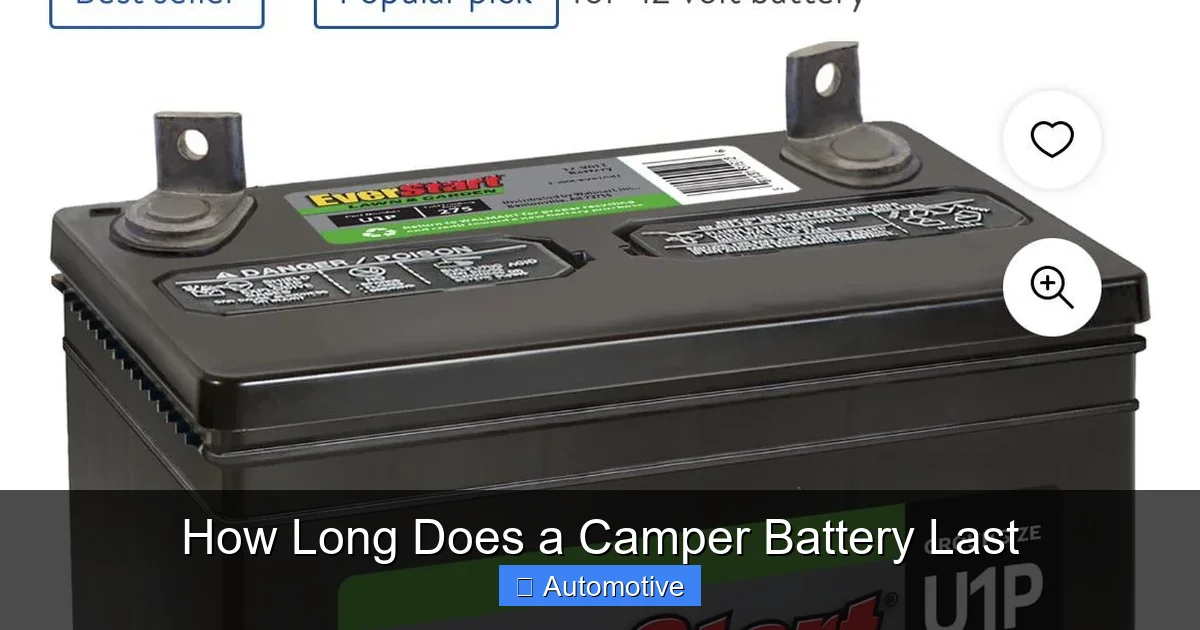
Flooded lead-acid batteries are the most traditional and widely used type in campers. They’re also the most affordable upfront, which makes them a popular choice for budget-conscious RVers. These batteries use a liquid electrolyte solution (a mix of sulfuric acid and water) that requires regular maintenance, including checking and refilling water levels.
One of the biggest downsides of flooded lead-acid batteries is their sensitivity to deep discharges. If you regularly drain them below 50% capacity, you significantly shorten their lifespan. On average, a well-maintained flooded lead-acid battery will last between 3 and 5 years. However, if you’re frequently boondocking and relying heavily on battery power, you might find yourself replacing them closer to the 3-year mark.
Another thing to keep in mind is that flooded batteries need proper ventilation. The charging process can release hydrogen gas, which is flammable. That means you can’t just install them anywhere—they need to be in a vented compartment to prevent gas buildup.
Despite these drawbacks, flooded lead-acid batteries are reliable and proven. If you’re willing to put in the maintenance effort, they can be a solid choice for many campers.
AGM (Absorbent Glass Mat) Batteries
AGM batteries are a step up from flooded lead-acid in terms of performance and convenience. Instead of a liquid electrolyte, they use a fiberglass mat to absorb the acid, making them spill-proof and maintenance-free. This design also allows them to handle deeper discharges better than flooded batteries—typically down to 50% without significant damage.
Because they’re sealed and don’t require water top-ups, AGM batteries are much easier to care for. They’re also more resistant to vibration and shock, which is a big plus when you’re driving down bumpy forest roads. In terms of lifespan, AGM batteries generally last 4 to 7 years, depending on usage and charging habits.
One thing to note is that AGM batteries are more expensive than flooded lead-acid. But many RVers find the added durability and lower maintenance worth the extra cost. They’re a great middle-ground option for those who want better performance without going all-in on lithium.
Lithium-Ion (LiFePO4) Batteries
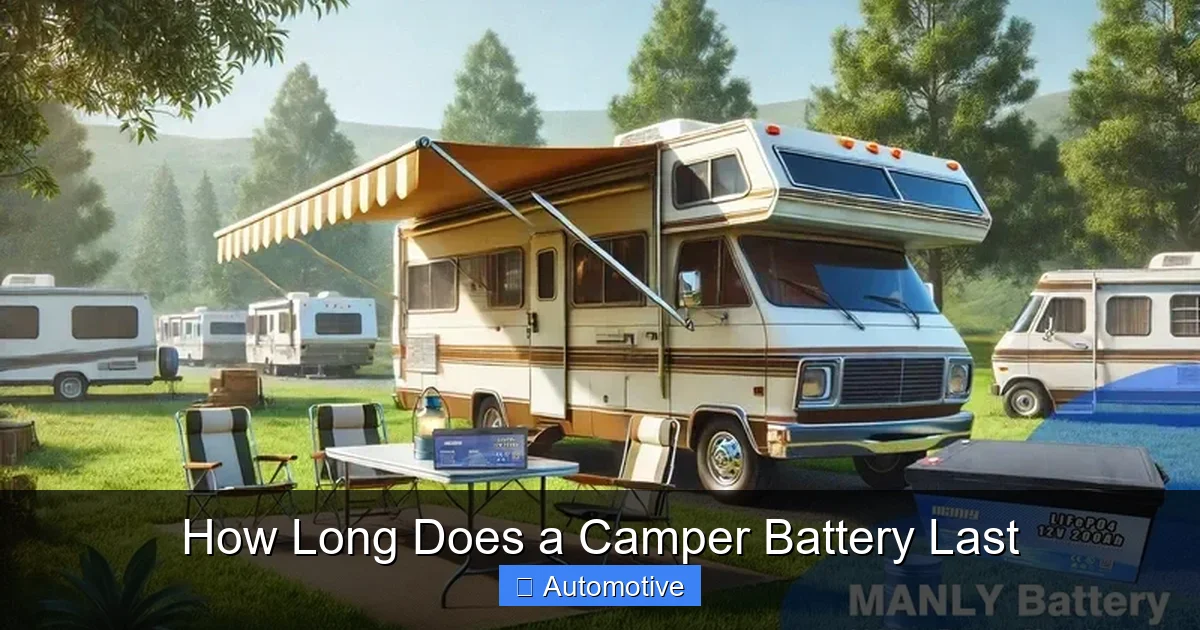
If you’re looking for the longest-lasting and highest-performing camper battery, lithium-ion—specifically lithium iron phosphate (LiFePO4)—is the way to go. These batteries are revolutionizing the RV world with their impressive lifespan, lightweight design, and ability to be deeply discharged without damage.
Unlike lead-acid batteries, lithium batteries can be safely drained down to 80% or even 100% of their capacity without shortening their life. This means you get more usable power from each charge. They also charge much faster and are significantly lighter—often half the weight of a comparable lead-acid battery.
When it comes to lifespan, lithium-ion batteries are in a league of their own. With proper care, they can last 8 to 12 years—sometimes even longer. That’s more than double the life of most AGM or flooded batteries. While the upfront cost is higher (often 2–3 times more than AGM), many full-time RVers and serious boondockers find the long-term savings and performance justify the investment.
One important consideration with lithium batteries is that they require a compatible charging system. Most modern RVs with advanced converters or solar setups can handle them, but older systems may need upgrades. Also, lithium batteries have a built-in battery management system (BMS) that protects them from overcharging, over-discharging, and overheating—making them safer and more reliable.
Factors That Affect Camper Battery Lifespan
Visual guide about How Long Does a Camper Battery Last
Image source: i.redd.it
Now that you know the different types of batteries, let’s talk about what actually determines how long your camper battery will last. It’s not just about the battery itself—your habits, environment, and setup all play a role.
Depth of Discharge (DoD)
One of the biggest factors affecting battery life is how deeply you discharge it. Every time you use your battery, you’re pulling energy out of it. The deeper the discharge, the more stress it puts on the battery.
For example, if you have a 100Ah battery and you use 80Ah before recharging, that’s an 80% depth of discharge. For flooded lead-acid and AGM batteries, this is very hard on the cells and can significantly reduce lifespan. Most experts recommend keeping discharges above 50% for these types.
Lithium batteries, on the other hand, are designed to handle deep discharges. You can regularly use 80–100% of their capacity without damaging them. This is one of the reasons they last so much longer.
So, if you’re frequently running your fridge, lights, and water pump all night without recharging, you’re putting a lot of strain on your battery—especially if it’s lead-acid. Over time, this repeated deep cycling will wear it out faster.
Charging Practices
How you charge your battery is just as important as how you use it. Poor charging habits can kill a battery long before its time.
One common mistake is undercharging. If you only partially recharge your battery—say, from 50% to 80%—you’re not giving it a full cycle. Over time, this leads to sulfation in lead-acid batteries, where sulfate crystals build up on the plates and reduce capacity.
On the flip side, overcharging is also harmful. Leaving a battery on a charger too long can cause it to overheat, lose water (in flooded types), and degrade faster. This is especially true with older chargers that don’t have smart charging technology.
The best practice is to use a smart charger or converter that automatically adjusts the charging rate based on the battery’s state. These chargers go through multiple stages—bulk, absorption, and float—to ensure a full, safe charge without overdoing it.
If you’re using solar panels, make sure your charge controller is compatible with your battery type. A PWM controller works fine for basic setups, but an MPPT controller is more efficient and better for lithium batteries.
Temperature and Climate
Your battery doesn’t care if you’re camping in the desert or the mountains—but it definitely feels the effects of extreme temperatures.
High heat accelerates chemical reactions inside the battery, which can increase self-discharge and cause plates to corrode faster. In very hot climates, batteries may lose 10–20% of their lifespan.
Cold weather is also tough. Batteries lose capacity in the cold—sometimes up to 50% at freezing temperatures. This means a 100Ah battery might only deliver 50Ah when it’s 32°F. Cold also slows down charging, so it takes longer to top off your battery in winter.
To protect your battery, try to store it in a climate-controlled space when not in use. If you’re camping in extreme temperatures, consider using a battery box with insulation or a heating pad (for lithium batteries). Avoid placing batteries directly on concrete floors in winter, as concrete draws heat away and can cause freezing.
Maintenance and Care
Even the best battery won’t last long if you neglect it. Regular maintenance is key—especially for flooded lead-acid batteries.
For flooded batteries, check the water levels every 1–2 months. Use distilled water only—never tap water, which contains minerals that can damage the plates. Keep the tops clean and dry to prevent corrosion on the terminals. If you see white or green buildup, clean it with a mixture of baking soda and water.
AGM and lithium batteries are maintenance-free, but you should still inspect them regularly for damage, swelling, or loose connections.
Also, make sure your battery terminals are tight and free of corrosion. A loose connection can cause voltage drops and reduce performance.
Usage Frequency and Load
How often you use your camper and what you power with it also affects battery life.
If you only take weekend trips a few times a year, your battery may last longer simply because it’s not being cycled as often. But infrequent use can also be a problem—batteries can self-discharge over time, and if they sit too long without a charge, they can sulfate and lose capacity.
On the other hand, full-time RVers who rely on their battery daily will see more wear and tear. The more devices you run—especially high-draw ones like air conditioners, microwaves, or inverters—the harder your battery has to work.
To reduce strain, consider upgrading your electrical system. Adding solar panels, a larger battery bank, or a generator can take some of the load off your primary battery and extend its life.
How to Extend Your Camper Battery Life
Visual guide about How Long Does a Camper Battery Last
Image source: manlybattery.com
Now that you know what shortens battery life, let’s talk about how to make it last longer. A few simple habits can go a long way in preserving your battery’s health.
Use a Smart Charger or Converter
Invest in a high-quality smart charger or converter that’s compatible with your battery type. These devices automatically adjust the charge rate and prevent overcharging. Many modern RVs come with smart converters, but if yours is older, consider upgrading.
For lithium batteries, make sure your charger is specifically designed for LiFePO4 chemistry. Using the wrong charger can damage the battery or even cause a fire.
Monitor Your Battery’s State of Charge
Don’t guess—know your battery’s actual charge level. Use a battery monitor like a Victron BMV-712 or a simple multimeter to check voltage. A fully charged 12V battery should read around 12.7 volts. If it drops below 12.0 volts, it’s time to recharge.
Many RVers also install battery monitors that display real-time data on amp-hours used, voltage, and state of charge. These tools help you avoid deep discharges and keep your battery in the optimal range.
Limit Deep Discharges
Try to keep your battery above 50% charge whenever possible—especially if you’re using lead-acid or AGM. Use energy-efficient appliances, LED lights, and low-power modes on devices to reduce draw.
If you’re boondocking, consider using a generator or solar panels to recharge during the day instead of relying solely on battery power at night.
Store Batteries Properly
If you’re not using your camper for an extended period, remove the batteries and store them in a cool, dry place. Charge them to about 50–60% before storage, and check the charge every few months. Top them off if needed.
Never store a battery in a discharged state—this is one of the fastest ways to kill it.
Upgrade to Lithium (If Possible)
If your budget allows, consider upgrading to lithium-ion batteries. While the upfront cost is higher, the longer lifespan, lighter weight, and deeper discharge capability often make them more cost-effective in the long run—especially for frequent travelers.
Signs It’s Time to Replace Your Camper Battery
Visual guide about How Long Does a Camper Battery Last
Image source: shunauto.com
Even with the best care, batteries don’t last forever. Here are some telltale signs that it’s time for a replacement:
– The battery won’t hold a charge, even after a full night on the charger.
– It takes much longer to charge than it used to.
– You notice swelling, leaks, or a strong sulfur (rotten egg) smell.
– Voltage drops quickly under load—lights dim when you turn on the fridge.
– The battery is more than 5 years old (for lead-acid) or 8+ years (for lithium).
Don’t wait until you’re stranded without power. Plan ahead and replace your battery before it fails completely.
Conclusion
So, how long does a camper battery last? The answer depends on what you’re using, how you’re using it, and how well you take care of it. On average, you can expect 3–5 years from a flooded lead-acid battery, 4–7 years from an AGM, and 8–12 years from a lithium-ion battery.
The key to maximizing lifespan is understanding your battery’s needs and adjusting your habits accordingly. Avoid deep discharges, use smart charging, maintain your battery regularly, and protect it from extreme temperatures. And if you’re ready for an upgrade, lithium batteries offer the best long-term value for serious RVers.
With the right setup and a little attention, your camper battery can keep you powered up for years of adventures. After all, the best trips are the ones where you never have to worry about the lights going out.
Frequently Asked Questions
How long does a camper battery last on average?
Most camper batteries last between 3 and 5 years, depending on the type and usage. Lithium batteries can last up to 12 years with proper care, while flooded lead-acid batteries typically last 3–5 years.
Can I overcharge my camper battery?
Yes, overcharging can damage your battery, especially lead-acid types. It can cause overheating, water loss, and reduced lifespan. Use a smart charger to prevent overcharging.
Should I disconnect my camper battery when not in use?
Yes, if you’re storing your camper for more than a month, disconnect the battery or use a maintenance charger. This prevents parasitic drains and extends battery life.
Can I mix different types of batteries in my RV?
No, never mix battery types (e.g., lithium and lead-acid) in the same bank. They have different charging requirements and can damage each other or your electrical system.
How do I know if my camper battery is dying?
Signs include slow charging, voltage dropping quickly under load, swelling, or failure to hold a charge. If your battery is over 5 years old and showing these signs, it’s likely time to replace it.
Is it worth upgrading to lithium batteries for my camper?
If you boondock frequently or want longer battery life, lithium is worth the investment. They last longer, charge faster, and allow deeper discharges, making them ideal for serious RVers.
