
Sell a Car in Louisiana

Selling a car in Louisiana doesn’t have to be complicated—if you know the right steps. From preparing your vehicle to completing the title transfer, this guide walks you through everything you need to do to sell your car safely, legally, and profitably in the Pelican State.
So, you’ve decided it’s time to part ways with your car. Maybe you’re upgrading to something newer, downsizing, or just ready for a change. Whatever the reason, selling a car in Louisiana comes with its own set of rules, tips, and tricks. The good news? It doesn’t have to be stressful. With the right preparation and knowledge, you can sell your vehicle quickly, safely, and for a fair price.
Louisiana has specific requirements when it comes to transferring vehicle ownership, and skipping even one step can lead to fines, legal issues, or delays. But don’t worry—this guide is here to walk you through every part of the process, from prepping your car to handing over the keys. Whether you’re selling privately or trading in at a dealership, understanding the local laws and market conditions will help you get the best outcome.
In this article, we’ll cover everything you need to know about how to sell a car in Louisiana. We’ll talk about legal requirements, pricing strategies, inspection rules, and how to avoid common pitfalls. By the end, you’ll feel confident and ready to sell your car the smart way.
Key Takeaways
- Understand Louisiana’s title transfer rules: Louisiana requires a notarized bill of sale and proper title transfer within 30 days of the sale to avoid penalties.
- Get your vehicle inspected: Most parishes require a safety inspection before you can sell, especially if the car is over four years old.
- Clean and detail your car: A well-maintained vehicle with detailed photos sells faster and for a higher price—first impressions matter.
- Price it right using market data: Use tools like Kelley Blue Book, Edmunds, or local listings to set a competitive price based on condition, mileage, and demand.
- Choose the best selling method: Decide between private sale, trade-in, or selling to a dealer based on your timeline, convenience, and profit goals.
- Protect yourself legally: Always meet buyers in safe public places, verify payment, and complete all paperwork correctly to avoid liability after the sale.
- Cancel insurance promptly: Once the sale is complete, contact your insurer to cancel or transfer coverage to avoid unnecessary charges.
📑 Table of Contents
Know the Legal Requirements for Selling a Car in Louisiana
Before you even list your car for sale, it’s crucial to understand Louisiana’s legal framework. The state has specific rules designed to protect both buyers and sellers, and following them ensures a smooth transaction.
Title Transfer and Notarization
In Louisiana, the title must be properly transferred and notarized. Unlike some states, Louisiana requires a notarized bill of sale for most vehicle transactions. This document serves as legal proof that the sale took place and protects both parties. The bill of sale should include the vehicle’s VIN, sale price, date of sale, and the names and signatures of both buyer and seller. You can find a free template on the Louisiana Office of Motor Vehicles (OMV) website or use a service like NotaryCam if you’re selling to someone out of state.
The title itself must be signed over to the buyer. Make sure there are no liens on the title—if there are, you’ll need to pay them off before selling. If you’ve lost your title, you can apply for a duplicate through the OMV. Once the buyer receives the title, they have 30 days to register the vehicle in their name. If they don’t, you could be held liable for any fines or violations, so it’s smart to follow up or include a clause in the bill of sale stating the buyer assumes all responsibility after transfer.
Odometer Disclosure
Federal law requires you to disclose the vehicle’s mileage at the time of sale. This must be done on the title or a separate odometer disclosure statement. If the odometer is broken or has been replaced, you must note that as well. Failing to provide accurate mileage information can result in legal trouble, so be honest and thorough.
Release of Liability
After the sale, you should notify the Louisiana OMV that you’re no longer responsible for the vehicle. While Louisiana doesn’t have an official “release of liability” form like some states, you can send a letter or email to the OMV with the sale date, buyer’s name, and VIN. This step protects you in case the buyer gets a ticket or causes an accident before registering the car.
Prepare Your Car for Sale
First impressions are everything—especially when selling a car. A clean, well-maintained vehicle not only attracts more buyers but also commands a higher price. Think of it this way: would you buy a car that looks neglected? Probably not. So give your car the TLC it deserves before listing it.
Clean Inside and Out
Start with a thorough wash and wax. Remove any dirt, bugs, or grime from the exterior. Don’t forget the wheels and undercarriage—buyers notice details. For the interior, vacuum every corner, clean the windows, and wipe down all surfaces. Remove personal items like old receipts, air fresheners, or family photos. A clutter-free car feels bigger and more inviting.

Visual guide about Sell a Car in Louisiana
Image source: woodentrain.com
Consider investing in a professional detailing service. For around $100–$200, a detailer can shampoo carpets, condition leather, and remove stubborn stains. It’s a small cost that can significantly boost your car’s appeal and value. If you’re on a budget, DIY with a good cleaner and microfiber cloths—just avoid harsh chemicals that could damage surfaces.
Address Minor Repairs
You don’t need to rebuild the engine, but fixing small issues can make a big difference. Replace burnt-out bulbs, fix cracked windshields, or patch small dents. Even something as simple as replacing worn wiper blades shows buyers you cared for the car. If the check engine light is on, get it diagnosed—many auto parts stores offer free scans. If it’s a minor issue like a loose gas cap, fix it. If it’s something major, disclose it honestly in your listing.
Gather Maintenance Records
Buyers love seeing proof that a car has been well-maintained. Gather all service records, receipts, and warranty information. If you’ve done regular oil changes, brake work, or tire rotations, include those details. You can create a simple folder or digital PDF to share with interested buyers. This builds trust and can justify a higher asking price.
Determine the Right Price
Pricing your car correctly is one of the most important steps in the selling process. Overprice it, and it sits on the market for months. Underprice it, and you leave money on the table. The key is to find the sweet spot where your car is competitive but still reflects its true value.
Research Market Value
Start by checking pricing guides like Kelley Blue Book (KBB), Edmunds, or NADA Guides. Enter your car’s make, model, year, mileage, condition, and location. These tools will give you a range—private party value, trade-in value, and dealer retail. For a private sale, aim for the private party value, which is typically higher than trade-in but lower than retail.
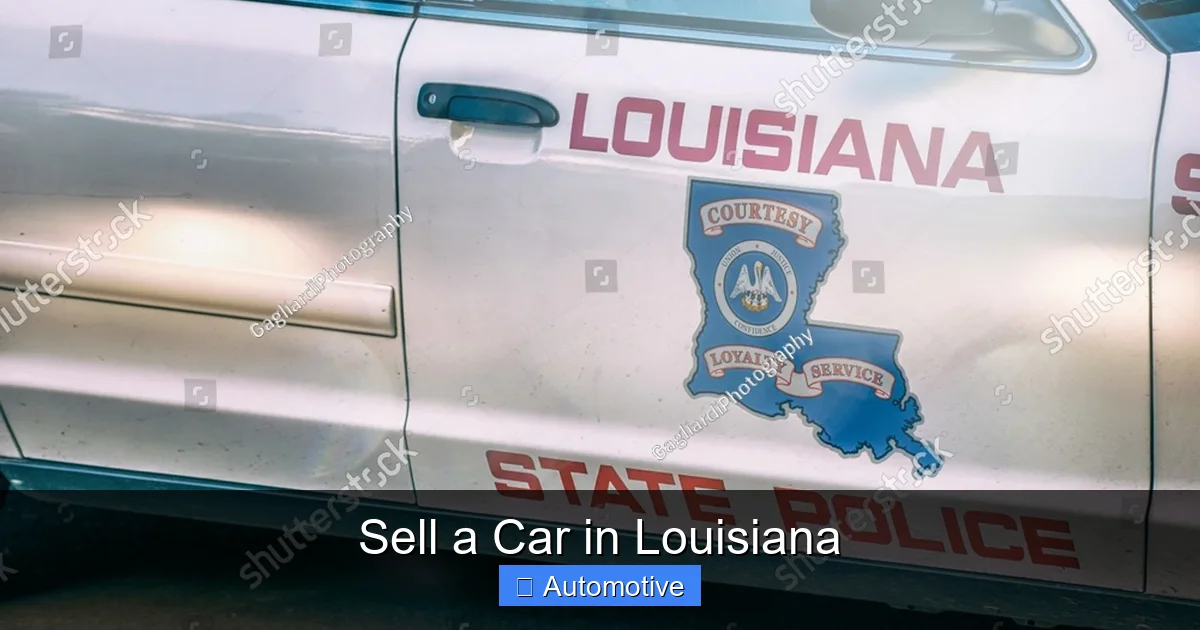
Visual guide about Sell a Car in Louisiana
Image source: shutterstock.com
Next, look at local listings. Check Facebook Marketplace, Craigslist, AutoTrader, and Cars.com for similar vehicles in your area. Pay attention to how long they’ve been listed and whether the price has dropped. This gives you a real-world sense of demand. For example, if you’re selling a 2018 Honda Civic with 60,000 miles in Baton Rouge, and similar models are listed for $16,000–$17,500, you’ll know your range.
Adjust for Condition and Extras
Be honest about your car’s condition. If it’s in excellent shape with low mileage and recent repairs, you can price it at the higher end. If it has high mileage, cosmetic flaws, or needs work, adjust downward. Also, consider added value from extras like new tires, a premium sound system, or a full tank of gas. These can justify a slightly higher price, but don’t overdo it—buyers may not value them as much as you do.
Leave Room for Negotiation
Most buyers will try to negotiate, so price your car about 5–10% above your target. For example, if you want $15,000, list it at $15,750. This gives you room to come down while still getting close to your goal. Be prepared to justify your price with evidence—maintenance records, recent repairs, or market comparisons.
Choose the Best Way to Sell Your Car
Now that your car is ready and priced, it’s time to decide how to sell it. Your options include private sale, trade-in, or selling to a dealer. Each has pros and cons, so choose based on your priorities—speed, convenience, or profit.
Private Sale
A private sale typically yields the highest return. You cut out the middleman and negotiate directly with the buyer. Platforms like Facebook Marketplace, Craigslist, and OfferUp are popular in Louisiana. When listing, include high-quality photos from multiple angles, a detailed description, and your asking price. Be responsive to inquiries and schedule test drives in safe, public locations like a police station parking lot.
The downside? It takes time and effort. You’ll need to handle paperwork, meet potential buyers, and ensure payment is secure. Avoid cashier’s checks from unknown banks—they can be fake. Cash or a cashier’s check from a local bank is safest. Once the sale is complete, hand over the title, bill of sale, and keys, and notify the OMV.
Trade-In at a Dealership
If you’re buying a new car, trading in your old one is convenient. Dealerships handle the paperwork, and you can apply the trade-in value toward your purchase. However, you’ll usually get less than a private sale—dealers need to make a profit when they resell. Still, the trade-off is speed and simplicity. Just get multiple appraisals to ensure you’re getting a fair offer.
Sell to a Dealer or Online Buyer
Companies like CarMax, Carvana, or Vroom will buy your car outright, often with same-day payment. They offer quick quotes online and handle the title transfer. The trade-off? Lower offers than private sales. But if you need to sell fast—say, before moving or switching jobs—it might be worth it. These services are especially popular in cities like New Orleans, Shreveport, and Lafayette.
Complete the Sale Safely and Legally
The final step is closing the deal. This is where many sellers make mistakes—rushing paperwork, accepting bad payment, or forgetting to cancel insurance. Don’t let that happen to you.
Meet in a Safe Location
Always meet buyers in a public, well-lit place. Police station parking lots are ideal—many have designated “safe exchange zones.” Bring a friend if possible, and avoid meeting at your home. If the buyer seems suspicious—asking for unusual payment methods or pressuring you—trust your gut and walk away.
Verify Payment
Cash is safest for private sales. If using a cashier’s check, go to the bank with the buyer to confirm it’s valid. Never accept personal checks. For online transactions, use secure platforms like PayPal or Venmo, but be aware of scams. Once payment is confirmed, hand over the keys and documents.
Complete the Paperwork
Sign the title over to the buyer, fill out the bill of sale, and provide a copy to both parties. Make sure the odometer reading is accurate. The buyer should take the title and bill of sale to the OMV to register the vehicle. Keep a copy of all documents for your records.
Cancel Insurance
Once the sale is complete, contact your insurance company to cancel or transfer coverage. You don’t want to pay for a car you no longer own. Most insurers require proof of sale, so keep your bill of sale handy.
Avoid Common Mistakes
Even experienced sellers make errors. Here are a few to watch out for:
- Not getting the title notarized: In Louisiana, this is required for most sales. Skipping it can void the transfer.
- Overlooking inspections: Many parishes require a safety inspection before sale. Check your local OMV office for rules.
- Accepting fake checks: Scammers often send fake cashier’s checks and ask for refunds. Always verify funds before handing over the car.
- Forgetting to remove license plates: In Louisiana, license plates stay with the owner, not the car. Remove them before the sale.
- Not disclosing known issues: Hiding problems can lead to legal trouble. Be honest about the car’s condition.
Conclusion
Selling a car in Louisiana doesn’t have to be a headache. By understanding the legal requirements, preparing your vehicle, pricing it right, and choosing the best selling method, you can turn your old car into cash with confidence. Whether you’re selling privately in Lafayette or trading in at a dealership in Metairie, the key is to stay informed and organized.
Take the time to clean your car, gather your documents, and research the market. Protect yourself by meeting buyers safely, verifying payment, and completing all paperwork correctly. And don’t forget to cancel your insurance once the sale is done.
With this guide, you’re ready to sell your car in Louisiana the smart way—quickly, legally, and for the best possible price. So go ahead, list that car, and enjoy the freedom that comes with a successful sale.
Frequently Asked Questions
Do I need a notarized bill of sale to sell a car in Louisiana?
Yes, Louisiana law requires a notarized bill of sale for most vehicle transactions. This document protects both buyer and seller and is often needed for title transfer.
How long does a buyer have to register a car after purchase in Louisiana?
The buyer has 30 days from the date of purchase to register the vehicle with the Louisiana OMV. After that, they may face penalties.
Can I sell my car without a title in Louisiana?
No, you must have a valid title to sell a car in Louisiana. If you’ve lost it, apply for a duplicate through the OMV before listing the vehicle.
Do I need a safety inspection to sell my car in Louisiana?
Most parishes require a safety inspection for vehicles over four years old. Check with your local OMV office to confirm requirements in your area.
What should I do with my license plates after selling my car?
In Louisiana, license plates remain with the owner, not the vehicle. Remove them before the sale and either keep them or surrender them to the OMV.
How can I avoid scams when selling my car privately?
Meet buyers in public places, verify payment before handing over the car, and avoid deals that seem too good to be true. Never accept personal checks or wire transfers from unknown sources.
