
How to Sell Car on Copart Auction

Selling a car on Copart auction can be a fast and profitable way to offload damaged, used, or salvage vehicles—especially if you know the process. This guide walks you through every step, from account setup to final payment, so you can sell with confidence and get the best possible return.
So, you’ve got a car that’s been in an accident, won’t start, or just isn’t worth fixing—and you’re thinking about selling it. Maybe it’s a salvage title, maybe it’s just old and high-mileage. Whatever the reason, you’ve heard about Copart auction and wondered: “Can I really sell my car there?” The answer is yes—and it might be one of the smartest moves you make.
Copart is one of the largest online auto auction platforms in the world, connecting sellers with thousands of licensed dealers, rebuilders, and exporters. Unlike traditional dealerships or private sales, Copart specializes in vehicles that are damaged, totaled, or simply not in pristine condition. That means if your car has mechanical issues, body damage, or a salvage title, you’re in the right place. And the best part? You can sell it quickly, often within days, without haggling with individual buyers.
But here’s the catch: selling on Copart isn’t as simple as snapping a few photos and clicking “list.” It requires preparation, understanding of the platform’s rules, and a bit of strategy to get the best price. Whether you’re an insurance adjuster, a repair shop owner, or a private individual, this guide will walk you through everything you need to know to sell your car on Copart auction successfully—from registration to payout.
Key Takeaways
- Create a Copart account: You’ll need to register as a seller and get approved before listing any vehicles.
- Know your vehicle type: Copart specializes in salvage, damaged, and used cars—ideal for insurance companies, dealers, and private sellers with non-running vehicles.
- Prepare accurate documentation: Title, VIN, and condition details are critical for a smooth listing and sale.
- Set a competitive reserve price: This helps attract bidders while protecting your minimum acceptable offer.
- Use high-quality photos: Clear images of damage, interior, and exterior boost buyer confidence and bidding activity.
- Understand fees and payment timelines: Copart charges seller fees and releases funds after the buyer picks up the vehicle.
- Ship or arrange pickup promptly: Fast, professional handling improves your seller rating and repeat business.
📑 Table of Contents
What Is Copart and Who Can Sell There?
Copart, Inc. was founded in 1982 and has since grown into a global leader in online vehicle auctions. With over 200 locations across the U.S., Canada, the UK, UAE, and Germany, Copart hosts thousands of vehicle sales every day. The platform is best known for selling salvage, damaged, and end-of-life vehicles—but it also handles clean-title used cars, fleet vehicles, and even motorcycles.
The key thing to understand is that Copart is not a marketplace for everyday private sellers looking to trade in a gently used sedan. Instead, it’s designed for:
– Insurance companies selling totaled vehicles
– Auto repair shops disposing of unrepairable cars
– Towing companies with impounded vehicles
– Dealerships clearing out old inventory
– Private individuals with salvage or non-running cars
To sell on Copart, you must be a registered member with an approved seller account. This means you’ll need to provide business documentation (if applicable), proof of identity, and agree to Copart’s terms and conditions. Once approved, you can list vehicles, set reserve prices, and manage your listings through Copart’s online portal.
One of the biggest advantages of using Copart is the built-in buyer base. Thousands of licensed dealers, rebuilders, and exporters actively bid on vehicles every day. This competition often drives up prices, especially for popular models or vehicles with usable parts. Plus, because the auction is online, you don’t have to worry about local market limitations—your car can be sold to someone across the country or even overseas.
Step-by-Step: How to Sell Your Car on Copart
Visual guide about How to Sell Car on Copart Auction
Image source: copart.com
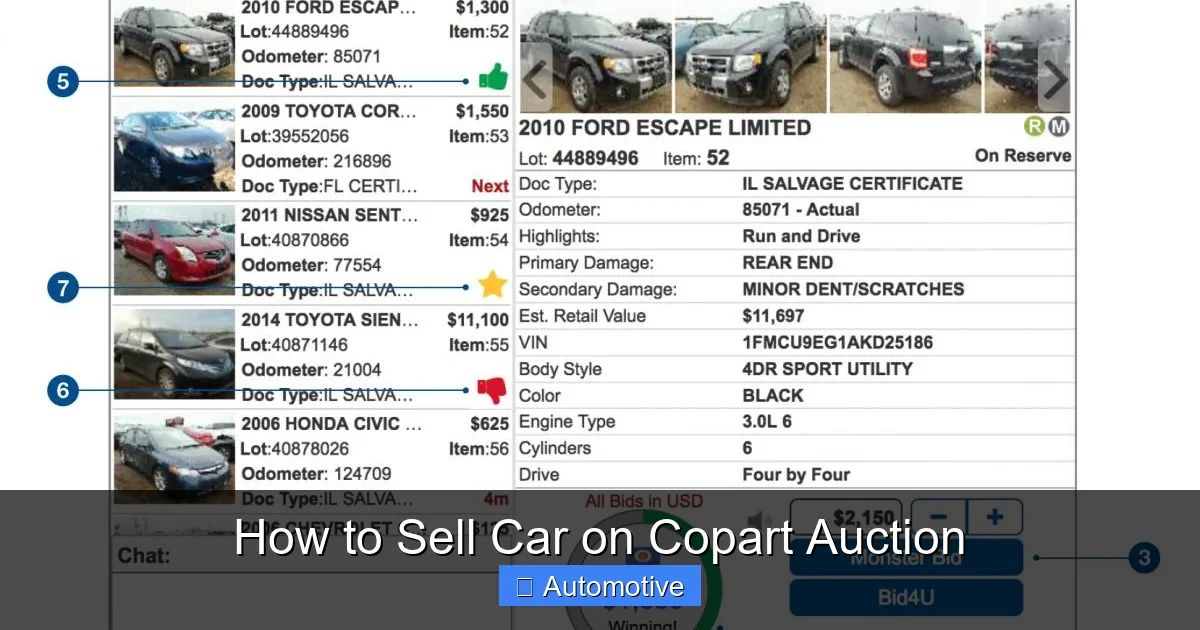
Selling a car on Copart isn’t complicated, but it does require attention to detail. Follow these steps to ensure a smooth and successful sale.
Step 1: Create and Verify Your Copart Account
Before you can list a vehicle, you need to register as a seller on Copart.com. Go to the “Seller Registration” page and choose the appropriate account type:
– **Business Account:** For dealers, repair shops, insurance companies, etc.
– **Individual Account:** For private sellers (note: availability may vary by state)
You’ll need to provide:
– Full name and contact information
– Business license or tax ID (for business accounts)
– Proof of identity (driver’s license or passport)
– Bank account details for payouts
Copart will review your application, which can take 1–3 business days. Once approved, you’ll receive login credentials and access to the seller portal.
Step 2: Gather Required Vehicle Documentation
Copart requires specific documents to list a vehicle. Missing paperwork can delay or cancel your listing. Here’s what you’ll need:
– **Vehicle Title:** Must be in your name or your company’s name. If the car has a salvage title, that’s perfectly fine—Copart specializes in these.
– **VIN (Vehicle Identification Number):** Copart will verify this against their database.
– **Odometer Disclosure:** Required for vehicles under 10 years old.
– **Release of Liability Form:** Some states require this when transferring ownership.
– **Power of Attorney (if applicable):** If someone else is listing the car on your behalf.
Pro tip: If you don’t have the title, contact your local DMV to obtain a duplicate. Copart will not accept vehicles without a valid title.
Step 3: Assess Your Vehicle’s Condition
Be honest about your car’s condition. Copart uses a standardized condition report system, and misrepresenting damage can lead to disputes or account suspension.
Key areas to evaluate:
– **Exterior Damage:** Dents, scratches, broken glass, frame damage
– **Interior Condition:** Stains, tears, missing parts, airbag deployment
– **Mechanical Issues:** Engine, transmission, electrical problems
– **Tire and Brake Wear:** Important for rebuilders
– **Flood or Fire Damage:** Must be disclosed
Take detailed notes and photos. Copart will assign a condition grade (from 1 to 5), but your description helps bidders make informed decisions.
Step 4: Take High-Quality Photos
Photos are your car’s first impression. Poor images can scare off bidders, even if the vehicle is valuable.
Follow these best practices:
– Use natural daylight—avoid flash or shadows
– Take at least 8–10 photos: front, rear, both sides, interior, engine bay, trunk, and close-ups of damage
– Include photos of the VIN sticker and odometer
– Show any missing parts or deployed airbags
Example: If your car has a smashed front end, take close-ups of the radiator, headlights, and bumper. If the airbags deployed, show that clearly. Transparency builds trust.
Step 5: Set a Competitive Reserve Price
The reserve price is the minimum amount you’re willing to accept. If bidding doesn’t meet this, the car won’t sell.
To set a smart reserve:
– Research similar vehicles on Copart (use the “Sold” filter)
– Consider the car’s make, model, year, mileage, and damage
– Factor in parts value—some buyers bid based on usable components
For example, a 2018 Honda Civic with front-end damage might sell for $3,000–$5,000 depending on engine condition. Setting a reserve at $2,500 could attract more bidders and still protect your bottom line.
You can also choose a “no-reserve” auction, where the highest bid wins regardless of amount. This often leads to faster sales but less control over final price.
Step 6: List Your Vehicle and Monitor Bidding
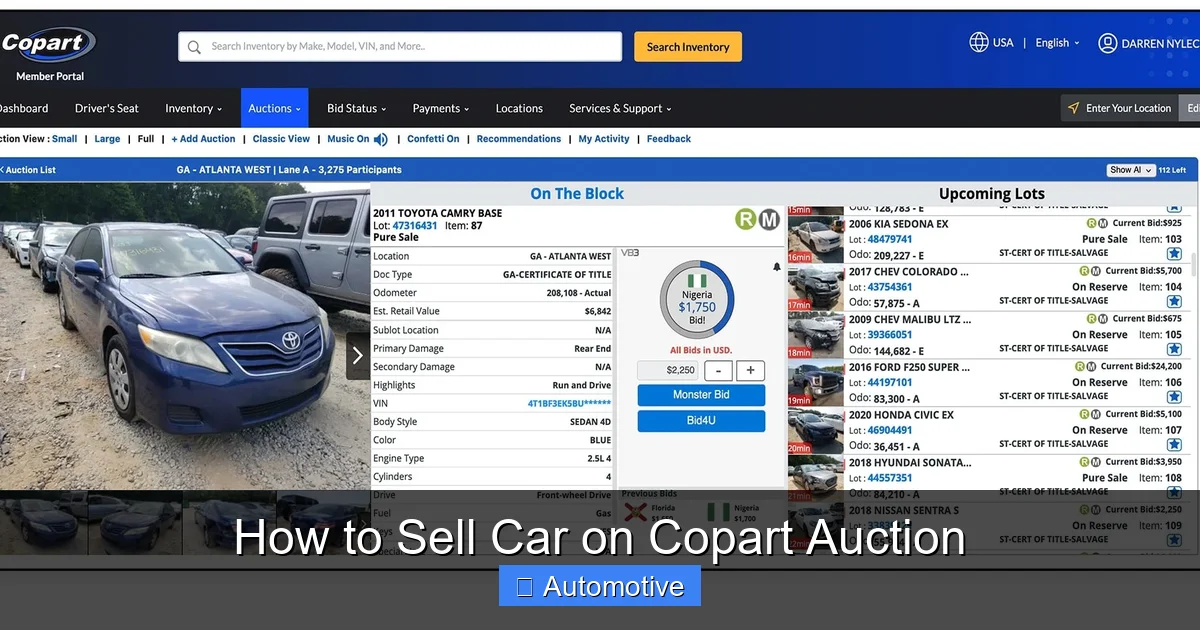
Once your listing is live, it will appear in Copart’s search results. Buyers can view photos, condition reports, and vehicle history (if available).
Auctions typically run for 5–7 days. During this time:
– Respond quickly to buyer questions
– Update the listing if new information arises
– Watch the bid count—high activity may indicate strong interest
Pro tip: List your car early in the week. Auctions ending on weekends often get more bids.
Step 7: Finalize the Sale and Handle Pickup
When the auction ends, Copart will notify you if the car sold. The buyer has 5–7 days to arrange pickup or shipping.
Your responsibilities:
– Provide the title and any required documents to the buyer
– Remove license plates (check your state’s laws)
– Ensure the vehicle is accessible for tow or transport
Copart handles payment processing. Once the buyer picks up the car, funds are released to your account—usually within 3–5 business days.
Understanding Copart Fees and Payouts
Visual guide about How to Sell Car on Copart Auction
Image source: copart.com
Like any auction platform, Copart charges fees. Knowing these upfront helps you price your vehicle accurately and avoid surprises.
Seller Fees Breakdown
Copart’s fees vary based on vehicle type, sale price, and location. Here’s a general overview:
– **Listing Fee:** $25–$50 (charged when you list the vehicle)
– **Sale Fee:** 5–10% of the final sale price (capped at a maximum, e.g., $1,500)
– **Title Processing Fee:** $15–$30 (if Copart handles title transfer)
– **Storage Fees:** $10–$20 per day after the pickup deadline (avoid these by coordinating timely removal)
Example: If you sell a car for $6,000:
– Listing fee: $35
– Sale fee (7%): $420
– Total fees: ~$455
– Net payout: ~$5,545
Fees are deducted automatically from your payout. You’ll receive a detailed invoice via email.
Payment Timeline
Copart releases funds after the buyer picks up the vehicle. This usually takes 3–5 business days. Payments are made via ACH transfer to your registered bank account.
Important: If the buyer fails to pick up the car within the deadline, the sale may be canceled, and you’ll need to relist. To avoid this, communicate clearly with the buyer and confirm pickup arrangements.
Tips to Maximize Your Sale Price

Visual guide about How to Sell Car on Copart Auction
Image source: copart.ca
Want to get the most money for your car? These proven strategies can help boost bids and attract serious buyers.
Be Transparent About Damage
Honesty builds trust. If your car has hidden damage (like frame issues or flood history), disclose it upfront. Buyers appreciate transparency and are more likely to bid confidently.
Example: Instead of saying “minor front damage,” write: “Front-end collision, radiator damaged, airbags deployed, engine turns over but won’t start.” This level of detail helps rebuilders assess value.
Highlight Usable Parts
Even a heavily damaged car may have valuable components. Mention working parts like:
– Good tires
– Functional transmission
– Intact interior (seats, dashboard)
– Undamaged rear end or trunk
Buyers often bid based on parts value, so this can significantly increase interest.
Choose the Right Auction Type
Copart offers several auction formats:
– **Live Auction:** Real-time bidding with a Copart representative
– **Timed Auction:** Bidding over a set period (most common)
– **Buy It Now:** Fixed price option (rare, but available for some listings)
For most sellers, a timed auction with a reasonable reserve works best. It allows time for bids to build and creates a sense of competition.
Time Your Listing Strategically
List your car when buyer activity is high. Avoid holidays or end-of-month periods when dealers may be low on inventory budgets. Mid-week listings often perform better.
Also, consider seasonal demand. Convertibles sell better in spring, while SUVs and trucks move faster in winter.
Use Copart’s Vehicle History Reports
If your car has a clean title and low mileage, consider ordering a vehicle history report (like Carfax) through Copart. This adds credibility and can justify a higher price.
Common Mistakes to Avoid
Even experienced sellers make errors. Avoid these pitfalls to ensure a smooth sale.
Listing Without a Title
Copart will not accept a vehicle without a valid title. If you’ve lost yours, order a duplicate from the DMV immediately. Don’t wait—this can delay your sale by weeks.
Overpricing the Reserve
Setting a reserve too high can scare off bidders. If no one believes the car is worth the minimum, they won’t bid. Research comparable sales and stay realistic.
Poor Photo Quality
Blurry, dark, or incomplete photos reduce buyer confidence. Invest 15 minutes to take clear, well-lit pictures from multiple angles.
Ignoring Buyer Questions
Buyers may ask about engine condition, transmission, or specific damage. Respond quickly and honestly. A lack of communication can kill a sale.
Failing to Arrange Pickup
Once the car sells, coordinate pickup promptly. Delays can lead to storage fees and frustrated buyers. Provide clear instructions for access and towing.
Who Benefits Most from Selling on Copart?
While anyone with a valid title can sell on Copart, certain groups benefit the most:
– **Insurance Companies:** Quickly liquidate totaled vehicles and recover costs.
– **Auto Repair Shops:** Dispose of unrepairable cars and free up lot space.
– **Towing Companies:** Sell impounded or abandoned vehicles efficiently.
– **Private Sellers with Salvage Cars:** Get fair market value without the hassle of private sales.
– **Exporters:** Access a global buyer base for shipping vehicles overseas.
Even if you’re not in one of these categories, Copart can be a great option if your car is damaged, non-running, or has a salvage title. It’s often faster and more profitable than selling privately or trading in.
Final Thoughts: Is Copart Right for You?
Selling a car on Copart auction is a smart choice if you have a vehicle that’s damaged, totaled, or simply not worth fixing. The platform offers speed, transparency, and access to a large pool of qualified buyers. With the right preparation—accurate documentation, honest condition reports, and strong photos—you can sell your car quickly and get a fair price.
Yes, there are fees and a learning curve, but the benefits often outweigh the challenges. Whether you’re clearing out a junker or managing an insurance claim, Copart provides a reliable, professional way to turn a non-running car into cash.
So, if you’ve been wondering how to sell car on Copart auction, now you know. Follow the steps, avoid common mistakes, and you’ll be on your way to a successful sale in no time.
Frequently Asked Questions
Can I sell a car with a salvage title on Copart?
Yes, Copart specializes in salvage, damaged, and non-running vehicles. A salvage title is not only acceptable—it’s expected. Just make sure you have the title in your name.
Do I need to be a dealer to sell on Copart?
No, private individuals can sell on Copart with an approved individual account. However, you must provide valid ID and title documentation.
How long does it take to get paid after the sale?
Copart releases funds 3–5 business days after the buyer picks up the vehicle. Payments are made via ACH transfer to your registered bank account.
What if my car doesn’t sell?
If the reserve isn’t met, the car won’t sell. You can relist it with a lower reserve or adjust the listing details to attract more bidders.
Can I sell a car that doesn’t run on Copart?
Absolutely. Copart regularly sells non-running, inoperable, and severely damaged vehicles. Just disclose the condition accurately in your listing.
Are there storage fees if the buyer doesn’t pick up the car?
Yes, Copart charges daily storage fees (typically $10–$20) if the buyer fails to pick up the vehicle within the allotted time. Communicate clearly to avoid delays.