
How to Sell Car in Oklahoma

Selling a car in Oklahoma doesn’t have to be stressful. With the right preparation, paperwork, and pricing strategy, you can complete the process smoothly and legally. This guide walks you through every step—from cleaning your car to signing over the title.
Thinking about selling your car in Oklahoma? Whether you’re upgrading to a newer model, downsizing, or just ready to part ways with your current ride, the process can be straightforward—if you know what to do. Selling a car isn’t just about posting a photo online and waiting for offers. It involves preparation, paperwork, smart pricing, and understanding Oklahoma’s specific rules. But don’t worry—this guide will walk you through every step so you can sell your car quickly, safely, and for the best possible price.
Oklahoma has its own set of regulations when it comes to vehicle sales, and skipping a step could lead to headaches down the road. From title transfers to odometer disclosures, there are legal requirements you must follow to protect yourself and the buyer. Plus, with the rise of online marketplaces, more people are selling privately than ever before. That means competition is high, and standing out requires more than just a good car—it takes strategy.
Key Takeaways
- Prepare your vehicle: Clean it inside and out, fix minor issues, and gather maintenance records to boost buyer confidence.
- Price it right: Use tools like Kelley Blue Book or Edmunds to research fair market value based on your car’s condition, mileage, and location.
- Gather required documents: You’ll need the title, bill of sale, odometer disclosure, and possibly a release of liability form.
- Advertise effectively: Use online platforms like Facebook Marketplace, Craigslist, or Autotrader with clear photos and a detailed description.
- Complete the sale legally: Sign the title correctly, provide a bill of sale, and notify the Oklahoma Tax Commission to avoid future liability.
- Choose safe payment methods: Cash, cashier’s checks, or bank transfers are safest; avoid personal checks or wire transfers from strangers.
- Transfer ownership promptly: The buyer must register the vehicle within 30 days, but you should file a release of liability immediately.
📑 Table of Contents
Step 1: Prepare Your Vehicle for Sale
Before you even think about listing your car, take time to get it in the best possible shape. First impressions matter, especially when buyers are scrolling through dozens of listings. A clean, well-maintained car not only looks better but also signals that it’s been cared for—something that can justify a higher price.
Clean Inside and Out
Start with a thorough wash and wax. Dirt, grime, and bird droppings can make even a nice car look neglected. Don’t forget the wheels and tires—use a tire shine product to give them a fresh, like-new appearance. Inside, vacuum every crevice, wipe down surfaces, and remove any personal items. Consider using an odor eliminator if there are lingering smells from pets, smoking, or food. A clean car feels more valuable, and buyers are more likely to offer closer to your asking price.
Address Minor Repairs
You don’t need to rebuild the engine, but fixing small issues can make a big difference. Replace burnt-out bulbs, fix cracked windshields (or at least get a quote), and top off fluids. If your brakes squeak or the check engine light is on, consider getting them checked. Even simple fixes like replacing worn wiper blades or fixing a loose door handle show attention to detail. According to a 2023 survey by CarGurus, cars with minor repairs completed sold 15% faster than those without.
Gather Maintenance Records
Buyers love transparency. If you’ve kept records of oil changes, tire rotations, brake jobs, or major repairs, gather them in a folder or digital file. This proves your car has been well-maintained and can ease concerns about hidden problems. If you don’t have physical receipts, check with your mechanic—many shops keep digital records. Including this info in your listing can set you apart from sellers who offer no documentation.
Take High-Quality Photos
Photos are your first chance to grab attention. Take pictures in natural daylight, preferably in a clean, uncluttered area. Shoot from multiple angles: front, back, sides, interior, trunk, and engine bay. Highlight any special features like leather seats, sunroof, or upgraded stereo. Avoid shadows, glare, or distracting backgrounds. A well-lit photo of the driver’s seat, showing minimal wear, can be just as convincing as a mechanic’s report.
Step 2: Determine the Right Price
Visual guide about How to Sell Car in Oklahoma
Image source: kfor.com
Pricing your car correctly is one of the most important steps in the selling process. Overprice it, and you’ll scare off buyers. Underprice it, and you’ll lose money. The goal is to find the sweet spot where your car is competitive but still reflects its true value.
Research Market Value
Start by using trusted pricing tools like Kelley Blue Book (KBB), Edmunds, or NADA Guides. Enter your car’s make, model, year, mileage, trim level, and condition. These tools will give you a range—typically “trade-in,” “private party,” and “dealer retail” values. For private sales, focus on the “private party” value. For example, a 2018 Honda Civic with 60,000 miles in good condition might be valued at $16,500 privately, but only $14,000 as a trade-in.
Adjust for Local Demand
Oklahoma’s market can differ from national averages. Rural areas might have higher demand for trucks or SUVs, while urban centers like Oklahoma City or Tulsa may favor fuel-efficient sedans. Check local listings on Facebook Marketplace or Craigslist to see what similar cars are selling for. If your car has low mileage, a clean title, or rare features (like all-wheel drive or a manual transmission), you can price it slightly higher.
Consider Timing
The time of year can affect demand. Convertibles sell better in spring and summer, while trucks and SUVs move faster in fall and winter. If you’re not in a rush, consider waiting for a better season. Also, end-of-month sales can be stronger as buyers look to make purchases before the month ends.
Be Realistic About Condition
Be honest about your car’s condition. If it has dents, stains, or mechanical issues, price it accordingly. A car with a rebuilt title or high mileage will sell for less than a clean, low-mileage example. Overstating condition can lead to lowball offers or failed inspections. It’s better to under-promise and over-deliver.
Step 3: Gather Required Documents
Visual guide about How to Sell Car in Oklahoma
Image source: pdffiller.com
Selling a car in Oklahoma requires specific paperwork. Missing a document can delay the sale or even lead to legal issues. Make sure you have everything ready before meeting with a buyer.
Vehicle Title
The title is the most important document. It proves you own the car and have the right to sell it. In Oklahoma, the title must be signed by the seller(s) in the presence of a notary if there are multiple owners. If your title is lost, you can request a duplicate from the Oklahoma Tax Commission (OTC) for a small fee. Allow a few weeks for processing.
Bill of Sale
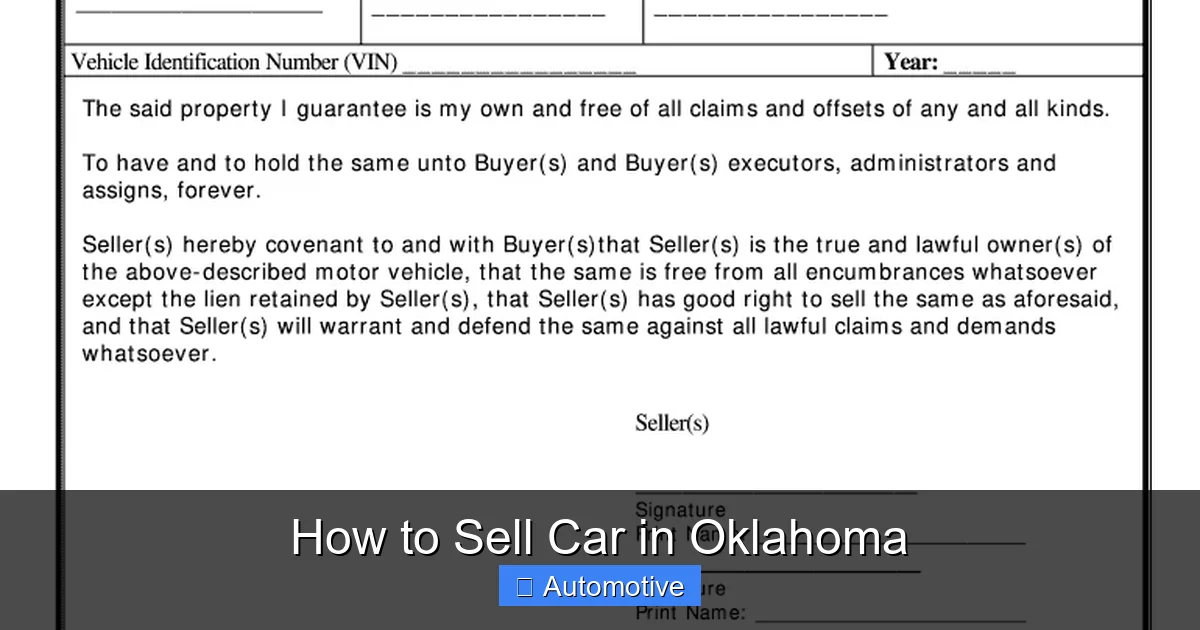
While not always required, a bill of sale is highly recommended. It serves as a legal record of the transaction and includes details like the sale price, date, and both parties’ information. Oklahoma doesn’t have a standardized form, but you can find free templates online. Include the VIN, odometer reading, and a statement that the car is sold “as-is” unless you’re offering a warranty.
Odometer Disclosure
Federal law requires you to disclose the vehicle’s mileage at the time of sale. This must be done on the title itself or on a separate odometer disclosure form. If the odometer is broken or the mileage is unknown, you must indicate that clearly. Failure to disclose can result in fines or legal action.
Release of Liability
After the sale, you must file a release of liability with the OTC. This protects you from future tickets, tolls, or accidents involving the car. You can submit it online, by mail, or in person. Include the buyer’s name, address, sale date, and VIN. Do this within 10 days of the sale to avoid complications.
Emissions and Safety Inspections
Unlike some states, Oklahoma does not require emissions or safety inspections for private vehicle sales. However, some buyers may request one for peace of mind. If your car is newer or in excellent condition, offering a recent inspection report can boost buyer confidence.
Step 4: Advertise Your Car Effectively
Once your car is ready and priced, it’s time to find a buyer. The way you advertise can make or break your sale. A great listing attracts serious buyers and reduces time on the market.
Choose the Right Platforms
Popular options include Facebook Marketplace, Craigslist, Autotrader, and Cars.com. Facebook Marketplace is especially effective in Oklahoma due to its large local user base. Craigslist is free but requires more caution due to scams. Autotrader and Cars.com charge fees but attract serious buyers. Consider listing on multiple platforms to increase visibility.
Write a Compelling Description
Your listing should be clear, honest, and detailed. Start with a strong headline: “2018 Honda Civic EX – Low Miles, Clean Title, Excellent Condition.” In the description, include:
– Year, make, model, and trim
– Mileage and engine size
– Key features (sunroof, backup camera, etc.)
– Recent repairs or maintenance
– Reason for selling
– Any flaws (be upfront to build trust)
Avoid vague terms like “great car” or “runs good.” Instead, say “new tires installed in March 2024” or “passed inspection with no issues.”
Set a Fair Asking Price
List your car at or slightly above your target price to allow room for negotiation. For example, if you want $16,000, list it at $16,500. Most buyers expect to negotiate, so starting high gives you flexibility. Avoid pricing too low—it can raise suspicions about hidden problems.
Respond Promptly to Inquiries
Check your messages daily and respond within 24 hours. Be polite and professional. Answer questions honestly and offer to schedule a test drive. If a buyer seems hesitant, ask what’s holding them back—they might just need reassurance.
Step 5: Complete the Sale Safely
When a buyer is ready to purchase, it’s time to finalize the deal. Safety and legality are key during this step.
Meet in a Safe Location
Choose a public place like a police station parking lot, bank, or busy shopping center. Avoid meeting at your home or late at night. Bring a friend if possible. Some police departments in Oklahoma even offer “safe exchange zones” with surveillance cameras.
Verify Payment
Cash is the safest option for amounts under $1,000. For larger sums, use a cashier’s check from a local bank. Verify the check with the issuing bank before handing over the car. Avoid personal checks, money orders, or wire transfers—they can be fraudulent. If using an electronic transfer, ensure the funds are cleared before releasing the vehicle.
Sign the Title Correctly
On the back of the title, fill in the buyer’s name, address, sale price, and odometer reading. Sign your name exactly as it appears on the front. If you’re married and both names are on the title, both must sign. Use blue or black ink—no pencil or corrections.
Provide a Bill of Sale
Hand the buyer a completed bill of sale. Keep a copy for your records. Include both parties’ contact information and a statement that the car is sold “as-is” unless otherwise agreed.
Remove License Plates
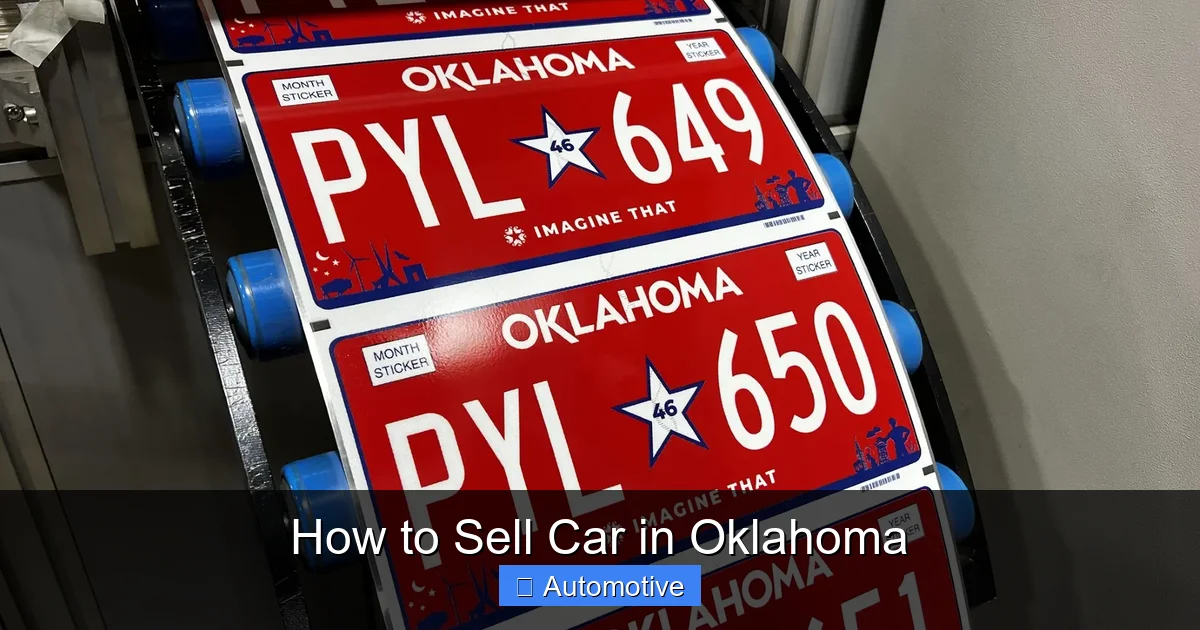
In Oklahoma, license plates stay with the seller, not the car. Remove them before handing over the keys. The buyer will need to register the vehicle and get new plates. Keep your old plates—you can reuse them on your next car.
Step 6: Finalize the Transfer and Protect Yourself
After the sale, your responsibilities aren’t over. Taking a few final steps ensures a smooth transition and protects you from future liability.
File a Release of Liability
Submit the release of liability form to the OTC within 10 days. You can do this online at the OTC website. Include the buyer’s name, address, sale date, and VIN. This step is crucial—without it, you could be held responsible for tickets or accidents involving the car.
Cancel Your Insurance
Contact your insurance company to cancel or adjust your policy. You don’t need to insure a car you no longer own. If you’re buying a new vehicle, you can often transfer coverage, but make sure there’s no gap in protection.
Keep Records
Store copies of the bill of sale, title, and release of liability for at least three years. These documents can help resolve disputes or prove the sale if questions arise later.
Notify Your Lender (If Applicable)
If you still owe money on the car, contact your lender immediately. The sale proceeds must first pay off the loan. If the sale price is less than the loan balance, you’ll need to cover the difference. If it’s more, the lender will send you the surplus.
Common Mistakes to Avoid
Even experienced sellers make errors. Here are some pitfalls to watch out for:
Skipping the Release of Liability
This is the #1 mistake. Failing to file it can leave you liable for future violations. Always submit it promptly.
Accepting Risky Payment Methods
Personal checks can bounce, and wire transfers are hard to reverse. Stick to cash or verified cashier’s checks.
Not Checking the Buyer’s ID
Always ask for a valid driver’s license and verify the name matches the bill of sale. This prevents fraud and ensures the buyer is legitimate.
Overlooking the Odometer Disclosure
This is a federal requirement. Even if your odometer is accurate, you must disclose the reading. Omit it, and you could face penalties.
Pricing Too High or Too Low
Extreme pricing turns buyers away. Use research to find a fair, competitive price.
Conclusion
Selling a car in Oklahoma doesn’t have to be complicated. With proper preparation, accurate pricing, and attention to legal details, you can complete the process smoothly and securely. Start by cleaning and repairing your vehicle, then research its value and gather all necessary documents. Advertise it effectively on trusted platforms, and when a buyer is ready, meet safely and finalize the sale with correct paperwork. Don’t forget to file a release of liability and cancel your insurance. By following these steps, you’ll not only sell your car faster but also protect yourself from future issues. Whether you’re in Tulsa, Oklahoma City, or a small town, the principles remain the same—be honest, be prepared, and be safe.
Frequently Asked Questions
Do I need a bill of sale to sell a car in Oklahoma?
While not legally required, a bill of sale is highly recommended. It provides proof of the transaction and includes important details like the sale price, date, and both parties’ information. It can help resolve disputes and is often requested by buyers.
Can I sell my car in Oklahoma if I still owe money on it?
Yes, but the loan must be paid off first. The sale proceeds should go toward the loan balance. If the sale price is less than what you owe, you’ll need to cover the difference. Contact your lender before the sale to understand the process.
How long does it take to sell a car in Oklahoma?
It varies, but most cars sell within 2–6 weeks if priced correctly and advertised well. Factors like condition, demand, and seasonality play a role. A clean, well-maintained car with good photos typically sells faster.
Do I need to provide a warranty when selling a car in Oklahoma?
No, private sellers in Oklahoma are not required to offer a warranty. Most cars are sold “as-is,” meaning the buyer accepts the vehicle in its current condition. Be clear about this in your listing to avoid misunderstandings.
What happens if I lose my car title in Oklahoma?
You can request a duplicate title from the Oklahoma Tax Commission. The process takes a few weeks and requires a fee. You’ll need to provide your name, VIN, and proof of identity. Start the process early to avoid delays.
Can I sell my car to a dealership in Oklahoma?
Yes, many dealerships buy used cars directly from owners. The process is faster than private sales, but you’ll likely get less money. Dealers need to resell the car for a profit, so their offers are typically lower than private party prices.