
What Do I Need to Sell a Car in Missouri

what do i need to sell a car in missouri is an essential topic that provides valuable insights and practical knowledge for anyone interested in learning more about this subject.
Key Takeaways
- Clear title: Ensure you have the vehicle’s title with no liens before selling.
- Complete bill of sale: Fill out a notarized bill of sale for legal protection.
- Odometer disclosure: Provide accurate mileage reading as required by Missouri law.
- Release liability: Submit a Notice of Sale form to the DMV to avoid future responsibility.
- Valid ID and registration: Have your driver’s license and current registration ready.
- Smog check not required: Missouri does not mandate emissions testing for private sales.
📑 Table of Contents
- What Do I Need to Sell a Car in Missouri
- Essential Documents You Need to Sell a Car in Missouri
- Understanding Missouri’s Title Transfer Process
- How to Price Your Car Competitively in Missouri
- Selling Your Car Privately vs. Trading It In
- Tips for a Safe and Successful Car Sale in Missouri
- Common Mistakes to Avoid When Selling a Car in Missouri
- Final Thoughts: Selling Your Car in Missouri Made Simple
What Do I Need to Sell a Car in Missouri
So, you’ve decided it’s time to sell your car in Missouri. Maybe you’re upgrading to something newer, downsizing, or just ready for a change. Whatever the reason, selling a car can feel overwhelming—especially if you’ve never done it before. You might be wondering: What do I actually need to sell a car in Missouri? Is it as simple as putting up a “For Sale” sign and waiting for a buyer? Not quite.
The good news? Selling a car in Missouri isn’t rocket science, but it does require some preparation, paperwork, and a bit of know-how. From gathering the right documents to understanding state-specific rules, there are several steps that can make the process smoother, faster, and more secure—for both you and the buyer. Whether you’re selling privately or trading in at a dealership, knowing what’s required helps you avoid headaches, legal issues, and even scams.
In this guide, we’ll walk you through everything you need to sell a car in Missouri—step by step. We’ll cover the essential documents, legal requirements, pricing tips, and even how to safely complete the transaction. Think of this as your friendly, no-nonsense roadmap to selling your car with confidence. So grab a cup of coffee, and let’s get started.
Essential Documents You Need to Sell a Car in Missouri
Before you even think about listing your car online or meeting with a buyer, you need to make sure you have the right paperwork in order. In Missouri, certain documents are legally required to transfer ownership of a vehicle. Missing even one can delay the sale or cause problems down the road. Let’s break down what you absolutely need.
Visual guide about What Do I Need to Sell a Car in Missouri
Image source: static.overfuel.com
Vehicle Title (Certificate of Ownership)
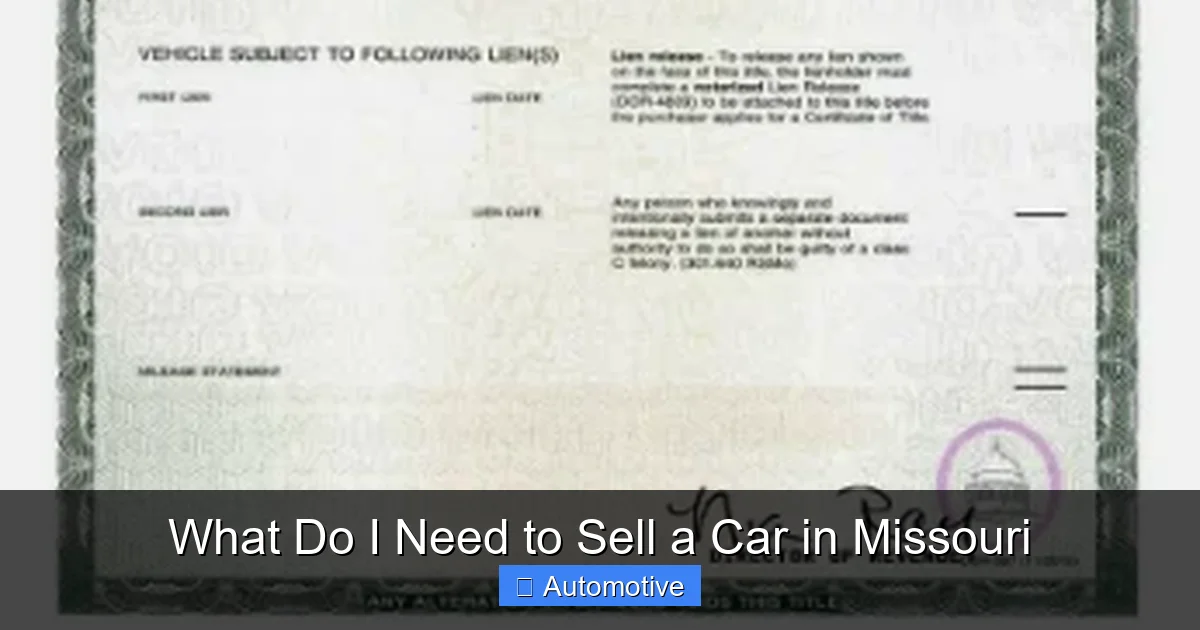
The most important document when selling a car in Missouri is the vehicle title. This is the legal proof that you own the car. Without it, you can’t transfer ownership—no exceptions. The title must be in your name, and it should be free of liens (meaning no outstanding loans or debts tied to the vehicle).
If your car is still financed, you’ll need to pay off the loan before you can sell it. The lender will then release the lien and send you the title. In some cases, you can arrange for the buyer to pay the lender directly at closing, but this requires coordination and trust. Most private sellers prefer to clear the title first to simplify the process.
Pro Tip: If your title is lost or damaged, you can request a duplicate from the Missouri Department of Revenue (DOR). You’ll need to fill out Form 4803 and pay a small fee. Don’t wait until the last minute—processing can take a few weeks.
Bill of Sale
While not always required by law, a bill of sale is highly recommended when selling a car in Missouri. This document records the sale details, including the buyer’s and seller’s names, addresses, vehicle information (make, model, VIN, year), sale price, and date of transfer. It protects both parties by creating a clear record of the transaction.
Missouri doesn’t have a standardized bill of sale form, but you can easily create one using free templates available online. Make sure it includes all the key details and is signed by both parties. Keep a copy for your records—just in case.
Example: Let’s say you’re selling a 2018 Honda Civic to a neighbor. Your bill of sale should list your name and address, their name and address, the VIN (19XFC2F59JE123456), the sale price ($12,500), and the date. Both of you sign it, and you’re good to go.
Odometer Disclosure Statement
Federal law requires an odometer disclosure for vehicles under 10 years old. This means you must state the current mileage on the title or a separate form at the time of sale. It’s a way to prevent odometer fraud and ensure transparency.
In Missouri, the odometer disclosure is typically included on the back of the title. You’ll need to fill in the mileage and sign it. If the car is 10 years or older, this step isn’t required—but it’s still a good idea to include it for clarity.
Release of Liability Form
After you sell your car, you’re still legally responsible for it until the buyer registers it in their name. That’s why Missouri requires you to submit a Release of Liability form to the DOR. This form notifies the state that you’re no longer the owner, which protects you from tickets, tolls, or accidents caused by the new owner.
You can file this form online through the Missouri DOR website or mail it in. It’s free and takes just a few minutes. Be sure to do this within 30 days of the sale—otherwise, you could face penalties.
Smog and Emissions Certificate (If Applicable)
Unlike some states, Missouri does not require a smog or emissions test for most vehicles. However, if your car is registered in certain counties (like St. Louis, St. Charles, or Jefferson), it may need an emissions inspection every two years. If your car is due for inspection, it’s a good idea to get it done before selling—especially if you’re listing it in one of those areas.
Buyers will appreciate a clean inspection report, and it can help your car sell faster. If your car fails, you’ll need to fix the issues before completing the sale.
Understanding Missouri’s Title Transfer Process
Once you’ve gathered your documents, the next step is transferring the title to the buyer. This is where many sellers get confused. How exactly does it work? What does the buyer need to do? Let’s walk through the process so you know what to expect.
Completing the Title Correctly
The buyer will need to register the car in their name, but you’re responsible for properly signing over the title. On the back of the Missouri title, you’ll find a section for the seller to sign. Make sure you:
- Print your name clearly
- Sign in the designated area
- Fill in the sale price (this affects the buyer’s tax liability)
- Include the odometer reading (if required)
- Date the transfer
Important: Never leave blank spaces on the title. If a section doesn’t apply, write “N/A” or draw a line through it. Incomplete titles can be rejected by the DOR.
What the Buyer Needs to Do
After you sign the title, the buyer must take it to a Missouri license office to complete the transfer. They’ll need to bring:
- The signed title
- A valid ID
- Proof of insurance
- Payment for registration and taxes
Missouri charges a 4.225% sales tax on vehicle purchases, based on the sale price or the vehicle’s fair market value (whichever is higher). The buyer is responsible for this tax, but you should be aware of it when negotiating the price.
Avoiding Common Title Mistakes
One of the biggest mistakes sellers make is signing the title incorrectly. For example, signing in the wrong spot, using a nickname instead of your legal name, or forgetting to include the sale price. These errors can delay the transfer and require you to get a new title—costing time and money.
Real-Life Example: Sarah sold her 2015 Toyota Camry to a college student. She signed the title but forgot to write the sale price. The buyer took it to the license office, but the clerk rejected it. Sarah had to request a duplicate title and resubmit the paperwork—adding two weeks to the process.
To avoid this, double-check the title before handing it over. If you’re unsure, ask the buyer to review it with you or consult the Missouri DOR website for guidance.
How to Price Your Car Competitively in Missouri
Now that you’ve got your paperwork in order, it’s time to figure out how much to ask for your car. Pricing it right is crucial—too high, and it sits on the market for months; too low, and you lose money. So, how do you find that sweet spot?
Research Local Market Values
The first step is to research what similar cars are selling for in your area. Use trusted websites like Kelley Blue Book (KBB), Edmunds, or NADA Guides. These tools let you input your car’s make, model, year, mileage, condition, and location to get a fair market value.
But don’t stop there. Check local listings on Craigslist, Facebook Marketplace, or Autotrader to see what real buyers are paying in Missouri. A 2020 Ford F-150 might go for $35,000 in Kansas City but only $32,000 in Springfield due to demand and regional differences.
Pro Tip: Look at cars with similar mileage and condition. A 2019 Honda Accord with 40,000 miles will sell for more than one with 80,000 miles—even if they’re the same model.
Factor in Your Car’s Condition
Be honest about your car’s condition. Is it in excellent shape with new tires and a clean interior? Or does it have dents, scratches, or mechanical issues? Adjust your price accordingly.
For example, if KBB says your 2017 Chevrolet Malibu is worth $14,000 in “good” condition, but yours has a cracked windshield and needs brake work, you might price it at $12,500 to account for repairs.
Buyers appreciate transparency. If you disclose issues upfront, they’re more likely to trust you and make an offer.
Consider Timing and Demand
The time of year can affect how quickly your car sells. Convertibles and sports cars tend to move faster in spring and summer, while SUVs and trucks are in higher demand in fall and winter. If you’re in a hurry, consider pricing slightly below market value to attract buyers quickly.
Also, think about local events. If there’s a major auto show or college graduation season in your area, more people might be looking to buy.
Use a Pricing Strategy
Here are a few pricing strategies to consider:
- Market Value Pricing: Set your price at the average market value. This is safe and fair.
- Quick Sale Pricing: Price 5–10% below market value to sell fast.
- Premium Pricing: If your car is in exceptional condition or has rare features, price slightly above market—but be prepared to negotiate.
Example: You have a 2016 Subaru Outback with low mileage and a full service history. KBB says it’s worth $16,000. You price it at $15,500 to attract interest but leave room for negotiation. A buyer offers $15,000, and you settle at $15,200—everyone wins.
Selling Your Car Privately vs. Trading It In
When it comes to selling your car in Missouri, you have two main options: sell it privately or trade it in at a dealership. Each has pros and cons, and the best choice depends on your priorities—whether that’s getting the most money, saving time, or avoiding hassle.
Private Sale: More Money, More Work
Selling your car privately typically gets you the highest price. Since you’re cutting out the middleman, you can keep the full sale amount. For example, if your car is worth $18,000, you might sell it for $17,500 privately—compared to a trade-in offer of $15,000 from a dealer.
But private sales require more effort. You’ll need to:
- Create ads and take photos
- Respond to inquiries
- Schedule test drives
- Handle negotiations
- Complete all the paperwork
You’ll also need to be cautious about scams. Only meet buyers in public places, avoid cashier’s checks from unknown sources, and never hand over the title until payment is secure.
Trade-In: Convenience Over Cash
Trading in your car at a dealership is much easier. You drive in, get an appraisal, and apply the value toward a new purchase. It’s quick, hassle-free, and you don’t have to deal with strangers or paperwork.
However, trade-in values are usually lower because dealers need to make a profit when they resell the car. You might get $2,000–$3,000 less than a private sale.
When to Trade In: If you’re buying another car and want to simplify the process, trading in can be worth the trade-off. Some dealers also offer incentives, like tax savings on the new purchase, which can offset the lower value.
Hybrid Option: Sell to a Car Buying Service
Another option is selling to a car buying service like CarMax, Carvana, or Vroom. These companies offer instant online quotes and will buy your car directly—no listing or negotiating required. The offer is usually lower than a private sale but higher than a trade-in.
It’s a good middle ground if you want a quick, secure sale without the hassle of private listings.
Tips for a Safe and Successful Car Sale in Missouri
Selling a car isn’t just about paperwork and pricing—it’s also about safety and trust. Whether you’re meeting a buyer for a test drive or accepting payment, there are steps you can take to protect yourself and ensure a smooth transaction.
Prepare Your Car for Sale
First impressions matter. A clean, well-maintained car sells faster and for more money. Take the time to:
- Wash and wax the exterior
- Vacuum and detail the interior
- Replace burnt-out bulbs
- Fix minor issues (like a cracked mirror or worn wipers)
- Gather maintenance records
Consider getting a pre-sale inspection from a trusted mechanic. This shows buyers the car is in good shape and can justify a higher price.
Create a Compelling Listing
Your ad should be clear, honest, and eye-catching. Include:
- High-quality photos (exterior, interior, engine, tires)
- Key details: year, make, model, mileage, condition
- Features: sunroof, navigation, backup camera, etc.
- Reason for selling
- Contact information
Avoid vague descriptions like “runs great” or “needs TLC.” Be specific: “New brakes installed in March 2024,” or “Minor scratch on rear bumper, barely noticeable.”
Stay Safe During Test Drives
Always meet buyers in a public, well-lit area—like a police station parking lot or busy shopping center. Never let a stranger drive your car alone. Either go with them or have a friend accompany you.
Ask to see the buyer’s driver’s license and verify it matches their name. You can also ask for a small deposit (like $100) to hold the car while they arrange financing.
Accept Secure Payment Methods
Cash is the safest option for private sales. If the amount is large, meet at a bank so the buyer can withdraw cash in front of you.
Avoid personal checks, money orders, or wire transfers unless you’re certain they’re legitimate. Scammers often use fake checks that bounce after you’ve handed over the car.
Example: A buyer offers to pay with a cashier’s check for $14,000. You deposit it, and it clears—but a week later, the bank says it’s fraudulent. You’ve lost the car and the money. Stick to cash or verified bank transfers.
Complete the Transaction Properly
Once payment is secure, hand over the keys, title, and any extra items (like spare keys or manuals). Make sure the buyer understands they need to register the car within 30 days.
Don’t forget to remove your license plates—Missouri requires you to keep them. You can reuse them on your next vehicle or return them to the DOR.
Common Mistakes to Avoid When Selling a Car in Missouri
Even with the best intentions, sellers often make avoidable mistakes that cost time, money, or peace of mind. Here are some of the most common pitfalls—and how to avoid them.
Not Checking for Liens
If your car has a lien (loan), you can’t sell it until it’s paid off. Failing to check can lead to a failed sale or legal trouble. Always verify your title status with your lender or the DOR before listing.
Forgetting to File the Release of Liability
This is a big one. If you don’t submit the Release of Liability form, you could be held responsible for parking tickets, tolls, or accidents caused by the new owner. It’s free and easy—don’t skip it.
Overpricing or Underpricing
Pricing too high turns buyers away. Pricing too low means losing money. Use research and be realistic about your car’s value.
Ignoring Safety Precautions
Meeting strangers alone, accepting risky payment methods, or letting someone drive off with your car are all dangerous. Always prioritize safety.
Not Keeping Records
Save copies of the bill of sale, title, and Release of Liability form. You may need them if a dispute arises later.
Here’s a quick reference table of key requirements:
| Requirement | Needed? | Notes |
|---|---|---|
| Vehicle Title | Yes | Must be lien-free and properly signed |
| Bill of Sale | Recommended | Protects both parties; not legally required |
| Odometer Disclosure | Yes (if under 10 years old) | Required by federal law |
| Release of Liability | Yes | Must be filed within 30 days of sale |
| Emissions Test | No (except in certain counties) | Check local requirements |
Final Thoughts: Selling Your Car in Missouri Made Simple
Selling a car in Missouri doesn’t have to be stressful. With the right preparation, you can complete the process smoothly, safely, and profitably. Start by gathering your documents—title, bill of sale, odometer disclosure, and Release of Liability form. Price your car fairly based on local market research, and choose the selling method that best fits your needs.
Whether you go private, trade in, or sell to a buying service, remember that honesty, transparency, and safety are key. Take photos, be upfront about condition, and always meet buyers in public. And don’t forget to file that Release of Liability—it’s a small step that protects you from big problems.
At the end of the day, selling your car is about more than just money. It’s about making a smart, informed decision that sets you up for your next adventure—whether that’s a new vehicle, a road trip, or just a little extra cash in your pocket. So take a deep breath, follow this guide, and sell with confidence. You’ve got this.
Frequently Asked Questions
What documents do I need to sell a car in Missouri?
To sell a car in Missouri, you’ll need a signed title with the buyer’s information, a bill of sale, and an odometer disclosure if the vehicle is less than 10 years old. Make sure the title is free of liens and properly notarized if required.
Do I need a vehicle inspection to sell a car in Missouri?
Missouri does not require a safety or emissions inspection to sell a car, but some buyers may request one for peace of mind. It’s a good idea to disclose any known issues to avoid disputes after the sale.
Can I sell a car in Missouri without a title?
No, you must have a valid title to legally sell a car in Missouri. If your title is lost, you can apply for a duplicate through the Missouri Department of Revenue before listing the vehicle.
What is a bill of sale, and do I need one when selling a car in Missouri?
A bill of sale is a legal document that records the transfer of ownership and sale price. While not required by Missouri law, it’s highly recommended to protect both buyer and seller and may be needed for registration.
How do I release liability when selling a car in Missouri?
After selling your car, submit a Notice of Sale form to the Missouri Department of Revenue within 30 days. This protects you from liability for tickets or accidents involving the vehicle after the sale.
Can I sell a car in Missouri if I still owe money on it?
You can sell a car with an outstanding loan, but the lien must be paid off before or at the time of sale. Coordinate with your lender to ensure the title is released to the buyer after payment.