
How to Sell a Car in Mn

Selling a car in Minnesota doesn’t have to be stressful. With the right preparation, pricing, and paperwork, you can sell your vehicle quickly and safely. This guide walks you through every step—from cleaning your car to signing over the title—so you can get the best deal with confidence.
So, you’ve decided it’s time to sell your car in Minnesota. Maybe you’re upgrading to something newer, downsizing, or just ready for a change. Whatever the reason, selling a car can feel overwhelming—especially if you’ve never done it before. But don’t worry. With a little planning and the right approach, you can sell your car quickly, safely, and for a fair price.
Minnesota has its own set of rules and best practices when it comes to selling a vehicle. From title transfers to safety inspections, there are specific steps you need to follow to make the process legal and smooth. Whether you’re selling a used sedan, an SUV, or even a classic truck, this guide will walk you through everything you need to know. We’ll cover how to price your car, prepare it for sale, find buyers, handle paperwork, and close the deal without headaches.
By the end of this article, you’ll feel confident and ready to sell your car in MN like a pro. Let’s get started.
Key Takeaways
- Know your car’s value: Use tools like Kelley Blue Book or Edmunds to price your vehicle fairly based on condition, mileage, and market trends.
- Prepare your paperwork: Gather the title, maintenance records, and a completed Bill of Sale to make the transaction smooth and legal.
- Clean and detail your car: A clean, well-maintained vehicle sells faster and for a higher price—don’t skip the basics like washing, vacuuming, and minor repairs.
- Advertise effectively: Use online platforms like Craigslist, Facebook Marketplace, or Autotrader, and include clear photos and an honest description.
- Meet buyers safely: Always meet in public places, bring a friend, and avoid sharing personal information until you’re ready to close the deal.
- Complete the title transfer correctly: Sign the title properly, provide a Bill of Sale, and notify the MN DMV within 10 days to avoid liability.
- Consider selling to a dealer or online buyer: If you want speed over top dollar, trade-ins or companies like CarMax or Carvana offer fast, hassle-free options.
📑 Table of Contents
Step 1: Determine Your Car’s Value
Before you list your car for sale, you need to know how much it’s worth. Pricing your vehicle correctly is one of the most important steps in the selling process. If you price it too high, buyers will pass it by. If you price it too low, you’ll lose money. The goal is to find that sweet spot where your car is competitive but still reflects its true value.
Use Online Valuation Tools
Start by checking reputable online pricing guides. Websites like Kelley Blue Book (KBB), Edmunds, and NADA Guides allow you to enter your car’s make, model, year, mileage, condition, and features to get an estimated value. These tools consider current market trends, so they’re a great starting point.
For example, if you have a 2018 Honda CR-V with 60,000 miles in good condition, KBB might suggest a private party sale price between $18,000 and $20,000. That range gives you room to negotiate while staying realistic.
Compare Similar Listings
Next, look at what similar cars are selling for in your area. Check local listings on Craigslist, Facebook Marketplace, and Autotrader. Pay attention to cars with similar mileage, condition, and features. If most 2018 CR-Vs in Minneapolis are listed around $19,500, that’s a strong indicator of what buyers are willing to pay.
Don’t forget to factor in your car’s unique condition. If yours has new tires, a recent brake job, or a clean interior, you might be able to ask for a bit more. On the flip side, if there are dents, mechanical issues, or high mileage, you may need to adjust your price downward.
Consider Market Conditions
The used car market can fluctuate based on supply, demand, and even the season. For instance, convertibles and sports cars tend to sell better in spring and summer, while SUVs and trucks are more popular in fall and winter—especially in Minnesota, where snow and ice make all-wheel drive a big selling point.
Also, keep an eye on national trends. If there’s a shortage of new cars due to supply chain issues, used car prices may be higher. Conversely, if the market is flooded with used vehicles, you might need to be more competitive with your pricing.
Step 2: Gather and Prepare Your Paperwork

Visual guide about How to Sell a Car in Mn
Image source: claycountymn.gov
Once you’ve priced your car, it’s time to get your documents in order. Having the right paperwork ready will make the sale process faster and help build trust with potential buyers. It also ensures you’re following Minnesota state laws.
Title and Registration
The most important document is your car’s title. In Minnesota, the title must be signed over to the buyer at the time of sale. Make sure the title is in your name and that there are no liens (outstanding loans) on the vehicle. If there is a lien, you’ll need to pay it off before selling or work with the lender to transfer ownership.
If you’ve lost your title, you can request a duplicate from the Minnesota Department of Public Safety (DPS) by filling out Form PS2000 and paying a small fee. It’s best to do this well before listing your car.
Your current registration isn’t required for the sale, but it’s helpful to have on hand. It shows the car is legally registered and up to date.
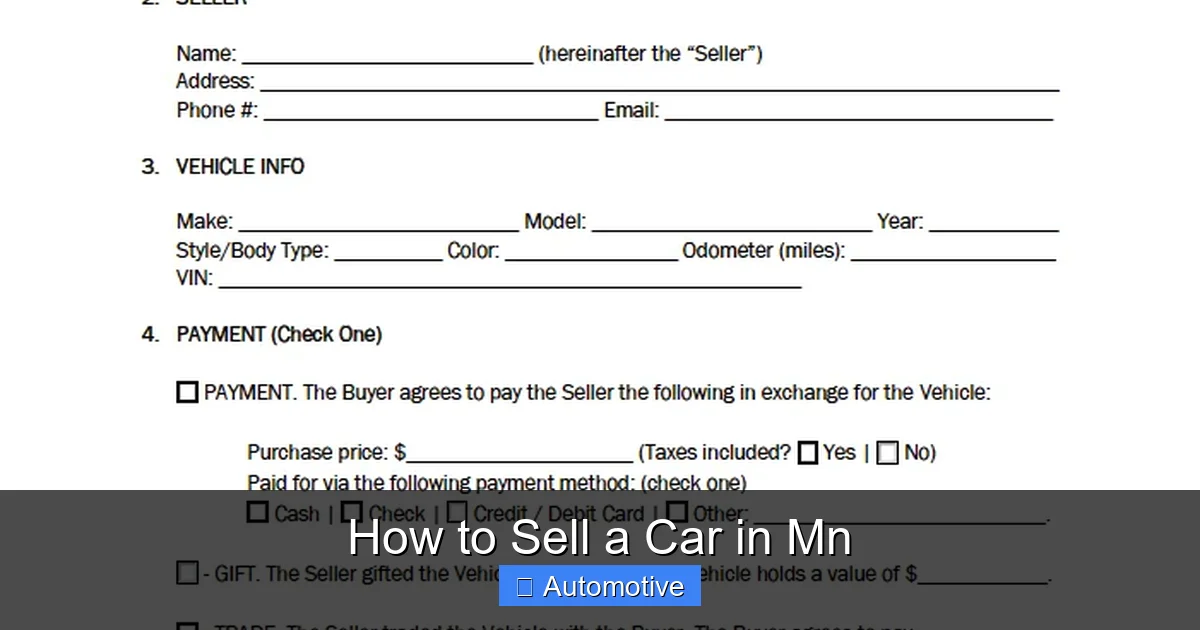
Bill of Sale
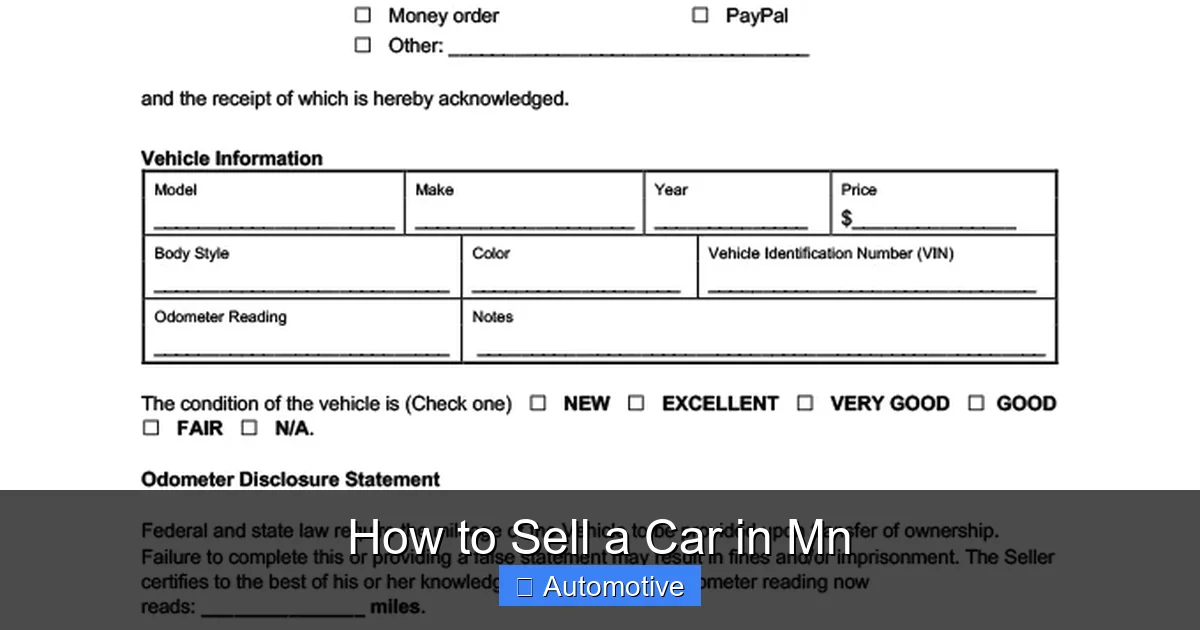
While not always required, a Bill of Sale is highly recommended. It’s a legal document that records the sale, including the buyer’s and seller’s names, the vehicle’s details (VIN, make, model, year), sale price, and date of transfer. Minnesota doesn’t have a standard form, but you can find free templates online or use one provided by the DPS.
Having a Bill of Sale protects both you and the buyer. It proves the transaction took place and can help resolve disputes later.
Maintenance and Repair Records
Buyers love seeing a well-documented history. Gather any receipts, service records, or repair logs you have. This shows the car has been cared for and can justify a higher price. For example, if you’ve kept up with oil changes, brake replacements, and tire rotations, mention that in your listing.
If you don’t have records, consider getting a recent inspection or oil change before selling. It’s a small investment that can pay off in buyer confidence.
Odometer Disclosure
Federal law requires you to disclose the vehicle’s mileage at the time of sale. This must be included on the title or a separate odometer disclosure statement. Be honest—tampering with odometer readings is illegal and can lead to serious penalties.
Step 3: Clean and Detail Your Car
Visual guide about How to Sell a Car in Mn
Image source: b1498432.smushcdn.com
First impressions matter—especially when selling a car. A clean, well-maintained vehicle not only looks better in photos but also signals to buyers that the car has been cared for. Think of it as staging your car for sale, just like you would a house.
Exterior Cleaning
Start with a thorough wash. Use car-specific soap and a microfiber cloth to avoid scratches. Pay attention to the wheels, tires, and wheel wells—dirt and brake dust can build up and make the car look neglected.
If your car has minor scratches or swirl marks, consider using a polish or scratch remover. For deeper dents or paint damage, you might want to get a professional estimate. Even small repairs can increase your car’s value.
Don’t forget the windows. Clean both the inside and outside with a glass cleaner for a streak-free shine. Foggy or dirty windows can make the car look older than it is.
Interior Detailing
The inside of your car is just as important. Vacuum the seats, carpets, and floor mats. Remove any trash, food wrappers, or personal items. If you have fabric seats, consider using a fabric cleaner to remove stains. For leather seats, use a conditioner to keep them soft and prevent cracking.
Clean the dashboard, console, and door panels with a damp cloth. Wipe down the steering wheel and gear shift. If there are odors—like smoke, pets, or food—use an odor eliminator or place an open box of baking soda in the car for a few days.
Minor Repairs and Upgrades
You don’t need to spend a fortune, but small fixes can make a big difference. Replace burnt-out light bulbs, fix wiper blades, and top off fluids like windshield washer and coolant. If the air filter is dirty, swap it out—it’s cheap and shows you’ve maintained the engine.
Consider replacing worn floor mats or adding a new air freshener. These small touches make the car feel newer and more inviting.
Take High-Quality Photos
Once your car is clean, take photos from multiple angles. Use natural light and avoid shadows. Capture the front, back, sides, interior, trunk, and engine bay. Close-ups of the wheels, dashboard, and any special features (like sunroof or premium audio) can also help.
Avoid using filters or editing tools that misrepresent the car’s condition. Honesty builds trust, and buyers appreciate transparency.
Step 4: Advertise Your Car Effectively
Visual guide about How to Sell a Car in Mn
Image source: legaltemplates.net
Now that your car is priced, prepped, and photographed, it’s time to find a buyer. The key is to reach as many potential buyers as possible while presenting your car in the best light.
Choose the Right Platforms
There are several places to list your car in Minnesota. Each has its pros and cons:
– **Craigslist:** Free and widely used, but requires caution. Scams and lowball offers are common.
– **Facebook Marketplace:** Easy to use and integrates with your social network. Great for local buyers.
– **Autotrader and Cars.com:** More professional platforms with wider reach, but may charge listing fees.
– **Local classifieds:** Newspapers or community boards can still attract buyers, especially in smaller towns.
For most sellers, a combination of Craigslist and Facebook Marketplace works well. They’re free, easy to use, and popular in Minnesota cities like Minneapolis, St. Paul, and Duluth.
Write a Compelling Ad
Your listing should be clear, honest, and informative. Start with a strong headline that includes the year, make, model, and key selling points (e.g., “2018 Honda CR-V AWD – Low Miles, Excellent Condition”).
In the description, include:
– Mileage
– Condition (excellent, good, fair)
– Features (AWD, sunroof, backup camera, etc.)
– Recent maintenance or repairs
– Reason for selling
– Any known issues (be upfront—this builds trust)
Avoid vague terms like “runs great” or “must see.” Instead, be specific: “New tires installed 3 months ago,” or “Passed MN safety inspection in January.”
Set a Fair Price and Be Open to Negotiation
Price your car competitively based on your research. Most buyers will try to negotiate, so consider pricing slightly above your target to leave room. For example, if you want $19,000, list it at $19,500.
Be prepared to answer questions and provide additional photos or information. Respond promptly to inquiries—buyers often move quickly.
Step 5: Safely Meet and Test Drive with Buyers
When a buyer shows interest, it’s time to meet. Safety should be your top priority, especially when dealing with strangers.
Choose a Safe Location
Always meet in a public place during daylight hours. Good options include:
– Police station parking lots (many have designated “safe exchange zones”)
– Shopping mall parking lots
– Busy gas stations or rest areas
Avoid meeting at your home or in isolated areas. Let a friend or family member know where you’re going and when you expect to return.
Bring a Friend
Never meet a buyer alone. Bring someone with you for safety and support. They can help inspect the car, take notes, or even ride along during a test drive.
Prepare for the Test Drive
Most buyers will want to test drive the car. Before they do:
– Verify their driver’s license is valid and matches their ID.
– Ask them to sign a test drive agreement (available online) that limits your liability.
– Accompany them during the drive, or have your friend ride along.
During the drive, point out key features and answer questions honestly. If the buyer wants to take the car to a mechanic for an inspection, that’s a good sign—they’re serious and cautious.
Handle Payment Securely
Once the buyer is ready to purchase, discuss payment. Cash is the safest option for private sales, but it can be risky to carry large amounts. Alternatively, use a cashier’s check from a local bank (verify it’s legitimate) or an electronic transfer.
Avoid personal checks—they can bounce. If the buyer insists on financing, they’ll likely need to secure a loan from their bank or credit union.
Step 6: Complete the Sale and Transfer Ownership
The final step is transferring ownership legally and protecting yourself from future liability.
Sign the Title Correctly
On the back of the title, fill in the buyer’s name, address, sale price, and odometer reading. Both you and the buyer must sign. Make sure the signatures match the names on the front of the title.
In Minnesota, the seller must also complete the “Notice of Sale” section on the title. This alerts the DMV that the vehicle has been sold.
Provide a Bill of Sale
Give the buyer a signed Bill of Sale. Keep a copy for your records. This document should include:
– Names and addresses of buyer and seller
– Vehicle details (VIN, make, model, year)
– Sale price
– Date of sale
– Signatures
Remove License Plates
In Minnesota, license plates stay with the seller, not the vehicle. Remove the plates before handing over the car. You can transfer them to a new vehicle or return them to the DMV.
Notify the DMV
Within 10 days of the sale, you must notify the Minnesota DMV that you’ve sold the vehicle. You can do this online, by mail, or in person. This step is crucial—it releases you from liability if the buyer gets a ticket or is involved in an accident before registering the car.
To notify the DMV, submit a completed Notice of Sale form (PS2000) along with a copy of the title and Bill of Sale.
Cancel Insurance
Once the car is sold, contact your insurance company to cancel or transfer coverage. Don’t wait—you’re still responsible for accidents or damages until the policy is updated.
Alternative Selling Options
If the private sale process feels too time-consuming or risky, consider these alternatives:
Sell to a Dealer
Trading in your car at a dealership is fast and convenient. While you’ll likely get less money than a private sale, the trade-in value can be applied to your new purchase, reducing taxes and paperwork.
Dealers in Minnesota, like those in the Twin Cities or Rochester, often offer free appraisals. Just be prepared to negotiate.
Sell to an Online Buyer
Companies like CarMax, Carvana, and Vroom buy used cars directly from owners. They offer online quotes, free vehicle inspections, and quick payments. These services are ideal if you want a hassle-free sale, even if the offer is slightly lower.
Auction Your Car
For unique or high-value vehicles, consider selling at an auction. Minnesota has several auto auction houses that cater to dealers and private sellers. This option works best for classic cars, trucks, or vehicles in excellent condition.
Conclusion
Selling a car in Minnesota doesn’t have to be complicated. By following these steps—pricing your car fairly, preparing it thoroughly, advertising effectively, meeting buyers safely, and completing the paperwork correctly—you can sell your vehicle with confidence and get a great deal.
Remember, the key to a successful sale is preparation and honesty. Clean your car, gather your documents, and be transparent about its condition. Whether you choose a private sale, trade-in, or online buyer, taking the time to do it right will save you stress and help you walk away satisfied.
So go ahead—list that car, meet some buyers, and enjoy the freedom that comes with a successful sale. Your next adventure is just around the corner.
Frequently Asked Questions
Do I need a safety inspection to sell a car in Minnesota?
No, Minnesota does not require a safety inspection for private car sales. However, if the buyer plans to register the vehicle in Minnesota, they may need to pass an emissions test in certain counties, like Hennepin or Ramsey.
Can I sell my car if I still owe money on it?
Yes, but you’ll need to pay off the loan first or work with your lender to transfer ownership. The title cannot be signed over until the lien is released.
How long do I have to notify the DMV after selling my car?
You must notify the Minnesota DMV within 10 days of the sale. Use the Notice of Sale form (PS2000) to avoid liability for any issues after the transfer.
Should I accept a personal check for the sale?
It’s not recommended. Personal checks can bounce. Use cash, a cashier’s check from a local bank, or an electronic transfer for safer payment.
Can I sell my car without a title in Minnesota?
No, you must have a valid title to sell a car. If you’ve lost it, request a duplicate from the DPS before listing your vehicle.
What happens if the buyer doesn’t register the car?
If you’ve properly notified the DMV and completed the title transfer, you’re not liable. However, always keep copies of the Bill of Sale and Notice of Sale for your records.
