
Do You Need a Notary to Sell a Car in Louisiana

Selling a car in Louisiana often requires notarization, especially when transferring the title to a new owner. While not every step demands a notary, certain documents—like the bill of sale or title transfer—must be notarized to be legally valid. Understanding these rules helps you avoid delays, fines, or legal issues.
Key Takeaways
- Notarization is often required: Louisiana law typically requires the vehicle title to be notarized when sold, especially if the seller is signing over ownership.
- Bill of sale may need a notary: While not always mandatory, having the bill of sale notarized adds legal protection for both buyer and seller.
- Out-of-state sellers have different rules: If you’re selling from another state, Louisiana may still require notarization for certain documents to be accepted.
- Power of attorney needs notarization: If someone else is selling the car on your behalf, that document must be notarized.
- Private sales vs. dealerships: Dealerships handle most paperwork, but private sellers must ensure notarization where required.
- Penalties for skipping notarization: Failing to notarize required documents can result in rejected title transfers or legal disputes.
- Find a notary easily: Notaries are available at banks, UPS stores, law offices, and some DMV locations across Louisiana.
📑 Table of Contents
Do You Need a Notary to Sell a Car in Louisiana?
Selling a car in Louisiana might seem straightforward—hand over the keys, sign the title, and collect your payment. But if you’re not familiar with the state’s specific legal requirements, you could run into unexpected hurdles. One of the most common questions people ask is: *Do you need a notary to sell a car in Louisiana?* The short answer is: **yes, in most cases, you do.**
Louisiana has unique civil law traditions that influence how vehicle sales are processed. Unlike many other states, Louisiana often requires notarized signatures on key documents, especially when transferring ownership. This extra step helps prevent fraud, ensures authenticity, and protects both the buyer and seller. While it might feel like an added hassle, notarization is a small price to pay for peace of mind and legal compliance.
Whether you’re selling a used sedan to a neighbor or trading in your SUV at a dealership, understanding when and why notarization is needed can save you time, money, and stress. In this guide, we’ll walk you through everything you need to know about notarizing documents when selling a car in Louisiana—from the legal requirements to practical tips for getting it done right.
Understanding Louisiana’s Vehicle Title Transfer Process
Visual guide about Do You Need a Notary to Sell a Car in Louisiana
Image source: i.pinimg.com
Before diving into notarization, it’s important to understand how vehicle title transfers work in Louisiana. The title is the legal document that proves ownership of the vehicle. When you sell your car, you must transfer that title to the new owner. This process is handled through the Louisiana Office of Motor Vehicles (OMV).
The basic steps include:
– Completing the title certificate with the buyer’s information
– Signing over the title
– Providing a bill of sale
– Paying applicable taxes and fees
– Submitting the paperwork to the OMV
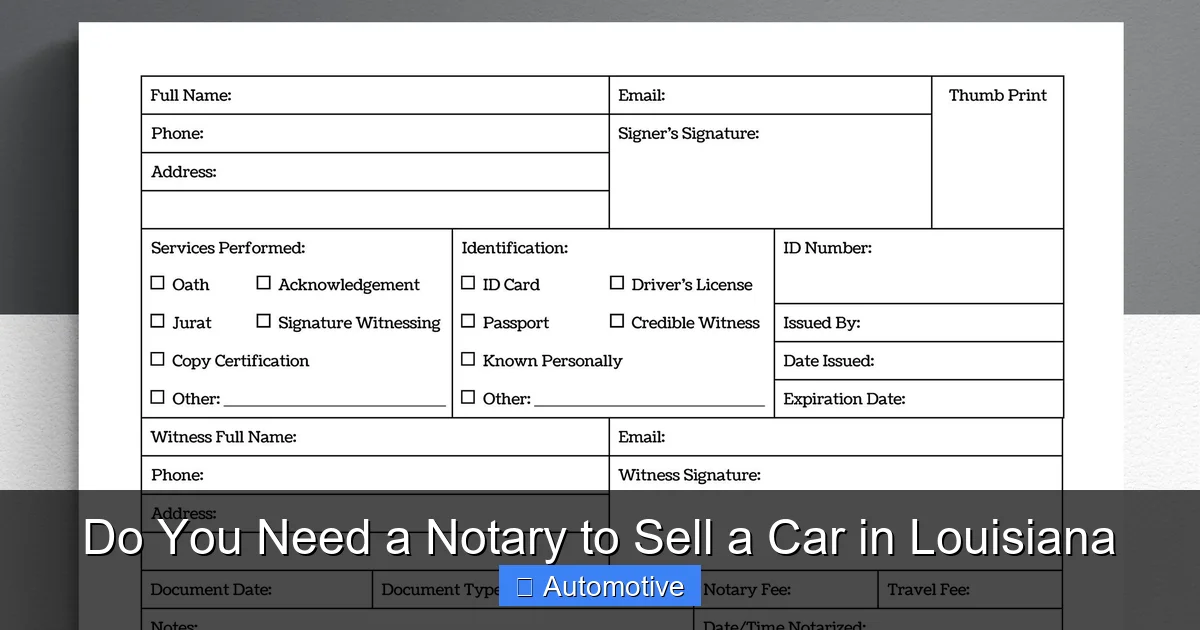
Now, here’s where notarization comes in. In Louisiana, the **title transfer must be notarized** if the seller is signing over the vehicle. This means your signature on the title must be witnessed and certified by a licensed notary public. Without this, the OMV will likely reject the transfer.
Let’s say you’re selling your 2018 Honda Civic to a friend in Baton Rouge. You fill out the title, enter their name as the new owner, and sign it. But if that signature isn’t notarized, the OMV won’t process the transfer. Your friend can’t register the car, get insurance, or drive it legally. That’s why notarization isn’t optional—it’s a legal necessity.
Why Louisiana Requires Notarization
You might wonder why Louisiana is stricter than other states. The reason lies in the state’s legal system. Louisiana follows a civil law tradition, influenced by French and Spanish legal codes, rather than the common law system used in most of the U.S. This means the state places a higher emphasis on formal documentation and notarization to validate transactions.
Notarization acts as a safeguard against fraud. It confirms that the person signing the document is who they claim to be and that they’re doing so willingly. In vehicle sales, this is crucial. Car fraud—like selling a car you don’t own or forging signatures—is a real risk. By requiring notarization, Louisiana reduces these risks and protects consumers.
Additionally, notarized documents are more likely to be accepted by courts if a dispute arises. For example, if a buyer claims they never received the title, a notarized bill of sale can serve as strong evidence that the transaction was completed properly.
What Happens If You Skip Notarization?
Skipping notarization might seem like a shortcut, but it can lead to serious problems. The OMV will reject the title transfer if the required signatures aren’t notarized. This means the buyer can’t register the vehicle, and the seller remains legally responsible for it—even if the car is long gone.
Imagine this scenario: You sell your car without notarizing the title. The buyer drives off, but a week later, the OMV sends you a notice saying the transfer was incomplete. Now you’re stuck. You have to track down the buyer, get them to sign again, and find a notary—all while potentially facing late fees or penalties.
Worse, if the buyer gets into an accident or commits a traffic violation, you could be held liable because your name is still on the title. Notarization helps ensure a clean, legal transfer of ownership. It’s not just about following rules—it’s about protecting yourself.
When Is Notarization Required When Selling a Car?
Visual guide about Do You Need a Notary to Sell a Car in Louisiana
Image source: emmanuelbaccelli.org
Not every document in a car sale needs to be notarized, but several key ones do. Let’s break down exactly when you need a notary in Louisiana.
Title Transfer
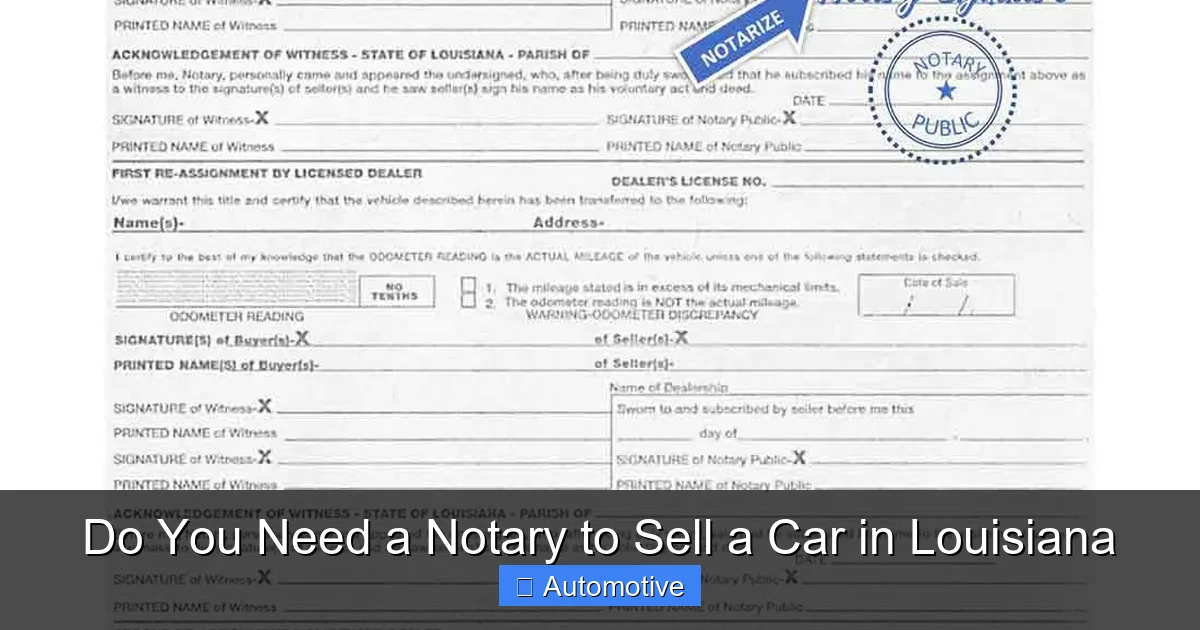
This is the most critical document. When you sell your car, you must sign the title over to the buyer. In Louisiana, **this signature must be notarized**. The notary will verify your identity, watch you sign, and stamp the document with their official seal.
Important note: Both the seller and buyer may need to sign, depending on the situation. If the buyer is financing the car or registering it in their name, their signature might also need to be notarized—especially if they’re using a power of attorney.
Bill of Sale
While Louisiana doesn’t always require a bill of sale, it’s highly recommended. A bill of sale is a written record of the transaction, including the vehicle’s details, sale price, and date. It protects both parties by proving the sale took place.
Now, here’s the catch: **Louisiana law does not require the bill of sale to be notarized**, but many buyers and sellers choose to have it notarized anyway. Why? Because a notarized bill of sale is harder to dispute and carries more legal weight. If there’s ever a disagreement about the sale price or terms, a notarized document is much stronger evidence.
For example, if you sell your car for $10,000 but the buyer later claims they paid $8,000, a notarized bill of sale with the correct amount can settle the issue quickly.
Power of Attorney
Sometimes, the seller can’t be present to sign the title—maybe they’re out of state, traveling, or unable to travel. In these cases, they can appoint someone else to act on their behalf using a power of attorney (POA).
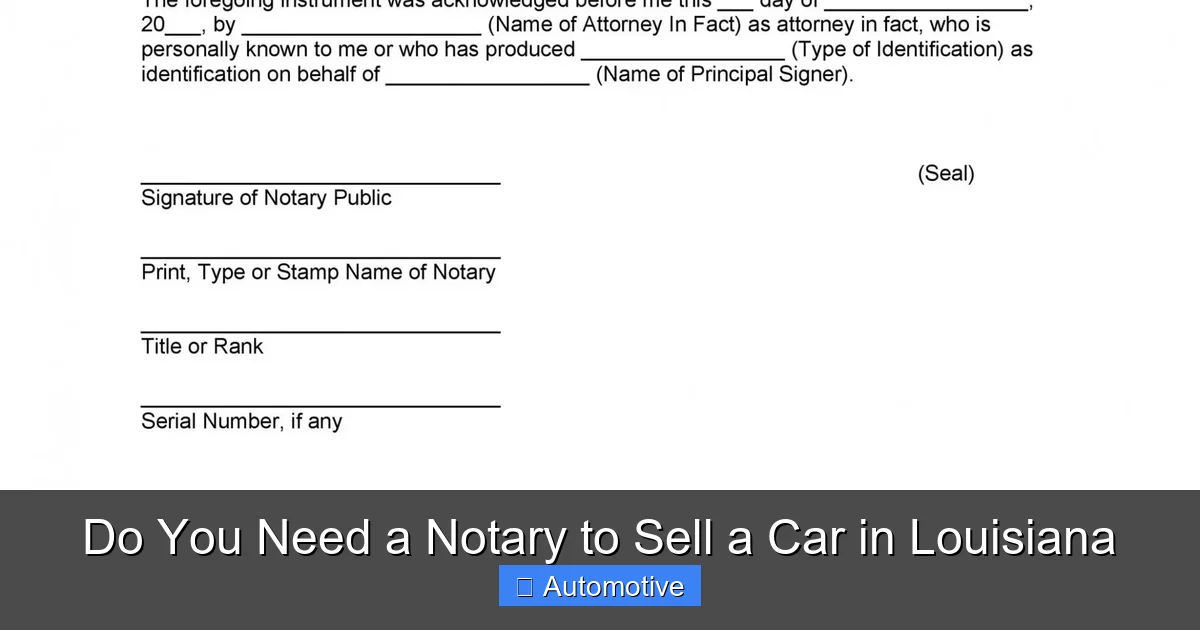
But here’s the rule: **any power of attorney used in a vehicle sale must be notarized**. This is non-negotiable. The notary ensures that the person granting the authority (the seller) is doing so voluntarily and understands what they’re signing.
Without a notarized POA, the OMV won’t accept the document, and the sale can’t proceed. So if you’re authorizing your brother to sell your car while you’re on vacation, make sure he gets the POA notarized before heading to the DMV.
Odometer Disclosure Statement
Federal law requires sellers to disclose the vehicle’s mileage at the time of sale. This is usually done on the title or a separate form. In Louisiana, while the odometer statement itself doesn’t always need to be notarized, it must be signed by the seller.
If the seller’s signature on the odometer statement is part of the title transfer, then it falls under the same notarization rule. So if you’re signing the title and the odometer statement together, both signatures should be notarized.
Release of Liability
After selling your car, you should file a release of liability with the OMV. This form tells the state that you’re no longer responsible for the vehicle. While this document doesn’t typically require notarization, it’s still important to submit it promptly.
However, if you’re mailing the form or submitting it through a third party, having it notarized can help ensure it’s processed without issues. It’s an extra layer of protection, especially if there’s a delay in processing.
Notarization for Private Sales vs. Dealership Sales
Visual guide about Do You Need a Notary to Sell a Car in Louisiana
Image source: cashforcars.com
The need for notarization can vary depending on whether you’re selling privately or trading in your car at a dealership. Let’s compare the two.
Private Car Sales
When you sell your car directly to another person—like a friend, family member, or stranger you met online—you’re responsible for handling all the paperwork. This means you must ensure that the title is properly signed and notarized.
In a private sale, both parties usually meet in person. You bring the title, they bring cash or a cashier’s check. You sign the title, they sign if needed, and then you both go to a notary to get it stamped.
Some sellers and buyers choose to meet at a bank or UPS store where notaries are available. This makes the process quick and convenient. Just make sure the notary is licensed in Louisiana—out-of-state notaries may not be accepted.
Dealership Sales or Trade-Ins
If you’re selling your car to a dealership or trading it in for a new one, the process is different. Dealerships have trained staff who handle the paperwork, including notarization.
When you trade in your car, the dealer will typically:
– Take possession of your vehicle
– Handle the title transfer
– Notarize the necessary documents
– Submit everything to the OMV
In this case, you may still need to sign the title, but the dealer will often have a notary on-site or arrange for one. This saves you the hassle of finding a notary yourself.
However, it’s still a good idea to double-check that everything is done correctly. Ask to see the notarized title before you leave. This ensures the transfer is complete and protects you from future liability.
Out-of-State Sellers
What if you’re selling a car in Louisiana but live in another state? The rules can get a bit tricky.
If you’re an out-of-state resident selling a car to someone in Louisiana, the Louisiana buyer will still need to register the vehicle in Louisiana. That means the title transfer must comply with Louisiana’s notarization requirements.
Even if your home state doesn’t require notarization, Louisiana does. So you’ll need to get the title notarized—either in your home state (if the notary is authorized to handle Louisiana documents) or in Louisiana before the sale.
Some notaries in other states are familiar with Louisiana’s requirements and can help. But to be safe, it’s best to have the document notarized in Louisiana. You can mail the signed title to the buyer, who can then take it to a Louisiana notary with you on a video call (if allowed), or you can travel to Louisiana to complete the process in person.
How to Get Documents Notarized in Louisiana
Now that you know notarization is required, the next step is figuring out how to get it done. The good news is, notaries are widely available across Louisiana.
Where to Find a Notary
You can find licensed notaries at:
– Banks and credit unions (often free for customers)
– UPS Stores and FedEx Office locations (usually for a small fee)
– Law offices and title companies
– Some DMV offices (check ahead of time)
– Mobile notaries (who come to your home or office)
Most notaries charge a small fee—typically $5 to $15 per signature. Some banks offer free notarization for account holders, so it’s worth checking with your bank first.
What to Bring to the Notary
When you go to get your documents notarized, make sure you have:
– The original title and any other documents to be signed
– A valid government-issued photo ID (like a driver’s license or passport)
– The buyer (if they need to sign)
– Cash or payment method for the notary fee
The notary will:
1. Verify your identity using your ID
2. Confirm that you understand the document
3. Watch you sign
4. Stamp and sign the document with their official seal
Never sign the document before meeting the notary. They must witness the signing in person.
Tips for a Smooth Notarization
– Schedule an appointment if possible, especially at busy locations like UPS stores.
– Double-check the document for errors before notarizing—mistakes can delay the process.
– Make sure all required fields are filled out.
– If you’re unsure about anything, ask the notary or consult the OMV website.
Common Mistakes to Avoid
Even with the best intentions, people make mistakes when selling cars in Louisiana. Here are some common pitfalls to avoid.
Signing Before Notarization
One of the biggest mistakes is signing the title before meeting the notary. The notary must witness the signature. If you sign in advance, they can’t notarize it—even if you’re present.
Using an Expired or Invalid ID
The notary needs to verify your identity. If your driver’s license is expired or you don’t have a photo ID, they can’t proceed. Make sure your ID is current and valid.
Not Completing the Title Correctly
Filling out the title incorrectly—like writing the wrong sale price or misspelling the buyer’s name—can cause delays. Use blue or black ink, print clearly, and double-check all information.
Forgetting the Bill of Sale
While not always required, skipping the bill of sale is risky. It’s a simple document that protects both parties. Include the VIN, sale price, date, and both parties’ information.
Not Filing a Release of Liability
After the sale, file a release of liability with the OMV. This protects you if the buyer gets a ticket or causes an accident before registering the car.
Conclusion
So, do you need a notary to sell a car in Louisiana? The answer is clear: **yes, in most cases, you do.** Notarization is a key part of the vehicle title transfer process, especially for private sales. It ensures the transaction is legal, authentic, and protected from fraud.
While it might seem like an extra step, notarization saves you from potential headaches down the road. It prevents rejected title transfers, legal disputes, and liability issues. Whether you’re selling to a friend or trading in at a dealership, taking the time to get your documents notarized is a smart move.
Remember, notaries are easy to find, and the process is quick and affordable. Bring your ID, the signed documents, and a few dollars, and you’ll be done in minutes. By following Louisiana’s notarization requirements, you can sell your car with confidence—knowing the transfer is done right.
Frequently Asked Questions
Do I need a notary to sell a car in Louisiana?
Yes, in most cases you do. Louisiana law requires the seller’s signature on the vehicle title to be notarized when transferring ownership. This ensures the transaction is legal and protects both parties.
Is a bill of sale required in Louisiana?
A bill of sale is not legally required in Louisiana, but it is highly recommended. While it doesn’t always need to be notarized, having it notarized adds legal protection and proof of the sale.
Can I sell my car without notarizing the title?
No, you cannot. The Louisiana OMV will reject a title transfer if the seller’s signature is not notarized. This means the buyer can’t register the vehicle, and you remain legally responsible for it.
Do both the buyer and seller need to sign in front of a notary?
Typically, only the seller’s signature needs to be notarized. However, if the buyer is signing a power of attorney or other legal document, that signature may also require notarization.
Where can I find a notary in Louisiana?
Notaries are available at banks, UPS stores, law offices, and some DMV locations. Many offer the service for a small fee, and some banks provide it free to customers.
What happens if I don’t notarize the title when selling my car?
If you don’t notarize the title, the OMV will reject the transfer. The buyer can’t register the car, and you could remain liable for tickets, accidents, or other issues involving the vehicle.
