
What Paperwork Do I Need to Sell My Car in Georgia

Selling a car in Georgia requires specific documents to ensure a legal and smooth transaction. From the vehicle title to a bill of sale and odometer disclosure, having the right paperwork protects both you and the buyer. This guide walks you through every form you’ll need, step by step.
Selling your car in Georgia might seem straightforward, but missing even one piece of paperwork can lead to delays, legal issues, or even financial liability down the road. Whether you’re upgrading to a newer model, downsizing, or simply ready to part ways with your current vehicle, knowing exactly what documents you need is crucial. Georgia has specific rules and requirements designed to protect both buyers and sellers, and understanding them can save you time, stress, and money.
Unlike some states that allow verbal agreements or minimal documentation, Georgia takes vehicle transfers seriously. The process involves more than just handing over the keys and a handshake. From verifying ownership to reporting the sale to the state, each step plays a role in ensuring the transaction is legal and complete. This guide will walk you through every document you need, explain why it matters, and offer practical tips to make the process as smooth as possible. Whether you’re selling privately or trading in at a dealership, being prepared is your best strategy.
Key Takeaways
- Vehicle Title: You must have a clear, signed title in your name to legally transfer ownership in Georgia.
- Bill of Sale: While not always required by the state, a bill of sale protects both parties and is recommended for all private sales.
- Odometer Disclosure Statement: Required for vehicles under 10 years old to prevent fraud and ensure accurate mileage reporting.
- Release of Liability Form: Filing this with the Georgia Department of Revenue (DOR) protects you from future tickets or accidents after the sale.
- Emissions and Safety Inspections: Depending on your county, a valid emissions or safety inspection may be required before transfer.
- Valid ID and Proof of Insurance: Both buyer and seller should bring identification; the buyer must show proof of insurance to complete the transfer.
- Loan Payoff Documentation (if applicable): If your car has an outstanding loan, you’ll need to coordinate with your lender to release the title.
📑 Table of Contents
- 1. The Vehicle Title: Your Most Important Document
- 2. Bill of Sale: Protecting Both Buyer and Seller
- 3. Odometer Disclosure Statement: Honesty Is the Law
- 4. Release of Liability: Protecting Yourself After the Sale
- 5. Emissions and Safety Inspections: Know Your County’s Rules
- 6. Additional Documents and Practical Tips
- Final Thoughts: A Smooth Sale Starts with Preparation
1. The Vehicle Title: Your Most Important Document
The vehicle title is the cornerstone of any car sale in Georgia. It’s the legal proof that you own the car and have the right to sell it. Without a properly signed and transferred title, the buyer cannot register the vehicle in their name, and you remain legally responsible for it.
What to Look for on the Title
When you receive your title from the Georgia Department of Revenue (DOR), it should list your name as the registered owner. If you’re married and the car is jointly owned, both names should appear. The title also includes the vehicle identification number (VIN), make, model, year, and lienholder information (if applicable). Before selling, double-check that all details are accurate. A typo in the VIN or name could cause problems during transfer.
How to Sign the Title Correctly
Signing the title might seem simple, but doing it wrong can invalidate the transfer. On the back of the title, you’ll find a section labeled “Assignment of Title by Registered Owner.” This is where you sign over ownership. Make sure to:
– Sign in blue or black ink (pencil or colored ink may be rejected).
– Print your name exactly as it appears on the front of the title.
– Include the sale date and odometer reading (more on that below).
– Have the buyer sign their section as well.
If you’re selling a car with a co-owner (like a spouse), both parties must sign unless one has a power of attorney. Never sign a blank title—always fill in the buyer’s information and sale details before signing.
What If You Lost the Title?
Losing your title doesn’t mean you can’t sell your car, but it does add a step. You’ll need to apply for a duplicate title through the Georgia DOR. You can do this online, by mail, or in person at a county tag office. You’ll need to provide your driver’s license, vehicle information, and pay a small fee (usually around $8). Processing times vary, so start this process early if you’ve misplaced your title.
2. Bill of Sale: Protecting Both Buyer and Seller

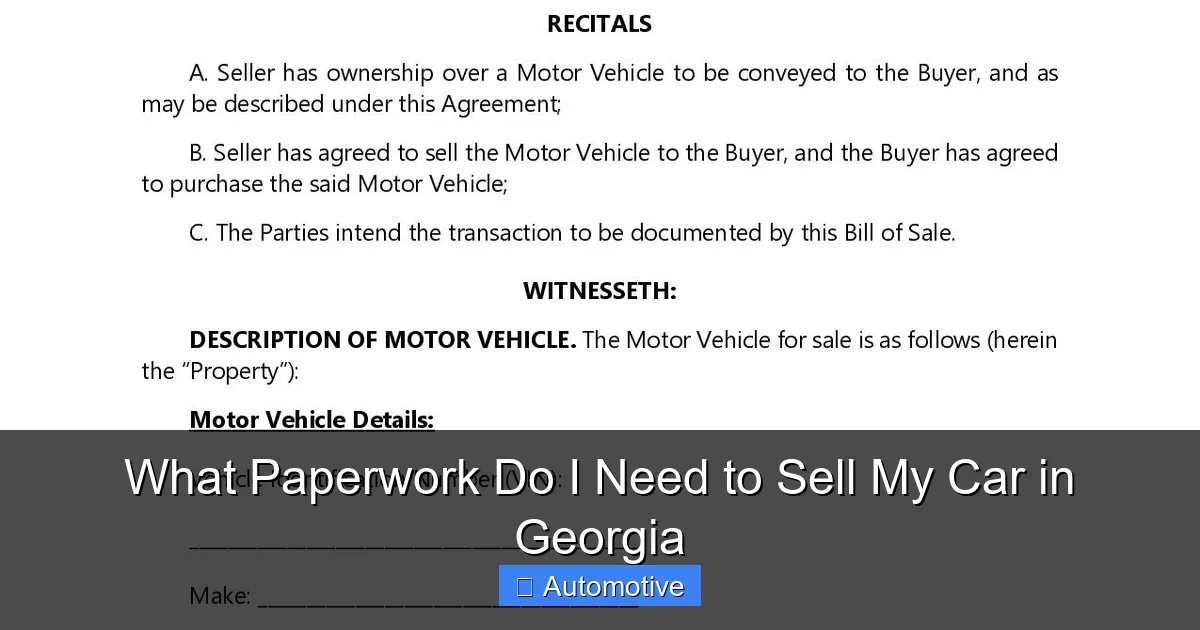
Visual guide about What Paperwork Do I Need to Sell My Car in Georgia
Image source: propertyroad.co.uk
While Georgia law doesn’t require a bill of sale for private vehicle transactions, it’s one of the smartest documents you can use. A bill of sale acts as a receipt and legal record of the sale, detailing the terms and protecting both parties from disputes.
What to Include in a Bill of Sale
A good bill of sale should contain the following information:
– Seller’s and buyer’s full names and addresses
– Vehicle make, model, year, and VIN
– Sale price (even if it’s $1—this proves it wasn’t a gift)
– Date of sale
– Odometer reading at time of sale
– Signatures of both parties
You can find free bill of sale templates online through the Georgia DOR website or legal document sites. Make sure to fill it out completely and keep a copy for your records.
Why a Bill of Sale Matters
Imagine this: You sell your car, the buyer drives off, and a week later you get a ticket in the mail for a traffic violation that happened after the sale. Without a bill of sale showing the exact date and buyer’s information, you might have trouble proving you’re no longer responsible. A bill of sale helps establish when ownership transferred, which can be crucial if issues arise.
It also helps the buyer prove they paid for the vehicle, which can be useful for insurance, registration, or resale purposes. In short, it’s a simple document that offers big protection.
3. Odometer Disclosure Statement: Honesty Is the Law

Visual guide about What Paperwork Do I Need to Sell My Car in Georgia
Image source: canadianvesselregistry.ca
Federal and state laws require an odometer disclosure for most vehicles sold in Georgia. This rule exists to prevent odometer fraud—the illegal practice of rolling back a car’s mileage to increase its value.
When Is Odometer Disclosure Required?
You must complete an odometer disclosure if the vehicle is:
– Less than 10 years old (based on the model year)
– Not a commercial vehicle over 16,000 pounds
– Not a motorcycle or trailer
For example, if you’re selling a 2020 sedan in 2024, the odometer disclosure is required. But if you’re selling a 2010 truck, it’s not—unless it’s a commercial vehicle under the weight limit.
How to Complete the Disclosure
The odometer disclosure is typically included on the back of the vehicle title. You’ll need to:
– Enter the current mileage as shown on the odometer
– Check the box that confirms the reading is accurate
– Sign and date the form
If the odometer is broken or has been replaced, you must indicate that the mileage is “not actual” or “exceeds mechanical limits.” Lying about mileage can result in fines or legal action, so always be truthful.
What If the Odometer Has Rolled Over?
Some older vehicles have six-digit odometers that roll over after 99,999 miles. In this case, you should still report the actual reading. For example, if the odometer shows 15,000 but you know the car has over 100,000 miles, write “115,000” and explain the rollover in the notes section. Transparency protects you and builds trust with the buyer.
4. Release of Liability: Protecting Yourself After the Sale
Visual guide about What Paperwork Do I Need to Sell My Car in Georgia
Image source: templates.legal
One of the most important—and often overlooked—steps in selling a car is filing a release of liability. This form notifies the Georgia DOR that you’ve sold the vehicle and are no longer responsible for it.
Why You Need to File a Release of Liability
After you sell your car, the buyer has 30 days to register it in their name. If they don’t, and the car gets a parking ticket, toll violation, or is involved in an accident, you could still be held liable—even though you no longer own it. Filing a release of liability shifts responsibility to the buyer as of the sale date.
How to File the Release of Liability
You can file online through the Georgia DOR’s website or submit a paper form (Form MV-103) by mail or in person. You’ll need:
– Your name and address
– Vehicle information (VIN, make, model, year)
– Buyer’s name and address
– Sale date
The online system is fast and free. Once submitted, you’ll receive a confirmation. Keep this for your records. It’s your proof that you notified the state of the sale.
What If the Buyer Doesn’t Register the Car?
Even if the buyer fails to register the vehicle, your release of liability protects you. As long as you filed the form on time, you won’t be responsible for fines or accidents. However, it’s still a good idea to follow up with the buyer to ensure they complete the transfer.
5. Emissions and Safety Inspections: Know Your County’s Rules
Georgia doesn’t require a statewide emissions or safety inspection for all vehicles, but certain counties do. If you’re selling a car in one of these areas, you may need a valid inspection certificate.
Which Counties Require Inspections?
Emissions testing is required in the following 13 counties:
– Cherokee
– Clayton
– Cobb
– Coweta
– DeKalb
– Douglas
– Fayette
– Forsyth
– Fulton
– Gwinnett
– Henry
– Paulding
– Rockdale
These counties are part of the Atlanta metropolitan area and are subject to stricter air quality standards. Vehicles must pass an emissions test every two years.
Safety inspections, on the other hand, are only required in a few counties, such as Chatham (Savannah) and Richmond (Augusta). Check with your local tag office to confirm requirements.
How to Get an Inspection
Inspections must be done at a state-certified facility. You can find locations online through the Georgia Clean Air Force website. The test typically costs between $15 and $25 and takes about 20 minutes. If your car fails, you’ll need to make repairs and retest.
Do You Need an Inspection to Sell?
If you’re selling within the same county, the buyer may need a valid inspection to register the car. However, if you’re selling to someone outside the emissions area, the inspection may not be required. Still, having a recent inspection can make your car more attractive to buyers and speed up the transfer process.
6. Additional Documents and Practical Tips
Beyond the core paperwork, there are a few other items and tips that can make your car sale smoother.
Proof of Insurance and Valid ID
Both you and the buyer should bring valid government-issued photo IDs (like a driver’s license) to the transaction. The buyer will also need proof of insurance to register the car. Georgia requires liability insurance, so make sure the buyer has a policy in place before they drive off.
Loan Payoff and Lien Release
If your car has an outstanding loan, the title is likely held by the lender. You can’t transfer ownership until the loan is paid off and the lien is released. Here’s what to do:
1. Contact your lender to get a payoff amount.
2. Use the sale proceeds to pay off the loan.
3. Request a lien release letter or title from the lender.
4. Provide the release to the buyer so they can complete the transfer.
Some lenders will send the title directly to the buyer or the DOR. Make sure you understand their process before finalizing the sale.
Service and Maintenance Records
While not required, providing service records can increase your car’s value and buyer confidence. Include receipts for oil changes, brake repairs, tire replacements, and any major work. A well-documented history shows the car has been cared for.
Clean Out the Car
Before handing over the keys, remove all personal items—registration cards, garage door openers, CDs, and anything else that’s yours. Also, consider cleaning the interior and exterior. A clean car makes a great impression and can help you get a better price.
Meet in a Safe, Public Place
When meeting the buyer, choose a safe, well-lit location like a police station parking lot or a busy shopping center. Avoid meeting at your home. Bring a friend if possible, and never let the buyer test-drive the car alone unless you’re present.
Payment Methods
Cash is the safest option for private sales, but cashier’s checks or money orders are also acceptable. Avoid personal checks, as they can bounce. If using a cashier’s check, verify it with the bank before handing over the car.
Final Thoughts: A Smooth Sale Starts with Preparation
Selling a car in Georgia doesn’t have to be complicated—if you’re prepared. By gathering the right paperwork, understanding your responsibilities, and protecting yourself legally, you can complete the sale quickly and confidently. Remember, the goal isn’t just to get rid of your car, but to do it the right way.
Take the time to review each document, double-check signatures, and file your release of liability. These small steps prevent big problems later. And if you’re ever unsure, don’t hesitate to contact your local tag office or the Georgia DOR for guidance. With the right approach, selling your car can be a positive experience for both you and the buyer.
Frequently Asked Questions
Do I need a bill of sale to sell my car in Georgia?
No, Georgia law does not require a bill of sale for private vehicle sales, but it is highly recommended. A bill of sale protects both you and the buyer by documenting the sale details, including price, date, and vehicle information.
Can I sell my car without a title in Georgia?
No, you cannot legally sell a car without a title. If you’ve lost your title, you must apply for a duplicate through the Georgia Department of Revenue before completing the sale.
How long does the buyer have to register the car after purchase?
The buyer has 30 days from the date of purchase to register the vehicle in their name with the Georgia DOR. After that, late fees may apply.
What happens if I don’t file a release of liability?
If you don’t file a release of liability, you could be held responsible for tickets, tolls, or accidents involving the vehicle after the sale, even if you no longer own it.
Is an emissions test required to sell a car in Georgia?
Only in certain counties. If you’re selling in one of the 13 emissions-testing counties, the buyer may need a valid inspection to register the car, but it’s not always required at the time of sale.
Can I sell a car with an outstanding loan in Georgia?
Yes, but you must pay off the loan first and obtain a lien release from your lender before transferring the title to the buyer.
