
How Much Does a Car Key Replacement Cost

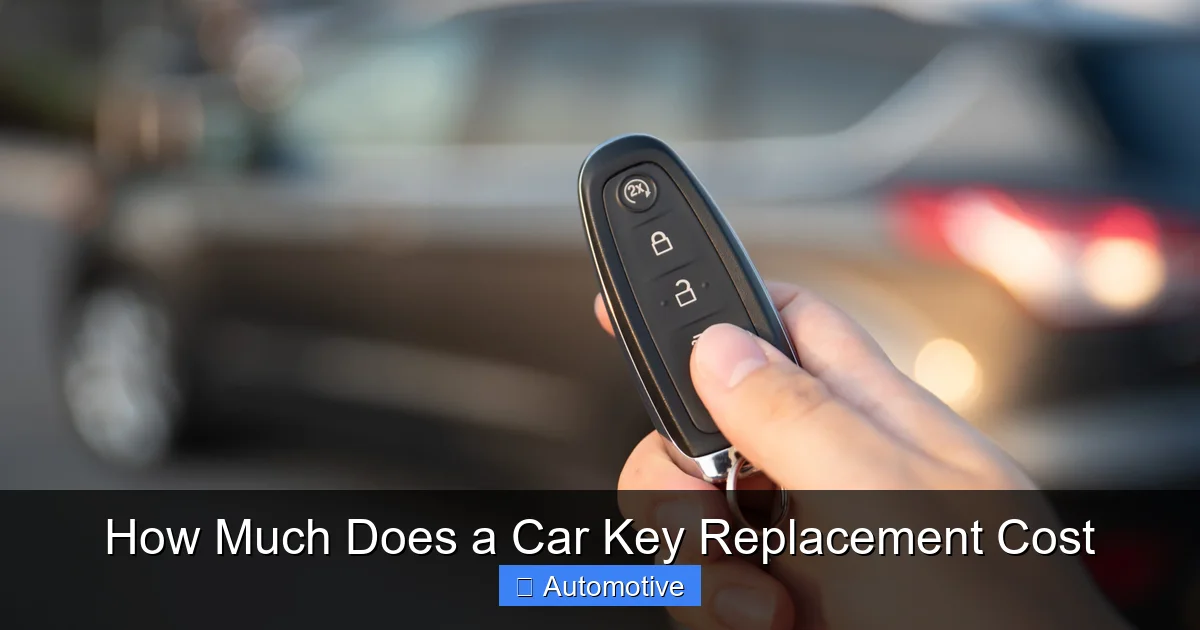
Replacing a car key can cost anywhere from $50 to over $500, depending on your vehicle type, key technology, and service provider. Factors like transponder chips, smart keys, and dealership vs. locksmith services play a major role in pricing. Planning ahead and understanding your options can save you time and money.
Losing your car key is one of those frustrating moments that can throw your entire day off track. Whether it slipped out of your pocket at the grocery store, got locked inside your vehicle, or simply vanished into the couch cushions, the panic sets in quickly. You’re not alone—millions of drivers face this issue every year. And while it’s tempting to assume you can just pop into a hardware store and get a copy made for $10, the reality is far more complex.
Modern car keys are no longer just pieces of cut metal. They’re sophisticated electronic devices packed with security features designed to prevent theft. From transponder chips to remote start capabilities, today’s keys require specialized equipment and knowledge to duplicate or replace. This technological evolution has directly impacted how much a car key replacement costs. What used to be a simple, low-cost task can now become a significant expense—especially if you wait until you’re stranded without a spare.
In this guide, we’ll break down everything you need to know about car key replacement costs. We’ll explore the different types of keys, what drives up the price, where to get them made, and how to avoid common pitfalls. Whether you’ve lost your only key or just want to be prepared for the unexpected, understanding your options can save you hundreds of dollars and a lot of stress.
Key Takeaways
- Understanding How Much Does a Car Key Replacement Cost: Provides essential knowledge
📑 Table of Contents
Types of Car Keys and Their Replacement Costs
Not all car keys are created equal—and neither are their replacement costs. The type of key you have directly affects how much you’ll pay to replace it. Let’s walk through the most common types of car keys and what you can expect to spend on each.
Traditional Metal Keys
These are the simplest and oldest type of car keys—just a plain piece of metal with a unique cut pattern. They don’t have any electronic components and are typically used for older vehicles (pre-1990s) or as backup keys for newer models. Because they lack technology, they’re the cheapest to replace.
You can usually get a traditional metal key duplicated at a hardware store, big-box retailer like Walmart or Home Depot, or even some gas stations for as little as $5 to $15. If you need a replacement from a locksmith or dealership, the cost might rise to $50–$150, depending on labor and location. However, keep in mind that even though the key itself is cheap, some older cars may require a specific key blank that’s harder to find, which could increase the price slightly.
For example, if you drive a 1995 Honda Civic with a basic metal key, you could walk into a local Ace Hardware and walk out with a working duplicate in under 10 minutes for around $10. No programming, no appointments, no hassle.
Transponder Keys
Introduced in the mid-1990s, transponder keys revolutionized car security. These keys contain a small electronic chip embedded in the plastic head. When you insert the key into the ignition, the chip sends a unique signal to the car’s immobilizer system. If the signal matches the one programmed into the vehicle, the engine will start. If not, the car won’t turn over—even if the key physically fits.
Because of this added layer of security, replacing a transponder key is more involved and more expensive. You’ll need a key blank that matches your car’s make and model, and it must be programmed to sync with your vehicle’s computer. This process usually requires specialized equipment that not all locksmiths or hardware stores have.
The cost to replace a transponder key typically ranges from $100 to $300. This includes the price of the key blank ($50–$150) and the programming fee ($50–$150). Dealerships often charge on the higher end of this range, sometimes up to $400, due to labor and proprietary software access. Independent locksmiths usually offer more competitive pricing, especially if they’re mobile and can come to you.
For instance, if you lose the transponder key to your 2010 Toyota Camry, a dealership might quote you $350 for a new key and programming. But a local locksmith with the right tools could do the same job for $200—saving you $150 and possibly getting it done faster.
Remote Key Fobs
Remote key fobs, also known as keyless entry remotes, are the next step up in convenience and complexity. These devices allow you to lock, unlock, and sometimes even start your car from a distance using buttons on the fob. Most modern cars come with at least one remote fob, and many include features like panic alarms, trunk release, and remote start.
Replacing a remote key fob involves two main costs: the physical fob and the programming. The fob itself can cost anywhere from $50 to $200, depending on the brand and features. Programming it to work with your car adds another $50 to $200, especially if done at a dealership.
For example, a basic remote fob for a 2015 Ford F-150 might cost $80 for the fob and $100 for programming at a dealership, totaling $180. However, some locksmiths or online services offer pre-programmed fobs that you can sync yourself using a simple sequence of button presses—cutting the cost significantly.
It’s also worth noting that some fobs are sold separately from the key blade. So if you only lose the remote part, you might not need to replace the entire key. But if the fob is integrated with the key (like in many newer models), you’ll need a full replacement.
Smart Keys (Keyless Entry and Push-Button Start)
Smart keys represent the pinnacle of automotive convenience and security. These high-tech devices allow you to unlock and start your car without ever taking the key out of your pocket. They use proximity sensors—when you’re near the car, the doors unlock automatically. When you press the start button inside, the car recognizes the key and starts the engine.
Because of their advanced technology, smart keys are the most expensive to replace. The cost typically ranges from $200 to $500 or more, depending on the vehicle. Luxury brands like BMW, Mercedes-Benz, and Audi often charge even higher prices—sometimes exceeding $600 for a single key.
The high cost comes from several factors: the sophisticated electronics inside the key, the need for specialized programming equipment, and the fact that most replacements must be done through a dealership or certified technician. Some smart keys also require a diagnostic scan of the vehicle to ensure security protocols are met.
For example, replacing a smart key for a 2020 Honda Accord might cost around $350 at a dealership. But for a 2022 Lexus RX, that same replacement could easily hit $600 due to brand-specific technology and labor costs.
Proximity Keys and Key Cards
Some high-end vehicles, particularly from brands like Tesla, Hyundai, and Genesis, use key cards or proximity fobs instead of traditional keys. These slim, card-like devices are carried in a wallet or pocket and communicate with the car via radio frequency.
Replacing a key card can be surprisingly expensive. For instance, a Tesla Model 3 key card costs around $150 to $200 through Tesla Service, and it must be programmed to your vehicle. Unlike traditional keys, you can’t easily get a third-party copy—Tesla controls the supply and programming.
Similarly, Hyundai’s smart key cards for models like the Palisade or Ioniq 5 can cost $200–$300 to replace. While they offer sleek design and convenience, their proprietary nature means fewer alternatives and higher costs.
Factors That Influence Car Key Replacement Cost

Visual guide about How Much Does a Car Key Replacement Cost
Image source: thekeymansc.com
Now that you know the different types of keys and their price ranges, let’s look at the broader factors that can affect how much you’ll pay for a replacement. Understanding these variables can help you make smarter decisions and avoid unnecessary expenses.
Vehicle Make and Model
The brand and model of your car play a huge role in replacement cost. Luxury and imported vehicles often use proprietary technology that requires dealership-only tools and software. This limits your options and drives up prices.
For example, replacing a key for a Toyota Corolla will generally be much cheaper than replacing one for a BMW X5. Domestic brands like Ford, Chevrolet, and Dodge tend to have more affordable key replacement options, especially for older models. Meanwhile, European brands like Audi, Volvo, and Mercedes-Benz often require specialized programming that only authorized dealers can perform.
Even within the same brand, newer models tend to be more expensive. A 2023 Honda Civic with a smart key will cost more to replace than a 2010 model with a transponder key, simply because of the increased complexity.
Key Technology and Features
As we’ve seen, the more features a key has, the more it costs to replace. A basic metal key is cheap because it’s just metal. But add a transponder chip, remote buttons, or proximity sensors, and the price climbs quickly.
Features like remote start, panic alarms, and trunk release add to the cost because they require additional programming and more advanced hardware. Some keys even include built-in displays or biometric sensors (like fingerprint readers), which can push replacement costs into the thousands.
Service Provider: Dealership vs. Locksmith vs. DIY
Where you get your key replaced has a major impact on cost. Here’s a quick breakdown:
– **Dealerships**: Most expensive option, but they have access to original equipment manufacturer (OEM) keys and factory programming tools. Ideal for complex keys or when warranty coverage is a concern. Expect to pay 20–50% more than other options.
– **Independent Locksmiths**: Often the best balance of cost and convenience. Many mobile locksmiths can come to your location, cut and program keys on the spot, and charge significantly less than dealerships. Look for certified professionals with good reviews.
– **Hardware Stores and Big-Box Retailers**: Great for basic metal keys, but limited for anything electronic. Stores like Lowe’s, Home Depot, and Walmart can duplicate simple keys but usually can’t program transponders or smart keys.
– **Online Services**: Some companies sell pre-cut or programmable keys online. You can order a blank key and have it shipped, then take it to a locksmith for programming. This can save money, but be cautious—some keys may not work with your vehicle, and returns can be tricky.
– **DIY Programming**: For some vehicles, you can program a new key yourself using a specific sequence of steps (like turning the ignition on and off in a certain pattern). Check your owner’s manual or online forums for your car model. This is usually only possible if you already have one working key.
Geographic Location
Where you live can also affect pricing. Urban areas with higher costs of living tend to have higher labor rates for locksmiths and dealership services. In rural areas, you might pay less, but you could also have fewer service options.
For example, getting a key replaced in New York City or Los Angeles will likely cost more than in a small town in Kansas. Additionally, mobile locksmiths may charge extra for travel time if you’re outside their standard service area.
Urgency and Emergency Services
If you need a key replaced immediately—especially after hours, on weekends, or during holidays—you’ll likely pay a premium. Emergency locksmith services often charge 50–100% more than standard rates.
For instance, a locksmith might charge $150 for a transponder key replacement during regular business hours, but $250 if they have to come out at 2 a.m. on a Sunday. Planning ahead and keeping a spare key can help you avoid these emergency fees.
Insurance and Warranty Coverage
Some auto insurance policies include coverage for key replacement under comprehensive insurance. This typically covers theft, damage, or loss of keys. However, there’s usually a deductible, and not all policies include this benefit.
Additionally, if your car is still under warranty, the manufacturer might cover key replacement—especially if the key was defective or damaged due to a manufacturing issue. Check your warranty terms or contact your dealer to find out.
How to Save Money on Car Key Replacement
Visual guide about How Much Does a Car Key Replacement Cost
Image source: 3guyslocksmiths.com
No one wants to spend hundreds of dollars on a new key, but there are several smart strategies to reduce the cost. With a little planning and research, you can keep more money in your pocket.
Keep a Spare Key
The easiest way to avoid high replacement costs is to have a spare key made before you lose your original. Getting a duplicate while you still have a working key is almost always cheaper than replacing a lost one. You can often get a spare made for 50–70% less than a full replacement.
Store your spare key in a safe place—like a locked drawer at home, with a trusted friend, or in a secure key locker. Avoid hiding it on your car (under the bumper, in the wheel well), as thieves know these common spots.
Use a Mobile Locksmith
Mobile locksmiths are often the most cost-effective option for key replacement. They come to you, whether you’re at home, work, or stranded on the side of the road. Because they don’t have the overhead of a physical shop, they can offer competitive pricing.
Look for locksmiths who are licensed, insured, and have positive reviews on platforms like Google or Yelp. Ask for a quote upfront to avoid surprises.
Compare Quotes
Don’t just go to the first place you find. Get quotes from at least two or three providers—dealership, locksmith, and maybe an online service. This helps you understand the market rate and avoid overpaying.
For example, if a dealership quotes $400 for a smart key, but a locksmith offers the same service for $250, you’ve saved $150 just by shopping around.
Check for Discounts and Promotions
Some locksmiths and dealerships offer discounts for first-time customers, seniors, military personnel, or AAA members. Others run seasonal promotions or bundle services (like key replacement with lock repair).
It never hurts to ask: “Do you offer any discounts?” You might be surprised by the answer.
Consider Aftermarket or Used Keys
For some vehicles, you can buy used or aftermarket keys online at a fraction of the cost of OEM keys. These are often pulled from salvage vehicles and can be programmed to work with your car.
However, proceed with caution. Used keys may have wear and tear, and aftermarket keys might not work as reliably as factory originals. Always buy from reputable sellers and confirm compatibility before purchasing.
Program the Key Yourself (If Possible)
As mentioned earlier, some cars allow you to program a new key yourself using a specific sequence of actions. This is usually only possible if you already have one working key, but it can save you $50–$200 in programming fees.
Check your owner’s manual or search online for “[your car model] key programming instructions.” Many forums and YouTube videos walk you through the process step by step.
What to Do If You’ve Lost Your Only Car Key

Visual guide about How Much Does a Car Key Replacement Cost
Image source: autogos.com
Losing your only car key is stressful, but it’s not the end of the world. Here’s what to do to get back on the road as quickly and affordably as possible.
Stay Calm and Assess the Situation
First, don’t panic. Take a deep breath and think about where you last had the key. Retrace your steps—check pockets, bags, cars, and common areas. Sometimes keys turn up in the most unexpected places.
If you’re sure it’s lost, move to the next step.
Contact a Professional
Call a locksmith or your dealership. Explain that you’ve lost your only key and need a replacement. Be ready to provide your vehicle’s make, model, year, and VIN (Vehicle Identification Number). The VIN helps them verify your ownership and determine the correct key type.
If you’re in an emergency situation (like locked out of your car at night), a mobile locksmith is your best bet. They can often arrive within 30–60 minutes.
Verify Ownership
To prevent theft, most service providers will ask for proof of ownership. This usually means showing your driver’s license and vehicle registration. Some may also ask for the VIN, which is located on the driver’s side dashboard (visible through the windshield) or on the door jamb.
Never lie or exaggerate—legitimate providers need this information to protect both you and your vehicle.
Get a Temporary Solution
If you need to drive your car immediately, some locksmiths can make a mechanical key that allows you to start the car manually. This won’t have remote functions, but it can get you moving while you arrange for a full replacement.
Alternatively, if you have roadside assistance through your insurance or a service like AAA, they may be able to help with lockout services or towing to a dealership.
Preventing Future Key Loss
Once you’ve dealt with the stress and cost of replacing a lost key, you’ll want to avoid it happening again. Here are some practical tips to keep your keys safe and secure.
Use a Key Finder or Tracker
Devices like Tile, Apple AirTag, or Samsung SmartTag can be attached to your keychain. If you misplace your keys, you can use your smartphone to locate them via Bluetooth. Some trackers even have crowd-finding features that use other users’ devices to help locate your lost item.
Designate a Key Spot at Home
Create a consistent place to store your keys when you get home—like a bowl by the door, a hook, or a drawer. This simple habit can prevent a lot of frustration.
Avoid Overloading Your Keychain
Heavy keychains can weaken the key or make it harder to handle. Keep only essential keys on your ring, and consider using a smaller, lighter fob if your car allows it.
Make a Copy Before You Need It
As mentioned earlier, getting a spare key made while you still have your original is the best way to avoid emergency costs. Treat it like any other preventive maintenance—do it before a problem arises.
Conclusion
So, how much does a car key replacement cost? The answer isn’t one-size-fits-all. Depending on your vehicle, key type, and service provider, you could pay as little as $50 or as much as $600 or more. But by understanding the factors that influence pricing—and taking proactive steps to protect yourself—you can minimize both the cost and the stress.
Remember: basic keys are cheap, but smart keys and key fobs come with a premium. Dealerships offer reliability but at a higher price, while locksmiths often provide the best value. And if you act before you lose your key, you can save hundreds of dollars.
The next time you grab your keys, take a moment to appreciate the technology in your hand—and consider making a spare. It’s a small investment that can pay off big when you need it most.
Frequently Asked Questions
Can I replace my car key myself?
Yes, for basic metal keys, you can often duplicate them at a hardware store. However, transponder, remote, and smart keys usually require professional programming, which most people can’t do at home.
Does insurance cover car key replacement?
Some comprehensive auto insurance policies include key replacement coverage, but it’s not universal. Check your policy or contact your insurer to confirm.
How long does it take to replace a car key?
Simple keys can be made in minutes, while transponder and smart keys may take 30 minutes to a few hours, depending on programming and availability.
Can I use a used key for my car?
In some cases, yes—especially if it’s the same make and model. But used keys may have wear issues, and programming can be tricky. Always consult a professional.
What if I lose all my keys?
Contact a locksmith or dealership immediately. They can create a new key from scratch using your VIN, though this process is more complex and costly.
Are aftermarket keys reliable?
Some aftermarket keys work well, but quality varies. OEM (original equipment manufacturer) keys are generally more reliable, though more expensive.