
How to Find a Car Key

Losing your car key can be stressful, but staying calm and methodical increases your chances of finding it quickly. This guide walks you through proven strategies—from retracing your steps to using modern technology—and offers smart prevention tips to avoid future mishaps.
Losing your car key is one of those frustrating moments that can throw your entire day off track. Whether you’re rushing to work, picking up your kids, or just heading out for groceries, realizing your keys are missing can instantly spike your stress levels. You might find yourself frantically patting down pockets, dumping out your purse, or retracing your steps through the house—only to come up empty-handed. But here’s the good news: most lost keys are found within minutes or hours, especially when you use the right approach.
The key (pun intended) to finding a lost car key is staying calm and thinking logically. When we panic, our brains tend to skip over obvious places or repeat the same unhelpful actions. Instead, take a few deep breaths, sit down for a moment, and mentally rewind your day. Where were you last? What did you do? Who did you interact with? These simple questions can trigger memories that lead you straight to your missing key. And remember—keys rarely vanish into thin air. They’re usually nearby, just misplaced in a spot you haven’t thought to check yet.
In this comprehensive guide, we’ll walk you through step-by-step strategies to find your car key, whether it’s hiding in your couch cushions or stuck in a jacket pocket from yesterday. We’ll also explore how modern technology can make key recovery easier than ever, plus share smart habits to prevent future losses. By the end, you’ll be equipped with practical tools and peace of mind—so the next time your keys go missing, you’ll know exactly what to do.
Key Takeaways
- Stay calm and retrace your steps: Panic clouds judgment; take a deep breath and mentally walk through your recent movements to locate the key.
- Check common hiding spots: Look in pockets, bags, under seats, near doors, and on countertops—keys often end up in plain sight.
- Use a key finder or Bluetooth tracker: Devices like Tile or Apple AirTag attach to your keychain and help you locate keys via smartphone apps.
- Leverage your car’s technology: Many modern vehicles have keyless entry systems or apps that can help identify if the key is nearby or locked inside.
- Ask others and check shared spaces: Family, coworkers, or roommates may have moved or borrowed the key without telling you.
- Prevent future losses with habits and backups: Designate a key spot at home, make spare keys, and consider smart keychains to reduce repeat incidents.
- Know when to call a professional: If all else fails, contact a locksmith or your dealership—don’t risk damaging your car trying DIY solutions.
📑 Table of Contents
- Retrace Your Steps: The First and Most Effective Step
- Check Common Hiding Spots Around Your Home and Car
- Use Technology to Your Advantage: Key Finders and Smart Devices
- Ask Others and Check Shared or Public Spaces
- Prevent Future Key Loss: Smart Habits and Backup Solutions
- When to Call a Professional: Locksmiths and Dealerships
Retrace Your Steps: The First and Most Effective Step
When your car key disappears, your first instinct might be to search randomly—checking under the bed, inside the fridge, or behind the TV. But that scattergun approach rarely works. Instead, the most effective method is to retrace your steps carefully and systematically. This means mentally walking through your recent activities in chronological order, focusing on where you’ve been and what you’ve done.
Start by asking yourself: When did I last use my key? Was it this morning when I locked the car? Last night when I came home? Or maybe yesterday at the grocery store? Once you pinpoint the last time you remember having the key, begin reconstructing your path from that moment forward. For example, if you last used your key to unlock your front door last night, think about what you did after that. Did you take off your coat and toss it on the couch? Did you grab a snack and leave your keys on the kitchen counter? Did you go straight to bed, possibly dropping the key on the nightstand?
It’s amazing how often keys end up in places that seem obvious—in hindsight. A study by the University of Chicago found that people who retrace their steps are 70% more likely to find lost items within 10 minutes compared to those who search randomly. That’s because retracing activates your spatial memory, helping you recall not just where you were, but what you touched, moved, or set down.
To make this process easier, try using the “room-by-room” method. Mentally walk through each room you’ve been in since you last had your key. Picture yourself entering the room, what you did, and where you placed things. For instance, if you went from the living room to the kitchen to the bathroom, focus on each space individually. Ask yourself: Did I set my keys down while making coffee? Did I take off my jacket in the bathroom and leave the keys in the pocket?
Another helpful tip is to involve others. If you live with family or roommates, ask them if they’ve seen your keys or moved them. Sometimes, someone else might have picked them up thinking they were theirs, or placed them somewhere “safe” without telling you. A quick group search can cover more ground and bring in fresh perspectives.
And don’t forget to check unusual but common spots. Keys often fall into gaps between couch cushions, slip under car seats, or get buried in gym bags. I once spent 20 minutes looking for my keys only to find them in the pocket of a jacket I’d worn two days earlier and tossed into the laundry basket. It happens to the best of us.
Check Common Hiding Spots Around Your Home and Car
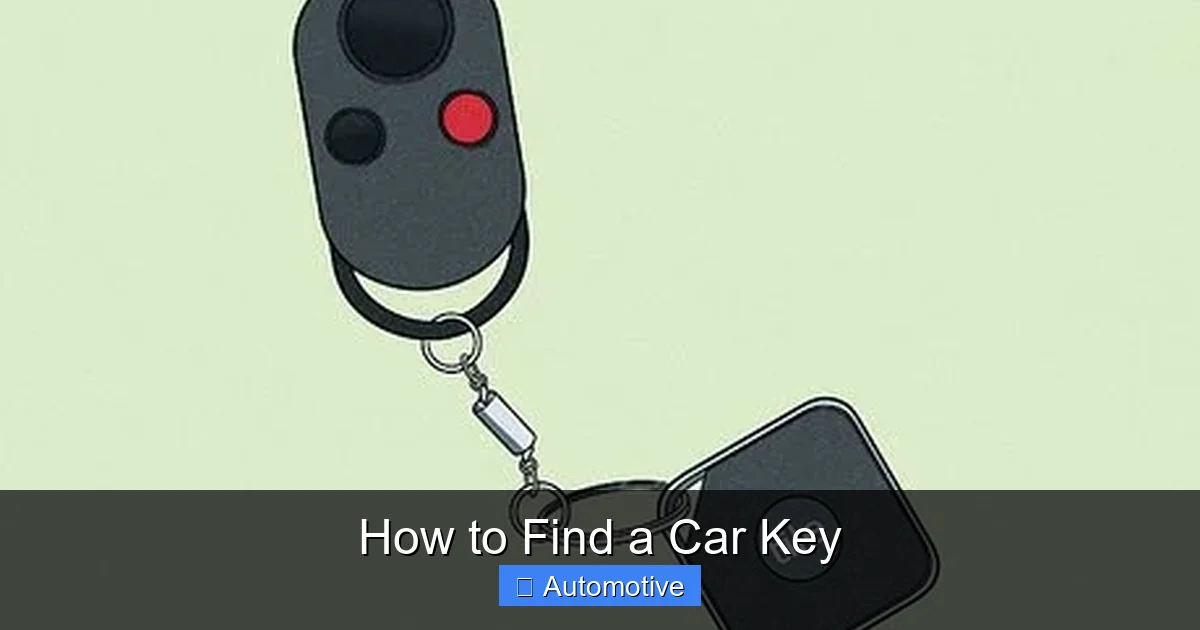
Visual guide about How to Find a Car Key
Image source: wikihow.com
Once you’ve retraced your steps, it’s time to physically search the most likely places where your car key might be hiding. These are spots where keys frequently end up—often in plain sight, but overlooked because we’re not expecting to find them there.
Start with your clothing. Check every pocket of the jacket, pants, or coat you were wearing when you last used the key. Don’t forget inside pockets, back pockets, or even the pocket of a pair of jeans you wore yesterday. Keys can slip into pockets and stay there for days, especially if you haven’t worn that item since. I’ve heard countless stories of people finding their keys in the pocket of a winter coat they hadn’t touched since spring.
Next, examine your bags. Whether it’s your purse, backpack, gym bag, or laptop case, these are prime locations for misplaced keys. Dump out the contents if necessary—sometimes keys get buried under receipts, makeup, or charging cables. Use a flashlight to check dark corners or zippered compartments. If you have multiple bags, go through each one methodically.
Now, look around your home. Check countertops, especially near the door you use most often. Many people have a “key drop zone”—a bowl, hook, or tray where they toss their keys when they come in. But sometimes, keys end up on the kitchen counter, the coffee table, or even the bathroom sink. Look under newspapers, magazines, or mail piles. Keys can get trapped beneath paper or slide off the edge of a table.
Don’t skip furniture. Lift couch cushions and check the gaps between seats. Use a vacuum cleaner with a hose attachment to suck out any small items from crevices. Look under chairs, behind nightstands, and inside drawers—especially those you rarely open. I once found my keys in a kitchen drawer full of takeout menus, where they’d apparently fallen when I was grabbing a pen.
Your car is another critical area to search. If you think you might have left the key inside, check the ignition, cup holders, door pockets, and under the seats. Use a flashlight to look into dark corners. Some people accidentally lock their keys inside the car, especially if they use a key fob that stays in the vehicle. Modern cars with keyless entry can sometimes detect if the key is inside, so check your dashboard for warning lights.
Also, consider outdoor areas. If you were gardening, walking the dog, or carrying groceries, your key might have fallen out in the yard, driveway, or near the mailbox. Check under doormats, in flower pots, or near trash cans. If you have a garage, look on workbenches, toolboxes, or shelves.
Use Technology to Your Advantage: Key Finders and Smart Devices
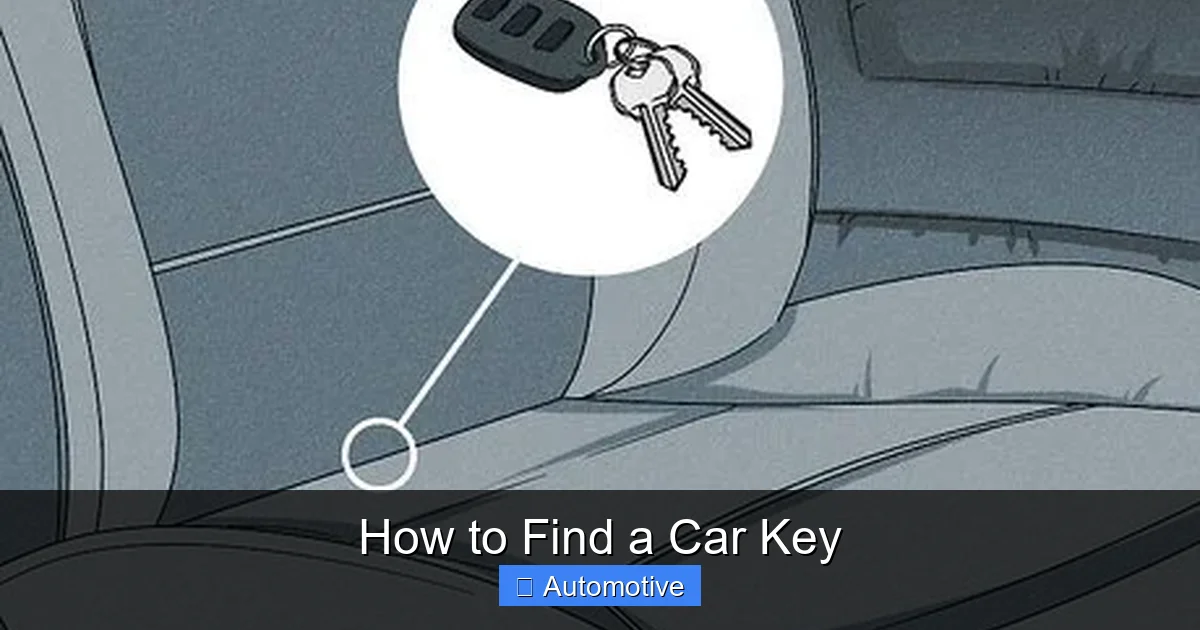
Visual guide about How to Find a Car Key
Image source: wikihow.com
In today’s digital age, losing your car key doesn’t have to mean a full-blown crisis. Thanks to smart technology, you can now track your keys using devices designed specifically for this purpose. These tools not only help you find lost keys quickly but also give you peace of mind knowing your belongings are easier to locate.
One of the most popular solutions is a Bluetooth key finder. Devices like Tile, Apple AirTag, or Samsung SmartTag attach to your keychain and connect to your smartphone via an app. When your keys go missing, you can open the app and trigger a sound from the tracker to help you locate them. Some models even show you the last known location on a map, which is incredibly helpful if you think you lost your keys outside your home.
For example, if you’re at the park and can’t find your keys, open the Tile app and tap “Find.” The tracker will play a loud beep, guiding you to its location. If you’re out of Bluetooth range, the app can use a community network—other Tile users’ phones—to detect your tracker and update its location. This feature has helped countless people recover keys left in cafes, taxis, or public transit.
Apple users can take advantage of the Find My network with an AirTag. Once paired with your iPhone, the AirTag integrates seamlessly with the Find My app. You can see its location in real time, play a sound, or even use Precision Finding—a feature that uses your phone’s camera and haptic feedback to guide you step-by-step to the AirTag. It’s like having a GPS for your keys.
Another tech-savvy option is a smart keychain. These devices combine a key holder with built-in tracking, LED lights, or even a built-in flashlight. Some models can alert your phone if you walk too far away from your keys, preventing you from leaving them behind. Others have a “last seen” feature that logs the GPS coordinates of your keys the last time they were connected to your phone.
If your car has advanced technology, you might also be able to use your vehicle’s built-in systems to help locate your key. Many modern cars with keyless entry or push-button start have apps that show the status of your key fob. For instance, some Ford vehicles allow you to check if your key is inside the car using the FordPass app. Similarly, Tesla owners can use the Tesla app to see if their key card or phone key is nearby.
Even if you don’t have a tracker, your smartphone can still help. Try using voice assistants like Siri or Google Assistant to search for “car keys” or “keys” in your photo gallery—sometimes people take pictures of their keys and forget. You can also check your recent locations in Google Maps or Apple’s Location History to see where you’ve been and narrow down where the key might be.
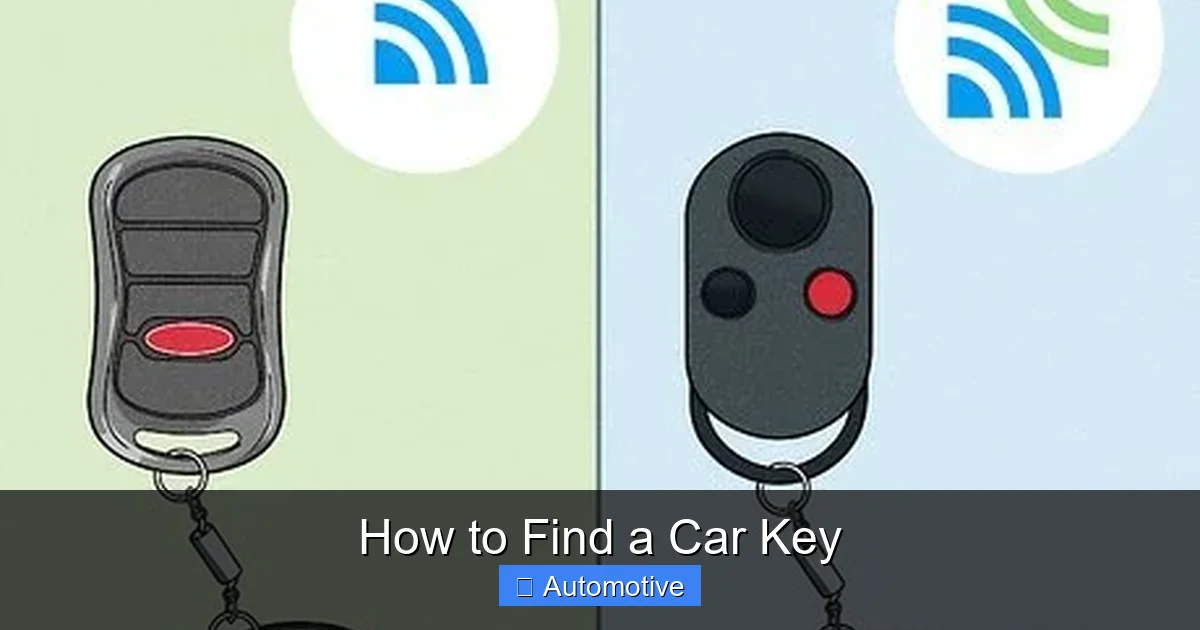
Visual guide about How to Find a Car Key
Image source: wikihow.com
Sometimes, the simplest solution is to ask someone else. Your car key might not be lost—it could have been moved, borrowed, or found by someone else. Reaching out to family, friends, coworkers, or neighbors can save you hours of searching and stress.
Start with the people you live with. Ask your spouse, roommate, or kids if they’ve seen your keys or moved them. Children, in particular, are known for picking up shiny objects and putting them in unexpected places—like toy boxes, backpacks, or even the dog’s bed. A quick conversation can reveal that your teenager borrowed the car last night and left the keys on the kitchen table.
If you were at work, check with your colleagues or office manager. Maybe someone saw you drop your keys in the break room or found them in the parking lot. Some offices have a lost and found box where misplaced items are stored. Don’t hesitate to ask—most people are happy to help.
If you were in a public place—like a restaurant, gym, or library—contact the staff. Many businesses have a lost and found system, and employees often turn in found items. Call or visit in person and describe your key. Be specific: mention the color, shape, any keychain attachments, or if it’s a key fob with a logo. The more details you provide, the easier it is for them to identify it.
Don’t forget about ride-sharing services or taxis. If you took an Uber or Lyft recently, use the app to contact your driver. Most platforms allow you to message the driver directly and ask if they found your keys. Drivers often check the car after each ride and may have turned them in or kept them safe.
If you were at a friend’s house, send them a quick text. A simple message like, “Hey, did I leave my car keys at your place?” can go a long way. People often forget to mention small items, but a gentle reminder can jog their memory.
And if you think your keys might have been stolen—especially if you notice other items missing or suspicious activity—report it to the police. While most lost keys are just misplaced, it’s better to be safe. Filing a report can also help if you need to get a replacement key from your dealership.
Prevent Future Key Loss: Smart Habits and Backup Solutions
Once you’ve found your car key (or even if you haven’t yet), it’s a great time to think about how to prevent this from happening again. A little preparation can save you a lot of hassle down the road. The best way to avoid losing your keys is to build consistent habits and have backup plans in place.
Start by designating a specific spot for your keys at home. This could be a key hook by the door, a bowl on the entryway table, or a drawer in the kitchen. The key is consistency—every time you come home, put your keys in the same place. Over time, this becomes a habit, and you’ll instinctively know where to look. I use a small ceramic bowl on my console table, and it’s saved me countless times.
Consider making spare keys. Keep one set with a trusted family member or friend, and hide another in a secure outdoor location—like a lockbox on your porch or a magnetic key holder under your car (though be cautious with this method). Some people even keep a spare key in their wallet or purse, though this can be risky if you lose your wallet.
Invest in a key organizer or labeled keychain. If you have multiple keys—car, house, office, mailbox—use a key ring with labels or color-coded tags. This makes it easier to identify your car key quickly and reduces the chance of mixing them up.
For tech lovers, a smart keychain with tracking capabilities is a worthwhile investment. As mentioned earlier, devices like Tile or AirTag can help you locate your keys instantly. Some models even have a “separation alert” that notifies your phone if you walk away from your keys, preventing you from leaving them behind at a restaurant or store.
Another smart habit is to do a quick “key check” before leaving any location. Make it part of your routine: before you walk out of a store, restaurant, or friend’s house, pat your pocket or check your bag to confirm your keys are with you. This simple habit can prevent 90% of key losses.
If you frequently misplace items, consider using a daily checklist. Write down essential items you need each day—keys, wallet, phone, etc.—and check them off as you leave the house. This is especially helpful for people with busy schedules or those prone to distraction.
Finally, know your options for replacement. If your keys are truly lost and can’t be found, contact your car dealership or a professional locksmith. Many modern cars require specialized programming for new key fobs, so it’s best to go through official channels. Keep your vehicle’s make, model, and VIN handy to speed up the process.
When to Call a Professional: Locksmiths and Dealerships
Despite your best efforts, there may come a time when you simply can’t find your car key. Maybe it’s been days, you’ve searched everywhere, and no one has turned it in. In these cases, it’s time to call in the professionals. Trying to break into your own car or force a replacement can lead to damage, higher costs, and even safety risks.
A licensed locksmith is often the fastest and most affordable option. They can create a new key for your car, even if you don’t have the original. Many locksmiths offer mobile services, meaning they’ll come to your location—whether you’re at home, work, or stranded on the side of the road. They use specialized tools to decode your car’s lock and cut a new key on the spot.
However, for modern vehicles with transponder keys or keyless entry systems, a locksmith may not be enough. These keys contain a microchip that communicates with your car’s computer. Without the correct programming, the new key won’t start the engine. In these cases, you’ll likely need to visit your car dealership. They have the equipment and software to program a new key fob or smart key to your vehicle.
Be prepared for the cost. Dealership replacements can be expensive—sometimes $200 to $500 or more, depending on the make and model. Locksmiths are usually cheaper, but prices vary. Always get a quote before proceeding, and make sure the locksmith is licensed and insured.
To avoid this hassle in the future, consider keeping a record of your key’s information. Some people take a photo of their key or note the key code (often found on the original key or in your owner’s manual). This can speed up the replacement process and reduce costs.
In rare cases, if your keys were stolen, you may need to reprogram your car’s security system to prevent unauthorized access. Your dealership or locksmith can help with this, but it’s an added step that takes time and money.
The bottom line: don’t wait too long to seek help. The longer you go without a key, the more it disrupts your life. And remember—prevention is always better than replacement.
Losing your car key is frustrating, but it doesn’t have to derail your day. By staying calm, retracing your steps, using technology, and asking for help, you can usually find your key within minutes. And with smart habits and backup plans, you can reduce the chances of it happening again. Whether you’re using a Bluetooth tracker or simply designating a key spot at home, a little preparation goes a long way. So the next time your keys go missing, take a deep breath—you’ve got this.
Frequently Asked Questions
What should I do if I can’t find my car key after searching everywhere?
If you’ve searched thoroughly and still can’t find your key, consider contacting a licensed locksmith or your car dealership. They can create and program a new key, though this may take time and cost money. Avoid trying to break into your car, as this can cause damage.
Can I use my phone to find my car key?
Yes, if you have a Bluetooth tracker like Tile or Apple AirTag attached to your keychain. These devices connect to your smartphone and allow you to play a sound or view the last known location on a map to help locate your keys.
How can I prevent losing my car key in the future?
Designate a specific spot for your keys at home, make spare keys, and consider using a smart keychain with tracking features. Building consistent habits, like doing a quick key check before leaving, can also help prevent future losses.
What if I locked my keys inside my car?
Check if your car has a keyless entry app or remote unlock feature. If not, call a locksmith or roadside assistance. Avoid using coat hangers or other DIY methods, as they can damage your vehicle’s locks or windows.
Are spare keys worth the cost?
Yes, spare keys are a smart investment. Keep one with a trusted person and hide another in a secure location. This ensures you’re never completely stranded if your primary key is lost or damaged.
Can a locksmith make a key for any car?
Most locksmiths can make keys for older or standard vehicles, but modern cars with transponder chips or smart keys often require programming that only dealerships or specialized locksmiths can provide. Always confirm their capabilities before proceeding.