
What Is a Smart Key for a Car

A smart key for a car is a wireless electronic device that allows drivers to unlock, start, and operate their vehicle without physically inserting a key. It uses radio frequency signals and proximity sensors to communicate with the car, offering convenience and enhanced security.
Key Takeaways
- Convenience: Smart keys let you unlock and start your car without taking the key out of your pocket or bag.
- Enhanced Security: They use encrypted signals to prevent theft, making hot-wiring nearly impossible.
- Push-Button Start: Most smart key systems include a button on the dashboard or center console to start the engine.
- Passive Entry: The car detects the key when you’re near and unlocks the doors automatically.
- Battery Dependency: Smart keys require a battery; if it dies, you’ll need a backup method to start the car.
- Cost of Replacement: Replacing a lost or damaged smart key can be expensive, often costing hundreds of dollars.
- Compatibility: Not all vehicles support smart keys—most are found in mid- to high-end models from the last 15 years.
📑 Table of Contents
What Is a Smart Key for a Car?
Imagine walking up to your car with your hands full of groceries, a coffee in one hand and your phone in the other. You don’t fumble for your keys. You don’t even take them out of your pocket. The car senses your presence, unlocks the doors, and lets you start the engine with the push of a button. That’s the magic of a smart key for a car.
A smart key—also known as a keyless entry fob, proximity key, or intelligent key—is a high-tech replacement for the traditional metal car key. Instead of using physical insertion into a lock or ignition, it communicates wirelessly with your vehicle using radio frequency (RF) signals and proximity sensors. This technology has become increasingly common in modern vehicles, offering drivers a seamless, secure, and convenient way to access and operate their cars.
But how exactly does it work? And why has it become such a standard feature in today’s automobiles? In this guide, we’ll dive deep into the world of smart keys, exploring their functionality, benefits, limitations, and what you need to know if you own—or are considering buying—a car with this feature.
How Does a Smart Key Work?
Visual guide about What Is a Smart Key for a Car
Image source: s3.amazonaws.com
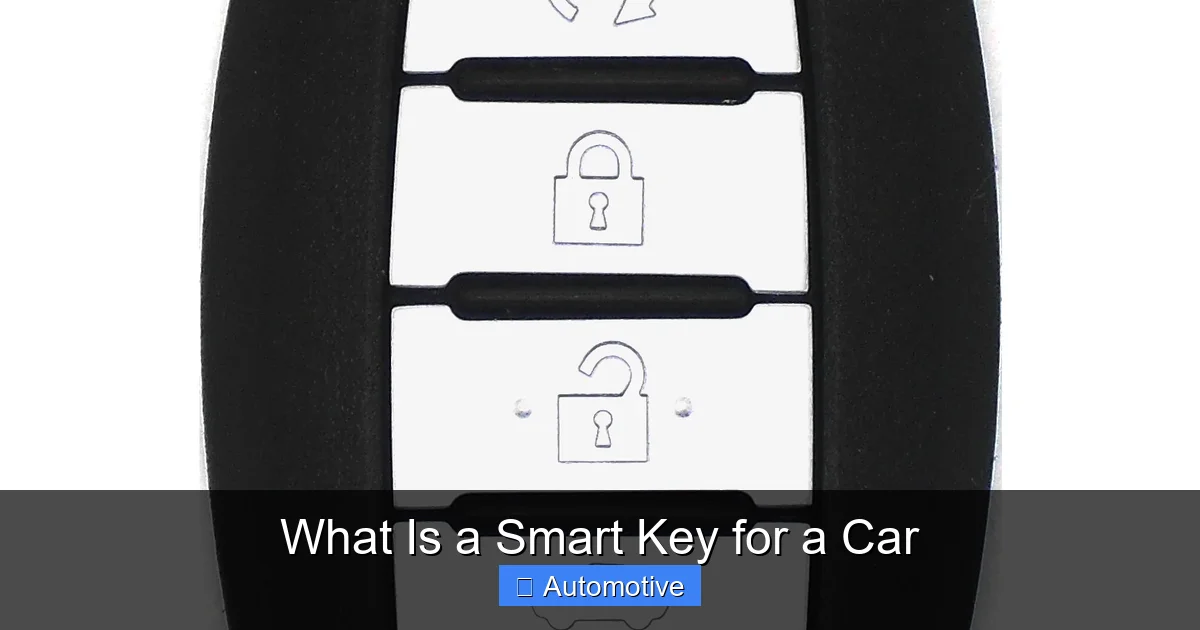
At its core, a smart key system relies on a two-way communication loop between the key fob and the car. When you approach your vehicle, the car sends out a low-frequency radio signal. If the smart key is within range—usually about 3 to 6 feet—it detects this signal and responds with a unique encrypted code. The car’s computer verifies the code, and if it matches, the doors unlock automatically. This process happens in seconds, often without you even realizing it.
Passive Entry and Passive Start
One of the most convenient features of a smart key is passive entry. This means the car unlocks when you touch the door handle or get close enough—no button pressing required. Similarly, passive start allows you to start the engine by pressing a button on the dashboard or center console, as long as the key is inside the vehicle.
For example, if you’re carrying a heavy bag and your hands are full, you can simply walk up to your car, grab the door handle, and the doors will unlock. Once inside, you press the “Start” button, and the engine fires up—no key insertion needed.
Encrypted Communication
Security is a major concern with any keyless system, and smart keys address this with advanced encryption. Each time the key communicates with the car, it sends a unique, rolling code that changes with every use. This makes it extremely difficult for thieves to intercept and replicate the signal—a technique known as “relay attacks” is a risk, but modern systems have countermeasures like signal strength detection and time-based encryption to reduce this threat.
Backup Methods
Even though smart keys are electronic, they include backup options in case the battery dies. Most smart key fobs have a physical key blade hidden inside that can be used to unlock the door manually. Additionally, many vehicles have a backup starting method—such as placing the key fob in a designated slot near the steering column or center console—to start the car when the battery is low.
For instance, if your smart key battery dies while you’re out, you can still get into your car using the hidden key and start it by placing the fob in the emergency start position. It’s a smart design that ensures you’re never truly locked out.
Types of Smart Key Systems
Visual guide about What Is a Smart Key for a Car
Image source: smartkeyromania.ro
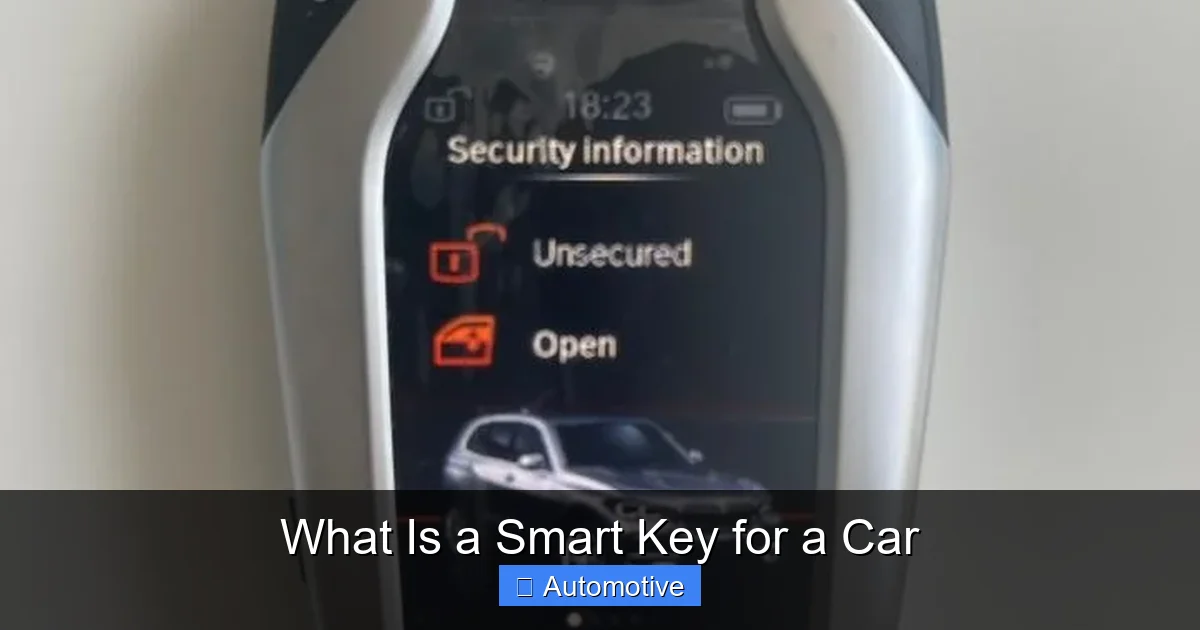
Not all smart keys are created equal. Different automakers have developed their own versions, each with unique features and capabilities. While the core function remains the same—wireless access and ignition—there are several types of smart key systems you might encounter.
Basic Proximity Key
This is the most common type. It allows you to unlock the car by touching the door handle and start the engine with a button. The key must be within a certain range (usually 3–6 feet) for the system to work. Brands like Toyota, Honda, and Hyundai use this type in many of their models.
Advanced Smart Key with Remote Start
Some smart keys go a step further by including remote start functionality. This allows you to start your car from inside your home or office, warming up the engine on a cold morning or cooling it down on a hot day. For example, Ford’s Intelligent Access with Push-Button Start lets you start the engine from up to 1,500 feet away using the key fob.
Smart Key with Hands-Free Liftgate
Luxury vehicles often include smart keys that can open the trunk or liftgate without using your hands. Simply walk up to the back of the car with the key in your pocket and kick your foot under the bumper. Sensors detect the motion and automatically open the trunk—perfect for when your arms are full.
Smartphone Integration
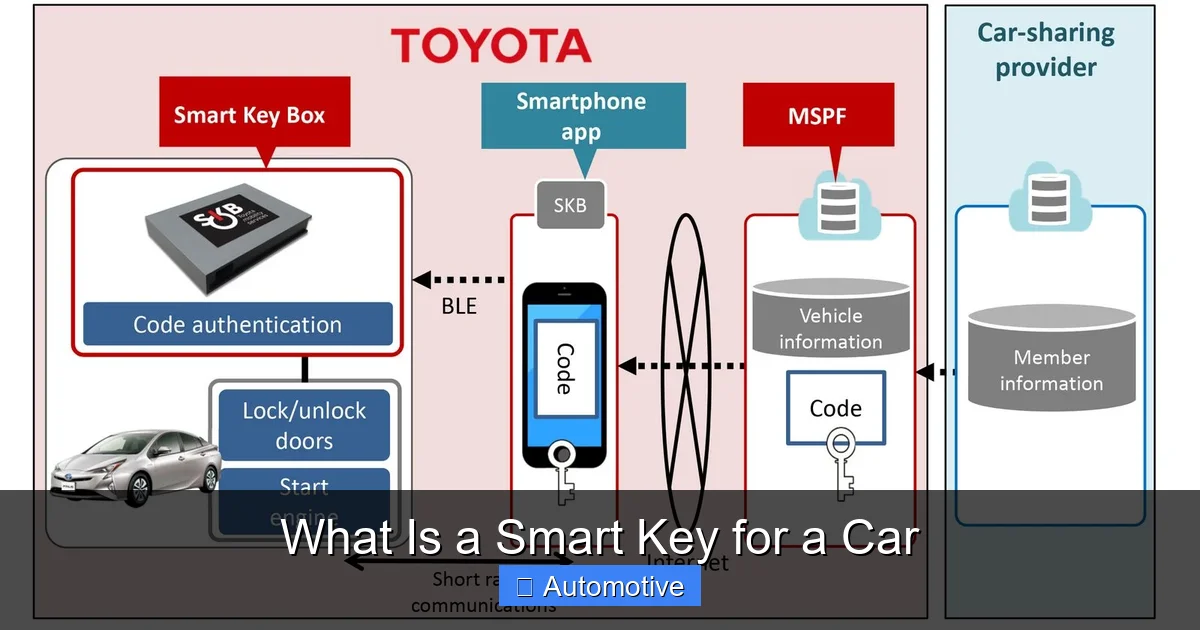
The next evolution of smart keys is digital keys stored on your smartphone. Brands like Tesla, BMW, and Hyundai now offer apps that let you lock, unlock, and start your car using your phone. Some even allow you to share digital keys with family members or friends, granting temporary access without handing over a physical fob.
For example, Tesla’s phone key uses Bluetooth to detect your phone when you’re near the car. As long as the app is running and your phone has battery, you can drive without ever touching a key fob.
Benefits of Using a Smart Key
Visual guide about What Is a Smart Key for a Car
Image source: carscoops.com
The rise of smart keys isn’t just about flashy tech—it’s about real-world benefits that improve the driving experience. From convenience to safety, here’s why so many drivers prefer smart keys over traditional ones.
Ultimate Convenience
Let’s face it—fumbling for keys while juggling bags, kids, or coffee is annoying. Smart keys eliminate that hassle. You can keep the key in your pocket or purse and still unlock and start your car effortlessly. This is especially helpful in bad weather, at night, or when you’re in a hurry.
Imagine pulling into a parking garage after a long day. Your hands are full, and it’s raining. With a smart key, you don’t need to dig through your bag or struggle with wet keys. Just walk up, touch the handle, and you’re in.
Enhanced Security
Traditional keys can be copied, and cars can be hot-wired. Smart keys use encrypted signals that are nearly impossible to duplicate. Even if a thief intercepts the signal, the rolling code system means it won’t work again. This makes vehicle theft significantly harder.
Additionally, many smart key systems include immobilizers—electronic devices that prevent the engine from starting unless the correct key is present. This adds another layer of protection against theft.
Improved User Experience
Smart keys often come with personalized settings. When the car recognizes your key, it can automatically adjust the seat, mirrors, steering wheel, and climate control to your preferences. This is especially useful in households with multiple drivers.
For example, if you and your spouse share a car, the vehicle can detect which key is being used and adjust the cabin settings accordingly—no more arguing over seat position or temperature.
Reduced Wear and Tear
Traditional keys can wear out over time, especially if they’re used frequently. Smart keys reduce the need for physical interaction with locks and ignition cylinders, which means less mechanical wear. This can extend the life of your car’s entry and starting systems.
Modern Aesthetic
Let’s be honest—smart keys look cool. They’re sleek, compact, and often made of high-quality materials like metal or reinforced plastic. Many come with backlit buttons and intuitive designs that feel premium. They’re a small but noticeable upgrade in the overall driving experience.
Limitations and Drawbacks of Smart Keys
While smart keys offer many advantages, they’re not without their downsides. It’s important to understand the potential drawbacks before relying entirely on this technology.
Battery Dependency
Smart keys are powered by small batteries, typically CR2032 coin cells. These batteries last 2–5 years, but when they die, the key stops working. If you don’t have a backup plan, you could be locked out of your car or unable to start it.
The good news? Most smart keys have low-battery warnings—flashing lights, reduced range, or dashboard alerts—so you’ll usually get a heads-up before it dies completely.
High Replacement Cost
Losing or damaging a smart key can be expensive. Unlike traditional keys, which cost $10–$50 to duplicate, smart keys often cost $200–$500 or more to replace. This includes the cost of the fob itself and the programming required to sync it with your car.
Some dealerships charge even more for programming, especially if you need it done urgently. It’s not uncommon for a full replacement to cost over $600 when labor is included.
Vulnerability to Relay Attacks
Although smart keys are secure, they’re not immune to theft. Relay attacks involve thieves using devices to amplify the signal from your key (even if it’s inside your home) to trick the car into thinking the key is nearby. This allows them to unlock and start the vehicle.
To protect against this, experts recommend storing your smart key in a Faraday pouch—a signal-blocking case—when not in use. Some high-end models also include motion sensors that deactivate the key when it’s stationary for a long time.
Compatibility Issues
Not all cars support smart keys. They’re most common in vehicles from 2008 onward, especially in mid- to high-end trims. Older or budget models may still use traditional keys or basic remote fobs without proximity features.
If you’re buying a used car, check whether it has a smart key system and whether replacement keys are readily available.
Learning Curve
For drivers used to traditional keys, smart keys can take some getting used to. It’s easy to forget where you left the fob, or to accidentally lock it inside the car. Some people also worry about accidentally starting the car while the key is nearby.
However, most modern systems include safeguards—like requiring the brake to be pressed before starting—to prevent accidental operation.
Smart Key Maintenance and Troubleshooting
To keep your smart key working reliably, a little maintenance goes a long way. Here are some practical tips to extend its life and avoid common issues.
Replace the Battery Regularly
Check your owner’s manual for battery replacement instructions. Most smart keys have a small compartment that opens with a screwdriver or by pressing a release tab. Use only the recommended battery type (usually CR2032) and handle the fob carefully to avoid damaging internal components.
Pro tip: Keep a spare battery in your glove compartment or emergency kit. That way, if your key dies unexpectedly, you can replace it on the spot.
Keep the Key Clean
Dirt, moisture, and grime can interfere with the key’s electronics. Wipe the fob with a soft, dry cloth regularly. Avoid using harsh chemicals or submerging it in water. If it gets wet, dry it thoroughly before use.
Store It Safely
To prevent relay attacks, store your smart key in a Faraday pouch or metal box when at home. This blocks radio signals and keeps it secure. Avoid leaving it near doors or windows where signals could be intercepted.
Know the Backup Procedures
Familiarize yourself with your car’s backup entry and starting methods. Practice using the hidden key blade and emergency start position so you’re prepared if the battery dies.
For example, in many Toyota models, you can unlock the door by inserting the hidden key into a small slot near the handle. To start the car, place the fob in a designated slot near the steering column and press the start button.
Program Spare Keys Early
If you lose your only smart key, getting a replacement can be costly and time-consuming. Consider having a spare programmed while you still have the original. Some dealerships offer discounts on additional keys if purchased at the same time.
Future of Smart Keys: What’s Next?
The smart key is just the beginning. As automotive technology evolves, we’re seeing even more advanced systems that integrate with smartphones, wearables, and smart home devices.
Digital Keys and App Integration
More manufacturers are moving toward smartphone-based keys. Apps like BMW Digital Key, Hyundai Digital Key, and Tesla Phone Key allow you to control your car from your phone. You can lock, unlock, start, and even share access with others—all from your pocket.
These apps often use Bluetooth, NFC, or ultra-wideband (UWB) technology for precise location detection. Some even let you start the car remotely or precondition the cabin temperature.
Biometric Access
The next frontier is biometric authentication. Future systems may use fingerprint scanners, facial recognition, or even voice commands to verify the driver’s identity. This would eliminate the need for a physical key altogether.
For example, some concept cars already feature fingerprint sensors on the door handles. Once verified, the car unlocks and adjusts settings automatically.
Vehicle-to-Everything (V2X) Communication
Smart keys are part of a broader trend toward connected cars. In the future, your car might communicate with traffic lights, parking meters, and even your home security system. Your smart key could act as a universal access device for your entire digital life.
Imagine walking up to your front door, and it unlocks because your car recognized you and sent a signal to your smart home system. That’s the kind of seamless experience automakers are working toward.
Conclusion
A smart key for a car is more than just a fancy gadget—it’s a practical, secure, and convenient upgrade that enhances the way we interact with our vehicles. From hands-free entry to encrypted security, smart keys represent a significant leap forward in automotive technology.
While they come with some drawbacks—like battery dependency and high replacement costs—the benefits far outweigh the risks for most drivers. With proper care and awareness, a smart key can make your daily drive smoother, safer, and more enjoyable.
As technology continues to evolve, we can expect even smarter, more integrated systems that blur the line between car and smartphone. Whether you’re driving a luxury sedan or a compact SUV, the smart key is here to stay—and it’s only getting better.
So the next time you walk up to your car and it unlocks without you lifting a finger, take a moment to appreciate the quiet convenience of modern innovation. Your smart key isn’t just opening a door—it’s opening the future of driving.
Frequently Asked Questions
How far can a smart key work from the car?
Most smart keys work within 3 to 6 feet of the vehicle for passive entry and start. Some advanced models with remote start can function from up to 1,500 feet away.
What happens if my smart key battery dies?
If the battery dies, you can use the hidden physical key to unlock the door and place the fob in the emergency start position to turn on the engine. Replace the battery as soon as possible.
Can I program a smart key myself?
Some basic functions can be programmed at home, but full synchronization with the car’s security system usually requires a dealership or professional locksmith with specialized tools.
Are smart keys safe from theft?
Smart keys are much safer than traditional keys due to encryption and rolling codes. However, relay attacks are possible, so storing the key in a Faraday pouch is recommended.
Can I use a smartphone instead of a smart key?
Yes, many modern cars support digital keys via smartphone apps. These use Bluetooth or NFC to unlock and start the vehicle, often with added features like remote access.
Do all cars have smart keys?
No, smart keys are mostly found in vehicles from 2008 onward, especially in mid- to high-end trims. Older or budget models may still use traditional keys or basic remotes.
