
How to Start the Car with a Key

Starting a car with a key may seem simple, but doing it correctly ensures safety, prolongs your vehicle’s life, and prevents common mechanical issues. This guide walks you through every step—from inserting the key to troubleshooting ignition problems—so you can confidently start your car the right way, every time.
Key Takeaways
- Always ensure the gear is in Park (or Neutral for manuals) before turning the key. This prevents the car from lurching forward and reduces strain on the starter motor.
- Turn off accessories like lights, AC, and radio before starting. This reduces electrical load and gives the battery a better chance to crank the engine.
- Use the correct key and avoid forcing it into the ignition. A damaged key or ignition cylinder can lead to costly repairs.
- If the engine doesn’t start, wait 10–15 seconds before trying again. This allows the starter motor to cool and prevents overheating.
- Listen for unusual sounds like grinding or clicking. These may indicate a dead battery, faulty starter, or ignition issue.
- Regular maintenance of the ignition system improves reliability. Clean the key, check battery health, and inspect wiring annually.
- Know when to call a professional. Persistent starting issues may signal deeper mechanical problems requiring expert diagnosis.
📑 Table of Contents
- Why Knowing How to Start a Car with a Key Still Matters
- Understanding the Traditional Ignition System
- Step-by-Step Guide: How to Start the Car with a Key
- Starting a Manual vs. Automatic Car with a Key
- Troubleshooting Common Key Start Problems
- Tips for Maintaining Your Key and Ignition System
- When to Call a Professional
- Conclusion
Why Knowing How to Start a Car with a Key Still Matters
In today’s world of push-button ignitions, keyless entry, and smartphone apps that start your car remotely, it might seem old-fashioned to talk about starting a car with a physical key. But the truth is, millions of vehicles on the road still rely on traditional keyed ignitions—especially older models, budget-friendly cars, and certain commercial vehicles. Even in modern cars, having a physical key as a backup is essential when the battery dies or the key fob fails.
More importantly, understanding how to start a car with a key gives you greater control and awareness of your vehicle’s mechanical systems. It teaches you to listen to your car, recognize warning signs, and respond appropriately. Whether you’re a new driver, a parent teaching your teen, or someone who just bought a used car with a manual ignition, mastering this basic skill builds confidence and prevents avoidable breakdowns. Plus, in emergency situations—like being stranded with a dead fob—knowing how to use the physical key can be a real lifesaver.
Understanding the Traditional Ignition System
Before diving into the step-by-step process, it helps to understand how a traditional car ignition system works. At its core, the ignition system is designed to start the engine by delivering electrical power from the battery to the starter motor. The key acts as a switch that completes the circuit, allowing current to flow and the engine to crank.
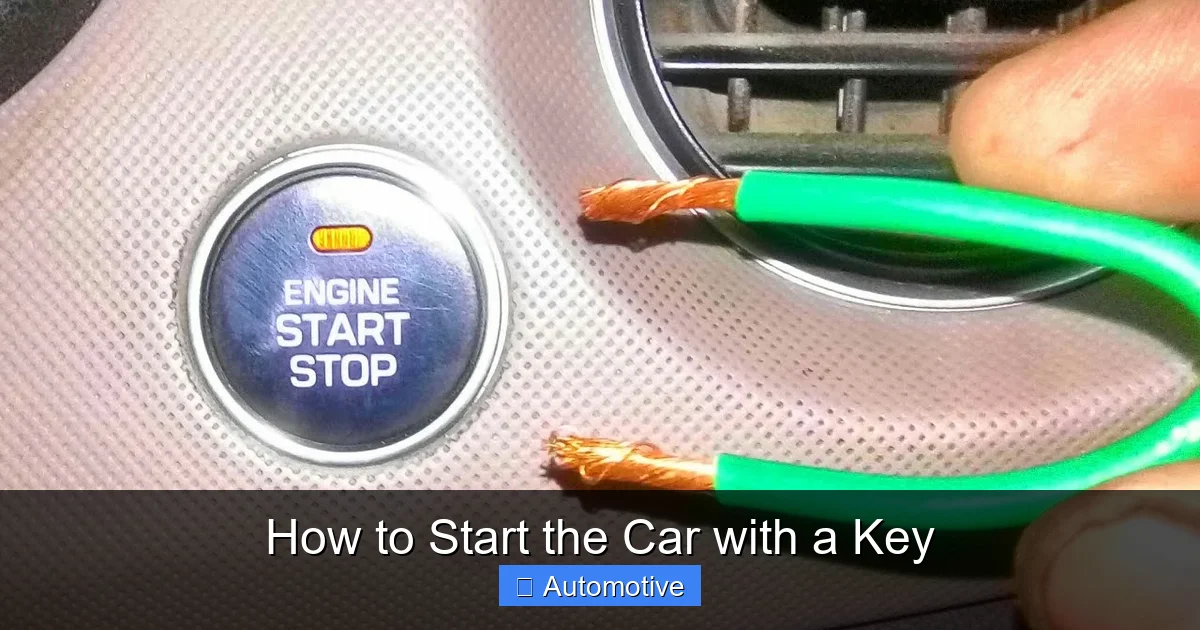
Visual guide about How to Start the Car with a Key
Image source: i.ytimg.com
Components of a Keyed Ignition System
A typical keyed ignition includes several key components:
- Ignition Cylinder: The slot where you insert the key. It contains tumblers that align only with the correct key.
- Steering Lock: Prevents the steering wheel from turning when the key is removed, adding a layer of security.
- Electrical Contacts: Inside the cylinder, these connect to the car’s wiring when the key is turned, sending signals to the starter, fuel pump, and ignition system.
- Starter Motor: Engages when the key is turned to the “start” position, turning the engine over until it fires up.
- Battery: Provides the necessary power to crank the engine and run electrical systems during startup.
How the Key Turns the Engine On
When you insert the key and turn it, several things happen in sequence. First, the key rotates the tumblers inside the ignition cylinder, unlocking the steering wheel. As you turn the key further, it moves through different positions—typically “Off,” “Accessory,” “On,” and “Start.” Each position activates different electrical circuits.
In the “Accessory” position, power flows to systems like the radio and power windows, but not the engine. The “On” position powers the dashboard lights, fuel pump, and ignition system, preparing the engine to start. Finally, in the “Start” position, the starter motor engages, cranking the engine until it ignites. Once the engine runs, you release the key, and it springs back to the “On” position.
Step-by-Step Guide: How to Start the Car with a Key
Now that you understand the basics, let’s walk through the actual process of starting a car with a key. Whether you’re driving an automatic or manual transmission, the steps are similar—but there are important differences to note.
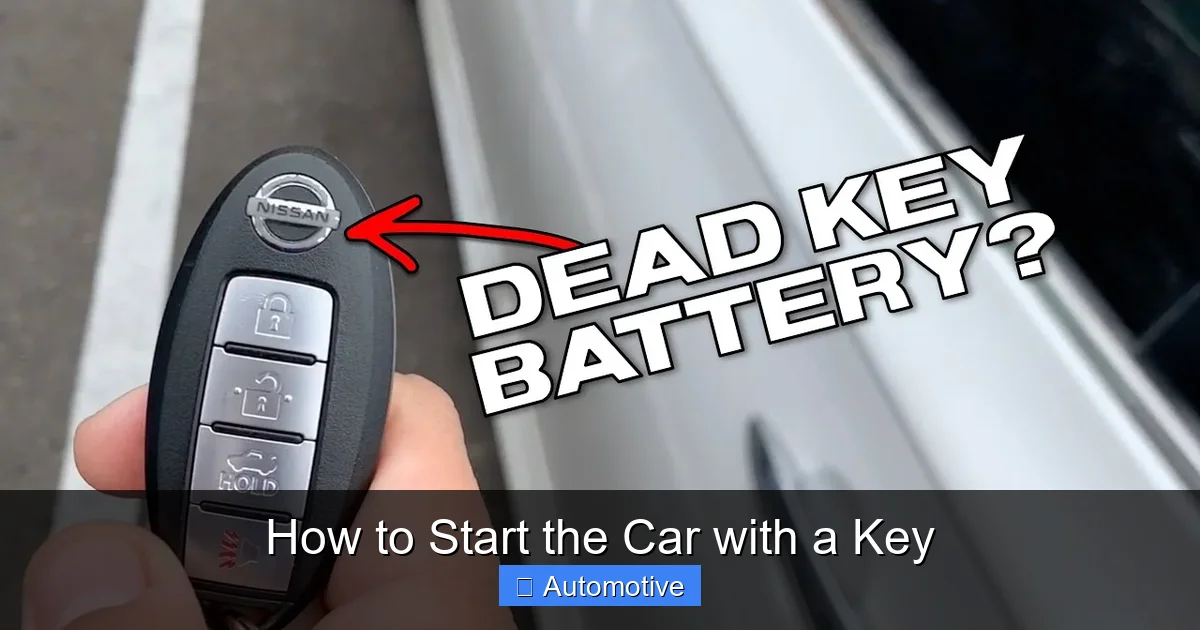
Visual guide about How to Start the Car with a Key
Image source: i.ytimg.com
Step 1: Enter the Vehicle Safely
Before you even touch the key, make sure you’re entering the car safely. Check your surroundings for traffic, pedestrians, or obstacles. If you’re parked on a hill, ensure the parking brake is engaged. Open the door gently and sit in the driver’s seat with your seatbelt fastened.
Step 2: Insert the Key Properly
Locate the ignition cylinder—usually on the right side of the steering column. Insert the key smoothly and fully. Avoid forcing it. If the key doesn’t go in easily, check that it’s the right key and that it’s not bent or damaged. Some keys have a specific orientation (e.g., logo facing up), so pay attention to how it fits.
Step 3: Check the Gear Position
This step is critical. For automatic cars, make sure the gear selector is in “Park” (P). If it’s in any other position, the car may not start, or worse—it could lurch forward when you turn the key. For manual transmissions, ensure the car is in neutral and the clutch pedal is fully depressed. This prevents the engine from stalling or the car from moving unexpectedly.
Step 4: Turn Off Accessories
To reduce strain on the battery and starter, turn off non-essential electrical systems. This includes the air conditioning, heater, radio, lights, and phone chargers. While modern cars can handle some load, minimizing it gives the battery a better chance to deliver full power to the starter motor.
Step 5: Turn the Key to Start the Engine
Now, slowly turn the key clockwise through the positions:
- Off: Key is inserted but not turned.
- Accessory: First click—powers accessories.
- On: Second click—dashboard lights up, fuel pump primes.
- Start: Final turn—starter motor engages.
Hold the key in the “Start” position only until the engine fires up—usually 1 to 3 seconds. Once the engine is running, release the key immediately. It will spring back to the “On” position, and the engine will continue running.
Step 6: Let the Engine Warm Up (If Needed)
In cold weather, it’s wise to let the engine idle for 30 seconds to a minute before driving. This allows oil to circulate and the engine to reach optimal operating temperature. However, modern engines don’t need long warm-up periods—driving gently for the first few minutes is often sufficient.
Starting a Manual vs. Automatic Car with a Key
While the core process is the same, manual and automatic transmissions require slightly different approaches when starting the car with a key.
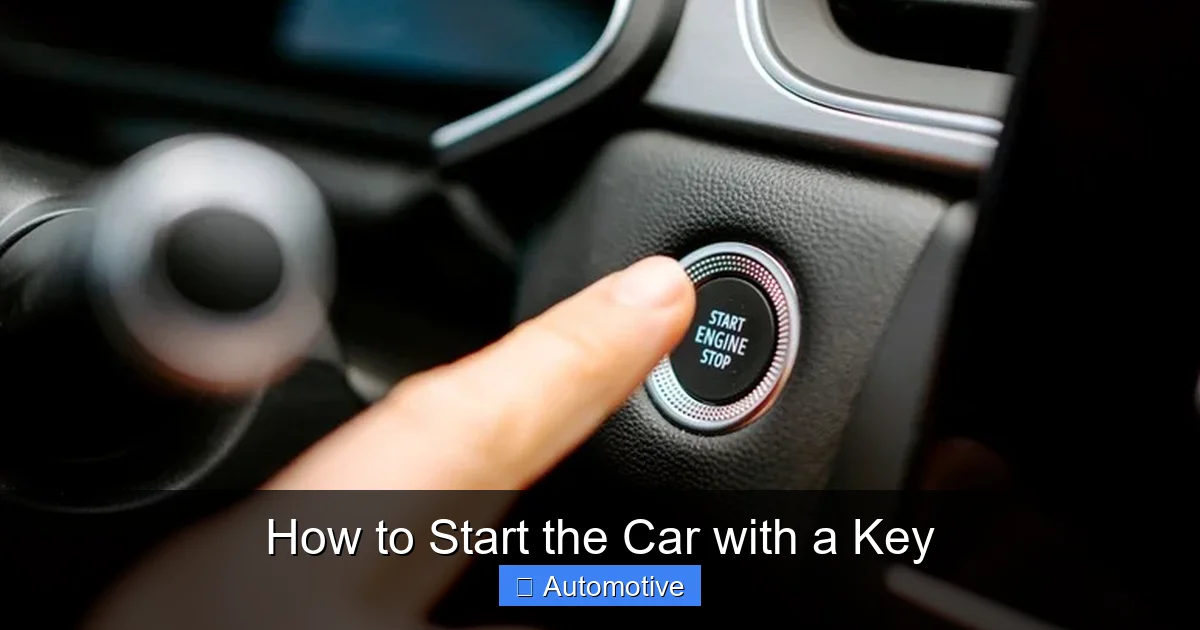
Visual guide about How to Start the Car with a Key
Image source: blog.nationwide.com
Automatic Transmission
For automatics, the key steps are straightforward:
- Ensure the gear is in “Park” or “Neutral.”
- Press the brake pedal (required in most modern cars).
- Turn the key to start.
Many newer automatic cars also have a safety interlock that prevents starting unless the brake is pressed. This prevents accidental movement.
Manual Transmission
Manual cars require extra attention:
- Press the clutch pedal all the way down.
- Make sure the gear is in neutral (you should be able to move the shifter freely).
- Turn the key to start while holding the clutch.
Releasing the clutch too soon can cause the engine to stall. Some manuals also have a clutch safety switch that prevents starting unless the pedal is fully depressed.
Common Mistakes to Avoid
Even experienced drivers make errors. Here are a few to watch out for:
- Forgetting to press the brake (automatics) or clutch (manuals): This can prevent the car from starting or cause it to lurch.
- Turning the key too quickly: This can cause the starter to engage before the fuel system is ready, leading to hard starts.
- Cranking for too long: Holding the key in “Start” for more than 5–7 seconds can overheat the starter motor.
- Ignoring dashboard warnings: If the check engine light or battery light stays on after starting, have the car inspected.
Troubleshooting Common Key Start Problems
Sometimes, despite doing everything right, the car won’t start. Here’s how to diagnose and fix the most common issues.
The Engine Doesn’t Crank at All
If you turn the key and nothing happens—no sound, no lights—the problem is likely electrical.
- Check the battery: A dead or weak battery is the most common cause. Look for dim lights or a clicking sound. Try jump-starting the car or replacing the battery.
- Inspect the key and ignition cylinder: A worn key or dirty cylinder can prevent proper contact. Clean the key with alcohol and try again.
- Test the starter motor: If the battery is good but there’s no crank, the starter may be faulty. Listen for a single loud click—this often indicates a bad starter solenoid.
The Engine Cranks But Won’t Start
If the engine turns over but doesn’t fire, the issue is likely fuel or ignition-related.
- Check the fuel level: It sounds obvious, but running out of gas is a common cause.
- Listen for the fuel pump: When you turn the key to “On,” you should hear a brief hum from the fuel pump. If not, the pump or relay may be faulty.
- Inspect spark plugs: Worn or fouled spark plugs can prevent ignition. Have them checked during routine maintenance.
Grinding or Clicking Sounds
These noises often point to mechanical issues.
- Grinding during cranking: Could mean the starter gear is not engaging properly with the flywheel. This may require starter replacement.
- Rapid clicking: Usually a sign of a weak battery. The starter solenoid is trying to engage but lacks sufficient power.
Key Won’t Turn in the Ignition
If the key won’t turn, don’t force it.
- Check the steering lock: If the wheels are turned sharply, the steering lock may be engaged. Gently wiggle the steering wheel left and right while turning the key.
- Lubricate the cylinder: Use a graphite-based lubricant (not oil) to free up sticky tumblers.
- Replace the key: A worn key may no longer align the tumblers correctly.
Tips for Maintaining Your Key and Ignition System
Prevention is always better than repair. Regular maintenance can keep your keyed ignition working smoothly for years.
Keep Your Key Clean and Undamaged
Dirt, grease, and moisture can build up on your key and inside the ignition cylinder. Wipe your key with a dry cloth regularly. Avoid using water or harsh chemicals. If the key is bent or chipped, get a replacement from your dealer or a locksmith.
Use a Keychain Wisely
Heavy keychains can put stress on the ignition cylinder over time, leading to premature wear. Use a lightweight chain or keep keys separate. Also, avoid swinging the keychain while driving—it can distract you and damage the ignition.
Check Battery Health Annually
A weak battery is the #1 reason cars fail to start. Have your battery tested every year, especially before winter. Most auto parts stores offer free testing. Replace batteries every 3–5 years, depending on climate and usage.
Inspect Wiring and Connections
Corroded or loose connections in the ignition circuit can cause intermittent starting issues. If you’re comfortable doing so, check the battery terminals, starter connections, and ignition switch wiring. Otherwise, have a mechanic inspect them during routine service.
Consider an Ignition Cylinder Replacement
If your key is hard to turn, gets stuck, or the steering lock engages randomly, the ignition cylinder may be worn. Replacing it is a moderate repair that can restore smooth operation. Always use a qualified technician to avoid damaging the immobilizer system (if equipped).
When to Call a Professional
While many starting issues can be resolved with basic troubleshooting, some problems require expert help.
- Repeated no-start conditions: If the car won’t start consistently, there may be an underlying issue with the fuel system, ignition coils, or engine control module.
- Electrical faults: Flickering lights, blown fuses, or burning smells indicate serious electrical problems.
- Ignition cylinder damage: If the key is stuck or the cylinder is physically damaged, a locksmith or mechanic should assess it.
- Immobilizer issues: Modern cars with anti-theft systems may not start if the key’s chip isn’t recognized. This often requires dealer-level diagnostics.
Don’t ignore persistent problems. What starts as a minor inconvenience can become a major repair if left unchecked.
Conclusion
Learning how to start the car with a key is more than just a basic driving skill—it’s a foundation for understanding your vehicle’s mechanics and staying safe on the road. While technology continues to evolve, the traditional key remains a reliable and essential tool for millions of drivers. By following the steps outlined in this guide, you can start your car confidently, troubleshoot common issues, and maintain your ignition system for years to come.
Remember, the key to a smooth start isn’t just in the turning—it’s in the preparation. Check your gear, listen to your car, and treat your key and ignition with care. Whether you’re driving a 1995 sedan or a 2010 hatchback, these principles apply. So the next time you slide that key into the ignition, you’ll know exactly what’s happening under the hood—and how to keep your car running strong.
Frequently Asked Questions
Can I start my car with a key if the battery is dead?
It depends. If the battery is completely dead, the car may not have enough power to crank the engine. However, you can try jump-starting it. Once the engine is running, the alternator will recharge the battery. For keyless systems, a dead fob battery may require using the physical key hidden inside the fob.
Why won’t my key turn in the ignition?
This is often due to the steering wheel being locked. Gently wiggle the steering wheel left and right while turning the key. If that doesn’t work, the ignition cylinder may be worn or dirty. Avoid forcing the key, as this can cause damage.
Is it bad to hold the key in the “Start” position too long?
Yes. Holding the key in “Start” for more than 5–7 seconds can overheat the starter motor and drain the battery. Only crank the engine until it starts, then release the key immediately.
Can a dirty key prevent the car from starting?
Yes. Dirt, grease, or corrosion on the key can interfere with the ignition cylinder’s tumblers. Clean the key with a soft cloth and isopropyl alcohol. For stubborn grime, use a small brush.
Do all cars have a physical key as a backup?
Most modern cars with keyless ignition include a physical key hidden inside the fob. This key can be used to unlock the door and start the car if the fob battery dies. Check your owner’s manual for details.
How often should I replace my car key?
Car keys don’t have a set lifespan, but they should be replaced if they’re bent, chipped, or no longer turn smoothly in the ignition. Worn keys can damage the ignition cylinder over time.
