
Car Battery Charger

A car battery charger is an essential tool for maintaining your vehicle’s battery health, especially during long periods of inactivity or cold weather. Whether you’re a daily driver or a weekend warrior, understanding how to use a charger properly can save you from unexpected breakdowns and costly replacements.
Key Takeaways
- Prevents Battery Drain: A car battery charger helps maintain optimal charge levels, preventing deep discharge that can shorten battery life.
- Extends Battery Lifespan: Regular charging reduces sulfation, a common cause of battery failure, helping your battery last longer.
- Convenient for Seasonal Vehicles: Ideal for motorcycles, RVs, boats, and classic cars that sit unused for weeks or months.
- Multiple Charging Modes: Modern chargers offer smart features like trickle charging, desulfation, and maintenance mode for safe, efficient use.
- Safety Features Matter: Look for overload protection, reverse polarity alerts, and spark-proof technology to prevent accidents.
- Easy to Use: Most chargers are plug-and-play—just connect the clamps, set the mode, and let it do the work.
- Cost-Effective Solution: A quality charger is cheaper than frequent battery replacements or emergency jump-starts.
📑 Table of Contents
What Is a Car Battery Charger?
A car battery charger is a device designed to replenish the electrical energy stored in your vehicle’s battery. Unlike a jump starter, which provides a quick burst of power to start a dead engine, a charger slowly and safely restores the battery’s charge over time. Think of it as a “battery doctor” that helps maintain, revive, and prolong the life of your car’s power source.
Most car batteries are lead-acid types, which naturally lose charge over time—especially when the car isn’t driven regularly. This is where a car battery charger becomes invaluable. Whether you’re dealing with a weak battery in winter, storing a vehicle for the season, or simply want to keep your battery in peak condition, a charger ensures your car starts reliably every time.
How Does a Car Battery Charger Work?
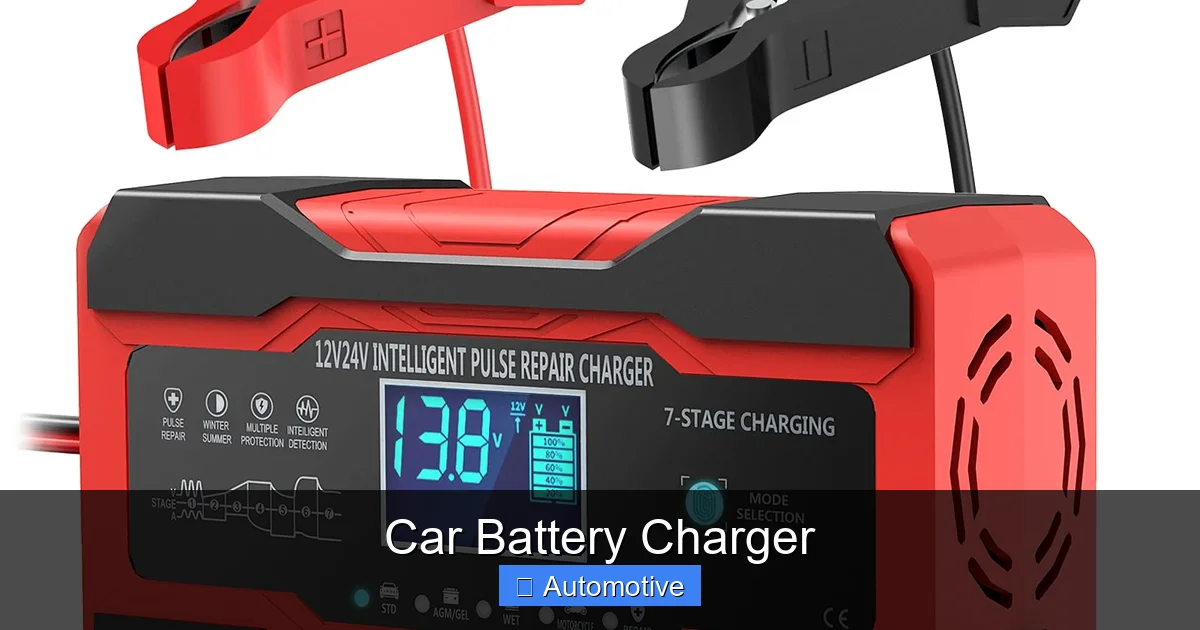
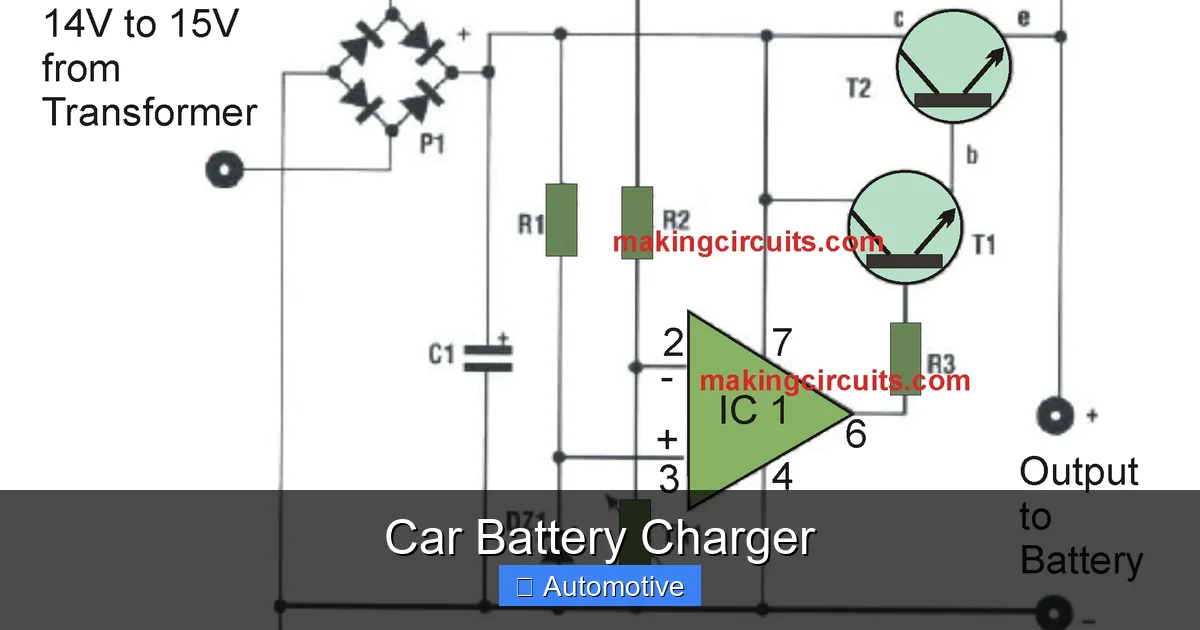
At its core, a car battery charger converts AC power from your wall outlet into DC power that the battery can store. It does this using internal circuitry that regulates voltage and current to match the battery’s needs. For example, a 12-volt car battery typically requires a charging voltage between 13.8 and 14.4 volts to charge safely and efficiently.
Modern chargers often include microprocessors that monitor the battery’s state of charge and adjust the power output accordingly. This prevents overcharging, which can damage the battery, and undercharging, which leaves it weak. Some advanced models even detect battery type (flooded, AGM, gel) and automatically select the best charging profile.
Why You Need a Car Battery Charger
Visual guide about Car Battery Charger
Image source: m.media-amazon.com
You might be thinking, “My car starts fine—why do I need a charger?” That’s a fair question. But even if your battery seems healthy, there are several compelling reasons to invest in a car battery charger.
First, batteries naturally self-discharge. A typical car battery loses about 1% of its charge per day when the vehicle is off. If your car sits for a week or more—say, during a vacation or winter storage—that’s enough to leave it too weak to start. A charger prevents this by maintaining a full charge.
Second, extreme temperatures take a toll. Cold weather slows chemical reactions inside the battery, reducing its ability to deliver power. In winter, a partially charged battery is more likely to freeze and fail. A charger keeps it topped up and ready.
Third, modern cars have more electronics than ever—infotainment systems, alarms, GPS, and more—that draw small amounts of power even when the engine is off. This “parasitic drain” can slowly deplete the battery over time. A charger counteracts this by replenishing what’s lost.
Real-Life Scenarios Where a Charger Saves the Day
Imagine you’re heading out for a weekend trip, but your car won’t start. You pop the hood and realize the battery is dead. You call a friend for a jump-start, but now you’re stuck waiting—and your battery is still weak. With a car battery charger, you could have avoided this entirely by keeping the battery charged during the week.
Or picture this: You own a classic Mustang that you only drive in the summer. During the winter months, it sits in the garage. Without a charger, the battery slowly drains and may not hold a charge come spring. But with a trickle charger connected, it stays ready to go the moment you want to take it for a spin.
Even if you drive daily, a charger is useful for peace of mind. If you accidentally leave your lights on overnight, a quick charge can revive the battery instead of replacing it. Over time, that one purchase pays for itself many times over.
Types of Car Battery Chargers
Visual guide about Car Battery Charger
Image source: evlithiumcharger.com
Not all car battery chargers are created equal. Understanding the different types helps you choose the right one for your needs. Here are the most common categories:
Trickle Chargers
Trickle chargers deliver a low, steady current to the battery over a long period. They’re ideal for maintaining charge in vehicles that aren’t used often, like motorcycles, boats, or seasonal cars. Because they charge slowly, they’re less likely to overheat or damage the battery.
However, trickle chargers require supervision. If left connected too long, they can overcharge the battery, leading to water loss and reduced lifespan. Some newer models include automatic shut-off features to prevent this.
Smart Chargers (Automatic Chargers)
Smart chargers are the gold standard for most drivers. They use advanced electronics to monitor the battery and adjust the charging rate in real time. Once the battery reaches full charge, they switch to a maintenance or “float” mode, keeping it topped up without overcharging.
These chargers often come with multiple modes—like fast charge, slow charge, and desulfation—so you can tailor the process to your battery’s condition. Many also have safety features like reverse polarity protection and spark-proof clamps.
Multi-Bank Chargers
If you have more than one vehicle or battery to maintain, a multi-bank charger is a great option. These devices can charge two or more batteries simultaneously, each with independent monitoring. They’re popular among RV owners, boaters, and collectors with multiple cars.
Portable vs. Stationary Chargers
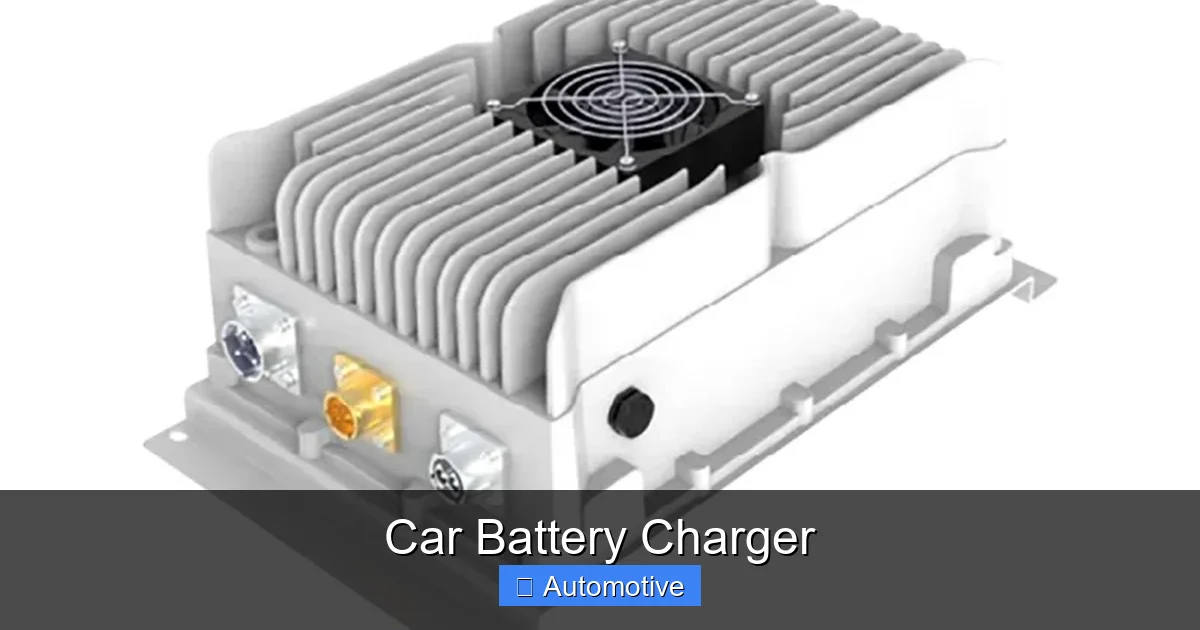
Portable chargers are compact and battery-powered, making them ideal for roadside emergencies. However, they’re usually jump starters with limited charging capacity. For regular maintenance, a stationary charger that plugs into a wall outlet is more effective.
12V vs. 6V Chargers
Most modern cars use 12-volt batteries, but older vehicles—like classic cars or some motorcycles—may use 6-volt systems. Make sure your charger matches your battery’s voltage. Using the wrong voltage can damage the battery or fail to charge it at all.
How to Choose the Right Car Battery Charger
Visual guide about Car Battery Charger
Image source: makingcircuits.com
With so many options on the market, picking the right car battery charger can feel overwhelming. But by focusing on a few key factors, you can find one that fits your needs and budget.
Battery Compatibility
First, confirm your battery type. Most cars use standard flooded lead-acid batteries, but some newer models have AGM (Absorbent Glass Mat) or gel batteries. These require specific charging profiles to avoid damage. Look for a charger that supports your battery type—many smart chargers auto-detect this.
Charging Speed (Amperage)
Chargers are rated by amperage (amps), which determines how fast they charge. A 2-amp charger is slow but safe for long-term maintenance. A 10-amp charger can recharge a dead battery in a few hours. For most drivers, a 4- to 6-amp smart charger offers a good balance of speed and safety.
Smart Features
Look for features like:
- Automatic shut-off when fully charged
- Reverse polarity protection (alerts if clamps are connected wrong)
- Spark-proof technology
- LED indicators or digital displays
- Desulfation mode to revive old batteries
These features make the charger safer and easier to use, especially for beginners.
Ease of Use
Choose a charger with clear instructions, color-coded clamps (red for positive, black for negative), and a simple interface. Some models come with built-in cables and storage compartments, making them more convenient to store and use.
Price and Warranty
You can find basic chargers for under $30, but investing $50–$100 gets you a smart charger with better safety and performance. Check the warranty—most reputable brands offer at least a 1- to 2-year warranty.
Brand Reputation
Stick with trusted brands like NOCO, Battery Tender, CTEK, or Schumacher. These companies have a track record of reliability and customer support.
How to Use a Car Battery Charger Safely
Using a car battery charger is simple, but safety should always come first. Follow these steps to charge your battery correctly and avoid accidents.
Step 1: Read the Manual
Every charger is different. Before you begin, read the manufacturer’s instructions. They’ll tell you about specific features, safety warnings, and charging modes.
Step 2: Prepare the Area
Work in a well-ventilated area, away from open flames or sparks. Batteries can release hydrogen gas, which is flammable. Remove any jewelry, and wear safety glasses and gloves.
Step 3: Turn Off the Engine and Accessories
Make sure the car is off, and all lights, radio, and accessories are turned off. This prevents power surges and ensures accurate charging.
Step 4: Locate the Battery
In most cars, the battery is under the hood. In some models, it’s in the trunk or under a seat. Check your owner’s manual if you’re unsure.
Step 5: Connect the Charger
Attach the red (positive) clamp to the positive terminal (+) and the black (negative) clamp to the negative terminal (–). If your car has a maintenance-free battery with covered terminals, use the provided adapters.
Never connect the clamps in reverse—this can damage the battery, charger, or car electronics. Most smart chargers will alert you if the polarity is wrong.
Step 6: Plug In and Start Charging
Plug the charger into a grounded outlet and turn it on. Select the appropriate charging mode if your charger has options. Let it run until the battery is fully charged—this can take anywhere from a few hours to overnight, depending on the charger and battery condition.
Step 7: Disconnect and Test
Once charging is complete, unplug the charger before removing the clamps. Remove the black clamp first, then the red. Start your car to confirm it’s working properly.
Safety Tips
- Never charge a frozen battery—warm it up first.
- Don’t charge a damaged or leaking battery.
- Keep children and pets away from the charging area.
- Unplug the charger when not in use.
Maintaining Your Car Battery Charger
Like any tool, your car battery charger needs care to perform well and last long. Here’s how to keep it in top shape:
Store It Properly
Keep the charger in a dry, cool place, away from moisture and extreme temperatures. Coil the cables neatly to prevent damage.
Clean the Clamps
Over time, corrosion can build up on the clamps. Wipe them with a clean, dry cloth. For stubborn buildup, use a mixture of baking soda and water, then dry thoroughly.
Check for Damage
Inspect the charger, cables, and clamps regularly for cracks, fraying, or loose connections. If you notice any damage, stop using it and replace it.
Update Firmware (If Applicable)
Some smart chargers allow firmware updates via USB or app. Check the manufacturer’s website for updates that improve performance or add features.
Test It Periodically
Even if you don’t use it often, test your charger every few months to make sure it’s working. A dead charger when you need it most is worse than no charger at all.
Common Mistakes to Avoid
Even experienced drivers make mistakes when using a car battery charger. Here are some common pitfalls and how to avoid them:
Overcharging the Battery
Leaving a charger connected too long can overheat the battery and cause damage. Always use a smart charger with automatic shut-off, or set a timer if using a basic model.
Ignoring Battery Type
Using the wrong charging mode for your battery type can reduce its lifespan. For example, AGM batteries need a lower voltage than flooded batteries. Check your battery label and charger settings.
Charging in Extreme Temperatures
Avoid charging in very hot or cold environments. High heat can cause the battery to overheat, while cold temperatures reduce charging efficiency.
Skipping Safety Precautions
Rushing through the process increases the risk of sparks, shocks, or acid exposure. Take your time and follow safety steps every time.
Buying the Cheapest Option
A $20 charger might seem like a bargain, but it could lack safety features or fail prematurely. Invest in a quality charger from a reputable brand.
Conclusion
A car battery charger is more than just a backup tool—it’s a smart investment in your vehicle’s reliability and longevity. Whether you’re maintaining a daily driver, storing a classic car, or preparing for winter, the right charger keeps your battery healthy and ready to go.
By understanding the different types, choosing a model with the right features, and using it safely, you can avoid unexpected breakdowns and extend the life of your battery. With so many affordable, user-friendly options available, there’s no reason not to add a car battery charger to your automotive toolkit.
Don’t wait until your car won’t start. Get a charger today, and enjoy the peace of mind that comes with knowing your battery is always in top condition.
Frequently Asked Questions
Can I leave a car battery charger connected overnight?
Yes, if you’re using a smart charger with automatic shut-off. These chargers stop charging when the battery is full and switch to maintenance mode. Avoid leaving basic trickle chargers connected for extended periods without supervision.
How long does it take to charge a car battery?
Charging time depends on the charger’s amperage and the battery’s state of charge. A 10-amp charger can recharge a dead battery in 4–6 hours, while a 2-amp charger may take 12–24 hours. Always follow the manufacturer’s guidelines.
Can I charge a car battery while it’s still in the car?
Yes, most chargers are designed to charge the battery while it’s installed. Just make sure all electronics are off and follow proper connection procedures. Some vehicles may require disconnecting the negative terminal first—check your manual.
What’s the difference between a battery charger and a jump starter?
A jump starter provides a quick burst of power to start a dead engine, while a charger slowly restores the battery’s charge over time. Jump starters are for emergencies; chargers are for maintenance and long-term care.
Can a car battery charger revive a completely dead battery?
It depends on the battery’s condition. A charger can often revive a deeply discharged battery, but if the battery is old, damaged, or sulfated, it may not hold a charge. Try a desulfation mode if your charger has one.
Do I need a special charger for an AGM battery?
Yes, AGM batteries require a lower charging voltage than standard flooded batteries. Using the wrong charger can damage the battery. Look for a smart charger that supports AGM or auto-detects battery type.
