
How Tall Is a 235/85r16 Tire

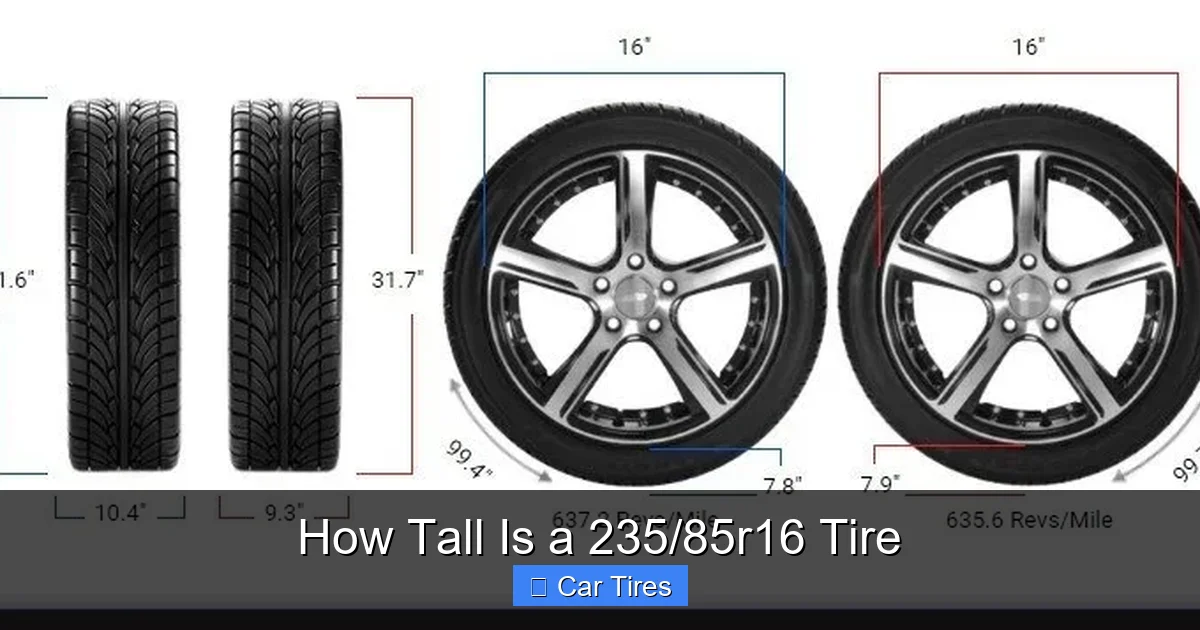
So, how tall is a 235/85r16 tire? The answer is about 31.7 inches in diameter. This popular all-terrain and light-truck tire size offers a great balance of ground clearance, load capacity, and on-road comfort, making it a favorite for SUVs, Jeeps, and pickup trucks.
Key Takeaways
- Exact Height: A 235/85r16 tire stands approximately 31.7 inches tall, measured from the ground to the top of the tread.
- Width and Sidewall: The tire is 9.3 inches wide with a sidewall height of about 7.8 inches, contributing to its rugged profile.
- Common Uses: This size is widely used on off-road vehicles, SUVs, and light trucks due to its durability and load-carrying ability.
- Load and Speed Ratings: Most 235/85r16 tires have a load range of E (10-ply) and speed ratings up to 100 mph, ideal for heavy-duty use.
- Fuel Efficiency and Ride Comfort: The taller sidewall provides a smoother ride over rough terrain but may slightly reduce fuel economy compared to lower-profile tires.
- Compatibility Tips: Always check wheel well clearance and suspension limits before upgrading to this size to avoid rubbing or handling issues.
- Seasonal Performance: Available in all-season, all-terrain, and mud-terrain variants, this tire adapts well to various climates and driving conditions.
📑 Table of Contents
- Introduction: Why Tire Height Matters
- Breaking Down the Tire Size: What Does 235/85r16 Mean?
- Calculating the Exact Height of a 235/85r16 Tire
- Practical Implications of a 31.7-Inch Tire
- Choosing the Right 235/85r16 Tire for Your Needs
- Installation and Compatibility Tips
- Conclusion: Is the 235/85r16 Right for You?
Introduction: Why Tire Height Matters
When you’re shopping for new tires, especially for an SUV, Jeep, or light truck, one of the first questions that comes up is: how tall is a 235/85r16 tire? It might seem like a simple detail, but tire height affects everything from your vehicle’s ground clearance and handling to fuel economy and overall performance. Whether you’re planning an off-road adventure or just want better ride comfort on rough roads, knowing the exact dimensions of your tires is crucial.
The 235/85r16 is a popular tire size that strikes a great balance between rugged capability and everyday usability. It’s commonly found on vehicles like the Jeep Wrangler, Ford F-150, Toyota Tacoma, and Chevrolet Silverado. But beyond just fitting your rims, this tire size influences how your vehicle behaves on the road—how it accelerates, brakes, and turns. And yes, even your speedometer accuracy can be affected if you switch to a significantly taller or shorter tire. So, let’s dive into the specifics and uncover exactly how tall a 235/85r16 tire really is—and why that number matters more than you might think.
Breaking Down the Tire Size: What Does 235/85r16 Mean?
Before we get into the height, it helps to understand what each part of the tire code means. The designation “235/85r16” might look like a random string of numbers and letters, but it’s actually a precise measurement system used worldwide. Let’s break it down piece by piece so you can read any tire size like a pro.
Visual guide about How Tall Is a 235/85r16 Tire
Image source: tirespick.com
Understanding the Numbers: 235, 85, R, and 16
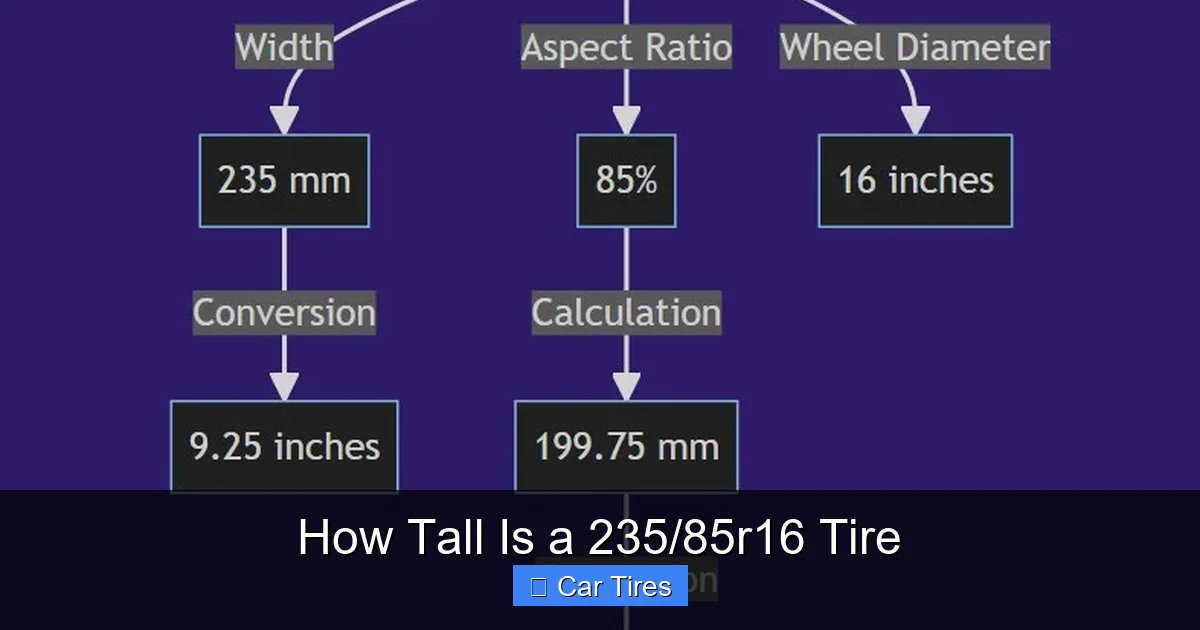
The first number, 235, refers to the tire’s width in millimeters. That’s the measurement from one sidewall to the other when the tire is mounted and inflated. So, a 235 tire is 235 millimeters wide—roughly 9.3 inches. This width affects traction, stability, and how the tire handles in different conditions. Wider tires generally offer better grip, especially in dry conditions, but can be noisier and less fuel-efficient.
The second number, 85, is the aspect ratio. This tells you the height of the tire’s sidewall as a percentage of its width. In this case, 85 means the sidewall is 85% as tall as the tire is wide. So, 85% of 235 mm equals about 199.75 mm, or roughly 7.86 inches. A higher aspect ratio like 85 means a taller, more flexible sidewall—great for absorbing bumps and improving ride comfort, especially on uneven terrain.
The letter R stands for “radial,” which refers to the internal construction of the tire. Radial tires have layers of fabric and steel belts running radially across the tire, making them more durable, fuel-efficient, and better at handling heat than older bias-ply designs. Almost all modern tires are radial, so you’ll see this “R” in most tire sizes today.
Finally, the number 16 indicates the diameter of the wheel (or rim) that the tire is designed to fit, measured in inches. So, a 235/85r16 tire is built to mount perfectly on a 16-inch wheel. This is important because you can’t just slap any tire on any rim—matching the correct rim diameter is essential for safety and performance.
Why the Aspect Ratio Affects Height
Now that you know what each number means, it’s easier to see how they work together to determine the overall height of the tire. The aspect ratio plays a huge role here. A tire with a higher aspect ratio—like 85—will have a taller sidewall, which directly increases the total diameter. That’s why a 235/85r16 is significantly taller than, say, a 235/70r16, even though both are 235 mm wide and fit 16-inch rims.
For example, a 235/70r16 tire has a sidewall that’s 70% of 235 mm, or about 164.5 mm. That’s nearly 35 mm (or over an inch) shorter than the 235/85r16. When you double that difference (since there are two sidewalls—top and bottom), the total height difference becomes even more noticeable. This is why understanding the aspect ratio is key when comparing tire sizes or considering an upgrade.
Calculating the Exact Height of a 235/85r16 Tire
Now for the big question: how tall is a 235/85r16 tire? To get the exact diameter, we need to do a little math—but don’t worry, it’s simpler than it sounds. The total height of a tire is calculated by adding the diameter of the wheel to twice the sidewall height (since the sidewall contributes to both the top and bottom of the tire).
Visual guide about How Tall Is a 235/85r16 Tire
Image source: tireblogger.com
Step-by-Step Height Calculation
Let’s walk through the calculation together. First, convert the tire width from millimeters to inches, since the rim diameter is in inches. There are 25.4 millimeters in an inch, so:
- 235 mm ÷ 25.4 = 9.25 inches (tire width)
Next, calculate the sidewall height using the aspect ratio:
- 9.25 inches × 0.85 (85%) = 7.86 inches (sidewall height)
Now, multiply the sidewall height by 2 (for top and bottom):
- 7.86 inches × 2 = 15.72 inches
Finally, add the rim diameter:
- 15.72 inches + 16 inches = 31.72 inches
So, the total diameter of a 235/85r16 tire is approximately 31.7 inches. That’s the official answer to “how tall is a 235/85r16 tire?”—and it’s a number that has real-world implications for your vehicle.
Real-World Measurement vs. Calculated Height
It’s worth noting that the actual measured height of a tire can vary slightly depending on the brand, tread design, and inflation pressure. For example, a heavily treaded mud-terrain tire might measure a bit taller due to deeper lugs, while a highway-focused all-season tire could be slightly shorter. But in general, most 235/85r16 tires will fall within the 31.5 to 31.9-inch range.
Manufacturers often list the overall diameter in their specifications, so you can double-check your calculations. For instance, BFGoodrich, Goodyear, and Cooper all list their 235/85r16 models at around 31.7 inches. This consistency across brands confirms that our calculation is spot-on.
Practical Implications of a 31.7-Inch Tire
Now that we know the height, let’s talk about what it means for your driving experience. A 31.7-inch tire isn’t just a number—it affects how your vehicle performs in everyday situations and under stress.
Visual guide about How Tall Is a 235/85r16 Tire
Image source: tireblogger.com
Ground Clearance and Off-Road Capability
One of the biggest advantages of a taller tire like the 235/85r16 is increased ground clearance. With nearly 32 inches of diameter, your vehicle sits higher off the ground, which is a major benefit when driving over rocks, ruts, or deep potholes. This is why this tire size is so popular among off-road enthusiasts and overlanders.
For example, if your Jeep Wrangler originally came with 30-inch tires, upgrading to 31.7-inch 235/85r16s gives you an extra 1.7 inches of clearance. That might not sound like much, but on a trail, it could mean the difference between clearing a obstacle and getting hung up on your differential. Plus, the taller sidewall provides more flex, helping the tire conform to uneven surfaces and maintain traction.
Load Capacity and Durability
Most 235/85r16 tires are rated for Load Range E, which means they’re built with 10-ply construction (even if they don’t actually have 10 physical plies). This gives them a high load capacity—often around 3,085 pounds per tire at maximum inflation. That’s more than enough for hauling gear, towing a trailer, or carrying a full crew on a camping trip.
This durability makes the 235/85r16 a favorite for work trucks and overland builds. Whether you’re driving a Ford F-250 or a Toyota 4Runner, this tire can handle heavy loads without sacrificing ride quality. Just remember to keep them properly inflated—underinflated Load Range E tires can overheat and fail, especially when carrying heavy loads.
Fuel Economy and Rolling Resistance
Of course, there’s a trade-off. Taller, wider tires like the 235/85r16 typically have higher rolling resistance than smaller, lower-profile tires. This means your engine has to work a little harder to keep them moving, which can reduce fuel economy by 1–3 miles per gallon, depending on driving conditions.
But for many drivers, the benefits outweigh the cost. If you’re using your vehicle for off-roading, towing, or hauling, the improved capability is worth the slight drop in fuel efficiency. And if you stick with an all-terrain tire (rather than a aggressive mud-terrain), the impact on gas mileage is often minimal.
Speedometer and Odometer Accuracy
Here’s a less obvious but important point: changing tire size affects your speedometer and odometer readings. Since a 31.7-inch tire covers more ground per revolution than a smaller tire, your vehicle will actually be traveling faster than the speedometer indicates.
For example, if your vehicle was originally equipped with 30-inch tires and you switch to 31.7-inch 235/85r16s, your speedometer will read about 5.7% low. So when it says 60 mph, you’re actually going closer to 63.4 mph. Over time, this can also cause your odometer to underreport mileage, which might affect maintenance schedules or resale value.
The good news? Many modern vehicles allow you to recalibrate the speedometer through the onboard computer or with a handheld tuner. If yours doesn’t, you can use a GPS-based speedometer app to check your actual speed.
Choosing the Right 235/85r16 Tire for Your Needs
Not all 235/85r16 tires are created equal. While they all share the same dimensions, they come in different tread patterns, compounds, and performance ratings. Choosing the right one depends on how you use your vehicle.
All-Season vs. All-Terrain vs. Mud-Terrain
If you mostly drive on paved roads but want extra durability, an all-season 235/85r16 tire is a solid choice. These tires offer good wet and dry traction, low road noise, and long tread life. Brands like Michelin and Goodyear offer excellent all-season options in this size.
For drivers who venture off the beaten path, an all-terrain tire is the way to go. These tires have more aggressive tread than all-season models but are still quiet and comfortable on highways. They’re perfect for weekend camping trips, gravel roads, and light rock crawling. Popular choices include the BFGoodrich All-Terrain T/A KO2 and the Cooper Discoverer AT3.
If you’re a serious off-roader who tackles mud, rocks, and deep snow, consider a mud-terrain tire. These have deep, chunky lugs that provide maximum grip in extreme conditions. However, they tend to be noisier on pavement and wear faster. The Goodyear Wrangler MT/R and Nitto Trail Grappler are top picks in this category.
Load Range and Speed Rating
As mentioned earlier, most 235/85r16 tires are Load Range E, but some are Load Range D (8-ply). If you’re towing or hauling heavy loads, stick with Load Range E for extra strength. Also, check the speed rating—most are rated for 100 mph (marked as “L” or “M”), which is more than enough for normal driving. Only high-performance trucks need higher ratings.
Brand and Price Considerations
Prices for 235/85r16 tires can range from $150 to $300+ per tire, depending on brand and type. While it’s tempting to go for the cheapest option, remember that tires are a critical safety component. Investing in a reputable brand with good reviews can save you money in the long run by lasting longer and performing better.
Look for tires with strong warranties, good treadwear ratings, and positive user feedback. And don’t forget to factor in installation, balancing, and alignment costs when budgeting for your new set.
Installation and Compatibility Tips
Before you buy a set of 235/85r16 tires, make sure they’ll fit your vehicle properly. Even though the size is common, not all trucks and SUVs can accommodate it without modifications.
Checking Wheel Well and Suspension Clearance
The first step is to measure the space around your current tires. You’ll want at least 1/2 inch of clearance between the tire and the fender, suspension components, and steering linkage—especially when the wheels are turned or the suspension is compressed.
If your vehicle came with smaller tires, you might need to install a lift kit or leveling kit to prevent rubbing. For example, a 2-inch lift on a Jeep Wrangler can easily accommodate 31.7-inch tires without issues. But on a stock Ford Ranger, you might experience rubbing at full turn or over bumps.
Wheel Compatibility
Make sure your wheels are compatible with the tire’s width and load rating. A 235/85r16 tire typically fits best on an 16×7 to 16×8.5-inch wheel with a backspacing of 4.5 to 5.5 inches. Wheels that are too narrow or too wide can cause uneven wear or handling problems.
Also, check the bolt pattern and center bore to ensure a proper fit. Most trucks and SUVs use a 6×5.5 or 8×6.5 bolt pattern, but it varies by make and model.
Professional Installation Is Key
Even if you’re handy with tools, tire installation is best left to professionals. They’ll mount, balance, and align your tires correctly, which is essential for even wear, smooth handling, and safety. Plus, they can spot potential fitment issues before they become problems.
Conclusion: Is the 235/85r16 Right for You?
So, how tall is a 235/85r16 tire? Now you know: it’s about 31.7 inches in diameter—a size that offers excellent ground clearance, load capacity, and off-road performance. Whether you’re upgrading your daily driver or building an overland rig, this tire size strikes a great balance between capability and comfort.
But remember, tire height isn’t just a number. It affects your vehicle’s handling, fuel economy, speedometer accuracy, and even safety. Before making the switch, do your research, measure your clearance, and choose a tire that matches your driving style. With the right 235/85r16 tire, you’ll be ready for anything the road—or trail—throws your way.
Frequently Asked Questions
How tall is a 235/85r16 tire in inches?
A 235/85r16 tire is approximately 31.7 inches tall from the ground to the top of the tread. This measurement includes the 16-inch rim and two sidewalls, each about 7.86 inches high.
Can I put 235/85r16 tires on my stock truck?
It depends on your vehicle. Many trucks and SUVs can fit 235/85r16 tires without modification, but some may require a lift kit or leveling kit to avoid rubbing, especially when turning or over bumps.
Are 235/85r16 tires good for towing?
Yes, most 235/85r16 tires are Load Range E, meaning they can handle heavy loads—up to 3,085 pounds per tire. This makes them ideal for towing trailers, boats, or campers.
Do 235/85r16 tires affect fuel economy?
They can reduce fuel economy slightly—typically by 1–3 mpg—due to increased rolling resistance and weight. However, the trade-off in durability and off-road performance is often worth it.
What vehicles commonly use 235/85r16 tires?
This size is popular on Jeep Wranglers, Ford F-150s, Toyota Tacomas, Chevrolet Silverados, and other light trucks and SUVs, especially those used for off-roading or overlanding.
How do I know if my speedometer is accurate with 235/85r16 tires?
If you’ve changed tire size, your speedometer may read low. Use a GPS app to check your actual speed, and consider recalibrating your vehicle’s computer if possible.