
225/60r18 Tire Size

The 225/60R18 tire size is a popular choice for SUVs, crossovers, and some sedans, offering a balanced mix of comfort, handling, and fuel efficiency. With a width of 225mm, an aspect ratio of 60%, and an 18-inch rim diameter, this size delivers a smooth ride and reliable performance in various driving conditions.
If you’ve ever glanced at the sidewall of your car’s tire and seen “225/60R18,” you’re looking at a tire size that’s become a staple in the modern automotive world. This particular size strikes a sweet spot between performance, comfort, and practicality—making it a favorite among drivers of midsize SUVs, crossovers, and even some larger sedans. Whether you’re cruising down the highway, navigating city streets, or tackling light off-road trails, the 225/60R18 tire size is built to handle it all with confidence.
What makes this tire size so popular? It’s not just about the numbers—it’s about what those numbers represent. The 225 refers to the tire’s width in millimeters, the 60 is the aspect ratio (the height of the sidewall as a percentage of the width), and the R18 means it’s a radial tire designed for an 18-inch wheel. Together, these specs create a tire that’s wide enough for stability, tall enough for a cushioned ride, and modern enough to fit today’s sleek wheel designs. From daily commutes to weekend adventures, this tire size delivers consistent performance across a wide range of vehicles and driving styles.
Key Takeaways
- Common Fitment: The 225/60R18 size is widely used on vehicles like the Honda CR-V, Toyota RAV4, Subaru Outback, and Ford Edge.
- Balanced Performance: Offers a good compromise between ride comfort, cornering stability, and tread life.
- All-Season Dominance: Most 225/60R18 tires are all-season, making them ideal for moderate climates with occasional snow.
- Load and Speed Ratings: Typically rated for load index 100–104 (up to 1,764–1,984 lbs) and speed ratings from T (118 mph) to V (149 mph).
- Fuel Efficiency: Low rolling resistance options help improve gas mileage, especially in hybrid and fuel-efficient models.
- Tire Width and Sidewall: The 225mm width provides grip, while the 60% aspect ratio ensures a comfortable 5.3-inch sidewall for cushioning bumps.
- Replacement Tips: Always match load index, speed rating, and season type when replacing; consider upgrading to touring or performance variants for better handling.
📑 Table of Contents
- Understanding the 225/60R18 Tire Size
- Vehicle Compatibility and Fitment
- Performance Characteristics of 225/60R18 Tires
- Types of 225/60R18 Tires
- Load Index and Speed Rating Explained
- Top Brands and Models for 225/60R18
- Installation, Maintenance, and Replacement Tips
- Cost and Value Considerations
- Environmental and Safety Impact
- Conclusion
Understanding the 225/60R18 Tire Size
Let’s break down what “225/60R18” actually means—because understanding your tire size is the first step to making smart decisions about maintenance, replacement, and performance. Think of it like reading a recipe: each number plays a specific role in how the final product turns out.
The first number, **225**, is the tire’s width in millimeters from sidewall to sidewall when mounted and inflated properly. A wider tire generally offers better grip and stability, especially during cornering or braking. In this case, 225mm is considered a medium-to-wide size, ideal for vehicles that need a balance of traction and fuel efficiency.
Next is the **60**, which is the aspect ratio. This means the height of the tire’s sidewall is 60% of its width. So, 60% of 225mm equals 135mm (or about 5.3 inches). A higher aspect ratio usually means a taller, more flexible sidewall—great for absorbing bumps and providing a smoother ride. While lower profiles (like 40 or 45) are sportier, the 60% ratio here keeps things comfortable without sacrificing too much responsiveness.
The **R** stands for radial construction, which is the standard for nearly all modern tires. Radial tires have layers of fabric and steel belts running perpendicular to the direction of travel, offering better durability, heat dissipation, and fuel efficiency.
Finally, the **18** is the diameter of the wheel (rim) in inches that the tire is designed to fit. An 18-inch wheel is common on many SUVs and crossovers, offering a good mix of style, handling, and ride quality.
Why This Size Is So Popular
The 225/60R18 tire size has become a go-to option for automakers and drivers alike because it fits a wide range of popular vehicles. It’s not too big, not too small—just right for the average family SUV or crossover. Vehicles like the Honda CR-V, Toyota RAV4, Subaru Outback, Ford Edge, and Nissan Rogue all commonly use this size, especially in higher trims or all-wheel-drive configurations.
This widespread use means more choices for consumers. You’ll find dozens of tire models in this size from top brands like Michelin, Bridgestone, Goodyear, Continental, and Pirelli. More options mean better prices, more features, and greater availability when it’s time to replace your tires.
Real-World Performance
In real-world driving, the 225/60R18 size delivers a smooth, quiet ride. The taller sidewall (thanks to the 60% aspect ratio) acts like a built-in shock absorber, reducing the impact of potholes, railroad tracks, and rough pavement. This is especially appreciated on long road trips or in areas with less-than-perfect road conditions.
At the same time, the 225mm width provides enough contact patch with the road to ensure confident handling. You won’t feel like you’re driving on skinny tires that wobble in the wind, nor will you feel like you’re wrestling with a heavy, sluggish setup. It’s a Goldilocks zone—just right for most drivers.
Vehicle Compatibility and Fitment
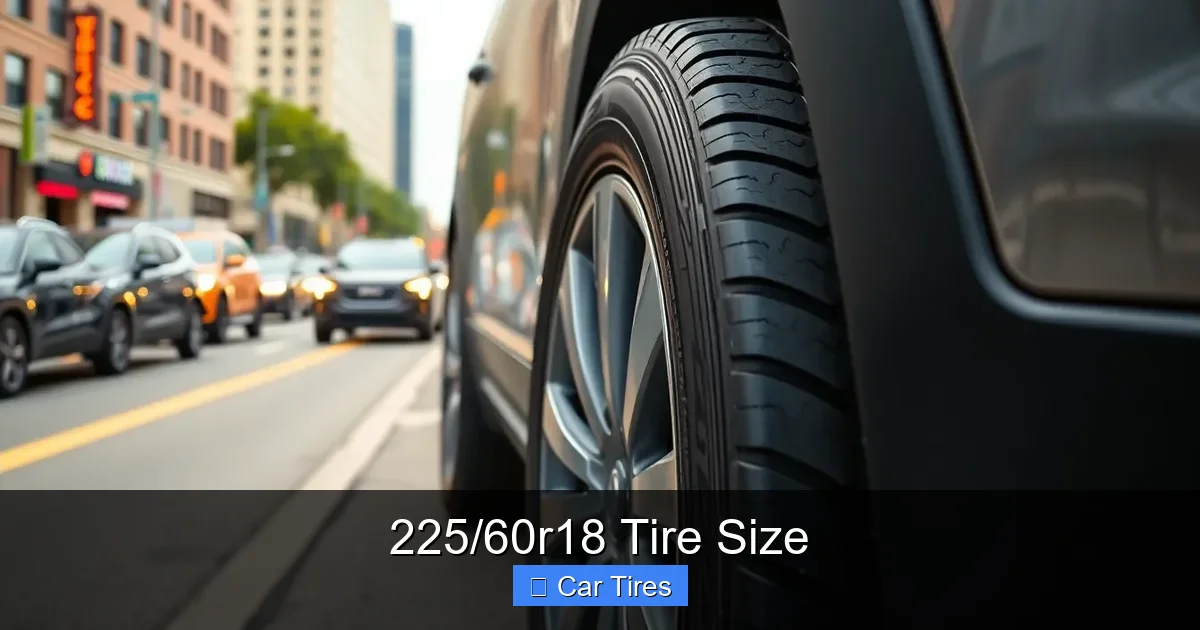
Visual guide about 225/60r18 Tire Size
Image source: jordistireshop.com
One of the biggest advantages of the 225/60R18 tire size is its broad compatibility. It’s not limited to just one or two models—it’s used across multiple brands and vehicle types, making it one of the most versatile sizes on the market.
Common Vehicles That Use 225/60R18
Here are some of the most popular vehicles that come equipped with 225/60R18 tires from the factory:
– **Honda CR-V (2017–2023, higher trims)**
– **Toyota RAV4 (2019–2023, Limited and Adventure trims)**
– **Subaru Outback (2015–2023, most trims)**
– **Ford Edge (2015–2023, SEL and Titanium trims)**
– **Nissan Rogue (2014–2023, SL and Platinum trims)**
– **Mazda CX-5 (2017–2023, Grand Touring and Signature trims)**
– **Hyundai Santa Fe (2019–2023, Limited and Calligraphy trims)**
These vehicles are all designed with comfort, versatility, and everyday usability in mind—and the 225/60R18 tire size fits that philosophy perfectly.
Checking Your Vehicle’s Tire Size
Before buying new tires, always double-check your vehicle’s recommended tire size. You can find this information in several places:
– **Driver’s side door jamb:** Look for a sticker that lists tire size, load index, and speed rating.
– **Owner’s manual:** The manual will specify the correct tire size for your trim level.
– **Current tire sidewall:** The numbers are molded into the tire itself.
Never assume all trims of a vehicle use the same tire size. For example, a base model RAV4 might use 225/65R17, while the Limited trim uses 225/60R18. Installing the wrong size can affect speedometer accuracy, handling, and even safety.
Can You Change to 225/60R18?
If your vehicle doesn’t currently use this size, can you switch to it? The short answer: maybe—but only if it’s within the manufacturer’s approved range.
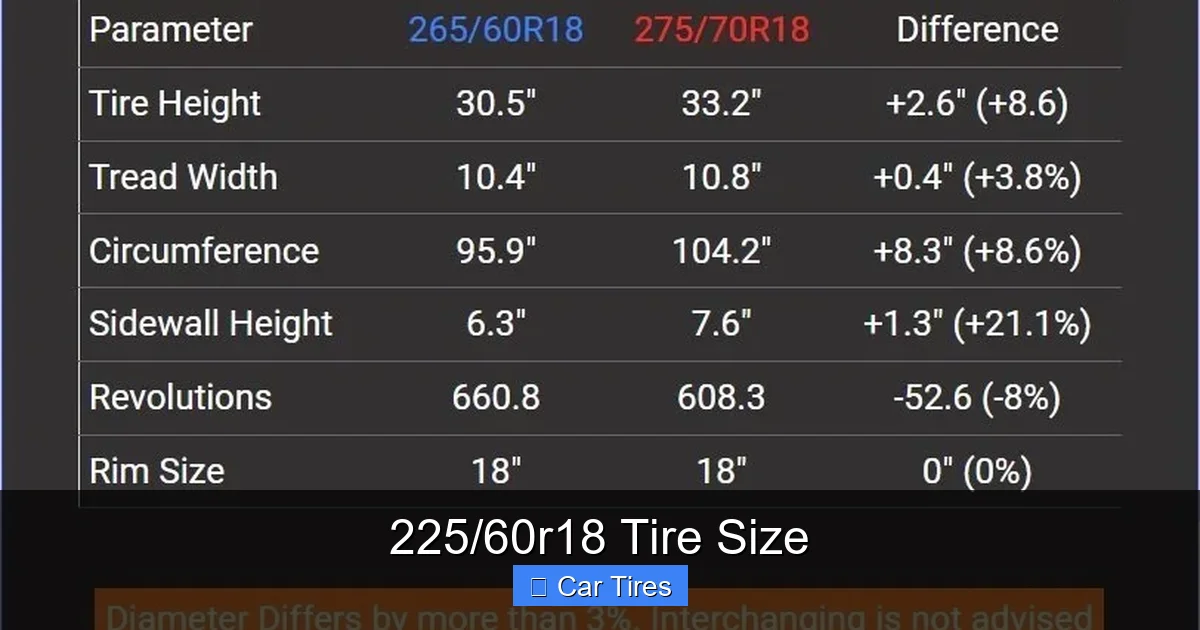
Most vehicles have a “plus-zero” or “plus-one” tire and wheel upgrade option. For example, if your car came with 17-inch wheels, you might be able to go up to 18 inches—but only if the overall diameter of the new tire is within 3% of the original. This ensures your speedometer, ABS, and traction control systems continue to work correctly.
Use a tire size calculator (available online) to compare your current size with 225/60R18. If the overall diameter is close, and your wheel wells have enough clearance, the swap might be possible. However, always consult a tire professional or your dealership before making changes.
Performance Characteristics of 225/60R18 Tires
Visual guide about 225/60r18 Tire Size
Image source: tireblogger.com
Now that we know what the size means and which vehicles use it, let’s talk about how it actually performs on the road. The 225/60R18 isn’t just about numbers—it’s about the driving experience.
Ride Comfort and Noise
Thanks to the 60% aspect ratio, this tire size offers a noticeably comfortable ride. The taller sidewall flexes more over bumps, reducing the jarring sensation that can come with lower-profile tires. This is especially beneficial on older roads or in areas with frequent construction.
Noise levels are generally low, especially with modern tire designs that use advanced tread patterns and sound-dampening materials. Many 225/60R18 tires are engineered for quiet highway cruising, making long drives more pleasant.
Handling and Stability
While not as sharp as a performance tire with a lower profile, the 225/60R18 still delivers confident handling. The 225mm width provides a solid contact patch, giving you good grip during cornering and lane changes. You won’t feel like you’re sliding around in tight turns, but you also won’t feel like you’re driving a race car.
For most drivers, this balance is ideal. It’s responsive enough for daily driving, yet forgiving enough for family trips or highway merges.
Wet and Dry Traction
Most 225/60R18 tires are all-season, meaning they’re designed to perform well in both dry and wet conditions. The tread patterns are optimized to channel water away from the contact patch, reducing the risk of hydroplaning.
In dry weather, these tires offer strong braking performance and predictable grip. You’ll notice shorter stopping distances compared to older or worn tires, especially when paired with modern ABS systems.
Snow and Winter Performance
While all-season tires can handle light snow, they’re not ideal for heavy winter conditions. If you live in an area with frequent snow, ice, or sub-freezing temperatures, consider switching to dedicated winter tires or all-weather tires with the Three-Peak Mountain Snowflake (3PMSF) symbol.
Some 225/60R18 models are available as all-weather tires, which offer better cold-weather performance than standard all-season tires. These are a great compromise if you don’t want to swap tires twice a year.
Fuel Efficiency
Tire choice can impact your vehicle’s fuel economy—sometimes by as much as 3–5%. Many 225/60R18 tires are designed with low rolling resistance in mind, meaning they require less energy to keep rolling. This is especially common in tires made for hybrid or fuel-efficient SUVs.
Look for tires labeled “eco,” “green,” or “fuel-saving” if maximizing mileage is a priority. These tires often use specialized rubber compounds and tread designs to reduce friction without sacrificing safety.
Types of 225/60R18 Tires
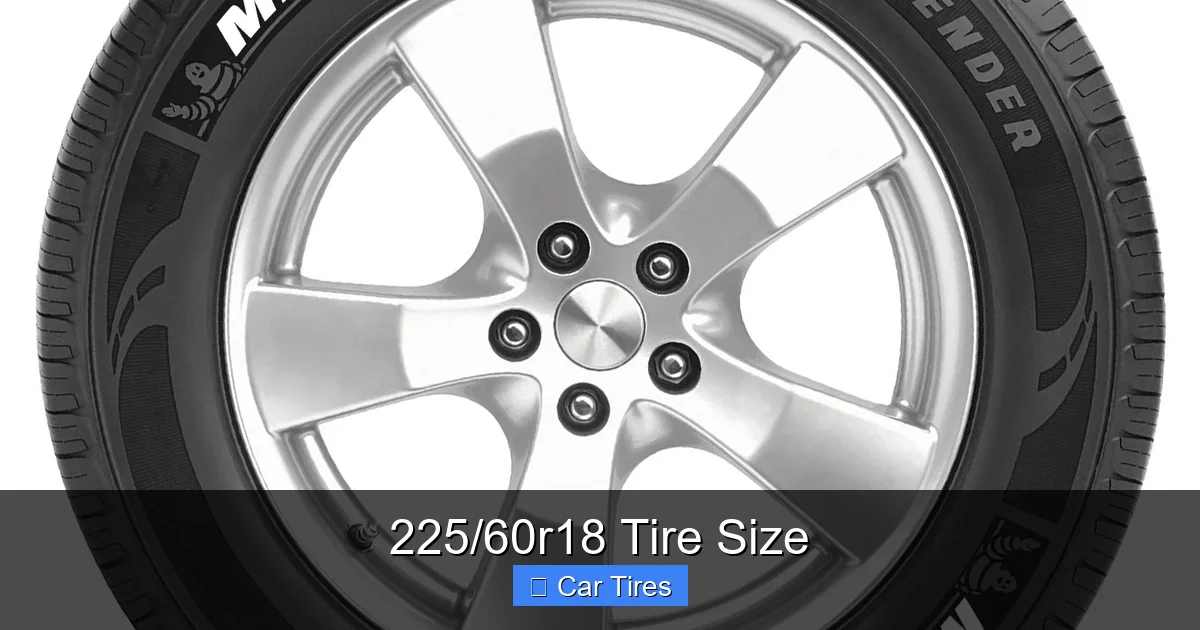
Visual guide about 225/60r18 Tire Size
Image source: tirestickers.com
Not all 225/60R18 tires are created equal. Depending on your driving needs, you can choose from several types, each with its own strengths.
All-Season Tires
These are the most common type for this size. Designed for year-round use in moderate climates, all-season tires offer a balance of dry, wet, and light snow performance. They’re ideal for drivers in regions with mild winters and warm summers.
Popular models include:
– Michelin Defender T+H
– Bridgestone Turanza QuietTrack
– Goodyear Assurance MaxLife
Touring Tires
A subset of all-season tires, touring tires prioritize comfort, quietness, and long tread life. They’re perfect for highway driving and long-distance travel. If you spend a lot of time on the road, a touring tire can make a big difference in ride quality.
Examples:
– Continental TrueContact Touring
– Pirelli Cinturato P7 All Season Plus
Performance All-Season Tires
If you want a bit more responsiveness without going full summer tire, performance all-season options are available. These offer better cornering and braking than standard all-season tires, while still providing decent wet and light snow traction.
Top picks:
– Michelin Pilot Sport All Season 4
– Continental ExtremeContact DWS06 Plus
All-Weather Tires
These are a step up from all-season tires, with improved cold-weather performance and the 3PMSF certification for severe snow service. They’re a great choice if you want one set of tires for the entire year but live in a colder climate.
Recommended:
– Nokian WR G4
– General Altimax Arctic 12
Winter Tires
For maximum safety in snow and ice, winter tires are the best option. They use softer rubber compounds that stay flexible in freezing temperatures, and deeper treads for better snow traction.
Popular 225/60R18 winter tires:
– Bridgestone Blizzak WS90
– Michelin X-Ice Snow
Load Index and Speed Rating Explained
When shopping for 225/60R18 tires, you’ll notice two important numbers after the size: the load index and speed rating. These aren’t just random codes—they tell you how much weight the tire can carry and how fast it can safely go.
Load Index
The load index is a numerical code that corresponds to the maximum weight a tire can support when properly inflated. For 225/60R18 tires, common load indices include:
– **100:** 1,764 lbs per tire
– **102:** 1,874 lbs
– **104:** 1,984 lbs
Most SUVs and crossovers using this size require at least a 100 or 102 load index. Always match or exceed the load index specified by your vehicle manufacturer. Overloading tires can lead to overheating, blowouts, and reduced tread life.
Speed Rating
The speed rating indicates the maximum speed the tire can sustain under optimal conditions. For 225/60R18 tires, you’ll commonly see:
– **T:** Up to 118 mph
– **H:** Up to 130 mph
– **V:** Up to 149 mph
Most standard models use T or H ratings, which are more than sufficient for everyday driving. Performance-oriented vehicles may come with V-rated tires for higher-speed capability.
Never install tires with a lower speed rating than recommended. Doing so can compromise safety, especially during high-speed driving or emergency maneuvers.
Top Brands and Models for 225/60R18
With so many options available, choosing the right 225/60R18 tire can feel overwhelming. Here are some of the best brands and models based on performance, durability, and customer reviews.
Michelin
Michelin is known for long-lasting, high-quality tires. The **Michelin Defender T+H** is a top pick for 225/60R18, offering excellent tread life, comfort, and all-season performance. It’s a favorite among SUV drivers who want reliability and low road noise.
Bridgestone
Bridgestone’s **Turanza QuietTrack** combines luxury ride quality with strong wet and dry traction. It’s designed for drivers who prioritize comfort and quietness, making it ideal for highway commuting.
Goodyear
The **Goodyear Assurance MaxLife** is built for longevity, with a treadwear warranty of up to 85,000 miles. It’s a great value option that doesn’t sacrifice performance.
Continental
Continental’s **TrueContact Touring** tire is praised for its smooth ride and fuel efficiency. It’s a solid choice for eco-conscious drivers who still want a comfortable drive.
Pirelli
For those who want a sportier feel, the **Pirelli Cinturato P7 All Season Plus** offers responsive handling and strong braking performance, while still being suitable for everyday use.
Budget-Friendly Options
If you’re looking to save money, consider brands like General, Falken, or Kumho. The **General Altimax RT43** and **Falken Sincera SN250 A/S** offer solid performance at a lower price point.
Installation, Maintenance, and Replacement Tips
Buying the right tire is only half the battle—proper installation and maintenance are key to getting the most out of your 225/60R18 tires.
Professional Installation
Always have your tires installed by a certified technician. They’ll ensure proper mounting, balancing, and torque specifications. Poor installation can lead to vibrations, uneven wear, and even tire failure.
Rotation and Alignment
Rotate your tires every 5,000 to 7,500 miles to promote even tread wear. Front and rear tires wear differently, especially on front-wheel-drive or all-wheel-drive vehicles. Regular alignment checks (every 10,000 miles or after hitting a pothole) help prevent uneven wear and improve handling.
Inflation and Pressure
Check tire pressure at least once a month and before long trips. Underinflated tires increase rolling resistance, reduce fuel economy, and can overheat. Overinflated tires reduce the contact patch, leading to harsher rides and uneven center wear.
Use the pressure listed in your owner’s manual or door jamb—not the max pressure on the tire sidewall.
Tread Depth and Replacement
Monitor tread depth regularly. Most tires have wear bars that appear when tread reaches 2/32 of an inch—the legal minimum in most states. For better safety, consider replacing tires at 4/32 of an inch, especially if you drive in wet or snowy conditions.
Use a tread depth gauge or the penny test (insert a penny into the tread with Lincoln’s head upside down—if you can see the top of his head, it’s time to replace).
Seasonal Considerations
If you live in a four-season climate, consider switching to winter tires from November to March. Even with all-season tires, winter rubber compounds provide significantly better grip in cold weather.
Store off-season tires properly—clean, inflate, and keep them in a cool, dry place away from sunlight and chemicals.
Cost and Value Considerations
The price of 225/60R18 tires can vary widely—from under $100 to over $200 per tire—depending on brand, type, and features.
Average Pricing
– **Budget tires:** $90–$130 per tire
– **Mid-range tires:** $130–$170 per tire
– **Premium tires:** $170–$220+ per tire
While it’s tempting to go for the cheapest option, remember that tires are a critical safety component. Investing in a quality set can improve performance, longevity, and peace of mind.
Long-Term Value
Look beyond the upfront cost. A more expensive tire with a longer tread life (e.g., 80,000 miles vs. 50,000) may actually cost less per mile. Also consider warranties—many premium tires come with mileage guarantees and road hazard protection.
Where to Buy
You can purchase 225/60R18 tires from:
– Local tire shops
– Auto dealerships
– Online retailers (Tire Rack, Discount Tire, SimpleTire)
– Big-box stores (Walmart, Costco)
Buying online often offers better prices and home delivery, but make sure the retailer includes installation or can recommend a trusted installer.
Environmental and Safety Impact
Your tire choice affects more than just your driving experience—it also impacts the environment and road safety.
Eco-Friendly Options
Many manufacturers now produce tires with sustainable materials and lower rolling resistance. These help reduce CO2 emissions and improve fuel economy. Look for tires with eco-labels or certifications.
Safety Ratings
Check tire safety ratings from organizations like the National Highway Traffic Safety Administration (NHTSA). Their Uniform Tire Quality Grading (UTQG) system rates treadwear, traction, and temperature resistance.
A higher treadwear number doesn’t always mean better performance—it just indicates longevity under controlled conditions. Traction grades (AA, A, B, C) reflect wet braking ability, with AA being the best.
Recycling and Disposal
When it’s time to replace your tires, never throw them in the trash. Most tire shops offer recycling programs. Used tires can be turned into playground surfaces, road materials, or even fuel.
Conclusion
The 225/60R18 tire size is a versatile, reliable, and widely used option that strikes an excellent balance between comfort, performance, and practicality. Whether you drive a Honda CR-V, Toyota RAV4, or Subaru Outback, this size delivers a smooth ride, confident handling, and long-lasting value.
From understanding the meaning of each number to choosing the right type for your driving needs, knowing your tire size empowers you to make smarter decisions. Whether you prioritize fuel efficiency, winter performance, or a quiet highway ride, there’s a 225/60R18 tire that fits your lifestyle.
Remember to check your vehicle’s specifications, maintain proper inflation, and rotate your tires regularly. And when it’s time to replace, consider investing in quality—because your tires are the only thing between your car and the road.
With the right 225/60R18 tires, every drive can be safer, smoother, and more enjoyable.
Frequently Asked Questions
What does 225/60R18 mean?
The 225/60R18 tire size means the tire is 225 millimeters wide, has a sidewall height that is 60% of the width (about 5.3 inches), and fits an 18-inch wheel. The “R” indicates radial construction, the standard for modern tires.
What vehicles use 225/60R18 tires?
Popular vehicles include the Honda CR-V, Toyota RAV4, Subaru Outback, Ford Edge, Nissan Rogue, Mazda CX-5, and Hyundai Santa Fe—especially in higher trims or all-wheel-drive versions.
Can I use 225/60R18 tires on my car if it didn’t come with them?
Only if the overall diameter is within 3% of your original tire size and your wheel wells have enough clearance. Always check with a tire professional or use an online tire size calculator before switching.
Are 225/60R18 tires good for snow?
Standard all-season 225/60R18 tires can handle light snow, but for heavy snow or icy conditions, winter or all-weather tires with the 3PMSF symbol are recommended for better traction and safety.
How long do 225/60R18 tires last?
Most 225/60R18 tires last between 50,000 and 80,000 miles, depending on driving habits, road conditions, and maintenance. Premium models often come with mileage warranties of 70,000 miles or more.
Should I replace all four tires at once?
Yes, it’s strongly recommended to replace all four tires at the same time to maintain balanced handling, traction, and safety. If replacing only two, install the new ones on the rear axle for better stability.
