
If You Run Over Glass Will It Pop Your Tire

Running over glass doesn’t guarantee a flat tire—many factors like tire type, glass size, and speed determine the outcome. While sharp shards can puncture tires, modern tires are built to resist minor damage. Knowing how to react and prevent issues keeps you safer on the road.
Key Takeaways
- Not all glass causes tire damage: Small or dull glass pieces often bounce off or embed without puncturing the tire.
- Tire construction matters: High-quality, reinforced tires with thick sidewalls are less likely to pop from glass.
- Speed and angle play a role: Driving slowly and hitting glass at a shallow angle reduces puncture risk.
- Check tires regularly: Inspect for embedded glass after driving through debris-heavy areas like parking lots or construction zones.
- Run-flat and puncture-resistant tires offer extra protection: These specialized tires can withstand minor punctures and keep you moving safely.
- Act fast if you suspect a leak: Pull over safely and assess damage—delaying action can worsen the problem.
- Prevention beats repair: Stay alert, avoid debris when possible, and maintain proper tire pressure to reduce vulnerability.
📑 Table of Contents
Will Running Over Glass Really Pop Your Tire?
You’re cruising down the road, maybe heading to work or running errands, when suddenly you hear that unmistakable *crunch* under your wheels. Your heart skips a beat—did you just run over glass? Instantly, your mind races: “Is my tire going to pop?” It’s a common fear, especially in urban areas where broken bottles, shattered windows, or construction debris litter the streets. But here’s the truth: just because you drove over glass doesn’t mean your tire is doomed.
The reality is more nuanced than a simple yes or no. While glass can indeed puncture a tire, it’s far from guaranteed. Many drivers go their entire lives running over glass without ever experiencing a flat. So what determines whether that shard of glass becomes a problem? It comes down to a mix of factors—your tire’s design, the size and shape of the glass, your speed, and even the angle at which your tire makes contact. Understanding these elements can help you stay calm, make smarter driving decisions, and know exactly what to do if you do end up with a damaged tire.
In this guide, we’ll break down everything you need to know about glass and tire safety. From how tires are built to resist punctures, to real-world examples of when glass causes trouble (and when it doesn’t), we’ll give you the facts so you can drive with confidence. Whether you’re a daily commuter, a weekend road-tripper, or just someone who wants to protect their vehicle, this article will arm you with practical knowledge and peace of mind.
How Tires Are Built to Withstand Punctures
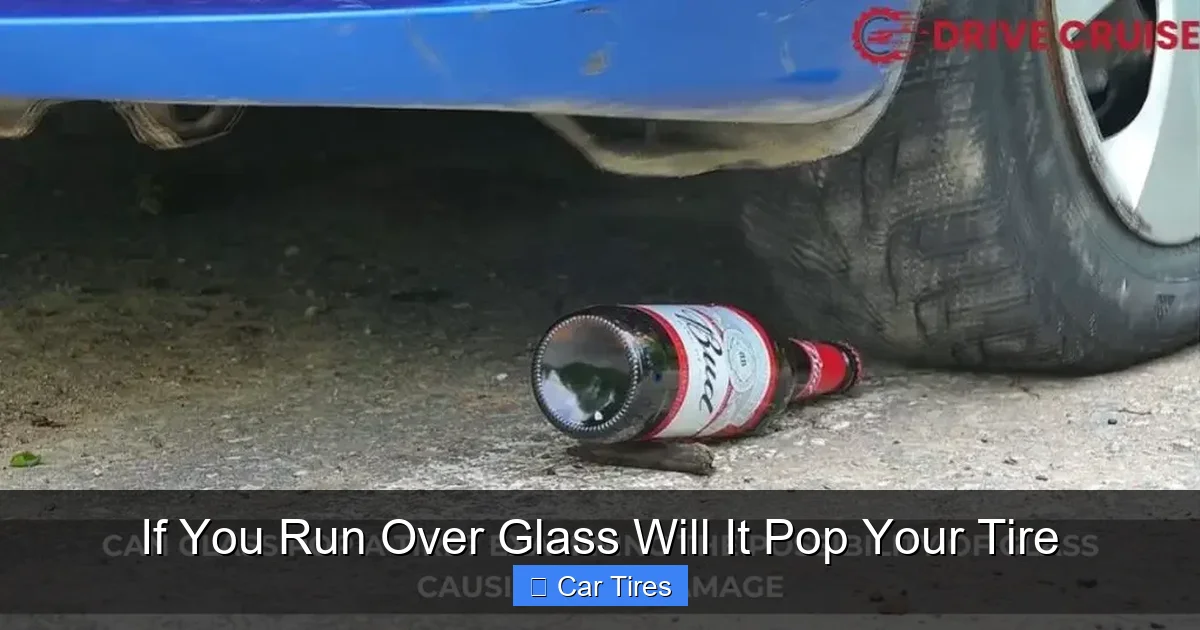
Visual guide about If You Run Over Glass Will It Pop Your Tire
Image source: drivecruise.com
To understand why glass doesn’t always pop a tire, it helps to know what’s underneath that rubber tread. Modern tires are engineering marvels—layered structures designed to handle everything from potholes to sharp objects. Let’s take a closer look at what makes them so resilient.
The Anatomy of a Tire
A typical passenger car tire consists of several key layers. The outermost layer is the tread, which provides grip and channels water away to prevent hydroplaning. Beneath that lies the belt package—usually made of steel or fabric—that adds strength and stability. Then comes the carcass, or body plies, which give the tire its shape and flexibility. Finally, the inner liner (often made of butyl rubber) acts as a built-in airtight seal, similar to an inner tube.
One of the most important features for puncture resistance is the belt layer. Steel belts, in particular, are incredibly tough and help distribute pressure across the tire’s surface. This means that even if a sharp object like glass presses into the tread, the force is spread out, reducing the chance of a full puncture. Additionally, many modern tires include a puncture-resistant layer—a special insert between the tread and belts that’s designed to stop nails, screws, and even small glass shards from reaching the inner liner.
Why Some Tires Are Tougher Than Others
Not all tires are created equal. Performance tires, for example, often prioritize grip and handling over durability, which can make them more vulnerable to punctures. On the other hand, all-terrain or heavy-duty tires—common on trucks and SUVs—are built with thicker sidewalls and reinforced casings, giving them extra protection against road hazards.
Run-flat tires take this a step further. These tires are designed to continue functioning even after a loss of air pressure, thanks to reinforced sidewalls that support the vehicle’s weight. While they’re not immune to damage, they’re much less likely to go flat immediately after hitting glass. Similarly, some manufacturers offer “puncture-resistant” or “self-sealing” tires. These contain a gel-like substance inside the inner liner that automatically seals small holes as soon as they form—perfect for dealing with minor glass punctures.
Real-World Example: The Parking Lot Test
Imagine you’re pulling into a busy shopping center parking lot. You notice a broken bottle near a trash can. You slow down, steer carefully, and roll over the glass. Later, you check your tires and find a tiny shard embedded in the tread—but no leak. This is a common scenario. The glass didn’t penetrate deeply enough to reach the inner liner, and the tire’s layers did their job. In fact, many drivers only discover embedded glass during routine inspections or tire rotations.
This example highlights an important point: tires are built to handle minor abuse. They’re not fragile balloons—they’re durable components designed for real-world conditions. While extreme cases (like driving over a pile of jagged glass at high speed) can cause damage, everyday encounters are usually harmless.
When Glass Can Actually Damage Your Tire
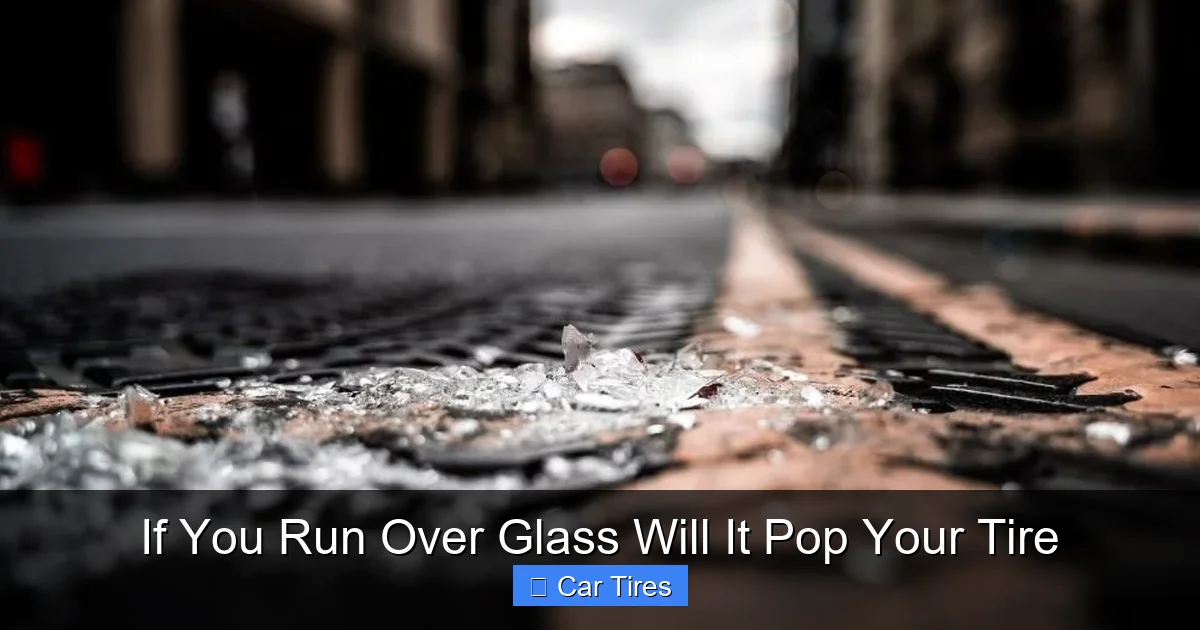
Visual guide about If You Run Over Glass Will It Pop Your Tire
Image source: vehiclefreak.com
So if tires are so tough, when does glass become a real threat? The answer lies in the specifics—size, shape, speed, and luck all play a role. Let’s explore the scenarios where glass is most likely to cause trouble.
Sharp, Large, or Angled Glass Shards
Not all glass is the same. A small, rounded piece from a broken drinking glass is far less dangerous than a long, jagged shard from a car window. The sharper and larger the piece, the more likely it is to pierce through the tread and reach the inner layers. Additionally, if the glass is positioned upright or at an angle, it can act like a spear, increasing the chance of penetration.
For example, imagine a piece of glass standing on its edge in the road. As your tire rolls over it, the sharp point digs into the rubber. If the force is strong enough—and the glass is long enough—it can puncture the tire completely. This is more common in areas with frequent vandalism, construction sites, or places where vehicles have recently crashed.
High Speed Increases Risk
Speed matters. The faster you’re going, the more force your tire exerts on the road surface. This means that a piece of glass that might harmlessly bounce off at 10 mph could embed deeply or puncture at 40 mph. High-speed impacts give the glass less time to deflect and more energy to penetrate.
Think of it like stepping on a thumbtack barefoot. If you step gently, you might feel pressure but no pain. But if you jump onto it, the force could drive it right through your skin. The same principle applies to tires and glass.
Worn or Underinflated Tires Are More Vulnerable
Tire condition plays a huge role in puncture resistance. A tire with low tread depth has less rubber to absorb impact, making it easier for sharp objects to reach the inner layers. Similarly, underinflated tires have softer sidewalls and less structural support, increasing the risk of damage.
For instance, if your tire pressure is 10 psi below the recommended level, the tire flexes more as it rolls. This flexing can weaken the rubber over time and make it more susceptible to cuts and punctures. Combine that with a sharp piece of glass, and you’ve got a recipe for trouble.
Multiple Impacts or Repeated Exposure
Even if one piece of glass doesn’t cause a flat, repeated exposure can add up. Driving over the same debris field multiple times—or hitting several pieces in quick succession—can weaken the tire’s structure. Over time, this can lead to tread separation, sidewall damage, or slow leaks.
This is especially common in urban environments where broken glass accumulates in alleys, near bars, or in areas with poor waste management. If you frequently drive through such zones, your tires are at higher risk.
What to Do If You Run Over Glass
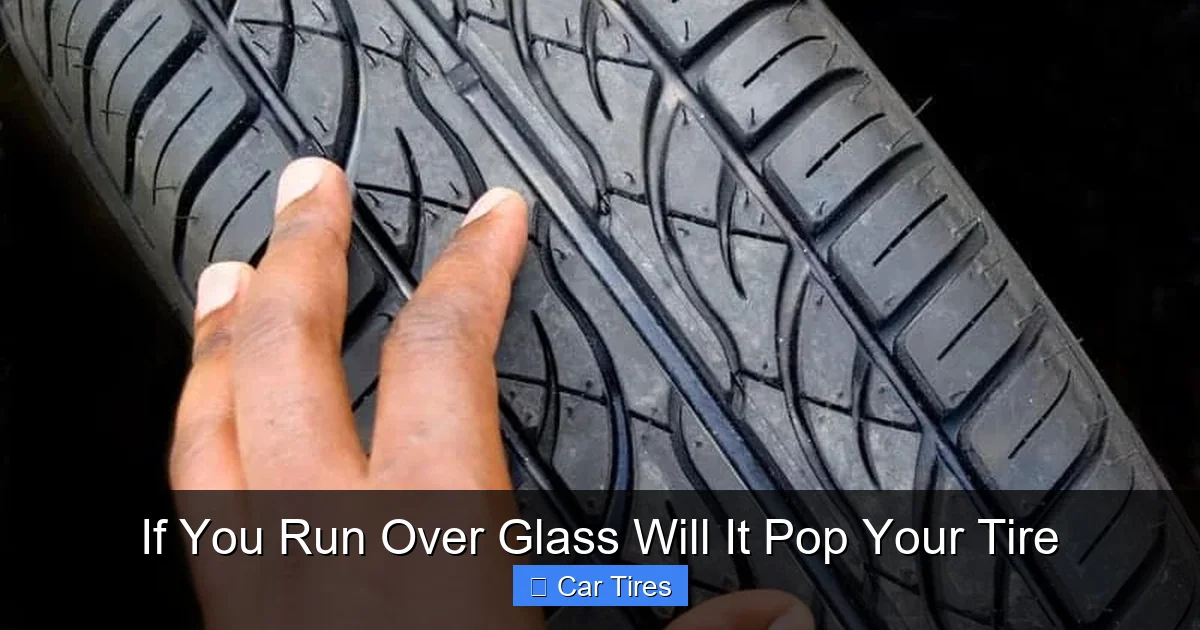
Visual guide about If You Run Over Glass Will It Pop Your Tire
Image source: drivinglife.net
So you’ve heard that crunch. Now what? Panicking won’t help, but taking the right steps can prevent a minor issue from becoming a major headache. Here’s a practical guide to handling the situation safely and effectively.
Stay Calm and Keep Driving (If Safe)
First, don’t slam on the brakes. Sudden stops can shift your vehicle’s weight and increase the risk of losing control—especially if you’re on a busy road. Instead, ease off the accelerator and maintain a steady speed. Listen for unusual sounds like hissing, thumping, or wobbling, which could indicate a puncture.
If your car feels normal and you don’t hear anything alarming, you may be fine. Many drivers only discover embedded glass during a visual inspection later. However, if you notice a sudden loss of handling, pulling to one side, or a flat tire, pull over as soon as it’s safe.
Inspect Your Tires
Once you’re in a safe location—like a parking lot or shoulder—take a close look at your tires. Use a flashlight if needed. Look for:
– Visible glass shards sticking out
– Bulges or cuts in the sidewall
– Signs of air loss (sagging tire, hissing sound)
– Unusual wear patterns
If you spot glass embedded in the tread, don’t panic. Small pieces often don’t cause leaks. However, avoid removing them yourself unless you’re trained—yanking out a shard can worsen the damage or cause a sudden leak.
Check Tire Pressure
Use a tire pressure gauge to check each tire. Compare the readings to the recommended PSI listed on your vehicle’s door jamb or owner’s manual. A drop in pressure could indicate a slow leak caused by glass or another object.
If one tire is significantly lower, it may need attention. Some modern cars have tire pressure monitoring systems (TPMS) that alert you to pressure changes. Pay attention to these warnings—they’re there for a reason.
When to Call for Help
If you’re unsure about the damage, or if you notice a flat tire, it’s best to call for roadside assistance. A professional can safely remove embedded glass, patch small punctures, or replace the tire if needed. Attempting DIY repairs on the side of the road can be dangerous, especially at night or in heavy traffic.
Prevent Future Incidents
After the incident, take steps to reduce your risk:
– Avoid driving through areas with visible debris when possible
– Keep your tires properly inflated and rotated
– Consider upgrading to puncture-resistant or run-flat tires if you frequently drive in high-risk zones
– Stay alert—scan the road ahead for hazards
Prevention Tips to Avoid Glass-Related Tire Damage
An ounce of prevention is worth a pound of cure—especially when it comes to tire safety. While you can’t control everything on the road, there are smart habits you can adopt to minimize your chances of running into trouble.
Stay Alert and Scan the Road
One of the simplest ways to avoid glass is to keep your eyes on the road. Scan ahead for debris, especially in parking lots, near bars, construction sites, or areas with frequent accidents. If you see broken glass, slow down and steer around it if it’s safe to do so.
This doesn’t mean you need to drive like a nervous wreck—just stay aware. A few seconds of attention can save you hundreds in tire repairs.
Maintain Proper Tire Pressure
Underinflated tires are more prone to damage. Check your tire pressure at least once a month and before long trips. Use a reliable gauge and follow the manufacturer’s recommendations. Properly inflated tires are stiffer, more stable, and better able to resist punctures.
Rotate and Inspect Tires Regularly
Tire rotation helps ensure even wear, which extends tire life and improves performance. Most mechanics recommend rotating tires every 5,000 to 7,000 miles. During rotation, ask the technician to inspect for embedded objects, cracks, or uneven wear.
Regular inspections can catch problems early—like a small piece of glass that hasn’t yet caused a leak. Catching it now means you can remove it safely before it becomes a bigger issue.
Consider Upgrading Your Tires
If you live in an area with lots of debris or frequently drive on rough roads, consider investing in higher-quality tires. Look for models labeled “puncture-resistant,” “all-terrain,” or “run-flat.” These offer extra protection and can give you peace of mind.
While they may cost more upfront, the long-term savings on repairs and replacements can make them worthwhile.
Use Tire Sealants (With Caution)
Some drivers use tire sealants—liquid products that you inject into the tire to seal small leaks. These can be effective for minor punctures, including those caused by glass. However, they’re not a permanent fix and can interfere with tire balancing. Use them as a temporary solution and consult a professional for proper repair.
Myths and Misconceptions About Glass and Tires
There’s a lot of misinformation out there about tires and road hazards. Let’s clear up some common myths so you can separate fact from fiction.
Myth: Any Glass Will Pop Your Tire
False. As we’ve seen, most glass doesn’t cause damage. Tires are built to handle minor impacts, and small or dull pieces often don’t penetrate deeply enough to cause a leak. Only sharp, large, or properly angled shards pose a real threat.
Myth: Only Cheap Tires Get Punctured
Not necessarily. While high-quality tires are generally more durable, even premium models can be damaged by extreme hazards. A sharp piece of glass at high speed can puncture almost any tire—though better construction reduces the risk.
Myth: You’ll Always Hear a Pop
Not true. Many punctures are slow leaks that develop over time. You might not hear anything at all. That’s why regular inspections and TPMS alerts are so important.
Myth: You Can Always Feel a Flat Tire
Sometimes, yes—but not always. Slow leaks can go unnoticed for days, especially if the tire loses pressure gradually. By the time you feel a difference, the tire may already be damaged from driving while underinflated.
Myth: Removing Glass Yourself Is Safe
Risky. Pulling out a shard with pliers or your hands can enlarge the hole or damage the inner liner. It’s better to let a professional assess and remove it properly.
Conclusion: Stay Smart, Stay Safe
Running over glass doesn’t have to be a tire-popping disaster. With the right knowledge and habits, you can drive confidently, even in areas with debris. Remember: most glass won’t harm your tires, especially if they’re well-maintained and properly inflated. But when damage does occur, acting quickly and calmly can prevent bigger problems.
Stay alert, inspect your tires regularly, and don’t ignore warning signs like pressure loss or unusual noises. And if you’re ever in doubt, don’t hesitate to call a professional. Your safety—and your tires—are worth it.
By understanding how tires work and how to protect them, you’re not just avoiding flats—you’re extending the life of your tires, saving money, and keeping yourself safe on the road. So the next time you hear that crunch, take a breath. You’ve got this.
Frequently Asked Questions
Can a small piece of glass pop my tire?
Not usually. Small or dull glass pieces often embed in the tread without puncturing the inner liner. Only sharp, large, or properly angled shards are likely to cause a leak.
How can I tell if my tire is damaged after running over glass?
Look for visible shards, bulges, or cuts. Check tire pressure and listen for hissing sounds. If your car pulls to one side or feels unstable, pull over and inspect.
Should I remove embedded glass myself?
It’s not recommended. Removing glass can worsen the damage. Have a professional assess and remove it safely to avoid causing a leak.
Do run-flat tires protect against glass punctures?
Yes, they offer extra protection. Run-flat tires have reinforced sidewalls that allow you to drive short distances even after a puncture, reducing the risk of sudden failure.
How often should I check my tires for damage?
Inspect your tires visually at least once a month and during every tire rotation. Check pressure weekly, especially before long trips.
Can I drive on a tire with a slow leak from glass?
Not for long. Driving on an underinflated tire can cause overheating, sidewall damage, or a blowout. Get it repaired or replaced as soon as possible.
