
How Often Do You Have to Replace a Car Battery

Most car batteries last between 3 to 5 years, but driving habits, climate, and maintenance play a big role. Knowing the signs of a failing battery and taking preventive steps can help you avoid unexpected breakdowns and extend battery life.
Key Takeaways
- Average lifespan is 3–5 years: Most car batteries need replacing every 3 to 5 years, depending on usage and conditions.
- Climate affects battery life: Extreme heat or cold can shorten a battery’s lifespan significantly.
- Frequent short trips drain batteries: Short drives don’t allow the alternator to fully recharge the battery, leading to early wear.
- Warning signs include slow cranking and dim lights: If your engine turns over slowly or headlights dim at idle, it’s time to test the battery.
- Regular maintenance extends life: Cleaning terminals, checking voltage, and using a battery tender can add months or years.
- Modern cars put more strain on batteries: Features like infotainment, start-stop systems, and advanced electronics increase demand.
- Battery warranties vary: Check your battery’s warranty—some offer 3–5 years of coverage with free replacement if it fails early.
📑 Table of Contents
How Often Do You Have to Replace a Car Battery?
Let’s face it—your car battery is one of those parts you don’t think about until it fails. And when it does, it’s usually at the worst possible time: early morning, in the rain, or far from home. So, how often do you have to replace a car battery? The short answer? Every 3 to 5 years. But that’s just the average. The real story is more complicated—and more important—than that.
Your battery’s lifespan depends on a mix of factors: where you live, how you drive, what kind of car you have, and how well you maintain it. A battery in Arizona might die in 2 years due to extreme heat, while one in Minnesota could last 6 years if it’s well cared for. And with modern cars packed with electronics, the demands on your battery are higher than ever. Understanding these factors can help you avoid being stranded and save money in the long run.
In this guide, we’ll break down everything you need to know about car battery replacement—from average lifespans and warning signs to maintenance tips and smart buying advice. Whether you’re a daily commuter, weekend driver, or just want to be prepared, this article will help you stay one step ahead of a dead battery.
What Is the Average Lifespan of a Car Battery?
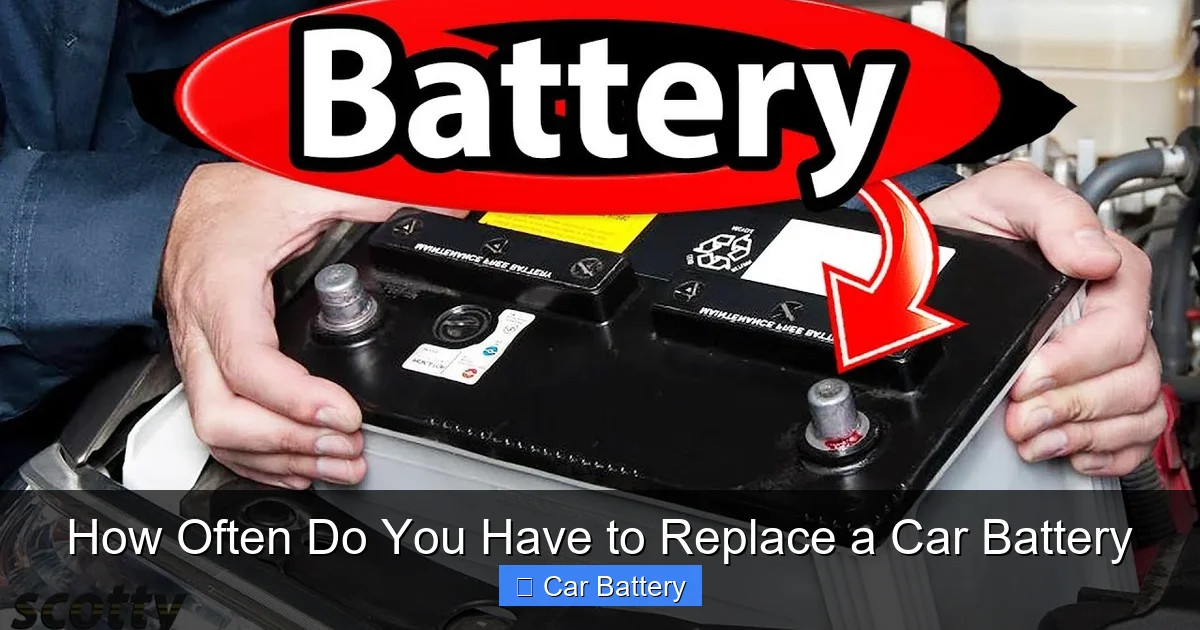
Visual guide about How Often Do You Have to Replace a Car Battery
Image source: i.ytimg.com
Most car batteries are designed to last between 3 and 5 years. That’s the general rule of thumb you’ll hear from mechanics, auto parts stores, and even the battery manufacturers themselves. But why such a wide range? Because battery life isn’t just about time—it’s about use, environment, and care.
Why 3 to 5 Years?
Car batteries are made of lead plates and acid, and over time, chemical reactions degrade their ability to hold a charge. Even when not in use, batteries slowly lose power. This natural aging process means that after about 3 years, a battery starts to lose efficiency. By year 5, many are nearing the end of their useful life.
But not all batteries age at the same rate. Some last longer; some fail early. For example, a battery in a mild climate with regular long drives might last 6 years. Meanwhile, one in a hot desert city with lots of short trips might give up the ghost in just 2 years.
Factors That Influence Battery Lifespan
Several key factors determine how long your battery will last:
- Climate: Heat is the number one enemy of car batteries. High temperatures accelerate chemical reactions inside the battery, causing it to degrade faster. In hot climates like Texas or Arizona, batteries often fail sooner. Cold weather isn’t as damaging long-term, but it reduces a battery’s cranking power, making it harder to start the engine.
- Driving habits: Frequent short trips—like driving to the store and back—don’t give your alternator enough time to recharge the battery fully. Over time, this leads to a condition called “deep cycling,” where the battery is repeatedly drained and not fully recharged, shortening its life.
- Vehicle electronics: Modern cars come loaded with features that draw power even when the engine is off: infotainment systems, security alarms, GPS trackers, and start-stop technology. These “parasitic drains” can slowly deplete the battery over time.
- Battery quality: Not all batteries are created equal. Premium batteries with better materials and construction tend to last longer than budget options. Spending a little more upfront can save you money and hassle down the road.
- Maintenance: A well-maintained battery lasts longer. Cleaning corrosion from terminals, ensuring tight connections, and checking voltage regularly can add months or even years to its life.
Real-World Examples
Let’s look at two scenarios:
Example 1: City Driver in Phoenix
Sarah lives in Phoenix and drives her sedan 10 minutes to work each way. Her car has a basic radio and no major electronics. Her battery lasted just 2.5 years. Why? The extreme heat (often over 110°F in summer) caused the battery fluid to evaporate faster, and the short trips didn’t allow full recharging. She replaced it with a high-performance battery designed for hot climates and now checks it every 6 months.
Example 2: Suburban Driver in Oregon
Mike lives in Portland and drives 30 minutes to work each day. He takes weekend road trips and uses a battery tender during winter. His battery lasted 6 years. The mild climate, longer drives, and regular maintenance helped extend its life.
These examples show that while 3–5 years is the average, your experience may vary—sometimes significantly.
Signs Your Car Battery Needs Replacing
Visual guide about How Often Do You Have to Replace a Car Battery
Image source: mrtirerack.com
You don’t have to wait for your car to fail to start to know your battery is dying. There are several warning signs that can tip you off before it’s too late. Catching these early can save you from being stranded and might even prevent damage to your car’s electrical system.
Slow Engine Crank
One of the most common signs is a slow engine crank. When you turn the key or push the start button, the engine turns over more slowly than usual. It might sound like “rrrr-rrrr-rrrr” instead of a quick “vroom.” This happens because the battery doesn’t have enough power to spin the starter motor quickly.
If you notice this, especially on cold mornings, it’s a red flag. Cold weather reduces battery efficiency, so a weak battery will struggle even more in winter.
Dim Headlights and Electrical Issues
Your headlights are a great indicator of battery health. If they seem dimmer than usual—especially when the engine is idling—it could mean the battery isn’t holding a charge. The same goes for interior lights, dashboard displays, or power windows that move slowly.
Modern cars also have warning lights. If your “Check Engine” or “Battery” light comes on, don’t ignore it. These lights often indicate a charging system problem, which could be the battery, alternator, or wiring.
Swollen or Bloated Battery Case
Take a look under the hood. If your battery case looks swollen or bloated, it’s a sign of overheating or overcharging. This usually happens in hot climates or if the alternator is sending too much voltage to the battery. A swollen battery is dangerous and should be replaced immediately.
Corrosion on Terminals
White, green, or blue crusty buildup on the battery terminals is corrosion. It’s caused by acid leaking from the battery and reacting with metal. While some corrosion is normal, heavy buildup can interfere with the electrical connection, making it hard for the battery to deliver power.
You can clean it with a mixture of baking soda and water, but if it keeps coming back, it might be a sign the battery is failing.
Old Age
Even if your battery seems to be working fine, age matters. If your battery is 4 or 5 years old, it’s living on borrowed time. Batteries don’t last forever, and the risk of failure increases significantly after the 3-year mark.
Many auto parts stores offer free battery testing. If your battery is over 3 years old, get it checked annually. It’s a quick, free way to avoid surprises.
Unusual Smells or Sounds
In rare cases, a failing battery can emit a rotten egg smell (sulfur) due to leaking acid. You might also hear a hissing sound if the battery is over-pressurized. These are serious signs—stop driving and have the battery inspected immediately.
Factors That Shorten Battery Life
Visual guide about How Often Do You Have to Replace a Car Battery
Image source: repairsmith-prod-wordpress.s3.amazonaws.com
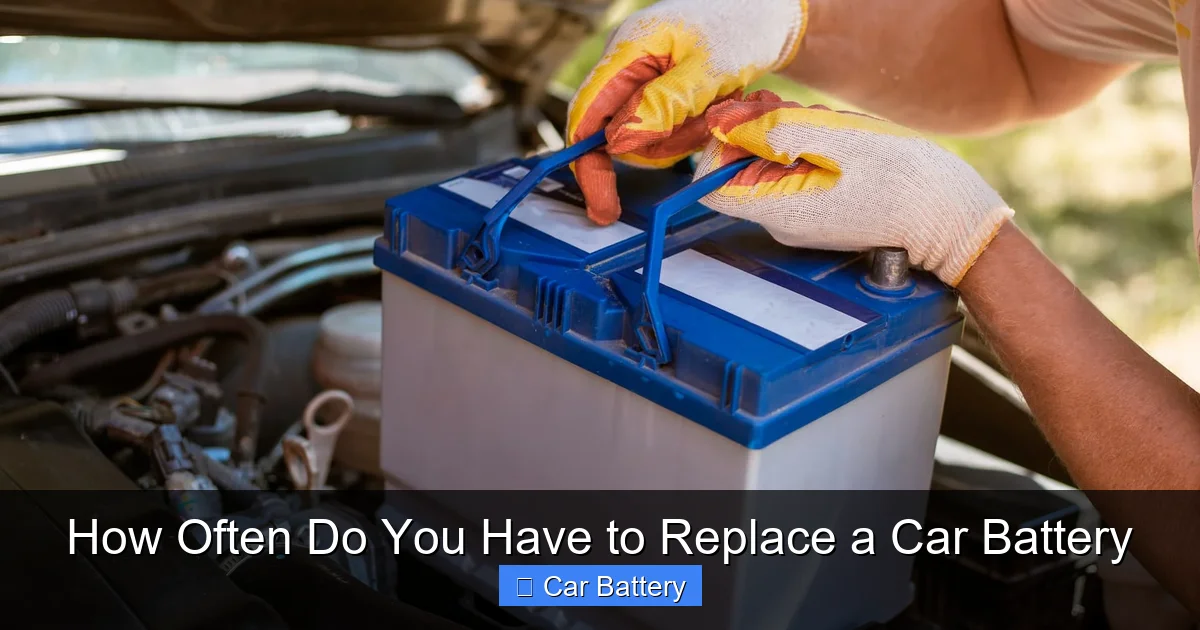
While some battery wear is inevitable, certain habits and conditions can drastically shorten its life. Understanding these factors can help you make smarter choices and extend your battery’s lifespan.
Extreme Temperatures
As mentioned earlier, heat is the biggest killer of car batteries. In hot climates, the electrolyte fluid inside the battery evaporates faster, exposing the lead plates and reducing capacity. Heat also speeds up internal corrosion.
Cold weather isn’t as damaging long-term, but it reduces a battery’s cranking amps—the power needed to start the engine. In freezing temperatures, a weak battery may not have enough juice to turn over the engine, especially if it’s already degraded.
Short, Frequent Trips
Your car’s alternator recharges the battery while the engine runs. But if you only drive for 5–10 minutes at a time, the alternator doesn’t have enough time to fully recharge the battery. Over time, this leads to a condition called “surface charge,” where the battery appears charged but can’t deliver full power when needed.
This is especially common in city driving, school drop-offs, or quick errands. If your daily routine involves lots of short trips, consider using a battery maintainer or taking longer drives occasionally to help recharge the battery.
Parasitic Drain
Even when your car is off, some systems continue to draw small amounts of power. This is called parasitic drain. Common culprits include:
- Alarm systems
- Onboard computers
- GPS trackers
- Infotainment systems that stay on
- Faulty relays or switches
While each draw is small, together they can slowly drain the battery over days or weeks—especially if the car sits unused for long periods.
If your battery dies after sitting for a few days, parasitic drain could be the cause. A mechanic can perform a parasitic drain test to identify the source.
Leaving Lights or Accessories On
It’s easy to forget to turn off interior lights, headlights, or the radio. But leaving them on overnight can drain the battery completely. Modern cars often have automatic shut-offs, but not all do—especially older models.
Always double-check that lights and accessories are off before walking away from your car.
Poor Maintenance
Neglecting basic maintenance can shorten battery life. Corroded terminals, loose connections, and low electrolyte levels (in non-sealed batteries) all reduce efficiency.
Regularly inspect your battery for signs of wear, clean the terminals, and ensure the hold-down clamp is secure. If you live in a cold climate, consider using a battery blanket or trickle charger in winter.
Using the Wrong Battery
Not all batteries are compatible with every vehicle. Using a battery with the wrong size, voltage, or cold cranking amps (CCA) can lead to poor performance and early failure.
Always check your owner’s manual or consult a professional when replacing your battery. Some high-performance or luxury vehicles require specific battery types.
How to Extend the Life of Your Car Battery
The good news? You can take steps to make your battery last longer. With a little care and attention, you can push past the 5-year mark and avoid unexpected replacements.
Drive Regularly and Take Longer Trips
The best thing you can do for your battery is to drive your car regularly—and for at least 20–30 minutes at a time. This gives the alternator enough time to fully recharge the battery.
If you only use your car for short trips, consider taking a longer drive once a week. Even a weekend errand run can help keep the battery healthy.
Use a Battery Maintainer or Trickle Charger
If you don’t drive often—like for classic cars, RVs, or seasonal vehicles—a battery maintainer (also called a trickle charger) can keep the battery charged without overcharging it.
These devices plug into a wall outlet and deliver a small, steady charge to the battery. They’re especially useful in winter when cold temperatures reduce battery efficiency.
Keep the Battery Clean
Corrosion on the terminals can block the flow of electricity. Clean the terminals every 6 months using a mixture of baking soda and water. Use a wire brush to scrub away buildup, then rinse with water and dry thoroughly.
Apply a thin layer of petroleum jelly or terminal protector spray to prevent future corrosion.
Secure the Battery Properly
A loose battery can vibrate excessively, damaging internal components. Make sure the battery is securely fastened with the hold-down clamp. If the clamp is broken or missing, replace it.
Limit Use of Accessories When Idling
Using the radio, air conditioning, or heated seats while the engine is off drains the battery quickly. If you’re parked for more than a few minutes, turn off unnecessary electronics.
Also, avoid using high-drain accessories (like seat heaters or defrosters) immediately after starting the car. Wait until the engine is running smoothly.
Get Regular Battery Tests
Many auto parts stores (like AutoZone, O’Reilly, or Advance Auto Parts) offer free battery testing. They’ll check the voltage, cold cranking amps, and overall health.
Have your battery tested once a year after it turns 3 years old. This helps you catch problems early and plan for replacement before it fails.
Park in a Garage or Shaded Area
If possible, park your car in a garage or shaded area, especially in hot climates. This reduces exposure to extreme heat, which can extend battery life.
In cold climates, a garage also helps keep the battery warmer, improving starting performance.
When and How to Replace Your Car Battery
Eventually, every battery reaches the end of its life. When that time comes, replacing it promptly is important—not just for convenience, but for safety and performance.
When to Replace
Replace your battery if:
- It’s more than 5 years old
- It fails a load test
- You notice slow cranking, dim lights, or corrosion
- The battery case is swollen or leaking
- It dies repeatedly, even after charging
Don’t wait for a complete failure. A dead battery can leave you stranded and may damage your car’s electrical system.
How to Choose a Replacement Battery
When buying a new battery, consider:
- Group size: Must match your vehicle’s specifications (check the owner’s manual or old battery)
- CCA (Cold Cranking Amps): Higher is better, especially in cold climates
- Reserve capacity: Indicates how long the battery can run essential systems if the alternator fails
- Warranty: Look for at least a 3-year warranty; some premium batteries offer 5 years
- Type: Most cars use flooded lead-acid batteries, but some newer models use AGM (Absorbent Glass Mat) batteries for better performance
Installation Tips
You can replace a car battery yourself with basic tools, but safety is important:
- Turn off the engine and remove the keys
- Disconnect the negative terminal first, then the positive
- Remove the old battery and clean the tray
- Install the new battery and connect the positive terminal first, then the negative
- Secure the battery and test the connections
If you’re unsure, have a professional install it. Many auto parts stores offer free installation with purchase.
Dispose of the Old Battery Properly
Car batteries contain lead and acid, which are hazardous. Never throw them in the trash. Most auto parts stores and recycling centers accept old batteries for free. They’ll recycle the materials safely.
Conclusion
So, how often do you have to replace a car battery? The answer isn’t one-size-fits-all. While the average is 3 to 5 years, your battery’s lifespan depends on climate, driving habits, maintenance, and vehicle type. By understanding the factors that affect battery life and recognizing the warning signs, you can avoid unexpected breakdowns and extend the life of your battery.
Regular maintenance—like cleaning terminals, testing voltage, and driving longer distances—can make a big difference. And when it’s time to replace, choosing the right battery and installing it properly ensures reliable performance for years to come.
Don’t wait for a dead battery to remind you it’s time for a change. Stay proactive, stay informed, and keep your car starting strong—no matter the season.
Frequently Asked Questions
How long do car batteries really last?
Most car batteries last between 3 and 5 years, but this can vary based on climate, driving habits, and maintenance. Some last longer with proper care, while others fail earlier in extreme conditions.
Can a car battery last 10 years?
It’s rare, but possible under ideal conditions—mild climate, long drives, and excellent maintenance. However, most batteries won’t make it past 6–7 years, and waiting that long increases the risk of failure.
What kills a car battery faster?
Extreme heat, frequent short trips, parasitic drain, and poor maintenance are the biggest culprits. Leaving lights on or using high-drain electronics when the engine is off also shortens battery life.
Should I replace my battery at 4 years?
Not necessarily, but it’s a good time to start testing it annually. If it passes a load test and shows no signs of weakness, you may get another year or two. But be prepared to replace it soon.
Can I jump-start a car with a bad battery?
Yes, but only if the battery has enough charge to accept a jump. If the battery is completely dead or internally damaged, jumping may not work. Repeated jumping can also damage the electrical system.
Do new cars need new batteries more often?
Not necessarily, but modern cars with start-stop systems, infotainment, and advanced electronics put more demand on the battery. AGM batteries are often used in these vehicles and may last longer than traditional ones.
