
How Long Does a Hybrid Car Battery Last

Hybrid car batteries typically last between 8 to 15 years or 100,000 to 200,000 miles, depending on usage and maintenance. With proper care, many batteries outlast the vehicle’s warranty and continue performing efficiently for years beyond expectations.
If you’re considering a hybrid car or already own one, you’ve probably asked yourself: how long does a hybrid car battery last? It’s a smart question—after all, the battery is the heart of a hybrid vehicle, working alongside the gasoline engine to deliver better fuel efficiency and lower emissions. Unlike traditional car batteries that just start the engine, hybrid batteries power electric motors, store energy from braking, and help the car run silently at low speeds. Because of their critical role, understanding their lifespan is essential for making informed decisions about ownership, maintenance, and long-term costs.
Hybrid cars have become increasingly popular over the past two decades, thanks to advancements in technology and growing environmental awareness. Models like the Toyota Prius, Honda Insight, and Ford Fusion Hybrid have proven that hybrids aren’t just a passing trend—they’re a reliable, efficient, and eco-friendly way to drive. But with any complex system, especially one involving high-voltage batteries, questions about durability and longevity naturally arise. How long can you really expect that battery to last? Will it die before you’re ready to trade in the car? And what happens when it does?
The good news is that hybrid batteries are built to last. Most manufacturers design them with longevity in mind, and real-world data shows that many batteries far exceed initial expectations. While the average lifespan falls between 8 and 15 years, plenty of hybrid owners report their batteries lasting well beyond that—sometimes even 200,000 miles or more. Of course, this depends on several factors, including how you drive, where you live, and how well you take care of your vehicle. In this guide, we’ll break down everything you need to know about hybrid battery life, from what affects it to how to extend it, and what to do when the time comes for a replacement.
Key Takeaways
- Average lifespan is 8–15 years: Most hybrid batteries last between 8 and 15 years, or 100,000 to 200,000 miles, depending on driving habits and climate.
- Warranty coverage varies: Many manufacturers offer 8- to 10-year or 100,000-mile warranties on hybrid batteries, with some extending to 150,000 miles.
- Climate impacts battery health: Extreme heat or cold can reduce battery efficiency and shorten lifespan, especially in regions with harsh weather.
- Maintenance isn’t required, but care matters: While hybrid batteries don’t need regular maintenance, avoiding deep discharges and extreme temperatures helps prolong life.
- Signs of battery decline include reduced fuel economy: Watch for decreased MPG, warning lights, or sluggish acceleration as indicators the battery may be weakening.
- Replacement costs range from $2,000 to $8,000: New battery packs can be expensive, but refurbished or used options are often available at lower prices.
- Proper driving habits extend battery life: Gentle acceleration, regenerative braking, and regular use help keep the battery in good condition.
📑 Table of Contents
Understanding Hybrid Car Batteries
Before diving into lifespan, it helps to understand what a hybrid car battery actually is and how it works. Unlike a standard 12-volt car battery that simply starts your engine, a hybrid battery is a high-voltage power pack designed to store and deliver energy to an electric motor. Most hybrid vehicles use either nickel-metal hydride (NiMH) or lithium-ion (Li-ion) batteries, with newer models leaning toward lithium-ion due to their higher energy density and lighter weight.
These batteries are part of a sophisticated system called regenerative braking. When you slow down or brake, the electric motor reverses function and acts as a generator, capturing kinetic energy and converting it into electricity. That energy is then stored in the battery for later use—like when you accelerate from a stop or drive at low speeds. This process not only improves fuel efficiency but also reduces wear on the mechanical brakes.
Hybrid batteries are typically located under the rear seats or in the trunk area, protected by cooling systems and insulated casings. They’re designed to handle thousands of charge and discharge cycles, which is why they can last so long. However, like any battery, they degrade over time. The key is understanding what causes that degradation and how to slow it down.
Types of Hybrid Batteries
There are two main types of batteries used in hybrid vehicles: nickel-metal hydride (NiMH) and lithium-ion (Li-ion). Each has its pros and cons, and the type used can influence how long the battery lasts.
NiMH batteries have been around longer and are found in older hybrids like the original Toyota Prius. They’re known for their durability, reliability, and ability to handle extreme temperatures. They’re also less expensive to produce, which helps keep vehicle costs down. However, they’re heavier and have lower energy density than lithium-ion batteries, meaning they store less power for their size.
Lithium-ion batteries, on the other hand, are lighter, more compact, and can store more energy. This makes them ideal for newer hybrid and plug-in hybrid models, where space and efficiency are critical. They also charge faster and have a longer cycle life under ideal conditions. The downside? They’re more sensitive to high temperatures and can degrade faster if not properly managed. Many modern hybrids use advanced battery management systems (BMS) to monitor temperature, voltage, and charge levels to protect Li-ion batteries.
How Hybrid Batteries Work
A hybrid battery doesn’t work alone—it’s part of a coordinated system that includes the gasoline engine, electric motor, power control unit, and regenerative braking. When you start the car, the battery provides power to the electric motor, allowing the vehicle to move silently at low speeds. As you accelerate, the gasoline engine kicks in to provide additional power. During braking or coasting, the system captures energy and sends it back to the battery.
This constant cycle of charging and discharging is what makes hybrid batteries so efficient—but also what contributes to their gradual wear. Over time, the chemical reactions inside the battery slow down, reducing its capacity to hold a charge. This is normal and expected, but it doesn’t mean the battery suddenly stops working. Instead, you might notice a gradual decline in performance, such as reduced electric-only driving range or slightly lower fuel economy.
Average Lifespan of a Hybrid Car Battery
Visual guide about How Long Does a Hybrid Car Battery Last
Image source: flo.com
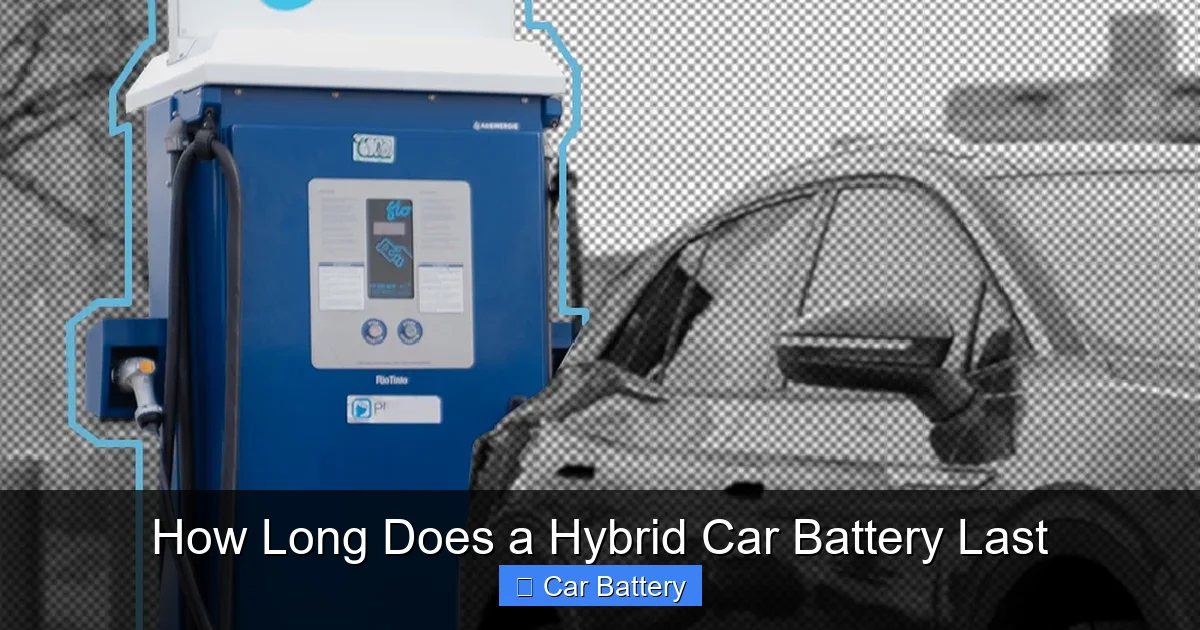
So, how long does a hybrid car battery last? The short answer is: most last between 8 and 15 years, or 100,000 to 200,000 miles. But that’s just an average—real-world experiences vary widely. Some owners report their batteries lasting well beyond 15 years, while others may see signs of decline earlier, depending on usage and environmental factors.
One of the best examples is the Toyota Prius, which has been on the market since 1997. Many early models are still on the road with their original batteries, some with over 200,000 miles. In fact, Toyota has reported that a significant percentage of Prius batteries last the lifetime of the vehicle without needing replacement. This is partly due to the brand’s conservative battery management system, which avoids deep discharges and keeps the charge level between 40% and 80% to reduce stress on the cells.
Other manufacturers, like Honda and Ford, also report similar lifespans for their hybrid models. The Honda Insight, for instance, typically sees battery life of 10 to 15 years, while the Ford Fusion Hybrid often reaches 150,000 miles before any major issues arise. These numbers are encouraging, especially when you consider that most people keep a car for 10 to 12 years on average.
Factors That Influence Battery Life
While the average lifespan gives you a general idea, several factors can shorten or extend how long your hybrid battery lasts. Understanding these can help you make smarter decisions about driving and maintenance.
Driving habits play a big role. Frequent short trips, aggressive acceleration, and heavy braking can put extra strain on the battery. On the other hand, steady driving, gentle acceleration, and using regenerative braking effectively can help preserve battery health. For example, coasting to a stop instead of slamming on the brakes allows the system to capture more energy and reduces wear.
Climate is another major factor. Extreme heat can accelerate chemical degradation in lithium-ion batteries, while extreme cold can reduce their ability to hold a charge. If you live in a hot climate like Arizona or a cold one like Minnesota, your battery may degrade faster than someone in a temperate region like Oregon. Parking in a garage or shaded area can help mitigate temperature extremes.
Vehicle usage also matters. If you drive your hybrid regularly, the battery stays active and healthy. But if the car sits unused for weeks or months, the battery can slowly discharge, leading to sulfation or reduced capacity. This is especially true for plug-in hybrids, which rely more heavily on their batteries.
Warranty Coverage and What It Means
Most hybrid manufacturers offer strong warranties on their batteries, which is a good indicator of expected lifespan. Toyota, for example, provides an 8-year/100,000-mile warranty on hybrid components in most states, and a 10-year/150,000-mile warranty in states that follow California emissions standards (like California, New York, and Massachusetts). Honda offers a similar 8-year/80,000- to 100,000-mile warranty, depending on the model and state.
These warranties typically cover defects in materials or workmanship, but not normal wear and tear. However, if your battery fails within the warranty period, you’ll likely get a free replacement. Some manufacturers even offer extended warranties or battery health checks, which can give you peace of mind.
It’s also worth noting that hybrid batteries are often covered under the vehicle’s emissions warranty, which can last up to 8 years or 80,000 miles in some cases. This is because the battery plays a key role in reducing emissions, and regulators want to ensure long-term environmental benefits.
Signs Your Hybrid Battery Is Failing
Visual guide about How Long Does a Hybrid Car Battery Last
Image source: wrightgrid.com
Even with a long lifespan, hybrid batteries don’t last forever. Over time, they lose capacity and may eventually need replacement. The good news is that battery failure is usually gradual, giving you plenty of warning signs before it becomes a major issue.
One of the most common signs is reduced fuel economy. If you notice your miles per gallon (MPG) dropping significantly—say, from 50 MPG to 35 MPG—it could mean the battery isn’t holding a charge as well as it used to. The gasoline engine has to work harder to compensate, which burns more fuel.
Another red flag is the illumination of warning lights on your dashboard. Most hybrids have a “Check Hybrid System” or “Battery Warning” light that alerts you to potential issues. Don’t ignore it—this light could indicate anything from a minor sensor problem to a failing battery.
You might also notice sluggish acceleration or a lack of power when starting from a stop. Since the electric motor assists the gasoline engine during acceleration, a weak battery can make the car feel slower than usual. In some cases, the car may even switch to “limp mode,” limiting performance to protect the system.
Other signs include unusual noises from the battery area (like clicking or whirring), reduced electric-only driving range, or the battery not charging fully during regenerative braking. If you experience any of these symptoms, it’s a good idea to have your vehicle inspected by a qualified technician.
When to Get a Diagnostic Check
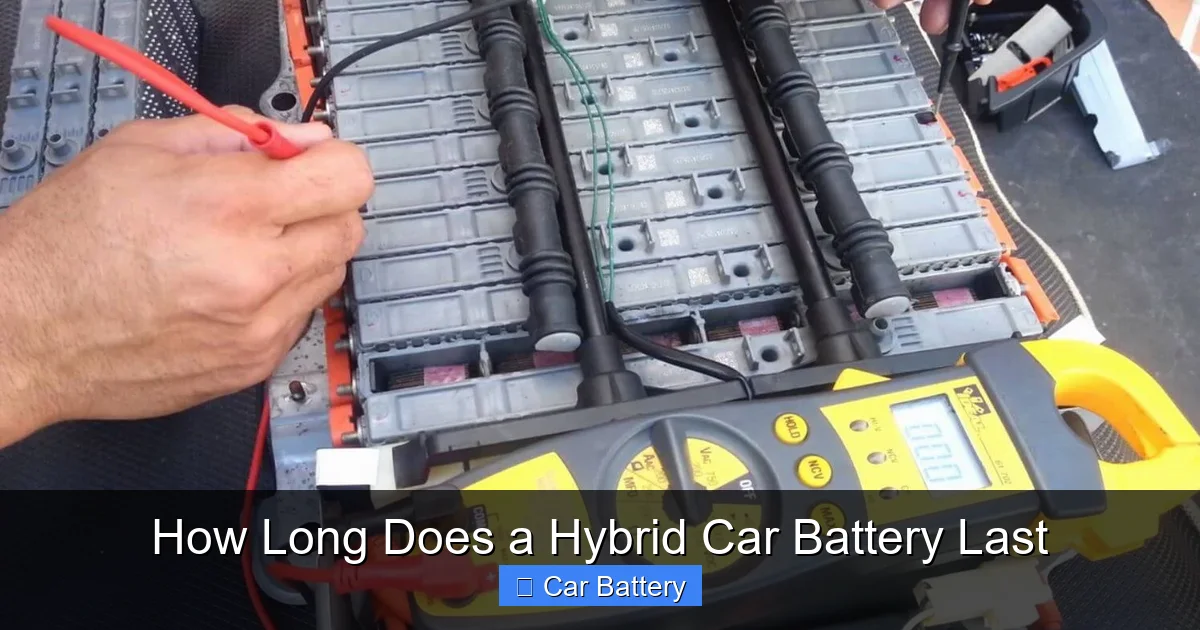
If you’re unsure whether your battery is failing, a diagnostic check can provide clarity. Most hybrid specialists use specialized tools to read the battery’s state of health (SOH), which measures its remaining capacity compared to when it was new. A healthy battery typically has an SOH of 80% or higher. If it drops below 70%, performance may start to decline noticeably.
Many dealerships and independent repair shops offer battery health checks, sometimes for free or at a low cost. These tests can help you decide whether to monitor the battery, plan for a replacement, or consider selling the vehicle before major issues arise.
Extending the Life of Your Hybrid Battery
Visual guide about How Long Does a Hybrid Car Battery Last
Image source: techbuzzer.org
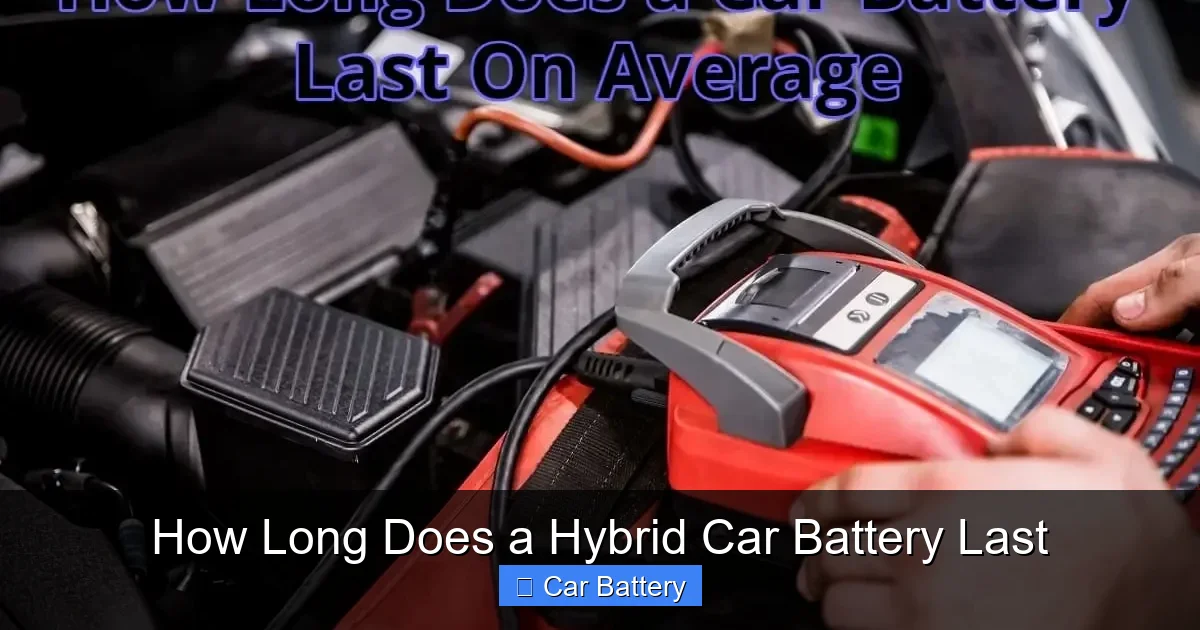
While you can’t stop a hybrid battery from aging, you can take steps to slow down the process and get the most out of it. With a little care and attention, you might even extend its life beyond the average 10 to 15 years.
One of the best things you can do is drive regularly. Batteries like to be used. If your car sits for long periods, the battery can slowly discharge, leading to reduced capacity. Try to drive your hybrid at least once a week, even if it’s just a short trip around the block.
Avoid extreme temperatures whenever possible. If you live in a hot climate, park in the shade or use a sunshade to keep the interior cool. In cold climates, consider using a block heater or parking in a garage to keep the battery warmer. Some hybrids even have battery heaters or coolers built in, which help maintain optimal operating temperatures.
Practice smooth driving habits. Gentle acceleration, gradual braking, and coasting to stops allow the regenerative braking system to work efficiently, reducing strain on the battery. Avoid “jackrabbit” starts and hard stops, which force the battery to deliver or absorb large amounts of energy quickly.
Keep the battery charged—but not too much. Most hybrids manage this automatically, but if you own a plug-in hybrid, avoid leaving it plugged in for days at a time. Overcharging can stress lithium-ion batteries. Similarly, don’t let the battery drain completely. Most systems prevent this, but it’s still good to be mindful.
Finally, follow the manufacturer’s recommendations for maintenance. While hybrid batteries don’t require regular servicing, some models may need software updates or cooling system checks. Check your owner’s manual and schedule routine inspections with a qualified technician.
Tips for Long-Term Battery Health
Here are a few practical tips to help your hybrid battery last as long as possible:
- Use the “Eco” or “EV” mode when available. These modes optimize battery usage and reduce strain on the system.
- Avoid heavy loads like towing or carrying excessive cargo, which can increase battery demand.
- Keep the cooling vents clear of debris. Blocked vents can cause the battery to overheat.
- Get regular inspections from a hybrid specialist, especially after 100,000 miles.
- Consider a battery health monitor if your vehicle doesn’t have one built in. These devices track voltage, temperature, and charge cycles.
Hybrid Battery Replacement: What to Expect
Eventually, even the best-maintained hybrid battery will need replacement. When that time comes, it’s important to know what to expect in terms of cost, options, and process.
The average cost to replace a hybrid battery ranges from $2,000 to $8,000, depending on the make, model, and whether you choose a new, refurbished, or used battery. New batteries from the dealership are the most expensive but come with a warranty and full capacity. Refurbished batteries, which are rebuilt using tested cells, cost less and often come with a 1- to 3-year warranty. Used batteries from salvage yards are the cheapest option but carry more risk, as their remaining life is uncertain.
Many owners choose refurbished batteries as a cost-effective middle ground. Companies like Green Bean Battery and Hybrid Battery 911 specialize in rebuilding hybrid batteries using high-quality components. These refurbished packs often perform just as well as new ones and can save you thousands.
DIY vs. Professional Installation
Replacing a hybrid battery is not a simple task. It involves high-voltage systems, specialized tools, and safety precautions. While some experienced DIYers have done it themselves, most experts recommend leaving it to a professional. Hybrid technicians are trained to handle the risks and ensure the system is properly calibrated after installation.
If you do attempt a DIY replacement, make sure to disconnect the 12-volt battery first, wear insulated gloves, and follow the manufacturer’s service manual. Even then, there’s a risk of damaging the battery or the vehicle’s electronics.
Recycling and Environmental Impact
When your old battery reaches the end of its life, don’t just throw it in the trash. Hybrid batteries contain valuable materials like nickel, cobalt, and lithium, which can be recycled. Many manufacturers and recycling centers offer take-back programs. Toyota, for example, has a program to recycle 95% of Prius battery materials.
Recycling not only reduces waste but also helps recover rare earth metals for use in new batteries. It’s a win for the environment and the future of sustainable transportation.
Conclusion
So, how long does a hybrid car battery last? The answer is reassuring: most last between 8 and 15 years, with many exceeding 200,000 miles. Thanks to advances in battery technology, strong manufacturer warranties, and proper care, hybrid batteries are more reliable than ever. While they will eventually degrade, the process is gradual, giving you plenty of time to plan for a replacement or upgrade.
By understanding the factors that affect battery life—like climate, driving habits, and maintenance—you can take steps to extend its lifespan and get the most value from your hybrid vehicle. And when the time comes for a new battery, you’ll have options that fit your budget and environmental goals.
Hybrid cars are a smart choice for anyone looking to save money on fuel, reduce emissions, and enjoy a smooth, quiet ride. With a little knowledge and care, your hybrid battery can serve you well for many years to come.
Frequently Asked Questions
How long does a hybrid car battery last on average?
Most hybrid car batteries last between 8 and 15 years, or 100,000 to 200,000 miles. Some even last longer with proper care and favorable driving conditions.
Can a hybrid car run without a working battery?
Yes, most hybrids can still run on the gasoline engine alone if the battery fails, but performance and fuel economy will suffer significantly.
Is it expensive to replace a hybrid battery?
Replacement costs range from $2,000 to $8,000, but refurbished or used batteries can cost less and still offer reliable performance.
Do hybrid batteries need regular maintenance?
No, hybrid batteries don’t require regular maintenance, but avoiding extreme temperatures and driving regularly can help extend their life.
What are the signs of a failing hybrid battery?
Common signs include reduced fuel economy, warning lights, sluggish acceleration, and decreased electric-only driving range.
Can I replace a hybrid battery myself?
While possible, DIY replacement is not recommended due to high-voltage risks. It’s safer and more reliable to have a professional technician handle the job.
