
Why My Car Battery Keeps Dying

Car batteries die for many reasons—from old age to electrical drains. Understanding these causes can save you time, money, and frustration. Learn how to diagnose, prevent, and fix battery issues before they leave you stranded.
Have you ever hopped into your car, turned the key, and heard nothing but a sad clicking sound? Or worse—your engine cranks slowly, like it’s struggling to wake up? If this sounds familiar, you’re not alone. A dying car battery is one of the most common automotive headaches drivers face. It’s frustrating, inconvenient, and often happens at the worst possible moment—like when you’re running late for work or stuck in a parking lot at night.
But here’s the good news: most car battery issues are preventable. While batteries don’t last forever, understanding why they fail can help you avoid repeat breakdowns. Whether you drive a compact sedan, a rugged SUV, or a trusty pickup truck, your battery plays a vital role in starting your engine and powering essential systems. When it starts to fade, everything else follows. The key is knowing what to look for and how to respond before you’re left stranded with a dead vehicle and a hefty tow bill.
In this guide, we’ll walk you through the most common reasons your car battery keeps dying. We’ll cover everything from everyday habits that drain power to hidden electrical issues that sneak up on you. You’ll learn how to spot warning signs, perform simple checks at home, and decide when it’s time to replace your battery or call a mechanic. Think of this as your friendly neighborhood mechanic sharing insider tips—no jargon, no confusion, just clear, practical advice to keep you rolling.
Key Takeaways
- Battery age matters: Most car batteries last 3–5 years; older batteries are more likely to fail unexpectedly.
- Parasitic drain is common: Small electrical devices or faulty wiring can slowly drain your battery even when the car is off.
- Extreme temperatures hurt performance: Both hot and cold weather reduce battery efficiency and lifespan.
- Short trips don’t recharge fully: Frequent short drives prevent the alternator from fully recharging the battery.
- Loose or corroded connections cause problems: Poor contact at the terminals reduces power flow and can mimic a dead battery.
- Alternator failure kills batteries: A bad alternator won’t recharge the battery while driving, leading to repeated failures.
- Regular maintenance prevents surprises: Simple checks like cleaning terminals and testing voltage can extend battery life.
📑 Table of Contents
How Car Batteries Work (And Why They Fail)
Before diving into the causes of battery failure, it helps to understand how your car battery actually works. At its core, a car battery is a rechargeable power source that stores electrical energy in chemical form. When you turn the key or push the start button, the battery sends a burst of electricity to the starter motor, which cranks the engine to life. Once the engine is running, the alternator takes over, generating power to run the car’s electrical systems and recharge the battery.
Most modern cars use 12-volt lead-acid batteries, which contain six cells filled with sulfuric acid and lead plates. These cells produce electricity through a chemical reaction. Over time, this reaction becomes less efficient due to plate corrosion, electrolyte loss, and sulfation—a buildup of lead sulfate crystals that reduces capacity. Eventually, the battery can no longer hold a full charge, leading to slow cranking or complete failure.
Signs Your Battery Is Failing
You don’t have to wait for a total breakdown to know your battery is struggling. Watch for these early warning signs:
- Slow engine crank: The engine turns over more slowly than usual, especially on cold mornings.
- Dim headlights or interior lights: Lights appear noticeably dimmer when the car is off or idling.
- Electrical issues: Power windows, radio, or dashboard lights behave erratically.
- Check engine or battery warning light: A glowing symbol on your dashboard often indicates a charging system problem.
- Swollen battery case: A bloated or warped battery case suggests overheating or overcharging.
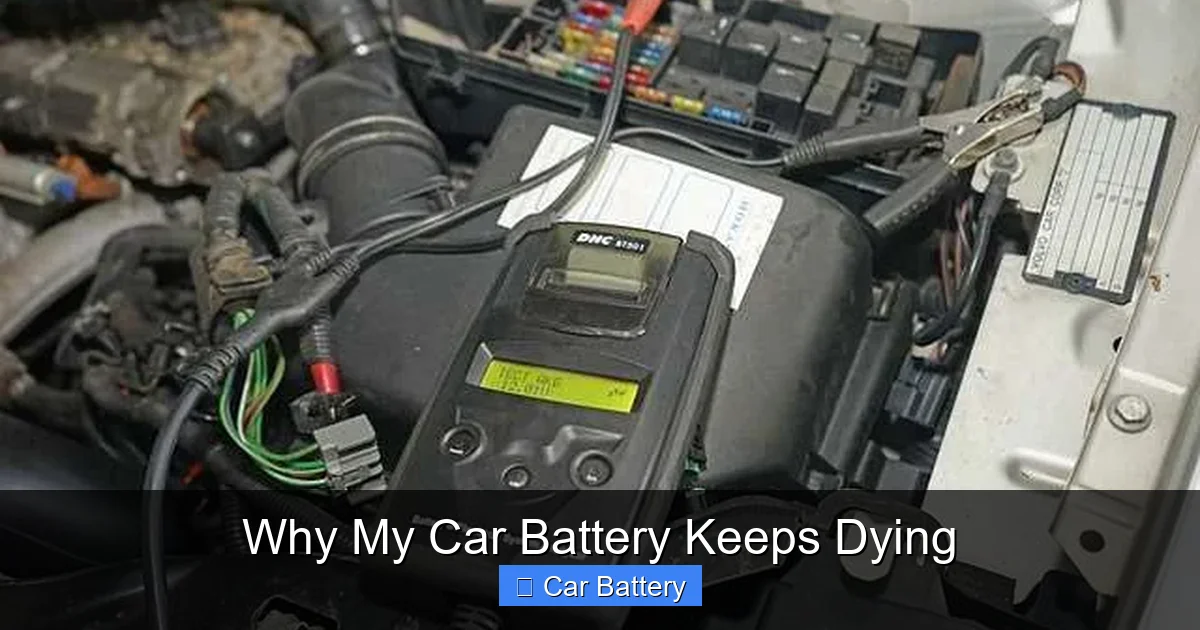
If you notice any of these symptoms, it’s time to test your battery. Many auto parts stores offer free battery testing, or you can use a multimeter at home. A healthy battery should read around 12.6 volts when the car is off and 13.7–14.7 volts when the engine is running.
Common Causes of a Dying Car Battery
Visual guide about Why My Car Battery Keeps Dying
Image source: carcleaningguide.com
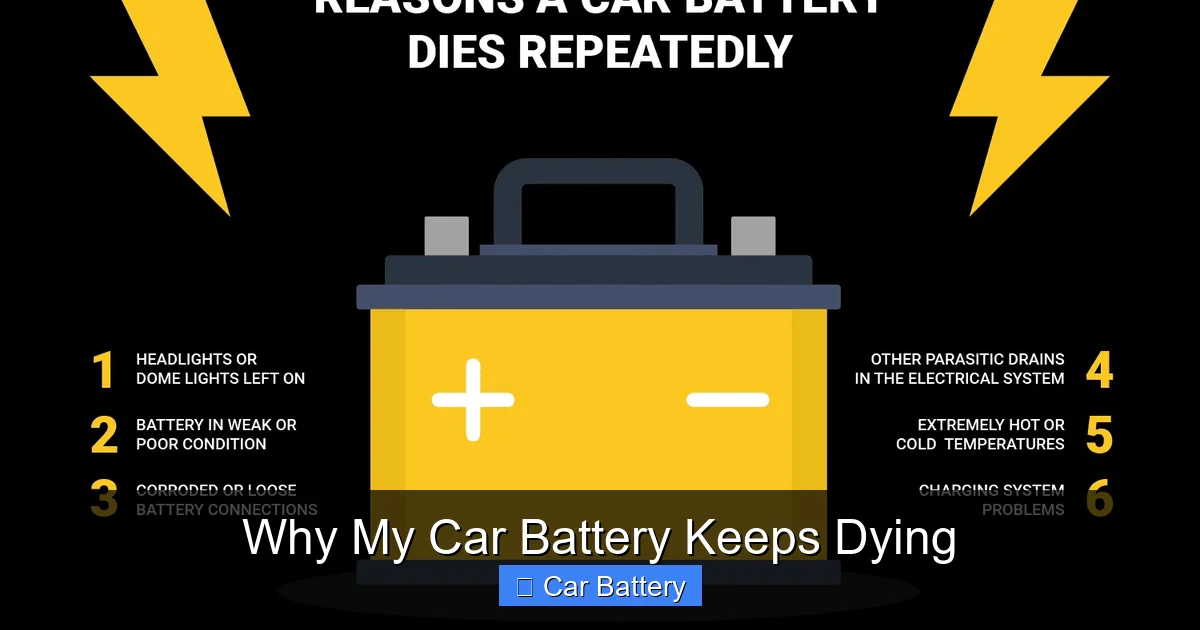
Now that you know how batteries work, let’s explore the real-world reasons they keep dying. Some causes are obvious—like leaving your headlights on—while others are sneaky and hard to detect. Understanding these factors will help you take action before your next roadside emergency.
1. Old Age and Natural Wear
Like any component in your car, batteries have a limited lifespan. On average, a car battery lasts between three and five years, though this can vary based on climate, driving habits, and maintenance. As batteries age, their internal components degrade. The lead plates corrode, the electrolyte evaporates, and the ability to hold a charge diminishes.
For example, if your battery is over four years old and you’re experiencing intermittent starting problems, age is likely the culprit. Even if it still works, it’s living on borrowed time. Think of it like an old phone battery—it might hold a charge for a few hours, but eventually, it won’t last through the day.
2. Parasitic Drain
Parasitic drain happens when something in your car continues to draw power even when the engine is off. This is normal to a small degree—your car’s computer, clock, and security system all need a trickle of electricity. But if a component like a faulty glove box light, trunk light, or aftermarket device (like a dash cam or alarm system) stays on, it can drain your battery overnight.
A common example? A glove compartment light with a broken switch that stays illuminated. Over eight hours, that small bulb can draw enough power to kill a weak battery. Similarly, a malfunctioning alternator diode can allow current to flow backward, draining the battery even when the car is parked.
To check for parasitic drain, you’ll need a multimeter and some patience. Disconnect the negative battery cable and set the multimeter to measure current (amps). Place the probes between the cable and the battery terminal. A normal reading is usually under 50 milliamps (0.05 amps). Anything higher suggests a drain that needs investigation.
3. Extreme Temperatures
Weather plays a huge role in battery performance. In cold climates, chemical reactions inside the battery slow down, reducing its ability to deliver power. That’s why dead batteries are so common in winter. A battery that works fine in summer might struggle to start your car when temperatures drop below freezing.
On the flip side, extreme heat accelerates battery degradation. High under-hood temperatures can cause the electrolyte to evaporate and lead plates to corrode faster. In hot climates, batteries often fail sooner—sometimes in just two to three years. Parking in direct sunlight or in a hot garage doesn’t help.
If you live in an area with harsh winters or scorching summers, consider investing in a battery with a higher cold cranking amp (CCA) rating or using a battery insulator or trickle charger during extreme seasons.
4. Short, Frequent Trips
Your car’s alternator needs time to recharge the battery after starting the engine. If you only take short trips—like driving to the grocery store or dropping kids off at school—the alternator may not have enough time to restore the charge used during startup. Over time, this leads to a chronically undercharged battery.
Imagine starting your car uses 20% of the battery’s charge, but a five-minute drive only recharges 10%. After several trips, the battery is running on fumes. This is especially problematic for drivers in urban areas with stop-and-go traffic.
To combat this, try taking longer drives once a week to let the alternator fully recharge the battery. Alternatively, use a smart battery charger or maintainer to top off the charge when the car is parked for long periods.
5. Loose or Corroded Battery Connections
Even a brand-new battery won’t work properly if the connections are loose or corroded. The terminals (the metal posts where the cables attach) can accumulate a white, green, or blue crust—this is corrosion caused by acid fumes escaping the battery.
Corrosion acts like an insulator, blocking the flow of electricity. Loose cables can also cause intermittent contact, leading to starting problems or electrical glitches. You might notice flickering lights or the engine dying unexpectedly.
Cleaning the terminals is simple: disconnect the cables (negative first, then positive), scrub the terminals and cable ends with a wire brush or baking soda solution, rinse with water, and reconnect tightly. Apply a thin layer of petroleum jelly or terminal protector spray to prevent future corrosion.
6. Faulty Alternator
The alternator is your battery’s best friend—it keeps it charged while the engine runs. If the alternator fails, the battery has to power everything on its own, which drains it quickly. A bad alternator won’t just cause a dead battery; it can also lead to dim lights, a whining noise, or a burning smell.
Common signs of alternator trouble include:
- The battery warning light stays on.
- Electrical systems behave erratically.
- The battery dies repeatedly, even after being jumped or replaced.
Testing the alternator is easy with a multimeter. With the engine running, check the voltage at the battery terminals. It should read between 13.7 and 14.7 volts. If it’s below 13 volts, the alternator isn’t charging properly.
How to Prevent Your Car Battery from Dying
Visual guide about Why My Car Battery Keeps Dying
Image source: lifewire.com
Prevention is always better than a jump start. By adopting a few simple habits and performing regular maintenance, you can significantly extend your battery’s life and avoid unexpected failures.
Regular Battery Maintenance
Make it a habit to inspect your battery every few months. Look for:
- Corrosion on terminals
- Cracks or swelling in the case
- Loose or frayed cables
- Low electrolyte levels (if your battery has removable caps)
Clean terminals and tighten connections as needed. If your battery is more than three years old, consider having it tested annually. Many mechanics and auto parts stores offer this service for free.
Use a Battery Maintainer
If you don’t drive your car often—like for classic cars, seasonal vehicles, or long work-from-home stretches—a battery maintainer (also called a trickle charger) can keep it charged. These devices plug into a wall outlet and deliver a low, steady charge to prevent sulfation and maintain full capacity.
Smart chargers are even better—they automatically adjust the charge rate and shut off when the battery is full, preventing overcharging.
Limit Electrical Load When the Engine Is Off
Avoid using power-hungry devices like the radio, headlights, or air conditioning when the engine isn’t running. Even charging your phone can drain a weak battery over time. If you need to use electronics, start the engine or invest in a portable power bank.
Park in a Garage or Shade
Protecting your car from extreme temperatures helps preserve battery life. In winter, a garage provides insulation against the cold. In summer, parking in the shade reduces under-hood heat. If you don’t have a garage, consider a car cover or battery insulation wrap.
Replace Old Batteries Proactively
Don’t wait for a complete failure. If your battery is over four years old and showing signs of weakness, replace it before it leaves you stranded. Modern batteries are more reliable, but they still wear out. Think of it like replacing tires—better safe than sorry.
When to Replace Your Car Battery
Visual guide about Why My Car Battery Keeps Dying
Image source: carcody.com
Eventually, every battery reaches the end of its life. But how do you know when it’s time for a replacement? Here are clear indicators:
- The battery is more than five years old.
- It fails a load test or voltage test.
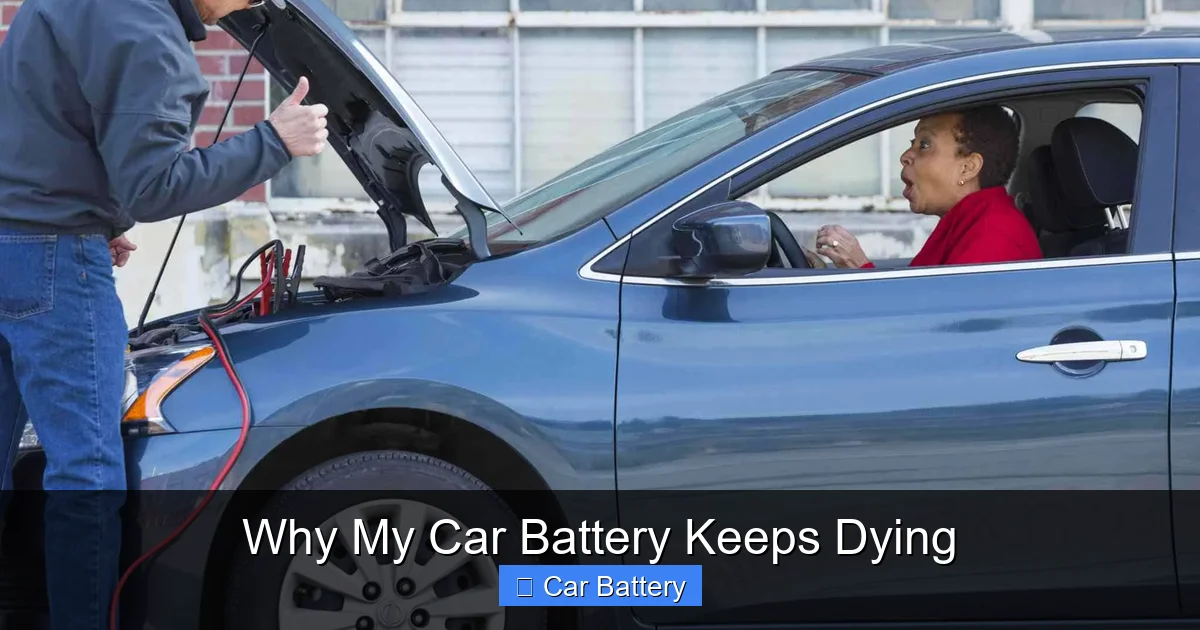
- You’ve had to jump-start the car multiple times.
- The case is swollen or leaking.
- Starting is consistently slow, even after charging.
When replacing your battery, choose one with the correct size, terminal configuration, and cold cranking amp (CCA) rating for your vehicle. Your owner’s manual or a parts store lookup tool can help. Consider upgrading to a maintenance-free or AGM (absorbent glass mat) battery for better performance and longevity, especially if you drive in extreme conditions.
Final Thoughts
A dying car battery doesn’t have to be a recurring nightmare. By understanding the common causes—age, parasitic drain, temperature extremes, short trips, poor connections, and alternator issues—you can take control and prevent future breakdowns. Regular maintenance, smart driving habits, and timely replacements go a long way in keeping your battery healthy.
Remember, your car battery is more than just a starter—it’s the heart of your vehicle’s electrical system. Treat it well, and it’ll keep you moving. And the next time you turn the key and hear that smooth, confident roar, you’ll know your battery is doing its job.
Frequently Asked Questions
Why does my car battery keep dying even after I jump it?
This usually points to a deeper issue like a faulty alternator, parasitic drain, or an old battery that can’t hold a charge. Jumping only provides temporary power—it doesn’t fix the root cause.
How long should a car battery last?
Most car batteries last between three and five years, depending on climate, driving habits, and maintenance. Extreme temperatures and frequent short trips can shorten its lifespan.
Can I drive with a weak battery?
You can, but it’s risky. A weak battery may fail unexpectedly, and it can strain the alternator and other electrical components. It’s best to test and replace it as soon as possible.
How do I know if it’s the battery or the alternator?
Test the battery voltage with a multimeter. If it’s low when the car is off but doesn’t rise above 13.7 volts when running, the alternator may be faulty. A load test can confirm battery health.
Is it safe to clean battery terminals myself?
Yes, as long as you wear gloves and safety glasses. Disconnect the cables, clean with a baking soda solution and wire brush, and rinse thoroughly. Avoid touching both terminals at once.
Should I replace my battery in winter?
Yes, if it’s old or weak. Cold weather puts extra strain on batteries, and a failing one is more likely to die in freezing temperatures. Replacing it before winter can prevent a cold-weather breakdown.