
Should I Replace My Car Battery Before It Dies?

I still remember the morning my old Honda Civic refused to start. It was freezing outside, I was already late for work, and the only thing my car gave me was a sad clicking sound. No lights, no engine, no movement—just silence.
That was the day I promised myself: I’ll never wait for a car battery to die again.
It might sound dramatic, but once your car leaves you stranded in a random parking lot, you learn your lesson fast. So, if you’re wondering, “Should I replace my car battery before it dies?” — here’s the honest truth: yes, you probably should.
Let’s dive into when and why it’s smarter to replace your car battery early — and how to avoid that dreaded “click-click-nothing” moment.
How Long Does a Car Battery Usually Last?
Most car batteries last three to five years, but that’s just an average. In real life, the number changes a lot depending on how you drive, where you live, and how you care for your car.
My Personal Experience with Battery Lifespan
I’ve had batteries that seemed unstoppable and others that gave up way too soon.
For instance, my Optima YellowTop lasted almost six years. I drove through Michigan winters, left my car parked for weeks, and it still started up strong every time.
But my DieHard Gold? That one didn’t even make it past two years. I remember one humid July afternoon in Texas when the car cranked weakly and then just died. That’s when I learned: heat kills batteries fast.
What Really Affects Battery Life
Here’s what I’ve learned over the years:
- Weather plays a huge role.
Hot weather evaporates battery fluid. Cold weather thickens engine oil and forces the battery to work harder. It’s a lose-lose if you live in extreme climates. - Short trips can shorten battery life.
I used to take my weekend car on short drives to the grocery store. The battery never had enough time to fully recharge. Within two years, it was toast. - Maintenance matters more than people think.
Corrosion on the terminals, loose clamps, or dirt buildup can all reduce battery performance. After I started cleaning my terminals every few months, my new Interstate AGM lasted way longer than expected.
The truth is, batteries don’t have an exact expiration date. Some will outlast your expectations, and others will betray you when you least expect it. But regular checks can save you from unpleasant surprises.
Signs Your Battery Might Be Failing
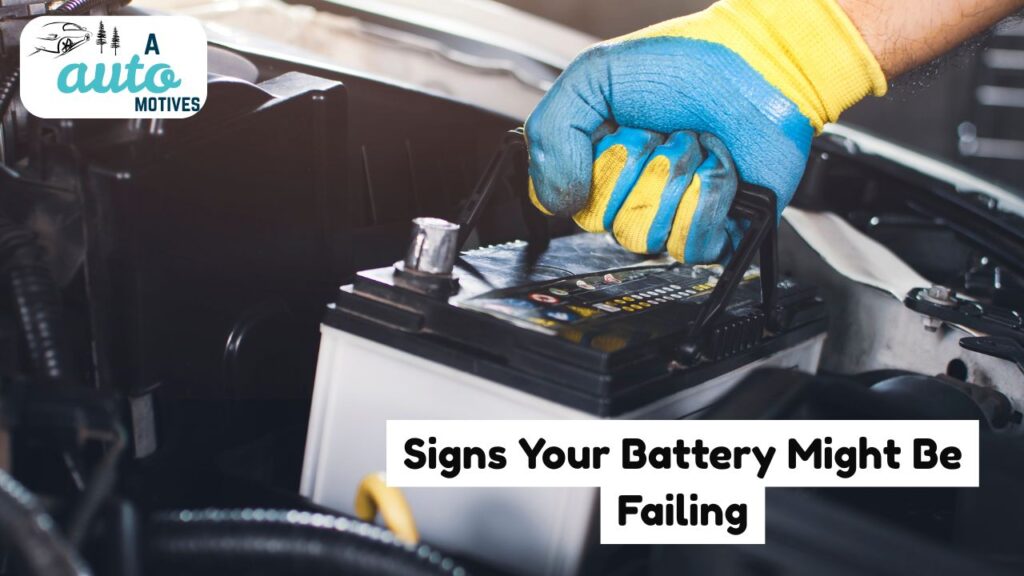
Car batteries rarely die suddenly — they whisper before they scream. You just have to listen.
Over the years, I’ve noticed that most batteries show small warning signs long before they fail completely. Here are the ones that stood out the most for me.
1. The Slow Crank
There’s nothing more nerve-wracking than turning your key and hearing your car struggle to start.
It’s like it’s saying, “Give me one more chance, I swear I’ll work tomorrow.”
When that happens, take it as a sign — not a challenge. My old ACDelco Gold started cranking slower in winter, and two weeks later, it was dead.
2. Dim Lights or Flickering Screens
One night, I noticed my headlights were unusually dim, and the dashboard lights flickered like they were on a power-saving mode. I brushed it off as a “cold night thing.” Big mistake. The next morning, the battery couldn’t even unlock the doors.
3. Clicking Sound When You Try to Start the Car
This one’s a classic. If you turn the key and hear rapid clicking but no start, it’s almost always the battery. The first time it happened, I thought something was wrong with the starter. Nope — the battery was just gasping for its last breath.
4. Needing Frequent Jump-Starts
If you’ve had to jump-start your car more than once or twice in a short period, don’t fool yourself into thinking it’s “just a one-time thing.” I used to think that way too — until I realized the problem wasn’t bad luck, it was a dying battery begging for retirement.
These signs might seem small, but they’re the car’s way of saying, “Hey, I’m tired.” Ignore them, and you’ll end up stranded in a parking lot one cold night, waiting for roadside assistance like I did.
The Risks of Waiting Until Your Battery Dies
I used to think replacing a battery before it died was a waste of money. Why fix what isn’t broken, right? Well, that logic lasted until I got stuck in a deserted parking lot with melting groceries in the trunk and no jumper cables.
Here’s what I learned the hard way about waiting too long.
1. You Could End Up in a Bad Situation
A dead battery doesn’t care about your schedule. It won’t die when you’re comfortably at home — it’ll die when you’re late for work, miles away from help, or worse, in a sketchy area at night.
The time my car died outside a grocery store, I had to wait nearly two hours for a tow truck in 20°F weather. That was enough to convince me: being proactive is always safer.
2. You’ll Spend More Money Than You Think
A battery replacement usually costs around $150 to $300 depending on the brand and type. But when your car dies unexpectedly, the costs pile up — towing, emergency service fees, maybe even hotel stays if you’re far from home.
When I had my DieHard Platinum replaced on the spot, I ended up paying almost double what I would’ve if I’d planned ahead. Lesson learned.
3. You Might Damage Other Car Components
A weak battery can push your alternator to work overtime, trying to keep the charge stable. Eventually, that constant strain can wear it out.
When my alternator failed last year, the mechanic told me straight up: “Your old battery was making this thing work overtime.” That repair cost more than four new batteries combined.
4. It’s Just Not Worth the Stress
A dead battery always seems to strike when you’re rushing or distracted. Trust me, that’s not the moment you want to deal with jumper cables or call for a tow.
Replacing it early removes that stress completely. You get to choose when and where it happens, instead of fate deciding for you.
When Should You Actually Replace It?
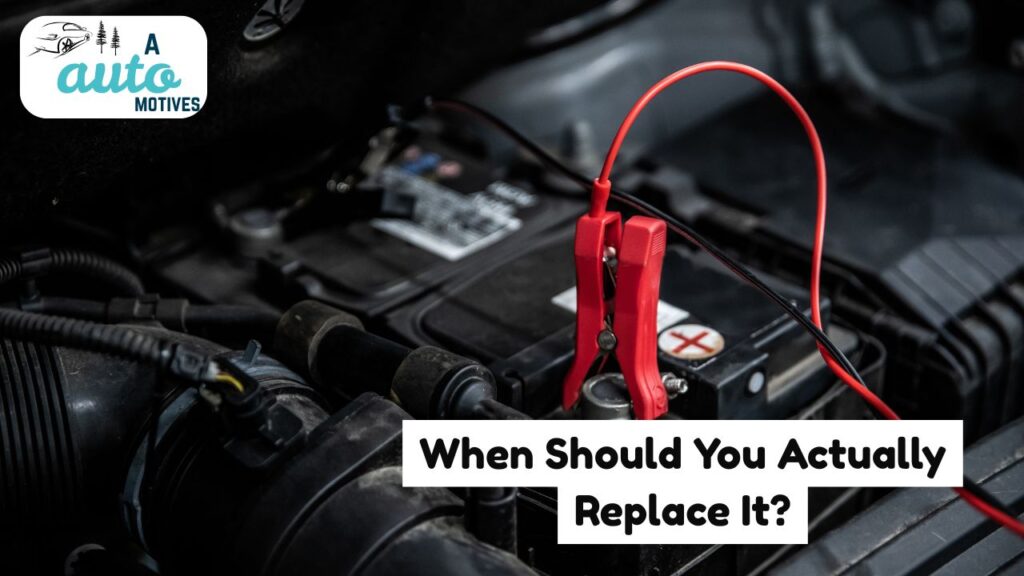
Knowing when to replace your battery isn’t guesswork — it’s smart car ownership. After getting stranded more times than I’d like to admit, I’ve learned a few solid rules for timing it right.
1. Check the Manufacture Date
Most people never look at the battery’s manufacture date — I didn’t either, for years. But that little code stamped on top can save you a lot of trouble.
For example, a code like “E22” means May 2022. Once your battery is past three to four years old, it’s living on borrowed time.
I once ignored that code on my Interstate MTX, thinking it was still fine. It wasn’t. The next month, it refused to start on a cold morning.
2. Test It Regularly
You don’t need fancy tools — just a basic battery tester, or even better, a free test from your local auto parts store.
Places like AutoZone or O’Reilly Auto Parts will test your battery’s health in minutes. I do this every six months now, especially before winter or long trips.
3. Replace It Before It Gets Too Old
From my experience, four years is the magic number. After that, performance starts dropping fast, especially if you live somewhere with temperature extremes.
Last year, I replaced my four-year-old ACDelco AGM just before winter. It was still running fine, but I didn’t want to gamble. The new battery made a noticeable difference — smoother starts, brighter lights, and most importantly, peace of mind.
4. Trust Your Gut (and Your Car)
Sometimes you just know something feels off. Maybe the car hesitates for a second before starting, or maybe you’ve noticed the headlights aren’t as bright as they used to be.
Don’t ignore those feelings. Cars, like people, give off vibes when something’s wrong.
Cost vs. Benefit of Replacing Your Battery Early
For years, I used to think replacing a car battery before it died was throwing money away. “Why replace something that’s still working?” I’d tell myself. But after a few too many roadside disasters, I finally realized — it’s not about if the battery dies, but when it does.
Let’s talk about what you really save by changing it early.
1. The Real Cost of a New Battery
A decent car battery costs between $120 and $300 depending on your car’s make and the type of battery you buy.
- Standard lead-acid batteries are cheaper — great for most daily drivers.
- AGM batteries (Absorbent Glass Mat) cost more but deliver stronger performance, especially in newer vehicles with lots of electronics.
A few years back, I bought a DieHard Platinum AGM for about $230. It was a little pricier than the regular ones, but I noticed my headlights stopped dimming and my starts were smoother — especially on cold mornings. That little investment paid off big time in peace of mind.
2. The Hidden Cost of Waiting Too Long
Now, let’s talk about the costs that sneak up when your battery dies unexpectedly.
When my old Optima RedTop failed in a grocery store parking lot, I had to pay for a tow ($95), buy a battery at full retail ($260), and tip the tech who replaced it in the rain ($20).
That’s nearly $400 — all because I waited for the “perfect time” to change it.
Had I replaced it a few weeks earlier, I would’ve spent half that amount and avoided two hours of frustration. Sometimes, being “too thrifty” ends up costing more.
3. The Value of Peace of Mind
Here’s something you can’t put a price tag on: peace of mind.
Knowing your battery is fresh means you won’t be stuck in a random parking lot late at night or forced to ask a stranger for jumper cables. It means your car starts when you need it — every time.
I can’t tell you how much calmer I feel during winter now. Before every cold season, I check my battery’s age and condition. If it’s nearing four years, I just replace it. It’s become part of my car care ritual, like checking the oil or rotating the tires.
That small act of preparation feels like insurance against chaos.
4. Early Replacement Protects Your Car
A weak battery doesn’t just cause starting issues — it can actually hurt your car’s electrical system.
When voltage drops too low, it forces the alternator to work extra hard to keep everything running — lights, sensors, infotainment systems, and so on. Over time, that extra load can burn out your alternator or even fry delicate electronics.
I once pushed my four-year-old ACDelco Professional AGM too long, and it ended up killing my alternator. Replacing both cost over $600. Now, I’d much rather spend $200 on a new battery than risk another expensive repair.
Why Proactive Replacement Is the Smarter Move
Here’s the thing: cars are all about timing. Oil changes, tire rotations, brake checks — they’re all scheduled maintenance items. Your battery deserves the same respect.
When you plan ahead and replace your battery before it dies, you’re not wasting money — you’re buying control. You decide when and where it happens.
Here’s how I look at it now:
- Replacing your battery early is like changing your phone charger before it frays — it’s cheap insurance.
- Waiting until it fails is like waiting for your phone to die in the middle of an emergency call.
Both scenarios cost time, stress, and probably a few choice words you can’t take back.
What I Learned After Years of Trial and Error
Over the past decade, I’ve replaced about eight car batteries in different vehicles — from my old Toyota Corolla to my current Ford Explorer. Every single one taught me something new.
- Lesson 1: Extreme weather kills batteries faster than mileage does.
My Texas summers and Michigan winters both took their toll. - Lesson 2: Maintenance makes a huge difference.
Cleaning terminals, tightening clamps, and running your car longer on weekends keeps it healthy. - Lesson 3: Proactive beats reactive every time.
A $150 early replacement saves hundreds in emergency costs and wasted hours.
Now, whenever a friend asks, “Should I replace my car battery before it dies?” my answer is simple:
Yes — unless you enjoy surprises that involve tow trucks.
Conclusion: So, Should You Replace Your Car Battery Before It Dies?
Absolutely.
If your battery is more than four years old, or you’re noticing sluggish starts, flickering lights, or frequent jump-starts — don’t wait for it to quit. Replace it now.
Think of it this way: you can either change your battery on a sunny afternoon in your driveway, or on a cold night by the side of the road. The choice is yours.
Being proactive isn’t just smart — it’s empowering. You’ll save money, protect your car, and gain something far more valuable: peace of mind.
FAQs
1. Should I replace my car battery before it dies?
Yes, absolutely. A weak battery can fail without warning, especially in extreme temperatures. Replacing it early prevents unexpected breakdowns and protects your car’s electrical system.
2. How do I know if my battery is starting to fail?
Look out for slow cranking, dim headlights, clicking sounds, or the need for frequent jump-starts. These signs mean your battery is losing strength.
3. How long does a car battery usually last?
Most car batteries last between 3 to 5 years, but climate and driving habits can shorten or extend that lifespan. Always check your battery after the three-year mark.
4. Can a car battery die suddenly?
Yes. While most show warning signs, some can fail overnight — especially after exposure to extreme heat or cold. That’s why routine testing is important.
5. What happens if I don’t replace a weak battery?
You risk being stranded, damaging your alternator, or losing power to important systems like your lights and electronics. It’s always better to replace it early.
6. How can I extend my battery’s life?
Keep your terminals clean, drive your car regularly, and check the voltage every few months. Avoid leaving electronics plugged in when the engine’s off.
Final Thoughts
Your car battery is like your vehicle’s heartbeat — small, powerful, and essential. You don’t wait for your heart to stop before seeing a doctor, right? Treat your battery the same way.
Replace it before it dies, not after. It’s one of the simplest ways to keep your car reliable, your mind calm, and your mornings drama-free.
