
General Grabber vs Goodyear Wrangler: Which Truck Tire Is Better?

As a former shop manager, I have mounted thousands of truck tires. I know exactly how these two perform in the real world. The Goodyear Wrangler All-Terrain Adventure with Kevlar clearly wins overall. It handles highway speeds better, while the General Grabber A/TX is best for budget off-roading.
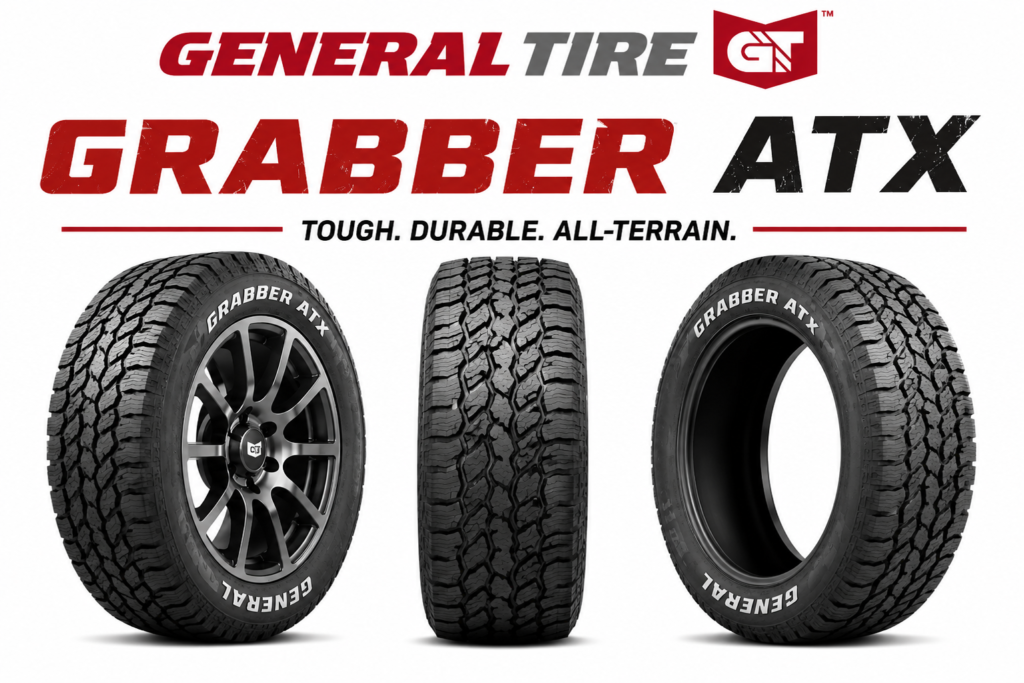
Heavy-Duty Showdown: General Grabber vs Goodyear Wrangler
Choosing the right all-terrain tire is a massive decision. You want maximum grip in the mud without screaming road noise. Both of these tires look aggressive and promise huge results. But they act very differently when you hit the pavement.
Real-World Driving Scenarios
I once took a set of Goodyear Wranglers through a nasty rainstorm. The heavy truck felt completely glued to the slick blacktop. The General Grabbers feel slightly loose in tight highway turns. You must know exactly what you need before spending your money.
Quick Side-by-Side Spec Comparison
Let us look at the raw performance numbers first. This quick chart breaks down the core stats for both tires. You can easily see how they match up against each other.
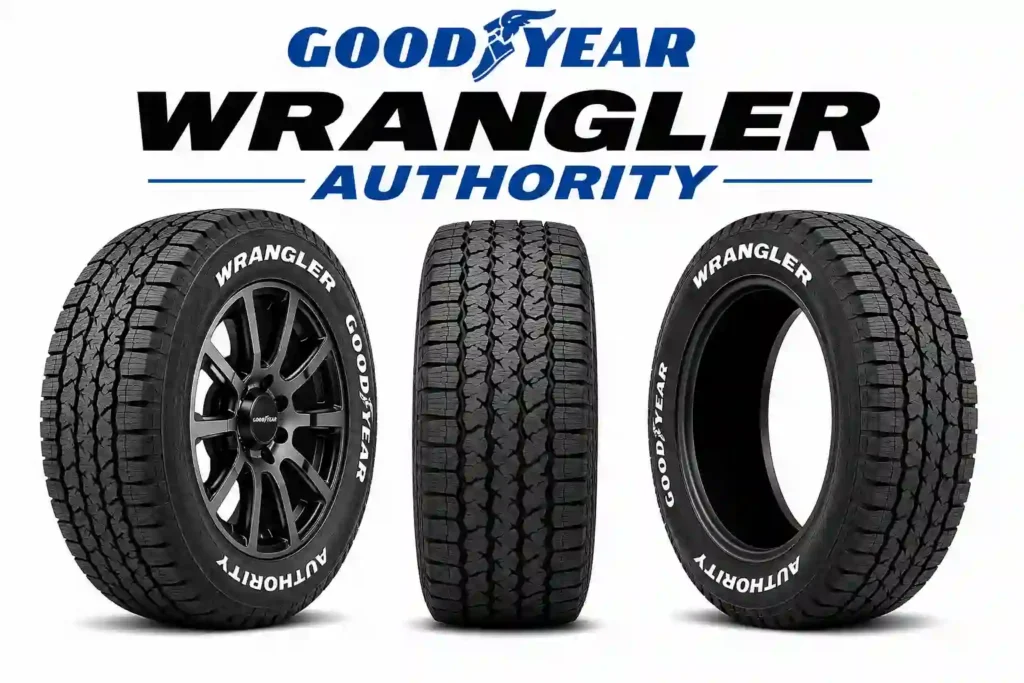
| Feature | General Grabber A/TX | Goodyear Wrangler AT |
| Warranty | 60,000 Miles | 60,000 Miles |
| Winter Rating | 3PMSF Certified | 3PMSF Certified |
| Puncture Tech | Duragen Technology | Kevlar Cord Plies |
| Studdable? | Yes | No |
| Best For | Off-Road / Budget | Highway / Mixed Use |
The table above shows both tires offer the same mileage warranty. They also both carry the impressive 3PMSF rating. This rating means they can handle severe snow conditions safely. 3PMSF stands for Three-Peak Mountain Snowflake, a strict winter standard.
Complete Overview of Both Truck Tires
These two models represent the heavy hitters in the truck tire world. They are built for people who work hard and play harder. But their internal designs and rubber mixtures are completely different.
The Goodyear Wrangler Focus
Goodyear uses real Kevlar inside their internal tire belts. Kevlar is the exact same strong stuff used in bulletproof vests. This makes the tire stiff, strong, and highly resistant to sharp rocks.
The General Grabber Focus
General uses a softer, thicker rubber block design. They also add tiny pin holes so you can install metal studs. This feature makes the Grabber an absolute monster on thick winter ice.
Highway Performance and Daily Commuting
Most modern truck owners spend ninety percent of their time on flat pavement. Smooth highway handling is crucial for keeping your family totally safe. A bad off-road tire will wander endlessly across the highway lane.
Here is a quick breakdown of their pavement scores.
| Highway Feature | General Grabber | Goodyear Wrangler |
| Steering Feel | Sluggish | Very Sharp |
| Cornering Grip | Good | Excellent |
| Lane Tracking | Wanders Slightly | Tracks Straight |
| Braking Power | Strong | Very Strong |
Goodyear easily wins the daily highway driving battle. The stiff Kevlar sidewalls keep the truck tracking perfectly straight. The Grabber feels slightly sluggish when you change lanes at high speeds.
“A stiff sidewall is a truck owner’s best friend on the highway. It stops that scary rolling feeling when you take a fast curve in a heavy pickup.”
That rigid stability is why I always recommend the Goodyear for long road trips. It simply gives you much more confidence behind the steering wheel.
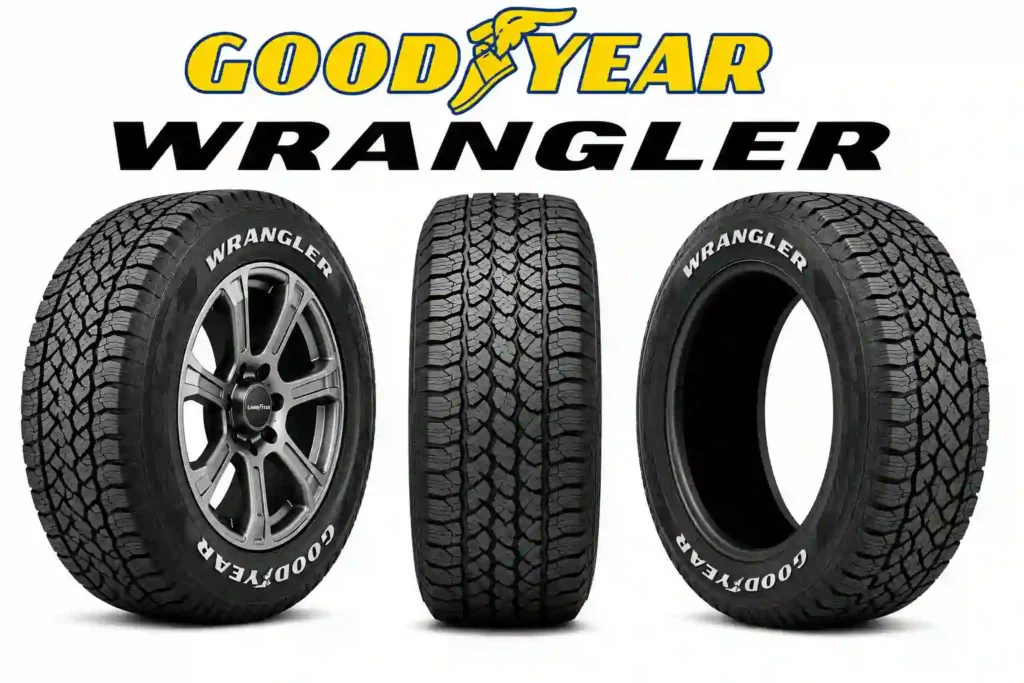
Off-Road Performance on Technical Trails
Leaving the pavement changes all the driving rules completely. You need a tough tire that can grab onto jagged edges. Both tires do very well, but they favor different dirt types.
Who Should Avoid Each Tire
Skip the Goodyear if you drive through deep, sticky mud every single day. The tread blocks are slightly too close together for extreme mud clearing. Skip the Grabber if you just drive to the paved city mall.
Why The Grabber Wins In Dirt
The General Grabber shines when the trail gets incredibly rough. The softer rubber flexes over giant rocks and grabs hold tightly. This flexibility gives you unmatched traction on steep dirt hills.
Gravel, Dirt, and Loose Rock Capabilities
Harsh gravel roads can destroy a cheap tire in just weeks. Sharp rocks tear giant chunks of rubber right off the tread. You absolutely need a tire that spits stones out quickly.
Here is a quick look at how they handle loose ground.
| Terrain Type | General Grabber | Goodyear Wrangler |
| Hard Dirt | Great Grip | Excellent Grip |
| Loose Gravel | Good | Excellent |
| Sharp Rocks | High Tear Resistance | Kevlar Protected |
| Sand | Floats Well | Digs In Fast |
The Grabber uses large shoulder scoops to grab loose dirt. The Goodyear relies on its ultra-tough rubber compound to resist chipping. Both will survive a harsh gravel road easily without falling apart.
Deep Mud Performance and Self-Cleaning
Thick mud is the ultimate enemy of any street-legal truck tire. If the tire cannot clean itself, it turns into a giant slick doughnut. This leaves your heavy truck hopelessly stuck deep in the woods.
The Self-Cleaning Battle
The Grabber A/TX clearly wins the deep mud fight. It has much wider gaps located between the large rubber blocks. As the wheel spins, it flings the thick mud outward easily.
What is Siping?
Siping refers to the tiny zigzag slits cut into the tread blocks. These slits open up to bite into wet, muddy surfaces. The Grabber uses aggressive siping to find traction in awful conditions.
Wet Pavement Grip and Hydroplaning Safety
Rainy highways are far more dangerous than slow dirt trails. Hydroplaning happens when water lifts your tire off the road completely. You lose all steering and braking power instantly.
Real-World Hydroplaning Scenarios
Goodyear heavily dominates in the pouring heavy rain. The smart tread grooves act exactly like massive water pipes. They channel the deep water away from the contact patch instantly.
What is a Contact Patch?
The contact patch is the small area of rubber touching the road. Keeping this exact area dry is the only way to stop safely. The Grabber struggles slightly more in deep, standing highway puddles.
Sidewall Durability and Puncture Resistance
A totally flat tire on a mountain trail is a massive nightmare. Sidewalls are always the weakest part of any heavy truck tire. Sharp tree roots can easily slice them open like warm butter.
Let us carefully compare their tough armor tech.
| Armor Feature | General Grabber | Goodyear Wrangler |
| Sidewall Tech | Duragen Layers | Durawall System |
| Internal Plies | 2-Ply Polyester | Kevlar Wrapped |
| Steel Belts | High-Tensile Steel | Twin Steel Belts |
| Tread Toughness | Chip Resistant | Cut Resistant |
Goodyear’s Durawall system is totally legendary in the tire shop world. I have literally seen nails bend before piercing a Kevlar-wrapped Goodyear tire. The Grabber is tough, but Kevlar is simply much stronger.
Towing Capacity and Heavy Load Performance
Pulling a heavy trailer completely changes how your truck handles. The extra tongue weight pushes down incredibly hard on your rear tires. Weak tires will squat badly and build up massive heat.
Stability Under Pressure
The Goodyear Wrangler feels much more stable with a heavy trailer attached. That stiff Kevlar sidewall perfectly stops the trailer from swaying back and forth. The softer Grabber means you feel slightly more annoying trailer bounce.
Heat Buildup Dangers
Towing heavy loads makes your tire rubber extremely hot. The Goodyear vents this intense heat perfectly on long summer road trips. The Grabber handles it well, but the Goodyear stays noticeably cooler.
Road Noise Levels at Highway Speeds
Nobody wants a loud tire that screams constantly on the highway. We simply call this NVH in the professional shop environment. NVH proudly stands for Noise, Vibration, and Harshness.
Ride Comfort and NVH Explained
The Grabber is surprisingly quiet for such an aggressive tire. They use smart computer tuning to cancel out loud humming sounds. However, the premium Goodyear still rides a bit smoother over harsh city potholes.
The Mud-Terrain Drone
Many aggressive tires make a terrible droning sound at high speeds. Neither of these tires will make you yell over the radio. They both offer a very peaceful ride for long family trips.
Tread Life and Mileage Warranty Comparison
New truck tires are incredibly expensive, and you want them to last. Tread life tells you exactly how long the rubber will survive. Both of these famous brands promise very good longevity.
Here is a quick look at their expected lifespan stats.
| Lifespan Stat | General Grabber | Goodyear Wrangler |
| Warranty Limit | 60,000 Miles | 60,000 Miles |
| Tread Wear Speed | Moderate | Slow |
| Rubber Compound | Softer Winter Mix | Harder Highway Mix |
| Rotation Needs | Every 5,000 Miles | Every 5,000 Miles |
Both tires offer a very strong 60,000-mile factory warranty. However, the tough Goodyear usually outlasts the Grabber in real life. The softer rubber on the Grabber simply grinds away faster on hot summer roads.
Price vs Long-Term Value Breakdown
The heavy upfront cost is always a huge buying factor. You have to balance the price tag with how many miles you get. Sometimes the cheaper tire costs you way more in the long run.
Tread Life & Value Analysis
The General Grabber is usually a bit cheaper at the retail register. But because the Goodyear lasts slightly longer, the cost per mile is very close. If you drive a lot, the Goodyear is clearly the better investment.
“Never ever buy a truck tire based just on the sticker price. A cheap tire that wears out in two years will always cost you more than a premium tire that lasts five.”
That logic applies perfectly to this heavy-duty tire battle. The premium option pays you back with extra years of safe highway driving.
Comprehensive Pros and Cons List
Let us quickly break down the good and the bad points. Every single tire on earth has some flaws. You just have to pick the flaws you can easily live with.
Here is the final scorecard for both tires.
| Brand | The Good | The Bad |
| General Grabber | Great mud grip, low price | Sluggish handling, faster wear |
| Goodyear Wrangler | Amazing wet grip, Kevlar tough | Higher upfront cost, less mud grip |
The Grabber is your absolute best bet for muddy farm duty. The Goodyear is the ultimate king of the rainy highway commuter.
Which All-Terrain Tire Is Actually Better?
If you want raw off-road looks on a tight budget, buy the Grabber. It handles dirt roads very well and eats up deep snow. Plus, you can easily add metal studs for pure winter ice driving.
Why The Goodyear Ultimately Wins
The Goodyear Wrangler is simply a better daily driver. It stops much faster in the rain and steers much sharper. Most normal people need a safe highway tire first, and an off-road tire second.
Final Verdict: The Best Choice for Trucks
After years of mounting tires, the Goodyear Wrangler takes the final win. It is vastly stronger, safer in the pouring rain, and tows heavy loads better. The Kevlar protection just brings total peace of mind for your family.
Do not wait until a scary highway blowout leaves you totally stranded. Grab a quarter right now and go measure your current tire tread depth. If George Washington’s head is showing, order a fresh set of Goodyear Wranglers today.
FAQ for General Grabber vs Goodyear Wrangler
Which tire lasts longer on the highway?
The Goodyear Wrangler typically lasts longer due to its harder rubber compound and Kevlar-reinforced internal belts.
Are both of these tires good in the snow?
Yes, both tires carry the 3PMSF severe snow rating, but the Grabber can also accept metal studs for pure ice.
Which tire is quieter for daily driving?
The Goodyear Wrangler provides a slightly smoother and quieter ride on paved city streets and smooth highways.