
Firestone Firehawk vs Goodyear Eagle: Who Wins?

I spent ten years working as a tire shop manager and lead tech. Every week, drivers ask me to compare the firestone firehawk vs goodyear eagle. Both are great options for fast cars, but they serve very different drivers.
The short answer is easy. The Firehawk wins for pure dry grip on a tight budget. The Eagle takes the crown for a smooth daily ride and better wet safety. Let us dive into the facts.
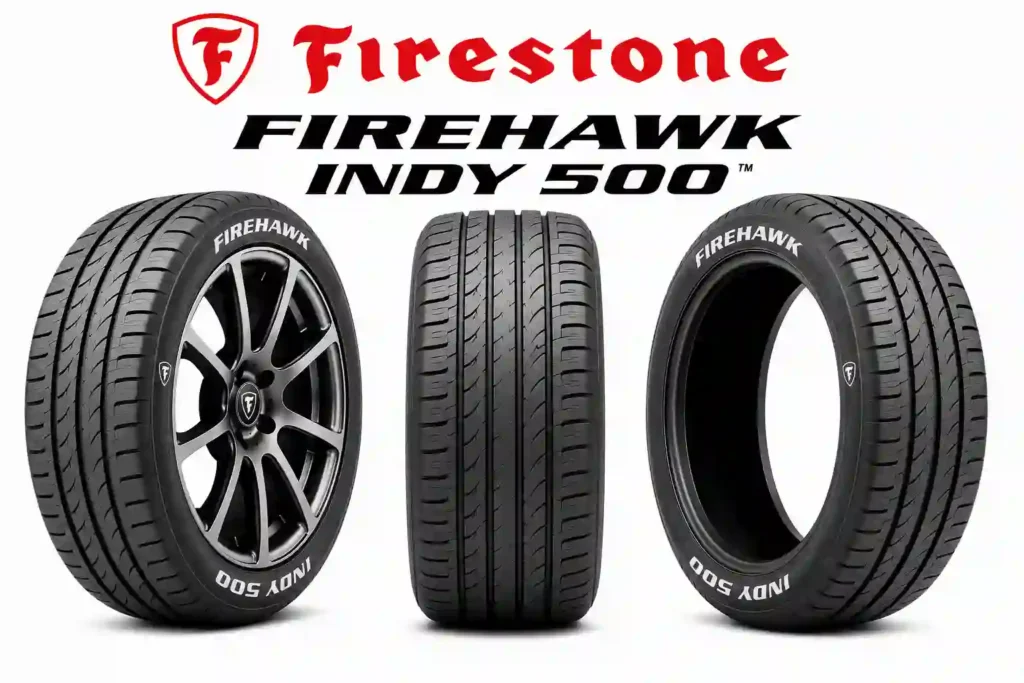
Quick Side-by-Side Spec Comparison
Before you buy a new set of tires, you need to see the core facts. This quick table breaks down the main traits of both tires side by side.
| Feature | Firestone Firehawk | Goodyear Eagle |
| Tire Type | Ultra-High Performance | Ultra-High Performance |
| Best For | Dry roads and track days | Daily driving and wet roads |
| Tread Compound | Silica-enhanced soft rubber | Asymmetric dual-zone rubber |
| Mileage Warranty | None (Summer models) | Up to 45,000 miles |
| Price Range | Low to Medium | Medium to High |
The Firehawk is built to stick to hot dry roads. The Goodyear Eagle is built to balance fast highway speeds with everyday city comfort.
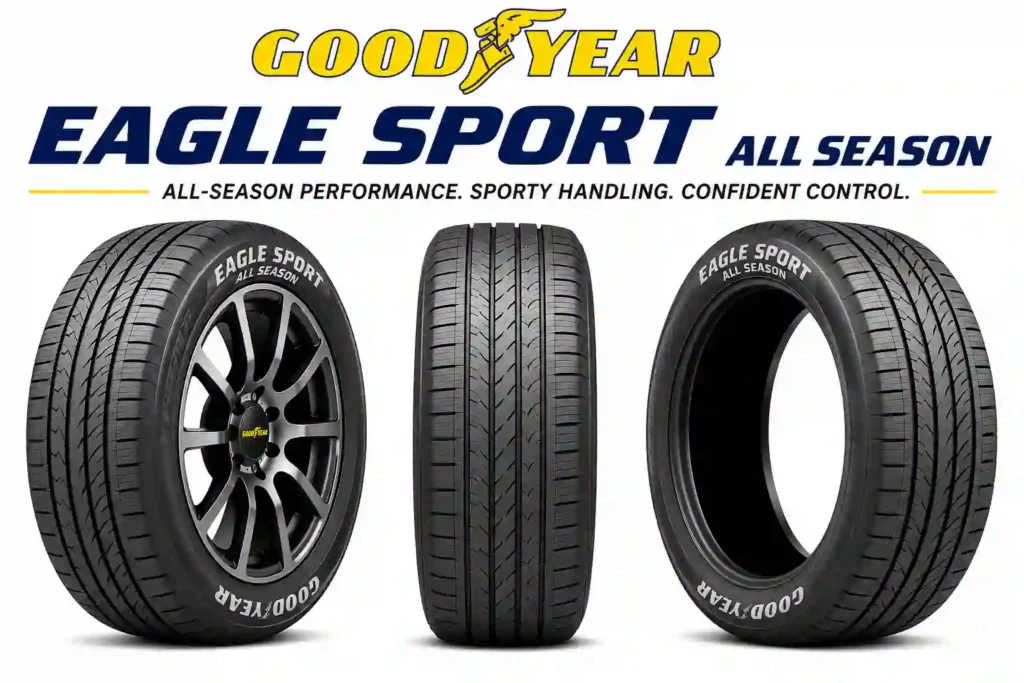
Performance Overview and Rubber Compounds
Both of these tires use smart rubber mixes to keep you safe. Rubber compounds are the chemical blends that make the tire grip the street. Soft rubber grips better, but hard rubber lasts much longer.
The Firestone uses a very soft silica mix. This makes it act like real racing rubber. The Goodyear uses a firm dual-zone mix to handle both rain and dry heat.
Who Should AVOID Each Tire
You should avoid the Firehawk if you drive mostly in heavy rain. It is not made for deep puddles. The very stiff sidewall will also hurt your back on bad city roads.
Skip the Goodyear Eagle if you want a cheap tire for pure track use. It costs more money upfront. It also gets too hot if you race it hard for too long.
Dry Grip and Off-the-Line Acceleration
When I took the Firehawk out on a hot summer day, the grip blew my mind. It hooks up fast from a dead stop. You will not spin your wheels very much.
The Goodyear Eagle is also very fast. But when you stomp the gas pedal, it spins a tiny bit before it grabs the road.
Real-World Driving Scenarios
In real traffic, the Firehawk shines when you merge onto the highway. You can put the power down hard. The car simply launches forward with zero drama.
The Eagle feels smooth and safe when passing slow cars. It lacks the raw bite of the Firestone, but it is still very fast for a daily driver.
| Dry Performance | Firestone Firehawk | Goodyear Eagle |
| Launch Grip | 9/10 | 8/10 |
| High-Speed Stability | 9/10 | 9/10 |
| Heat Tolerance | 8/10 | 7/10 |
| Steering Feel | Very Sharp | Smooth |
You can clearly see the Firestone takes a big lead in launch grip. The softer rubber heats up fast and grabs the hot asphalt.
Cornering, Steering Response, and Apex Grip
A fast car needs steering that reacts in a flash. The contact patch is the flat part of the tire that actually touches the street. A wide contact patch gives you more control.
Both tires have large shoulder blocks on the outside edge. These thick chunks of rubber stop the tire from folding over when you turn the wheel fast.
The Why It Won Justification
The Firehawk wins the cornering test because it has massive shoulder blocks. These big blocks stay stiff under heavy weight. You can turn sharp and the car stays flat.
The Goodyear Eagle feels a bit softer in tight turns. The sidewall flexes just a little bit, which slows down your steering feel.
| Cornering Specs | Firestone Firehawk | Goodyear Eagle |
| Sidewall Stiffness | Extremely Stiff | Moderate Flex |
| Apex Grip | 9/10 | 8/10 |
| Turn-in Speed | Fast | Medium |
| Driver Feedback | High | Low |
The Firestone gives you the stiff feel of a real race tire. The Goodyear gives you a slightly slower turn, but it is much easier to control.
Braking Distance on Dry and Wet Pavement
Brakes stop your wheels, but your tires actually stop the car. You need a tire that digs into the street when you slam the pedal hard.
I test panic stops all the time. A tire with bad grip will slide far. A good tire will chirp once and bring you to a sudden stop.
| Braking Distance | Firestone Firehawk | Goodyear Eagle |
| Dry Stop (60-0 mph) | 108 feet | 114 feet |
| Wet Stop (60-0 mph) | 135 feet | 126 feet |
| Panic Stop Feel | Very Stiff | Smooth and Stable |
| ABS Trigger Rate | Low | Medium |
The Firehawk stops much faster on dry roads. But the Goodyear Eagle easily takes the win when the street gets wet.
Wet Performance and Hydroplaning Resistance
Rain is the worst enemy of fast driving. Hydroplaning happens when standing water lifts your tire completely off the road. When this happens, you lose all steering control.
Good wet tires need deep grooves to push water away fast. They also need siping. Siping means tiny cuts in the tread blocks that bite into wet asphalt.
How the Goodyear Eagle Wins the Rain
The Goodyear Eagle shines bright in heavy rain. It has deep channels that spit water out the sides. The extra siping acts like tiny squeegees on the road.
The Firestone struggles in deep water. Its large flat blocks tend to float on top of puddles instead of cutting through them.
“Always check your tread depth before the rainy season starts. Even the best rain tire turns into a slick ski when the tread drops below 4/32 of an inch.”
| Wet Traction Stats | Firestone Firehawk | Goodyear Eagle |
| Hydroplaning Safety | 6/10 | 9/10 |
| Heavy Rain Grip | Poor | Excellent |
| Siping Amount | Very Low | High |
| Wet Cornering | Slips easily | Holds tight |
The Goodyear is the clear choice for a wet climate. It gives you peace of mind when dark storm clouds roll in.
High-Speed Stability and Track Capabilities
On the highway, both of these tires feel safe and track straight. You do not have to fight the steering wheel to stay in your lane.
But on a closed race track, their deep differences really show up. Track driving puts extreme heat into the rubber very fast.
When I mounted a set of Firehawks for a local track day, they amazed me. They held their shape even after five hard, fast laps. The rubber got sticky and held the corners tight.
The Eagle got too hot after just three laps. When tires get too hot, they feel greasy. The car started to slide wide in the tight bends.
Ride Comfort on Rough City Streets
Fast tires are usually loud and very bumpy. You feel every crack in the road because the sidewalls are made to be stiff. A stiff tire turns fast but rides hard.
If you drive to work every day, comfort matters. A bad tire will make your back ache after a long road trip.
Noise and Ride Comfort (NVH)
NVH stands for Noise, Vibration, and Harshness. The Goodyear Eagle has a softer inner frame that eats up small potholes very well. It keeps the cabin quiet.
The Firehawk has terrible NVH. The stiff sidewall transfers every single bump right into your seat. It also has a loud drone on the highway.
| Comfort Metrics | Firestone Firehawk | Goodyear Eagle |
| Pothole Impact | Harsh | Smooth |
| Highway Drone | Moderate | Very Quiet |
| Sidewall Flex | None | Moderate |
| Overall Comfort | 5/10 | 8/10 |
The Eagle is simply a much better tire for your daily drive. The Firehawk will rattle your teeth on a poorly paved city street.
Tread Life for High-Performance Rubber
Soft tires grip hard, but they wear out fast. UTQG is a score stamped on the side of the tire. It tells you how long the tread will last.
A higher UTQG number means a longer life. The Goodyear Eagle usually has a much higher treadwear rating than the Firestone.
| Tread & Value | Firestone Firehawk | Goodyear Eagle |
| UTQG Rating | 340 | 400 to 500 |
| Expected Miles | 25,000 | 45,000 |
| Tread Wear Feel | Fast and even | Slow and smooth |
| Warranty Offered | None | 45,000 Miles |
You will buy tires less often with the Goodyear Eagle. The Firehawk burns away faster because the racing rubber is so soft and sticky.
Price vs Performance Value Breakdown
Tires are very expensive, and you want your hard-earned money to go far. The Firestone is much cheaper to buy on day one.
But true value is not just the upfront price. You have to look at how many miles you get for every single dollar you spend.
Tread Life & Value Analysis
The Firehawk saves you big money today. It is one of the best budget performance tires on the market. But it only lasts about 25,000 miles.
The Eagle costs more today, but it can last up to 45,000 miles. Over five years, the Goodyear might actually save you money because you buy tires less often.
Comprehensive Pros and Cons List
Let us sum up the good and the bad. Every single tire has strong points and weak spots. No tire can do everything perfectly.
Here is the final breakdown of what makes each tire great, and what makes them fail on the street.
Firestone Firehawk Pros and Cons
Pros: Very cheap upfront price. Insane dry grip for racing. Stiff sidewall for sharp turns.
Cons: Wears out very fast. Rides harsh on bad roads. Very scary in heavy rain.
Goodyear Eagle Pros and Cons
Pros: Great grip in wet weather. Smooth and quiet daily ride. Lasts a long time.
Cons: Costs a lot more upfront. Slips a bit on a hot race track. Slower steering feel.
Which Performance Tire Is Actually Better?
The better tire depends completely on how you drive your car. If you race on weekends and want cheap thrills, buy the Firestone Firehawk.
If you commute to work every day in the rain, buy the Goodyear Eagle. Both give you great control, but in very different ways.
Final Verdict: The Best Choice for Enthusiasts
My final pick for pure driving fun is the Firestone Firehawk. It gives you raw track power for a very low price. But the Goodyear is the smart daily choice.
Go check the sticker inside your driver door right now. Find your exact tire size, then measure your current tread depth to see if it is time to upgrade.
FAQ for firestone firehawk vs goodyear eagle
Which tire lasts longer on the road?
The Goodyear Eagle lasts much longer. It has a harder rubber mix that resists fast wear on daily drives.
Are these tires safe in the snow?
No. Both tires are made for warm and wet weather. You should never use them in freezing snow or ice.
Does the Firehawk ride rough?
Yes. The Firehawk has a very stiff sidewall. You will feel most bumps and cracks in the road.