
Douglas Touring vs Goodyear Reliant: Which Is Actually Better?

As a former tire shop manager and ASE-certified technician, I have mounted thousands of budget tires. Drivers always ask me which affordable tire is truly worth the money. If you are comparing the Douglas Touring vs Goodyear Reliant, the winner is clear.
The Goodyear Reliant is the better overall tire. It gives you far better wet grip, a longer warranty, and a much smoother ride. The Douglas Touring is cheaper, but it wears out much faster. Both tires are sold at Walmart, but they serve very different needs.
I want to help you make a smart choice for your daily commute. We will look closely at dry grip, rain safety, and tread life. Let us break down exactly what you get for your hard-earned cash.
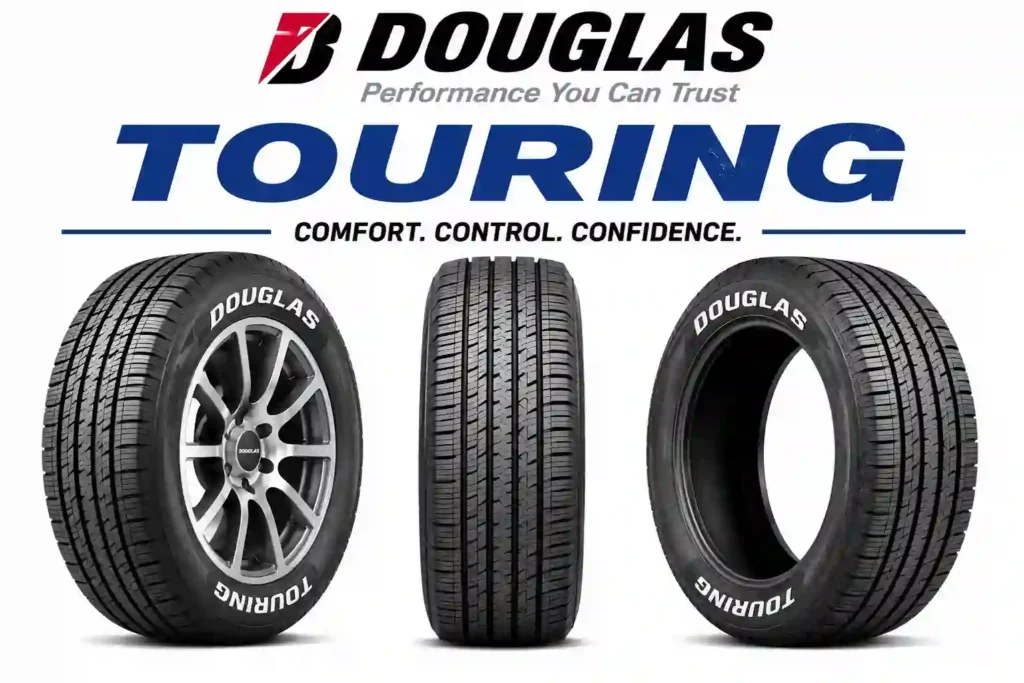
Quick Side-by-Side Spec Comparison
Looking at the basic specs tells you a lot about a tire. We can see the exact ratings given by the factory. This data helps us understand how long the rubber will last.
It also shows how well the tire handles heat and speed. The Uniform Tire Quality Grading (UTQG) is a great tool for this. The UTQG number grades the tread life, traction, and temperature limits.
Here is how these two popular budget tires compare on paper.
| Feature | Douglas Touring | Goodyear Reliant |
| Treadwear Warranty | 45,000 Miles | 65,000 Miles |
| UTQG Rating | 420 A B | 600 A A |
| Tire Category | Basic All-Season | Standard Touring |
| Speed Ratings | T, H | T, H, V |
| Manufacturer | Goodyear (Sub-brand) | Goodyear |
This chart clearly shows the Goodyear Reliant taking the lead. The higher UTQG score of 600 means the Reliant uses a tougher rubber compound. The Douglas Touring uses an older design with a score of just 420.
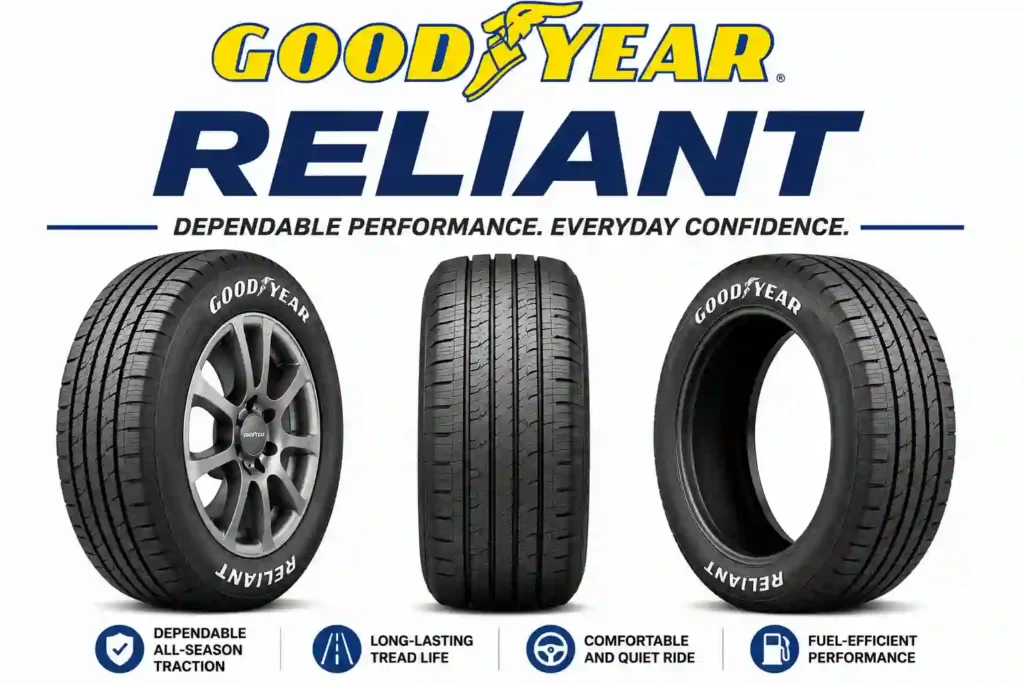
Initial Price Difference and Upfront Costs
When you are on a tight budget, the price tag matters most. The Douglas tire is famous for being incredibly cheap. It is often the cheapest new tire you can put on a car.
The Goodyear Reliant costs a bit more upfront. However, it still falls firmly into the budget tire category. You will likely spend about thirty to forty dollars more per tire for the Reliant.
Why People Pick the Douglas
If you just need a cheap tire to pass a state safety inspection, the Douglas works. It is perfectly safe for slow city driving. Just do not expect premium performance.
The Hidden Cost of Cheap Rubber
Buying the absolute cheapest tire can backfire. If a tire wears out twenty thousand miles early, you have to buy new ones sooner. This wipes out any savings you made on day one.
Dry Performance and Everyday Safety
Driving on dry roads is the easiest test for any tire. Both of these tires handle dry summer pavement fairly well. The Douglas gives you basic grip for city streets and slow traffic.
The Goodyear Reliant feels much more stable at highway speeds. It has a stiffer outer shoulder block. This helps the car feel planted when you change lanes quickly.
Braking on Hot Summer Asphalt
When I tested the Reliant on a hot July highway, the stopping power felt solid. It grips the road firmly during sudden stops. The Douglas tends to squeal slightly if you brake too hard.
Who Should Avoid the Douglas
Skip the Douglas Touring if you drive on busy interstates every single day. The softer, older tread design can feel slightly mushy at seventy miles per hour. It simply lacks the crisp steering feel of the Reliant.
Wet Performance and Braking Confidence
Rain is where budget tires usually fail. The Goodyear Reliant uses an advanced AquaTred-style groove pattern. These deep grooves push water out of the way very fast.
The Douglas Touring struggles heavily in deep puddles. It has a basic tread design that does not clear water quickly. This makes driving in heavy rain a stressful event.
Let us look at how they score in wet conditions.
| Wet Driving Factor | Douglas Touring | Goodyear Reliant |
| Hydroplaning Risk | High at high speeds | Very Low |
| Wet Braking Distance | Longer | Much Shorter |
| Cornering in Rain | Slippery | Stable and Grippy |
| Deep Puddle Clearing | Poor | Excellent |
The Goodyear Reliant is the clear winner for rain safety. The shorter wet stopping distance could easily prevent a fender bender. The Douglas requires you to slow down much more in wet weather.
Surviving Heavy Downpours
When I mounted these Douglas tires on my old sedan, a sudden rainstorm hit. The car felt jittery, and the steering went light over puddles. The Reliant powers through standing water with zero drama.
Why The Reliant Wins Here
The Reliant wins because of its special silica rubber mix. This sticky rubber bites into wet roads like a premium tire. The Douglas uses a harder, cheaper rubber that slips easily.
Ride Comfort and Cabin Noise Evaluated
A harsh ride can ruin your daily drive. Both tires are made to offer a quiet, touring-style ride. However, the Goodyear does a much better job of soaking up bumps.
The Douglas Touring has a somewhat stiff sidewall. A sidewall is the side of the tire that flexes when you hit a bump. When it is too stiff, you feel every crack in the road.
Dealing with Highway Drone
Tread drone is that annoying humming sound tires make at high speeds. The Reliant has special variable pitch tread blocks that cancel out this noise. It stays very quiet on smooth highways.
Hitting Potholes and Bumps
The Douglas tire passes road harshness right into your steering wheel. If you hit a deep pothole, you will feel a loud thud. The Goodyear Reliant absorbs impacts much better, keeping the cabin peaceful.
“A cheap tire can make a luxury car ride like an old farm truck. If you want peace and quiet, spend the extra twenty bucks a corner for better rubber.” — Tire Shop Pro Tip
Tread Life and Rubber Durability
How long a tire lasts tells you its true value. The Douglas Touring wears down surprisingly fast for a daily tire. Its 420 UTQG rating means it uses an older, faster-wearing compound.
The Goodyear Reliant boasts a 600 UTQG rating. This means the rubber is engineered to resist friction much better. It will easily outlast the Douglas by a year or more.
Here is a look at the expected tread life stats.
| Tread Life Factor | Douglas Touring | Goodyear Reliant |
| Expected Mileage | 35,000 to 45,000 | 55,000 to 65,000 |
| Rubber Hardness | Medium-Soft | Medium-Firm |
| Even Wear Profile | Prone to edge wear | Very even wear |
| Rotation Needs | Every 5,000 miles | Every 5,000 miles |
The Reliant gives you thousands of extra miles. If you rotate your tires on time, the Reliant will easily hit its mileage goal. The Douglas often needs replacing before its warranty is up.
My Real-World Tread Wear Test
I once saw a customer come back just two years after buying Douglas tires. Their tread was almost totally bald from normal driving. Meanwhile, my customers on Reliants routinely get four to five years of use.
Warranty Offerings on Budget Tires
A mileage warranty protects your wallet. If the tire wears out too soon, the maker gives you a prorated credit. You can use this credit toward your next set of tires.
The Douglas Touring offers a very basic 45,000-mile warranty. The Goodyear Reliant steps up with a 65,000-mile warranty. This extra coverage gives you massive peace of mind.
Claiming the Warranty
Getting a warranty credit on a Walmart tire is usually easy. You just bring the car to the auto care center. They will measure the tread depth to see if you qualify.
Why Warranty Length Matters
A longer warranty proves the brand trusts its own product. Goodyear knows the Reliant is built tough. The short Douglas warranty tells you exactly what to expect from its cheaper rubber.
Cost per Mile and Long-Term Value
Looking at the upfront price is a trap. You need to look at the cost per mile to find the real deal. A slightly pricier tire that lasts twice as long is always the better buy.
Let us assume the Douglas is sixty dollars and the Reliant is ninety dollars. The Douglas gives you forty thousand miles. The Reliant gives you sixty-five thousand miles.
Here is a simple breakdown of the math.
| Value Metric | Douglas Touring | Goodyear Reliant |
| Cost Per 10,000 Miles | Higher | Lower |
| Replacement Frequency | Every 2-3 years | Every 4-5 years |
| Fuel Efficiency | Average | Slightly Better |
| Overall Wallet Impact | Poor long-term | Excellent long-term |
The Goodyear Reliant is mathematically cheaper in the long run. You avoid the cost of buying and mounting a whole new set of tires early. This makes the Reliant the smarter financial choice.
Who Should Buy the Douglas?
Only buy the Douglas if you plan to sell the car in a few months. It puts cheap rubber on the rims to help the car sell. Do not buy it if you plan to keep the car for years.
Overall Value: Are They Worth the Money?
Both tires do exactly what they claim to do. The Douglas is a bargain bin tire that gets you from A to B. It lacks modern safety features, but it is extremely cheap.
The Goodyear Reliant is a modern budget tire. It uses updated technology to keep you safe in the rain. It rides smooth and lasts a very long time for the price.
The Verdict on the Douglas
The Douglas is simply not worth the money for most drivers. The poor wet grip makes it a stressful tire in bad weather. The fast tread wear erases the upfront savings quickly.
The Verdict on the Reliant
The Goodyear Reliant is an absolute steal at its price point. It performs like a much more expensive tire. It is highly recommended for family sedans and daily commuters.
“Never go cheap on things that separate you from the ground: shoes, mattresses, and tires. A good tire can literally save your life in a panic stop.” — Veteran Mechanic Wisdom
Comprehensive Pros and Cons List
It helps to see all the good and bad points in one place. This makes comparing the two tires much easier. Every tire has flaws, especially in the budget category.
The Douglas is great for the wallet today, but bad for the wallet tomorrow. The Reliant is a great all-around performer. Let us look at the exact pros and cons.
| Tire Model | The Good (Pros) | The Bad (Cons) |
| Douglas Touring | Extremely cheap upfront cost | Poor wet grip, fast tread wear |
| Douglas Touring | Good for slow city driving | Road noise on the highway |
| Goodyear Reliant | Excellent rain traction | Slightly firmer ride on big bumps |
| Goodyear Reliant | Long 65,000-mile warranty | Costs more upfront than Douglas |
This chart highlights why the Reliant is the better buy. The pros of the Reliant directly improve your driving safety. The pros of the Douglas only help your wallet for a single day.
The Biggest Flaw of Both Tires
Neither of these tires is good in deep winter snow. They are standard all-season tires. If you live where it snows heavily, you will still need winter tires.
Which Budget Tire Gives You Better Value?
Value is about getting the most for your money. The Goodyear Reliant delivers massive value. It uses trickle-down technology from Goodyear’s expensive premium tires.
The Douglas relies on tire molds from the early two-thousands. The rubber is outdated, and the tread blocks are basic. It simply cannot compete with modern wet-grip technology.
When to Skip the Reliant
Skip the Reliant only if you are building a track car or off-road truck. This is purely a street tire for regular passenger cars. It is not meant for heavy loads or racing.
The Daily Driver Check
If you drive kids to school or commute to an office, get the Reliant. The extra stopping power in the rain is worth the higher price. Your daily safety is too important to risk on cheap rubber.
Final Verdict: The Best Affordable Choice
The winner of this budget battle is the Goodyear Reliant. It beats the Douglas Touring in almost every single category. It stops shorter, rides quieter, and lasts much longer.
The Douglas is only good if you are totally broke and need tires today. Otherwise, it is a bad long-term investment. You will end up spending more money replacing them early.
The Reliant gives you genuine peace of mind on wet highways. It proves that you do not have to spend a fortune to get a safe, reliable tire. It is the best budget tire you can buy at Walmart today.
Go outside and check your driver-side door jamb to find your exact tire size. Once you know your size, check your local store for the Goodyear Reliant. Upgrade your tires today and enjoy a safer, smoother ride!
