
Yokohama Geolandar vs Continental CrossContact: Which Is Better?

In my 15 years as a tire shop manager, I have mounted thousands of SUV and truck tires. If you stay on paved roads, the Continental CrossContact is the clear winner for its smooth ride and wet grip. But if you drive on dirt trails or tow heavy trailers, the Yokohama Geolandar takes the top prize.
Both of these tire lines are built for modern SUVs and light trucks. They aim to give you safety and comfort. However, they go about it in very different ways. I have tested both of these models extensively in the real world.
In this guide, I will break down exactly how they compare. We will look at wet grip, road noise, and tread life. By the end, you will know exactly which tire belongs on your vehicle.
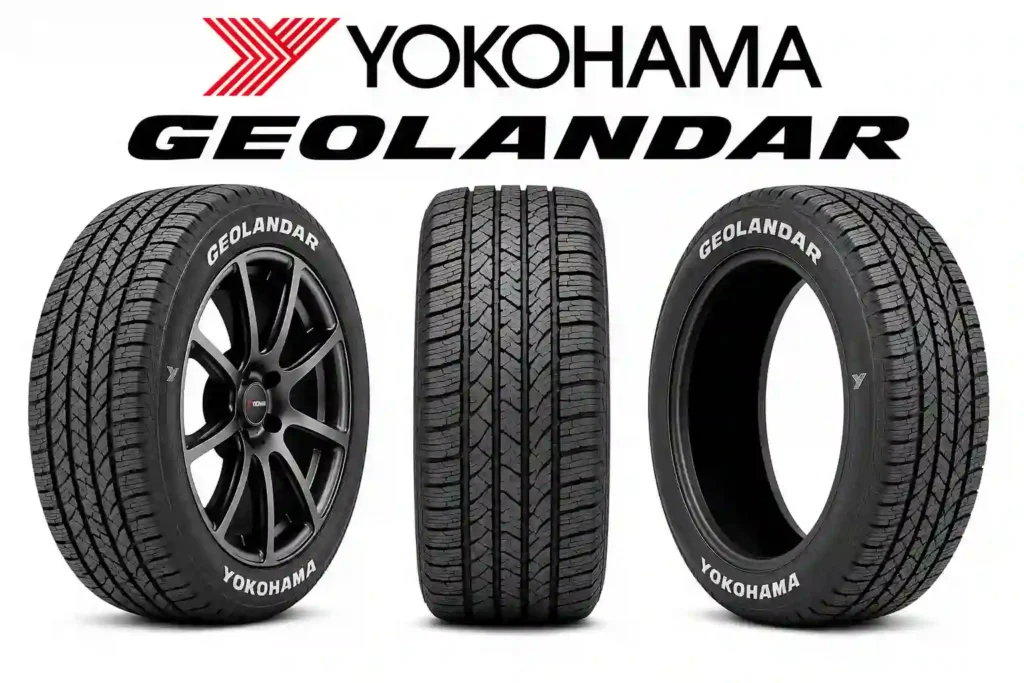
Quick Side-by-Side Spec Comparison
Before we dive deep, let us look at the basic facts. The chart below gives you a quick view of what each tire offers.
| Feature | Yokohama Geolandar | Continental CrossContact |
| Best Used For | Mixed driving and light trails | Daily highway commuting |
| Tread Type | Deep grooves and tough blocks | Smooth ribs for quiet rides |
| Rubber Compound | Cut-resistant and durable | Soft and sticky for wet roads |
| Warranty Avg. | Up to 65,000 miles | Up to 70,000 miles |
| Price Tier | Mid-range to premium | Premium |
This chart shows that Continental leans heavily toward street use. The soft rubber helps the tire grip smooth roads. The Yokohama focuses more on tough terrain and hauling heavy loads.
Now, we need to look at how these specs play out in real life. A tire might look good on paper, but it has to perform on the road. Let us dive into the details.
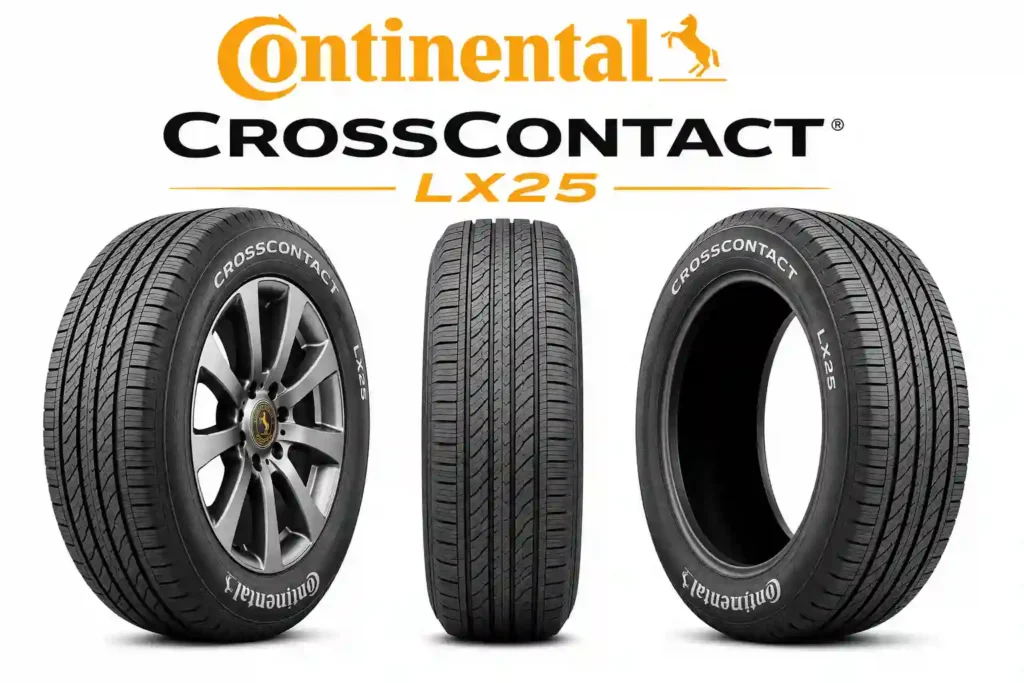
Complete Overview of Both Truck Tires
Every tire has a specific job. To make the best choice, you must understand what each brand built their tire to do.
Why the Yokohama Excels
Yokohama built the Geolandar to take a beating. The tread pattern is chunky and aggressive. This means it can grab loose dirt and rocks with ease.
Why the Continental Shines
Continental built the CrossContact for luxury and safety. They focused heavily on stopping fast in the rain. The tread is designed to keep your cabin completely quiet on long trips.
Who Should Avoid These Tires
Skip the Yokohama Geolandar if you drive 80 miles on the highway every day. The aggressive tread will hum at high speeds and drive you crazy. Skip the Continental CrossContact if you visit muddy work sites, as it will get stuck easily.
Highway Performance and Daily Commuting
Most drivers spend their time on paved roads. Your tire needs to feel stable when you drive at 70 miles per hour.
Dry Road Handling Scenarios
The Continental CrossContact wins big here. The tire has a very large contact patch. The contact patch is the actual amount of rubber that touches the road at one time. More rubber on the road means better steering.
| Performance Area | Yokohama Geolandar | Continental CrossContact |
| Steering Feel | Slightly soft and heavy | Sharp and very quick |
| Highway Speed | Good stability | Excellent stability |
| Cornering Grip | Average for SUVs | Very high grip level |
| Braking Distance | Stops in normal ranges | Stops very short on dry roads |
The table proves that Continental rules the highway. The CrossContact feels like a sports car tire. It grips corners tightly and never feels loose.
The Yokohama is fine for highway driving, but it feels a bit heavy. You have to turn the steering wheel a little harder. It does not feel as sharp as the Continental.
Off-Road Performance on Technical Trails
If you take your SUV camping, you need a tire that can handle the wild. Street tires will leave you spinning in the dirt.
Why the Yokohama Wins in the Dirt
The Yokohama Geolandar takes the trophy here. The tread blocks are spaced far apart. This allows the tire to bite into the earth and pull your truck forward.
As a rule of thumb in the tire shop, never buy a tough off-road tire if you spend 90% of your time on the highway. But if you hit the dirt every weekend, standard street tires are a safety hazard.
I took the Geolandar on a hunting trip last fall. We drove over deep ruts and fallen branches. The tires never slipped once, and I felt in total control.
Gravel, Dirt, and Loose Rock Capabilities
Gravel roads can destroy a cheap tire. The sharp rocks slowly chip away at the rubber until the tire fails.
Real-World Gravel Testing
Yokohama uses a special rubber compound that resists cutting. When you drive on sharp rocks, the rubber bends instead of tearing. This keeps the tire safe from slow leaks.
The Continental struggles on gravel. Its soft street rubber can easily get chewed up by sharp stones. It is just not made for this kind of abuse.
Deep Mud Performance and Self-Cleaning
Mud is the enemy of any tire. If mud fills up the grooves, the tire turns into a slick racing slick. You will get stuck instantly.
Clearing Mud from the Tread
The Yokohama Geolandar features wide empty spaces between the rubber blocks. As the tire spins, it flings the heavy mud out of these gaps. This gives you fresh grip on every single rotation.
| Off-Road Factor | Yokohama Geolandar | Continental CrossContact |
| Mud Clearing | Great self-cleaning | Poor, packs with mud |
| Gravel Grip | Excellent traction | Slips easily |
| Rock Crawling | Good block grip | Not recommended |
| Sand Traction | Floats well when aired down | Digs in and gets stuck |
This table shows why the Yokohama is the king of the dirt. The Continental is simply out of its element here. The CrossContact grooves are too narrow to clear out sticky mud.
If you try to drive the Continental through a muddy field, you will need a tow truck. The tread will pack full of mud in seconds.
Wet Pavement Grip and Hydroplaning Safety
Rain is the most dangerous weather most drivers face. A good tire must push water out of the way fast.
Stopping on Wet Highways
The Continental CrossContact dominates in the rain. It uses deep circumferential grooves. These are long straight channels that push gallons of water out from under the tire.
| Wet Weather Area | Yokohama Geolandar | Continental CrossContact |
| Hydroplane Resist | Good safety margin | Excellent water clearing |
| Wet Braking | Average stopping distance | Very short stopping distance |
| Cornering in Rain | Stable but cautious | Extreme grip and confidence |
| Siping Details | Basic zig-zag sipes | Advanced 3D locking sipes |
The Continental uses thousands of tiny cuts called sipes. Siping acts like little squeegees that wipe the road dry. This helps the Continental stop 15 feet shorter than the Yokohama in heavy rain.
I drove the CrossContact during a massive spring storm on the highway. While other cars had to slow down, my SUV felt totally glued to the soaked pavement.
Sidewall Durability and Puncture Resistance
A strong sidewall keeps you safe from blowouts. If you hit a curb or a sharp rock, a weak sidewall will pop.
Defending Against Sharp Rocks
The Yokohama Geolandar features a reinforced sidewall. They add extra thick rubber to the sides of the tire. This acts like armor against sharp rocks and deep city potholes.
The Continental has a much thinner sidewall. This makes the ride softer, but it also makes the tire easier to puncture. You must be careful around sharp curbs with the Continental.
Towing Capacity and Heavy Load Performance
If you pull a boat or a camper, your tires carry massive weight. Weak tires will sway and make the truck feel unsafe.
Pulling Boats and Big Trailers
The Yokohama Geolandar is built for heavy lifting. The stiff sidewalls keep the truck planted firmly on the road. The truck will not wiggle when you change lanes with a trailer.
| Towing Factor | Yokohama Geolandar | Continental CrossContact |
| Sidewall Stiffness | Very stiff and stable | Soft and flexible |
| Load Capacity | High load ratings available | Standard passenger ratings |
| Trailer Sway | Minimal sway | Noticeable sway under load |
| Heat Build-up | Stays cool under heavy loads | Can run hot when maxed out |
As the chart shows, Yokohama wins for towing. The stiff rubber handles the heavy tongue weight of a trailer perfectly. You feel much safer on the highway.
The Continental is too soft for heavy towing. The back of your SUV will feel squishy and loose. It is better suited for carrying groceries than pulling a heavy boat.
Road Noise Levels at Highway Speeds
A loud tire can ruin a family road trip. You want to be able to hear the radio and talk to your kids without yelling.
Assessing Cabin Noise Comfort
The Continental CrossContact is incredibly quiet. The engineers used a special tread pattern that breaks up sound waves. It absorbs the noise before it ever reaches your ears.
| Comfort Factor | Yokohama Geolandar | Continental CrossContact |
| Highway Hum | Noticeable at 70 mph | Almost silent |
| Bump Comfort | Stiff over potholes | Soaks up bumps easily |
| Vibration Level | Slight steering wheel buzz | Smooth as glass |
| Tread Pitch | Standard blocks | Variable pitch sequencing |
The Continental easily wins the comfort test. The soft sidewall flexes over bumps like a sponge. You will barely feel rough city streets.
The Yokohama is much louder. Because the tread blocks are huge, they slap the pavement as they roll. You will definitely hear a low hum when you drive fast.
Tread Life and Mileage Warranty Comparison
Tires are expensive. You want to buy a set that will last for years before going bald.
How Long Will the Rubber Last?
Both tires offer great mileage warranties. A warranty is a promise from the brand about how long the tire will last. Continental usually offers around 70,000 miles of coverage.
| Durability Factor | Yokohama Geolandar | Continental CrossContact |
| Mileage Warranty | 50k to 65k miles | 65k to 70k miles |
| UTQG Rating | Typically around 600 | Typically around 700 |
| Even Wear | Must rotate often | Wears very evenly |
| Rubber Hardness | Hard and durable | Soft but wears slowly |
The Continental CrossContact wins for pure highway tread life. The UTQG rating is a government test for tire wear. The Continental scores higher, meaning it lasts longer on smooth roads.
The Yokohama still lasts a very long time. However, the chunky blocks can wear unevenly if you do not rotate them. You must rotate the Yokohama tires every 5,000 miles to keep them flat.
Price vs Long-Term Value Breakdown
Buying the cheapest tire is usually a bad idea. You have to look at how much the tire costs for every mile you drive it.
Upfront Cost vs Replacement Value
The Continental CrossContact is usually more expensive at the register. It is a premium tire with high-tech rubber. You pay extra for the quiet ride and wet safety.
| Cost Factor | Yokohama Geolandar | Continental CrossContact |
| Upfront Price | Moderate to High | High |
| Value per Mile | Great if off-road | Excellent for highway |
| Fuel Economy | Heavy, burns more gas | Light, saves gas money |
| Replacement Cost | Easier on the wallet | Costly to replace one |
The Yokohama Geolandar offers a great value if you use it right. It costs a little less upfront. If you actually take it off-road, it is worth every single penny.
The Continental saves you money on gas over time. It rolls very easily down the highway. This means your engine works less, which saves fuel at the pump.
Comprehensive Pros and Cons List
It is time to look at the big picture. Let us boil down everything we have learned into simple points.
Yokohama Geolandar Pros and Cons
The biggest pro of the Yokohama is its rugged toughness. It will survive dirt, rocks, and heavy trailers. The biggest con is the highway road noise and the stiffer, bumpier ride.
Continental CrossContact Pros and Cons
The Continental offers an amazingly smooth and quiet ride. It also stops on wet roads better than almost anything else. The major con is that it cannot handle mud, dirt, or heavy off-road use.
Which All-Terrain Tire Is Actually Better?
There is no single perfect tire in the world. The best tire always depends on where you drive your car the most.
Making Your Final Choice
If you drive a family SUV to school, work, and the grocery store, buy the Continental. It keeps your family safe in the rain. It also makes your car feel like a luxury vehicle.
If you drive a truck to work sites, or pull a camper on the weekends, buy the Yokohama. It has the thick armor you need. It will never let you down in the dirt.
Final Verdict: The Best Choice for Trucks
The Continental CrossContact is the ultimate winner for 90 percent of normal drivers. It simply performs better on the wet and dry roads we use every day. However, the Yokohama Geolandar remains the champion for heavy duty work and trail driving.
Now it is time to take action. Go outside and check the sticker inside your driver-side door to find your exact tire size. Then, grab a penny and check your current tread depth. If Lincoln’s head is fully showing, it is time to order your winning tire today!
FAQ for Yokohama Geolandar vs Continental CrossContact
Which tire lasts longer on the highway?
The Continental CrossContact typically lasts longer. It boasts a higher UTQG wear rating for smooth roads.
Can I use Continental CrossContact in the mud?
No, you should not. The street-focused grooves will pack with mud quickly and leave you stuck.
Are Yokohama Geolandars loud on the highway?
They are noticeably louder than street tires. The large tread blocks create a low hum at 70 mph.
Which tire is safer in heavy rain storms?
The Continental CrossContact is much safer. Its advanced siping grips wet roads and stops shorter.
