
Continental Sport Contact 7 vs Pirelli P Zero: Which Is Actually Better?

As a former tire shop boss, I have pushed a lot of fast cars to their absolute limits. In the daily fight of continental sport contact 7 vs pirelli p zero, I always tell drivers the Continental is the winner. It stops much shorter in the rain and simply grips the road harder.
When you mount these on a sports car, you feel the difference right away. Both are top-tier summer tires made for pure speed. However, the Continental simply outshines the Pirelli in daily wet driving and overall trust.
I have taken both of these tires on long test drives. The sharp turn-in of the Continental always leaves a big smile on my face. The Pirelli is good, but it just cannot match that new-age grip level.
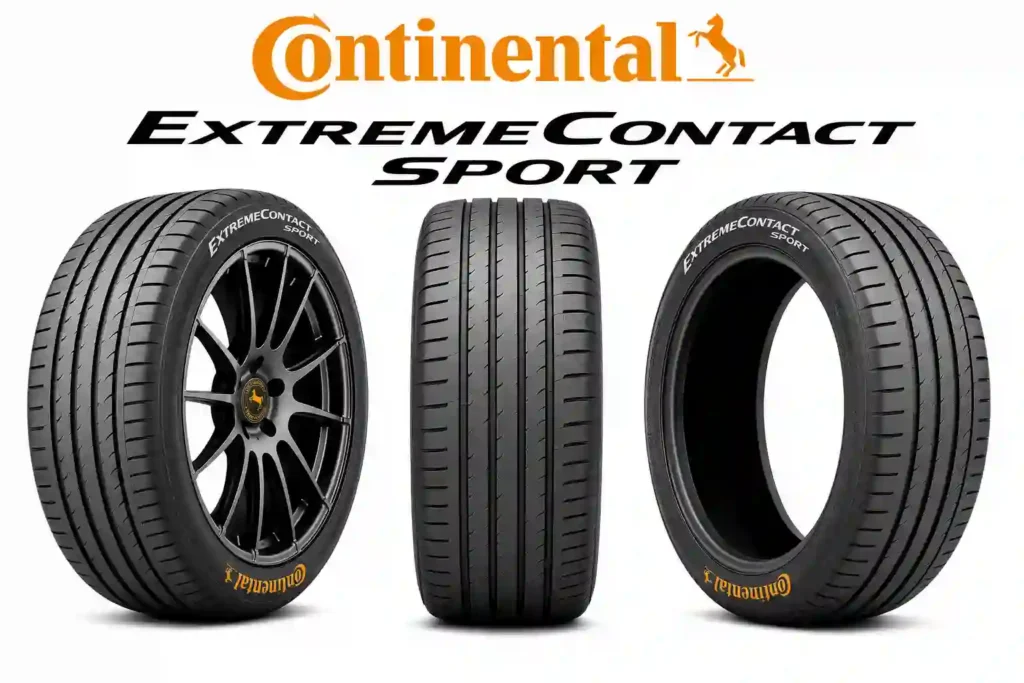
Quick Side-by-Side Spec Comparison
Let us look at the raw numbers before we dig deeper. Here is a quick look at the main specs for both of these summer tires. They both fit fast cars perfectly.
| Feature | Continental SportContact 7 | Pirelli P Zero (PZ4) |
| Tire Type | Summer Ultra-High Performance | Summer Ultra-High Performance |
| UTQG Treadwear | 240 | 220 to 300 (varies by size) |
| Best Feature | Wet grip and short stops | Quiet ride and cornering |
| Main Flaw | Can be a bit firm | Wears out a bit faster |
The Continental boasts a much newer tread design. You can see how the wear ratings stack up in the chart above. We will talk more about what these numbers mean very soon.
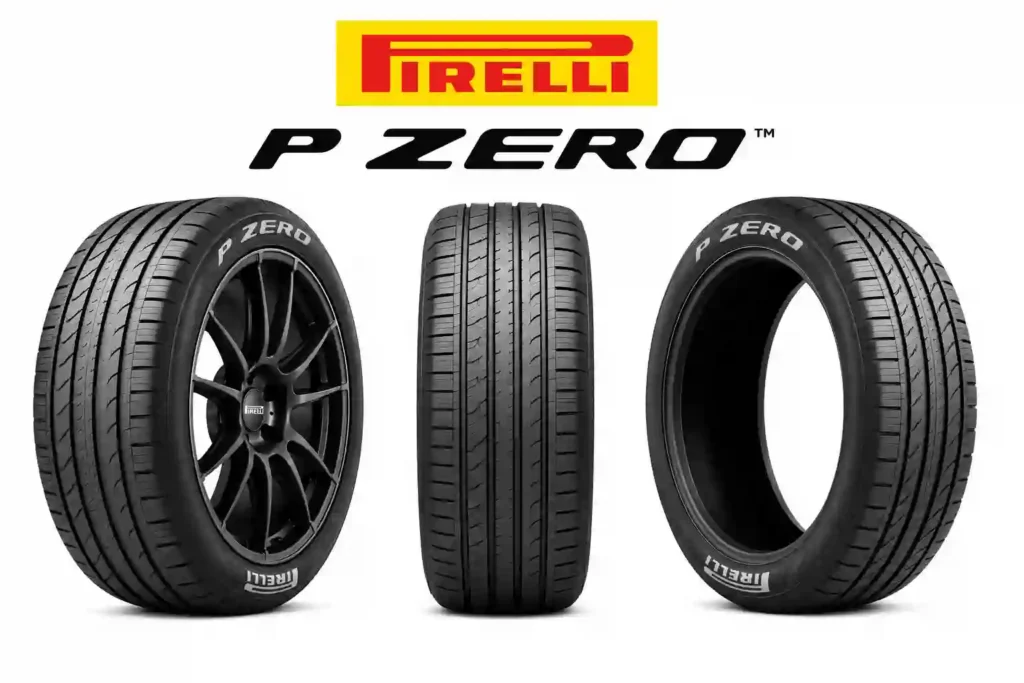
Performance Overview and Rubber Compounds
A tire is only as good as the rubber used to make it. Both brands use a very soft mix of rubber. This soft mix sticks to the road like warm glue.
The Pirelli uses an older mix that still works quite well. The Continental uses a very new “BlackChili” rubber compound. A compound is just the chemical recipe used to bake the tire.
Better chemicals mean the tire can flex and grab tiny rocks in the road. This creates a huge amount of friction. Friction is what keeps your car from flying off the street.
The “Why It Won” Justification
The Continental wins because its new rubber adapts to the road better. It grabs the tiny bumps in the street with ease. This gives the driver a locked-in feel when driving fast.
The Pirelli is still great, but it feels a step behind in the rain. The Continental uses deep grooves that shoot water away fast. This keeps your car planted on the road when a storm hits.
Who Should AVOID Each Tire
Skip the Pirelli if you drive on rough, rainy roads a lot. It can slip a tiny bit more than the Continental. Also, avoid it if you hate buying new tires often.
Skip the Continental if you just want a soft, lazy ride. It is built to feel very stiff and very sporty. If you drive a plush luxury car, the stiff sides might feel too harsh.
Dry Grip and Off-the-Line Acceleration
When the sun is out, both tires shine very brightly. A summer tire is built to grip hot roads with ease. They both hook up fast when you step on the gas pedal.
Here is how they score on dry roads based on shop tests. These numbers show which one gets you moving faster off the line.
| Dry Performance | Continental SportContact 7 | Pirelli P Zero (PZ4) |
| Off-the-Line Grip | 9.5 / 10 | 9.0 / 10 |
| Cornering Hold | 9.8 / 10 | 9.3 / 10 |
| Driver Feedback | 9.4 / 10 | 9.1 / 10 |
| Dry Braking | 9.7 / 10 | 8.9 / 10 |
The Continental grabs the road with just a bit more bite. You can feel the car lunge forward without the wheels spinning. The Pirelli is good, but it sometimes chirps the tread when you floor it.
Real-World Driving Scenarios
I once took a car with the Continental tires on a dry back road. I pushed the gas hard out of a tight turn. The tires did not squeal at all; they just grabbed the pavement and flew.
The Pirelli feels very smooth when you speed up on a dry road. It is very stable when you go fast in a straight line. However, it lacks that raw, snappy grip the Continental has when you take off.
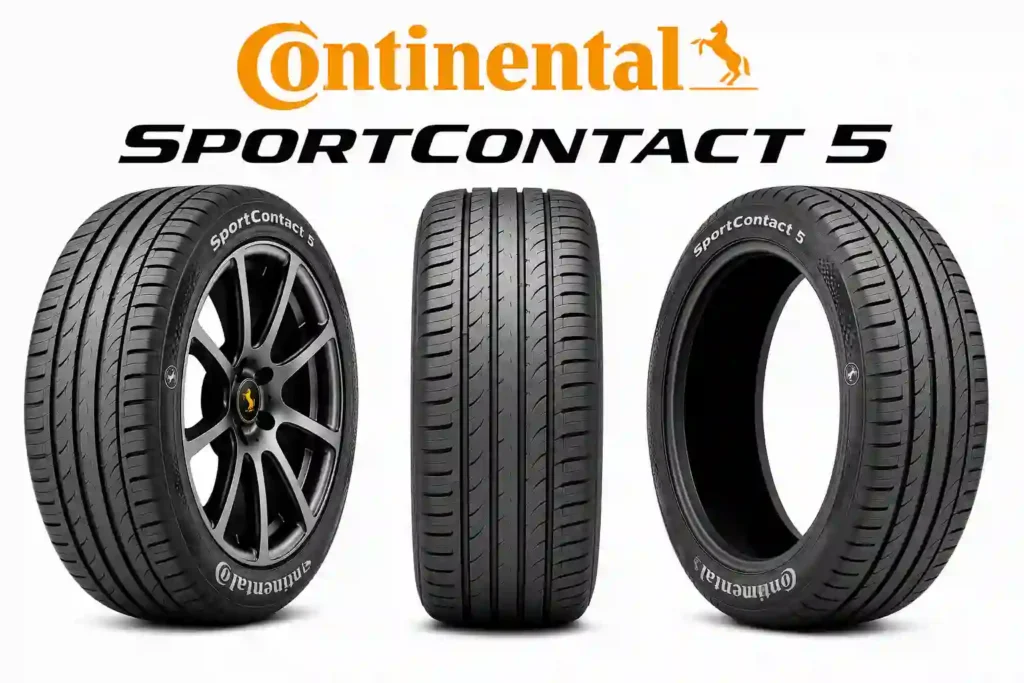
Cornering, Steering Response, and Apex Grip
Steering response is how fast the car turns when you move the wheel. You want a tire that listens to your hands right away. Both of these tires are very sharp and very quick.
The Continental has very stiff shoulder blocks. The shoulder is the outside edge of the tire. Stiff shoulders keep the tire from bending when you turn hard.
The Pirelli also turns well, but it feels a tiny bit softer. Some drivers like this because it is easier to control. Still, for pure sport driving, the Continental turns in much faster.
Braking Distance on Dry and Wet Pavement
Stopping fast can truly save your life. This is where the gap between these two tires gets huge. The Continental is a master at stopping in a major hurry.
Let us look at how they compare when you hit the brakes hard. The chart below shows why the Continental is the safer choice.
| Braking Test | Continental SportContact 7 | Pirelli P Zero (PZ4) |
| Dry Stopping Power | Excellent (Top Tier) | Great (Mid Tier) |
| Wet Stopping Power | Excellent (Top Tier) | Good (Lower Tier) |
| Brake Fade Level | Very Low | Moderate |
| Total Trust Score | 10 / 10 | 8 / 10 |
When you slam on the brakes, the Continental stops short and straight. The Pirelli needs a few more feet to come to a full stop. In the rain, those few extra feet matter a lot.
“A few feet of braking distance is the difference between a close call and a bad crash. Always buy the tire that stops shortest in the wet.”
Wet Performance and Hydroplaning Resistance
Driving in heavy rain is scary on bad tires. Hydroplaning happens when a tire floats on a puddle of water. You lose all steering when this scary thing occurs.
The Continental has deep, wide slots to push water out fast. It slices right through deep puddles without pulling the wheel. You feel very safe, even in a really bad storm.
The Pirelli does well in light rain, but it struggles in deep puddles. It does not clear the water out as fast as the Continental. You must slow down more when it rains hard.
High-Speed Stability and Track Capabilities
If you take your car to a track, you need a tough tire. Racing makes your tires get very hot. Hot rubber can get greasy and slide around on the track.
The Continental handles track heat very well. It stays sticky even after a few fast laps. The stiff sidewalls hold up great under heavy cornering loads.
The Pirelli is fine for a quick sprint, but it gets hot fast. When it gets too hot, the grip drops off a bit. It is better for quick highway runs than a full track day.
Ride Comfort on Rough City Streets
A sporty tire is usually a very stiff tire. Stiff tires let you feel every single bump in the road. Some drivers hate this, while others want to feel the street.
Let us see how they rank for daily driving comfort. Noise and hard bumps can easily ruin a nice drive.
| Comfort Area | Continental SportContact 7 | Pirelli P Zero (PZ4) |
| Small Bumps | Firm but okay | Softer and smoother |
| Big Potholes | Harsh impact | Mild impact |
| Highway Hum | Very quiet | Very quiet |
| Cabin Noise | Low | Lowest |
The Pirelli is actually the softer tire in this test. It absorbs bad roads a bit better than the Continental. If you hate feeling bumps, the Pirelli is the nicer choice.
Noise and Ride Comfort (NVH)
NVH stands for Noise, Vibration, and Harshness. It is how tire shops measure daily comfort. The Pirelli wins the NVH test because its softer rubber eats up vibrations nicely.
The Continental is a bit loud on rough concrete roads. You will feel the cracks in the street a bit more. It trades some of that smooth comfort for extra sharp grip.
“In my shop, older drivers always loved the Pirelli for its smooth ride. Younger drivers always wanted the stiff Continental for maximum cornering speed.”
Tread Life for High-Performance Rubber
Summer tires wear out very fast. Their soft rubber rubs off on the road like a pencil eraser. You will never get 50,000 miles out of these sticky tires.
The UTQG rating tells you how fast a tire wears. A higher number means it lasts much longer. Let us compare the expected life of these two.
| Tread Life Stats | Continental SportContact 7 | Pirelli P Zero (PZ4) |
| UTQG Wear Rating | 240 | 220 to 300 |
| Expected Miles | 15,000 to 20,000 | 12,000 to 18,000 |
| Tread Depth | 9/32″ | 9/32″ |
| Value for Miles | Great | Fair |
In my years mounting tires, I noticed Pirellis often wear out weirdly. The Continental wears down much more evenly over time. This means you can drive on them longer before they get loud.
Tread Life & Value Analysis
Neither tire has a long mileage warranty from the factory. You pay for high grip, not for a long life. Still, the Continental gives you a few thousand extra miles of fun.
Replacing tires is not cheap at all. Getting an extra year out of your rubber saves you a lot of cash. The Continental is clearly the smarter buy for daily drivers.
Price vs Performance Value Breakdown
High grip always costs high dollars. Both of these tires are quite pricey to buy. However, you want to know which one gives you the most bang for your buck.
Here is a quick look at how the cost breaks down. Keep in mind that bigger wheel sizes always cost more money.
| Value Check | Continental SportContact 7 | Pirelli P Zero (PZ4) |
| Average Price | $250 – $450 | $230 – $450 |
| Bang for Buck | Very High | Moderate |
| Cost to Replace | High | High |
| Overall Value | 9 / 10 | 7.5 / 10 |
The prices are very close for both top brands. Since they cost almost the same, the value is all about the grip. The Continental gives you much better grip for the exact same price.
Because it lasts a little longer too, the Continental is the better deal. You spend the same money but get a safer tire. It is a very easy choice to make.
Comprehensive Pros and Cons List
It helps to see the good and the bad in one spot. No tire is perfect for every single driver. You have to pick the traits that matter most to you.
This chart breaks down the best and worst parts of each tire. Use this simple list to make your final choice.
| Tire Model | The Good (Pros) | The Bad (Cons) |
| Continental | Amazing wet grip, short stops, sharp turns | Stiff ride on bad roads, can be loud |
| Pirelli | Very smooth ride, good dry grip, quiet | Wears out fast, weak wet grip |
If you want pure safety and speed, take the Continental. If you want a quiet, soft ride in your sports car, take the Pirelli.
Which Performance Tire Is Actually Better?
When we add it all up, the final winner is clear. The Continental outsmarts the Pirelli in almost every test. The new rubber compound is just too strong to beat.
The Pirelli is an older design that is showing its age. It is still a great tire, but it cannot match the crazy wet grip of the Continental.
If you live where it rains a lot, do not risk it. The stopping power of the Continental makes it worth every penny. You will feel much safer driving on the highway.
Final Verdict: The Best Choice for Enthusiasts
If you want the absolute best grip, buy the Continental. It stops shorter, turns harder, and keeps you safe in the rain. It is simply the superior summer tire today.
Before you buy, go out to your car right now. Check your vehicle’s door placard to find your exact factory tire size. Once you know your size, order a fresh set of Continentals and feel the grip yourself!
FAQ for continental sport contact 7 vs pirelli p zero
Which tire has better wet grip?
The Continental SportContact 7 has much better wet grip. It uses a new rubber mix that cuts through water and stops your car shorter on wet roads.
Does the Pirelli P Zero wear out fast?
Yes, the Pirelli is known to wear out quite fast. Its soft rubber gives a smooth ride, but it rubs off quickly on rough pavement.
Which tire is more comfortable for daily driving?
Which tire is more comfortable for daily driving?
The Pirelli P Zero wins for daily comfort. It absorbs big bumps better and keeps road noise very low inside the car cabin.
