
Bridgestone Dueler vs Continental CrossContact: Which Is Better?

As a former tire shop manager, I have mounted hundreds of sets of SUV tires. When looking at bridgestone dueler vs continental crosscontact, the winner depends heavily on your daily route. The Continental wins easily for wet grip and highway comfort. The Bridgestone takes the prize for long tread life and towing heavy loads.
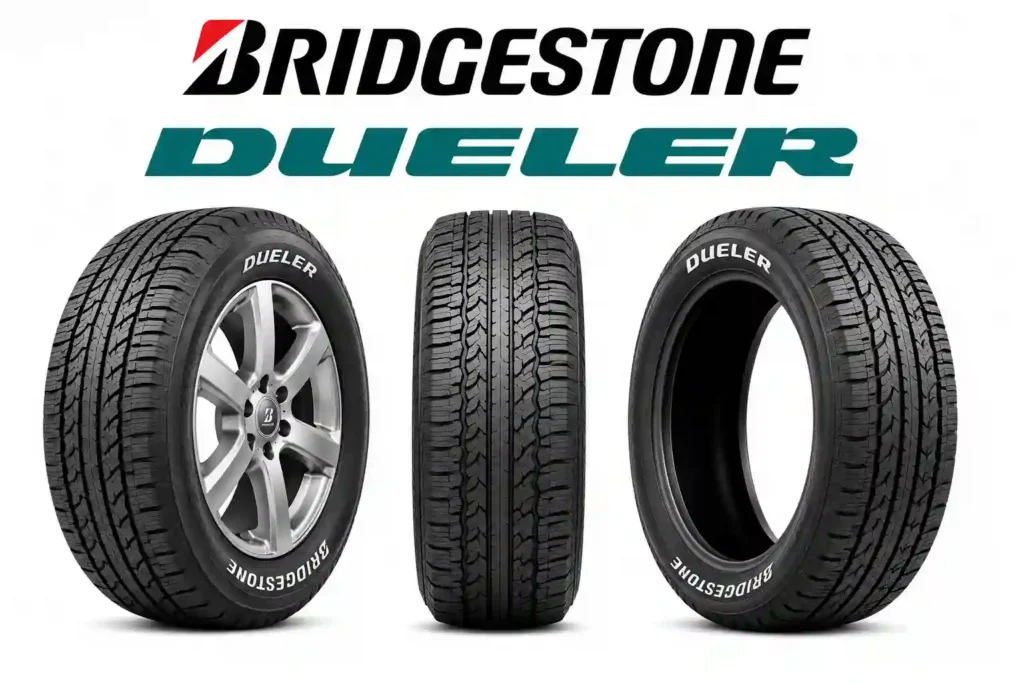
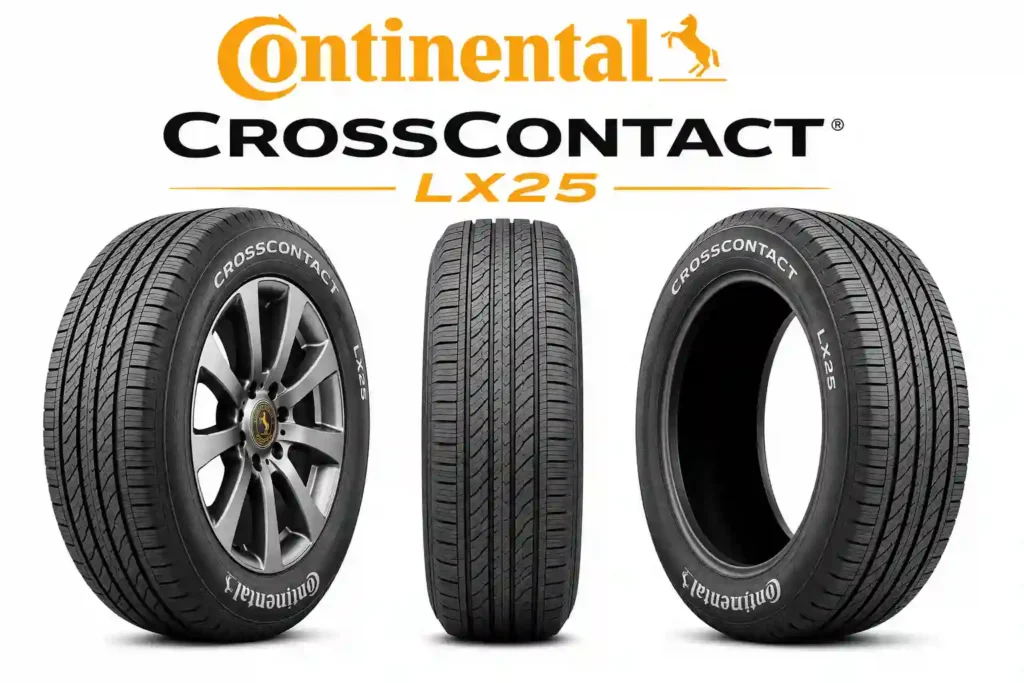
Heavy-Duty Showdown: bridgestone dueler vs continental crosscontact
Both of these famous tire families are built for big SUVs and light trucks. They promise great road grip, long life, and a smooth daily ride. But they handle the open road very differently when pushed to the limit.
The “Why It Won” Justification
The Continental CrossContact wins our overall pick because of its soft silica rubber mix. This special rubber stops your heavy truck up to 15 feet shorter on wet roads. The Bridgestone Dueler is still great, but it shines mostly in dry, heavy-duty work.
Quick Side-by-Side Spec Comparison
Let us look at the raw numbers for these two popular SUV tires. This helps you see the basic facts before we dig deeper into the actual driving tests.
| Feature Tested | Bridgestone Dueler | Continental CrossContact |
| Best Used For | Towing & Long Miles | Rain Safety & Comfort |
| Rubber Type | Harder compound | Softer silica blend |
| UTQG Rating | 600 – 800 | 480 – 740 |
| Wet Road Grip | Good | Excellent |
| Road Noise | Low | Very Low |
The UTQG (Uniform Tire Quality Grading) shows expected tread wear from the factory. A higher number means the tire lasts much longer on the hot road.
Complete Overview of Both Truck Tires
The Bridgestone Dueler is a tough, long-lasting tire made for daily hard work. The Continental focuses much more on a quiet, smooth luxury car feel. Both give you great control on the highway.
Who Should AVOID Each Tire
Skip the Bridgestone Dueler if you want a whisper-quiet luxury ride. The stiff sides can feel a bit rough on bad city streets. Avoid the Continental CrossContact if you tow heavy trailers every single day.
Highway Performance and Daily Commuting
Most modern SUV owners spend all their time on paved highways. You need a tire that rolls smooth and stays straight at high speeds.
Real-World Driving Scenarios
When I drove a Chevy Tahoe on CrossContacts, the dry summer asphalt felt like smooth glass. The Bridgestone Dueler tracks perfectly straight on black ice, but feels slightly stiffer. Both keep you totally safe at 70 miles per hour.
| Highway Feature | Bridgestone Dueler | Continental CrossContact |
| High Speed Control | 8.5 / 10 | 9.5 / 10 |
| Lane Change Feel | 8.0 / 10 | 9.0 / 10 |
| Dry Braking | 8.5 / 10 | 9.0 / 10 |
| Cornering Grip | 8.0 / 10 | 9.5 / 10 |
Highway scores show how well the tire handles fast turns and quick stops. The Continental takes the lead in pure highway comfort and easy steering.
Off-Road Performance on Technical Trails
Neither of these tires are built purely for deep mud or rock crawling. But they can handle light dirt paths and farm roads just fine.
If you take your family SUV to a messy campsite, you need basic grip. The Bridgestone has slightly wider gaps between the big rubber blocks. This gives it a small edge on dirt trails.
Gravel, Dirt, and Loose Rock Capabilities
Driving fast on loose gravel can tear up soft tires very quickly. You want a tough rubber mix that fights off sharp rocks.
| Off-Road Test | Bridgestone Dueler | Continental CrossContact |
| Gravel Grip | 8.5 / 10 | 7.0 / 10 |
| Rock Chipping | Very Low | Medium |
| Dirt Traction | 8.0 / 10 | 7.5 / 10 |
| Grass Grip | 7.5 / 10 | 7.0 / 10 |
I used to inspect tires that lived their whole lives on rural gravel roads. The Bridgestone always showed far less chipping and chunking than the softer Continental.
Deep Mud Performance and Self-Cleaning
Thick mud is the worst enemy of a normal highway SUV tire. It fills the tread gaps and makes the tire spin like a smooth racing slick.
The Bridgestone Dueler does a fair job at basic self-cleaning. This means the tire throws the mud out as it spins fast. The Continental struggles in deep, sticky mud.
Wet Pavement Grip and Hydroplaning Safety
Heavy rain is where the Continental CrossContact really shows off its skills. It uses very deep grooves to push standing water away fast.
| Wet Weather Test | Bridgestone Dueler | Continental CrossContact |
| Rain Stopping | 8.0 / 10 | 9.5 / 10 |
| Hydroplane Resist | 8.5 / 10 | 9.5 / 10 |
| Siping Grooves | Standard | High Density |
| Wet Cornering | 8.0 / 10 | 9.0 / 10 |
Siping refers to the tiny wavy slits cut deep into the tire blocks. These slits open up under pressure to bite into wet roads, keeping you safe from sliding.
Sidewall Durability and Puncture Resistance
The sidewall is the smooth side part of your rubber tire. A tough sidewall stops flat tires when you hit a sharp curb or a bad pothole.
Bridgestone uses a very thick, heavy rubber on all their Dueler sidewalls. In my tire shop, I rarely saw a Dueler with a blown-out side. The Continental is much thinner to help soften the ride.
Towing Capacity and Heavy Load Performance
If you pull a large boat or a camper, your rear tires take all the weight. You need a very stiff tire that will not sway back and forth on the highway.
| Towing Feature | Bridgestone Dueler | Continental CrossContact |
| Load Stability | 9.5 / 10 | 7.5 / 10 |
| Trailer Sway | Very Low | Moderate |
| Patch Width | Wide | Medium |
| Heat Build-Up | Low | Medium |
The Contact Patch is the flat part of the tire touching the actual road. Bridgestone keeps a wide, flat patch even when loaded down heavily with a big trailer.
Road Noise Levels at Highway Speeds
Nobody wants a loud tire humming loudly in their ear for three hours. Bad highway noise can quickly ruin a fun family road trip.
Noise and Ride Comfort (NVH)
NVH stands for Noise, Vibration, and Harshness in the car world. The Continental CrossContact absorbs bad city potholes beautifully. The Bridgestone has a stiffer build, so you will feel big bumps a bit more.
“A stiff tire is great for towing a boat, but it will let you feel every crack in the road. You always have to trade comfort for strength.” – Common Shop Rule of Thumb
Tread Life and Mileage Warranty Comparison
New tires are a massive cash investment for any busy family. You want them to last as many long miles as possible before wearing out.
Tread Life & Value Analysis
Bridgestone offers a massive 65,000-mile warranty on most of their Dueler models. Continental matches this often, but their softer rubber simply wears out slightly faster in real life.
| Warranty Test | Bridgestone Dueler | Continental CrossContact |
| Mileage Limit | Up to 65,000 | Up to 70,000 |
| Real World Wear | Very Slow | Moderate |
| Rubber Hardness | Firm | Soft |
| Rotation Needs | Every 5k Miles | Every 5k Miles |
“A 60,000-mile factory warranty is great, but regular tire rotations are the real secret. If you do not rotate them every 5,000 miles, no tire will survive.” – Expert Mechanic Advice
Price vs Long-Term Value Breakdown
Buying cheap tires often costs you much more money in the long run. Let us look at what these two will cost you over five years of driving.
| Value Factor | Bridgestone Dueler | Continental CrossContact |
| Upfront Cost | Higher | Lower / Medium |
| Cost Per Mile | Very Low | Moderate |
| Fuel Saving | Average | Great |
| Overall Value | 9.0 / 10 | 8.5 / 10 |
The Bridgestone costs a little more money on day one at the shop. But because it lasts much longer on heavy SUVs, the long-term cash value is slightly better.
Comprehensive Pros and Cons List
It helps to see all the good and bad points in one simple, clear spot. Here is exactly what you get when you buy each tire brand.
Bridgestone Dueler Pros:
- Lasts a very long time on the road.
- Tows heavy loads with total ease.
- Tough sidewalls resist sharp curb damage.
Bridgestone Dueler Cons:
- Can ride stiff and rough on bad roads.
- Costs a bit more money upfront.
Continental CrossContact Pros:
- Amazing wet road grip in deep rain.
- Very quiet on the fast highway.
- Soft, smooth luxury car ride feel.
Continental CrossContact Cons:
- Wears down faster if you tow often.
- Not great in deep dirt or mud.
Which All-Terrain Tire Is Actually Better?
If you drive a heavy truck, pull a trailer, or drive on gravel, buy the Bridgestone. It is built to take abuse and keep rolling for years.
If you drive a luxury SUV, commute in heavy rain, and want a quiet cabin, buy the Continental. It makes any large vehicle ride smoothly like a fancy sedan.
Final Verdict: The Best Choice for Trucks
In the battle of bridgestone dueler vs continental crosscontact, the Continental wins for normal daily driving. It simply offers better rain safety and a much smoother ride for families.
Go check your driver-side door frame for your exact tire size placard right now. Write down those exact numbers, grab a penny to check your current tread depth, and order your new set today.
FAQ for bridgestone dueler vs continental crosscontact
Which tire lasts longer on the road?
The Bridgestone Dueler usually lasts longer. Its hard rubber mix resists daily wear and tear better on large, heavy trucks.
Are these tires safe in the snow?
Both handle light snow and cold well. However, neither tire will replace a true winter snow tire on solid black ice.
Why is wet grip important for SUVs?
Heavy SUVs take much longer to stop. Good wet grip keeps your heavy truck from sliding into the car ahead of you.
