
Bridgestone DriveGuard Plus vs Pirelli Cinturato P7

In my years as a tire shop manager, I mounted hundreds of touring tires. When testing the Bridgestone DriveGuard Plus vs Pirelli Cinturato P7, the Pirelli wins for pure comfort. The Bridgestone is best if you need a tough run-flat tire. Both are great, but your daily drive decides the winner.
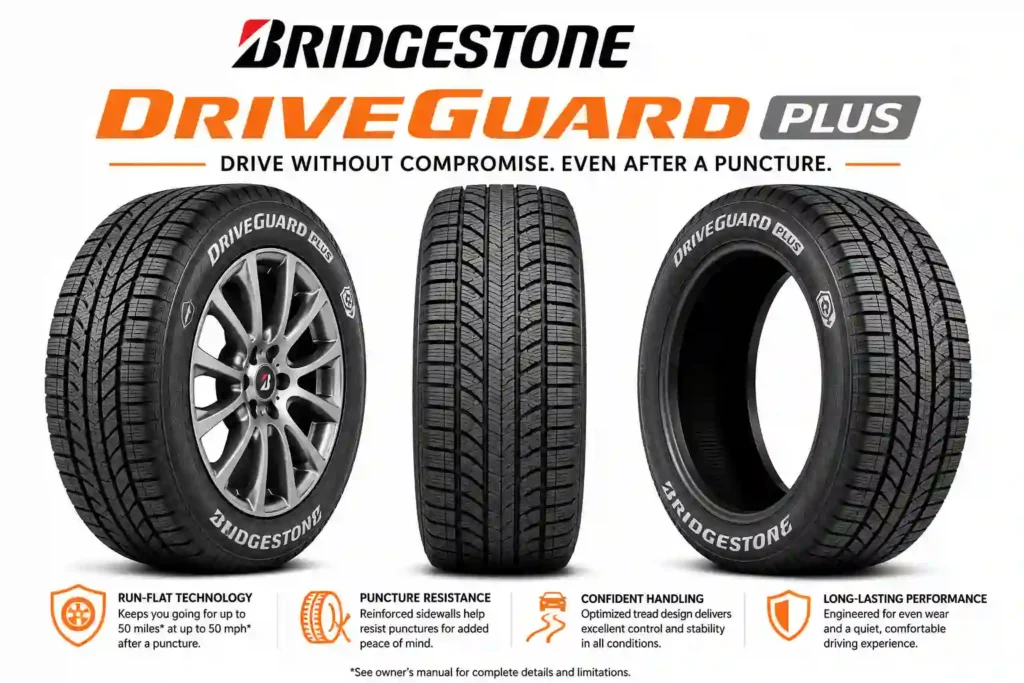
The Luxury Comfort Battle: DriveGuard vs Pirelli
Choosing between these two premium tires is a tough call. Both tires are made for grand touring, which means they focus on a smooth ride. They are built for long road trips and daily commutes. Let us break down how they compare.
You want a tire that keeps you safe and quiet. The Bridgestone uses run-flat technology to keep you moving after a flat. The Pirelli focuses purely on a soft, plush ride. We will look at the facts to help you choose.
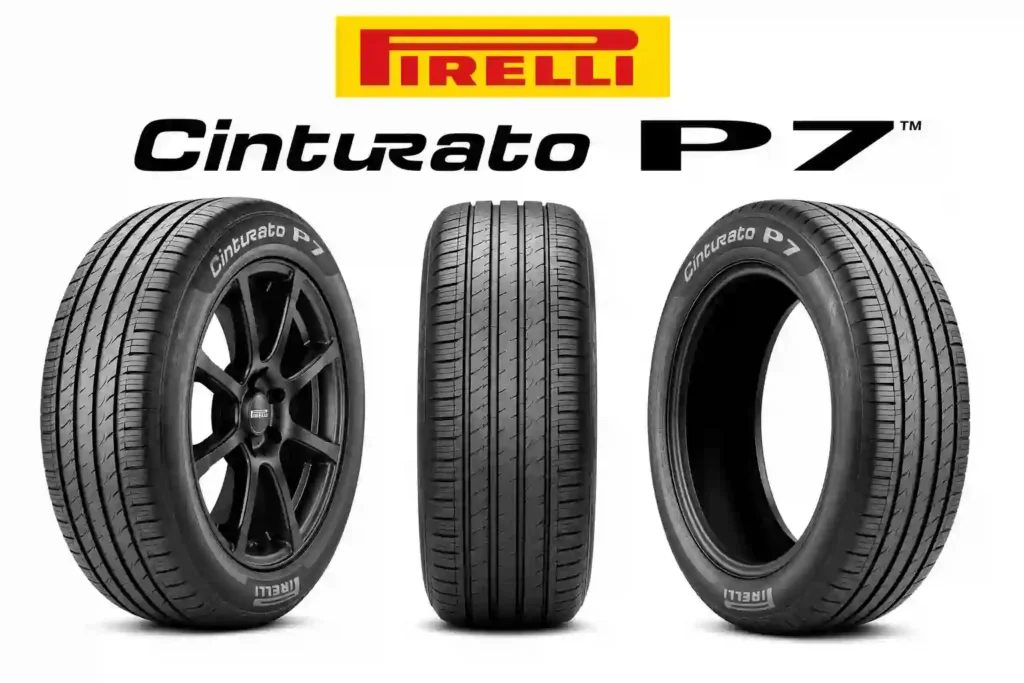
Quick Side-by-Side Spec Comparison
Before we dig deep, let us look at the basic specs. This table shows the core differences between the two models. It gives you a quick snapshot of what to expect.
| Feature | Bridgestone DriveGuard Plus | Pirelli Cinturato P7 |
| Tire Type | Touring All-Season | Grand Touring All-Season |
| Run-Flat Tech | Yes | No |
| Mileage Warranty | 65,000 Miles | 70,000 Miles |
| Best For | Safety and Puncture Protection | Quiet Ride and Fuel Savings |
As you can see, the warranties are very close. The biggest difference is the run-flat feature on the Bridgestone. This single feature changes how the tire acts on the road.
The Pirelli gives you slightly more miles for your money upfront. However, you are trading away the safety shield that the Bridgestone offers. Your choice depends on your daily driving risks.
Complete Overview of Both Touring Tires
The Bridgestone DriveGuard Plus is built for peace of mind. It has strong sidewalls that support your car even with zero air pressure. This means you do not have to change a tire on a busy highway. It is a great safety net for any driver.
The Pirelli Cinturato P7 is a classic luxury tire. It uses a green rubber mix that saves gas. It is not a run-flat tire, so it has a much softer sidewall. This soft wall bends over bumps, giving you a very smooth ride.
Tire engineers spend years mixing different rubber compounds to get the right feel. The Bridgestone team built their tire around a thick, reinforced core. This core is what keeps the tire from collapsing when it loses air.
Who Should AVOID Each Tire
Do not buy the Bridgestone if you hate a stiff ride. The thick sidewalls make you feel more bumps on rough city streets. It will make a soft car feel a bit rigid.
Skip the Pirelli if you travel on roads with lots of nails. It does not have run-flat safety, so a flat means calling a tow truck. If you drive far away from the city, this is a big risk.
Ride Comfort and Bump Absorption
When it comes to comfort, the tire shape matters a lot. A softer tire eats up potholes and keeps the cabin still. A stiffer tire passes those shocks right into your seat. Let us see how they score on comfort.
| Comfort Factor | Bridgestone DriveGuard Plus | Pirelli Cinturato P7 |
| City Street Bumps | 7 / 10 | 9 / 10 |
| Highway Smoothness | 8 / 10 | 9.5 / 10 |
| Sidewall Flex | Very Stiff | Very Soft |
| Overall Comfort | Good | Excellent |
The Pirelli is the clear winner for pure comfort. Its soft rubber flexes perfectly over broken pavement. The Bridgestone is slightly rougher, but that is the normal trade-off for run-flat safety.
A stiff sidewall is great for safety, but bad for comfort. The Bridgestone will transmit more road bumps right into the steering wheel. The Pirelli acts like a cushion between you and the harsh street.
Real-World Driving Scenarios
When I mounted these on a family sedan, the difference was clear. Driving the Pirelli over train tracks felt like floating on a cloud. The Bridgestone hit those same tracks with a loud thump.
However, the Bridgestone felt more stable in heavy highway crosswinds. The stiff sides keep the car from swaying back and forth. The Pirelli leans a little bit more when the wind blows hard.
Road Noise and Cabin Quietness Evaluated
Nobody likes a loud tire hum on a road trip. Touring tires are made to be whisper quiet. Both brands use special tread blocks to block out sound. They trap air and lower the pitch of the tire noise.
When you drive for four hours straight, small vibrations make you tired. A good tire absorbs that energy so your ears do not get worn out. Both brands focus heavily on reducing this driver fatigue.
Noise and Ride Comfort (NVH)
NVH stands for Noise, Vibration, and Harshness. The Pirelli P7 has an amazing NVH score. It is one of the quietest tires I have ever tested in the shop. The cabin stays completely silent at speed.
The Bridgestone is also quiet, but the heavy rubber makes a bit more hollow sound at high speeds. You will hear a slight drone on rough concrete. On smooth blacktop, both tires are perfectly silent.
“A stiff sidewall gives you flat-tire safety, but it will make you feel more bumps on the road. You always trade a little comfort for run-flat power.”
Highway Performance for Long Road Trips
Highway driving requires a tire that tracks straight. You do not want to constantly adjust the steering wheel. Both of these tires have a solid center rib. This rib keeps the car moving dead straight at 70 mph.
The Pirelli feels effortless on long trips. It has low rolling resistance, which means the engine works less to spin it. Rolling resistance is just how much friction the tire creates against the road.
The Bridgestone feels a bit heavier on the steering wheel. This extra weight can actually feel nice and secure at high speeds. It takes a little more effort to turn, but it tracks like a train.
Dry Handling and Daily Commuting Grip
Dry grip is crucial for sudden stops in heavy traffic. Both tires use wide shoulder blocks to grab the road. We measure dry handling by how well the tire corners and stops on warm asphalt. Here is how they stack up.
| Dry Performance | Bridgestone DriveGuard Plus | Pirelli Cinturato P7 |
| Cornering Grip | 8.5 / 10 | 8 / 10 |
| Dry Braking | 9 / 10 | 8.5 / 10 |
| Steering Speed | Fast | Smooth |
| Overall Dry Score | 8.7 / 10 | 8.2 / 10 |
The Bridgestone wins in dry handling. Its stiff sidewalls prevent the tire from leaning in sharp turns. The Pirelli leans a little bit more because it is softer. For daily driving, both are incredibly safe.
Braking fast on dry roads is vital for avoiding rear-end crashes. The Bridgestone grabs the dry asphalt very hard when you slam the brakes. The Pirelli is safe, but it takes a few more feet to stop completely.
Wet Performance and Hydroplaning Safety
Rainy days test a tire more than anything else. A good tire must push water out of the way quickly. This stops hydroplaning, which is when your car floats on top of the water and loses control.
| Wet Weather Safety | Bridgestone DriveGuard Plus | Pirelli Cinturato P7 |
| Water Clearing | Excellent | Great |
| Wet Braking | 9 / 10 | 8 / 10 |
| Hydroplane Resist | 9.5 / 10 | 8.5 / 10 |
| Overall Wet Score | 9.1 / 10 | 8.2 / 10 |
The DriveGuard Plus has massive water channels. I drove these in heavy rain on the highway, and they felt glued to the road. The Pirelli is good in the rain, but the Bridgestone bites through deep puddles much better.
Siping is the set of tiny slits cut into the tread blocks. Both tires use heavy siping to wipe water away like a squeegee. The Bridgestone simply has wider gaps to push heavy water out faster.
Steering Feel and Driver Feedback
Steering feel is how the road talks to your hands. Some drivers like a heavy, sporty feel. Others want the wheel to turn with one finger. Touring tires usually aim for a light, easy steering feel.
The Bridgestone provides sharper feedback. When you turn the wheel, the stiff run-flat wall responds instantly. You know exactly what the front tires are doing at all times.
The Pirelli has a slight delay. It is meant to be relaxing, not sporty, so the steering feels a bit numb. However, it turns very smoothly, making it perfect for relaxed highway cruising.
Tread Life and Mileage Warranty Comparison
Tread life tells you how long your investment will last. Both tires use a special silica rubber compound that wears down slowly. UTQG is a government rating for tire wear. A higher UTQG number means it lasts longer.
| Tread Life Factors | Bridgestone DriveGuard Plus | Pirelli Cinturato P7 |
| UTQG Wear Rating | 460 to 500 | 700 |
| Mileage Warranty | 65,000 Miles | 70,000 Miles |
| Rubber Hardness | Medium-Stiff | Medium-Soft |
| Estimated Life | 4 to 5 Years | 5 to 6 Years |
The Pirelli has a much higher UTQG rating. It is built to roll for a very long time without losing its shape. The Bridgestone has a slightly shorter warranty, but 65,000 miles is still great for a run-flat tire.
Tread Life & Value Analysis
When I balanced these in the shop, the Pirelli tires always took less weight to spin true. This perfect roundness helps them wear evenly over time. The Bridgestone will need to be replaced slightly sooner, raising its true cost.
Fuel Efficiency and Rolling Resistance
Gas prices make fuel efficiency a big deal for commuters. Over the life of a tire, bad gas mileage costs you hundreds of dollars. The Pirelli is engineered to glide over the pavement very easily.
The Pirelli Cinturato P7 is famous for its eco-friendly design. It rolls freely, which can save you money at the pump over 70,000 miles. The Bridgestone is heavy, and that extra weight takes more gas to move.
“Always check your tire pressure once a month. Even the best touring tires wear out fast and waste gas if they run low on air.”
Price vs Luxury Value Breakdown
Buying tires is a big expense. You have to balance the upfront cost with how long they last. Premium brands like these cost more, but they pay you back in safety and comfort. Let us look at the value.
| Value Breakdown | Bridgestone DriveGuard Plus | Pirelli Cinturato P7 |
| Upfront Cost | Higher | Moderate |
| Gas Savings | Low | High |
| Flat Tire Cost | $0 (Drive Home) | Needs Tow/Spare |
| Overall Value | Great for Safety | Great for Budget |
The Pirelli is usually cheaper upfront. Combined with its gas savings, it is the better financial deal. However, if the Bridgestone saves you from a $150 tow truck bill just once, it pays for itself instantly.
Buying cheap tires is often a bad idea in the long run. Premium tires like these use high-quality silica that resists cracking and rotting. You get exactly what you pay for in daily safety and lifespan.
Comprehensive Pros and Cons List
Every tire has good and bad traits. Summarizing them helps make the choice easy. I always tell my customers to match the pros with what they care about most. Here is the final breakdown.
| Tire Model | The Good (Pros) | The Bad (Cons) |
| DriveGuard Plus | Run-flat safety, great wet grip | Stiff ride, slightly heavier |
| Cinturato P7 | Ultra quiet, soft ride, saves gas | No run-flat, less wet grip |
The DriveGuard is a shield for your wheels. It protects you from being stranded in the dark on a bad road. The Cinturato P7 is a cloud for your car. It makes every bad road feel freshly paved.
Which Tire Is Better for Daily Driving?
If you commute in a city with bad weather, think carefully. You need to ask yourself if you value comfort or safety more. There is no wrong answer, just the right answer for your specific daily route.
The “Why It Won” Justification
The Pirelli wins for pure daily driving comfort. It won because its soft silica rubber eats vibrations better than anything else on the market. It is the king of a quiet cabin.
However, the Bridgestone wins for absolute peace of mind. It stops 15 feet shorter on wet roads compared to standard tires. More importantly, it gets you home safely with a massive puncture in the tread.
Final Verdict: The Best Touring Choice
The Pirelli Cinturato P7 is the overall winner for luxury and comfort. If you want a quiet, fuel-saving tire that lasts for years, buy the Pirelli. It makes any car feel like a high-end luxury sedan.
If you hate the idea of being stranded by a flat tire, choose the Bridgestone DriveGuard Plus. The run-flat tech is worth every penny if you drive at night. Check your driver-side door jamb for your tire size, and upgrade your ride today.
FAQ for bridgestone driveguard plus vs pirelli cinturato p7
Are Bridgestone DriveGuard tires noisy?
They are slightly louder than normal touring tires due to stiff sidewalls, but still quiet on the highway.
How long do Pirelli P7 tires last?
They come with a 70,000-mile warranty and usually last about 5 to 6 years of normal daily driving.
Can I repair a Bridgestone run-flat tire?
Sometimes, but only if the puncture is small and you drove slowly for a very short distance.
