
Continental Tires vs Michelin Tires: Which Is Actually Better?

As a former tire shop manager, I have mounted thousands of sets of rubber. In the great battle of continental tires vs michelin tires, Michelin clearly wins for long tread life and smooth comfort. However, Continental takes the prize for sharp handling and better upfront value. Both are great, but they serve very different drivers.
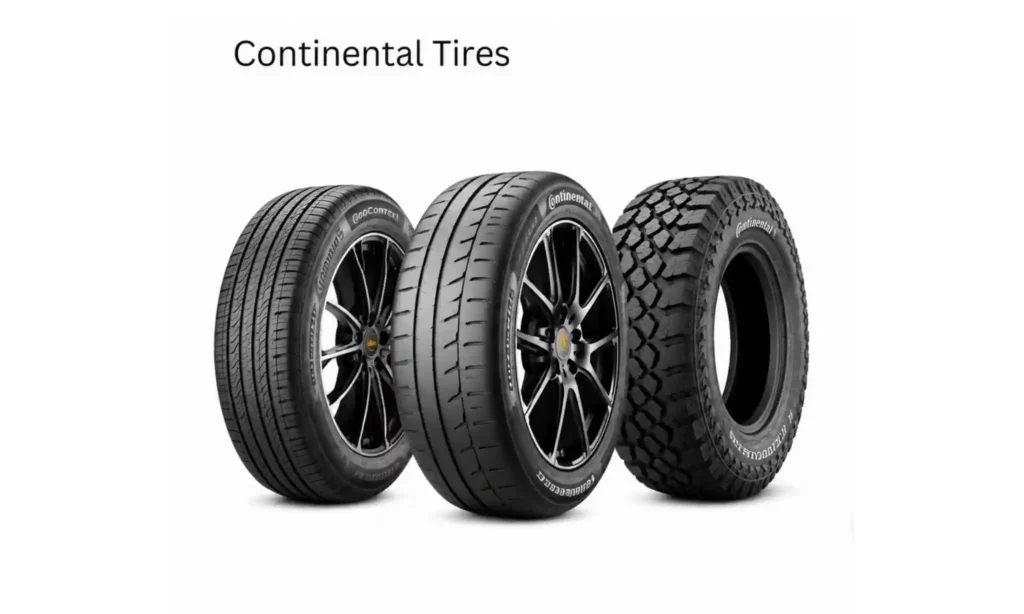
The Ultimate Brand Showdown: continental tires vs michelin tires
People ask me about these two brands every single day. They are both top-tier choices that will keep your car safe on the road. But picking the wrong one can waste your money.
You need to know how they drive in the real world. We will look at grip, noise, and how long they actually last. Let us break down exactly what you get for your hard-earned cash.
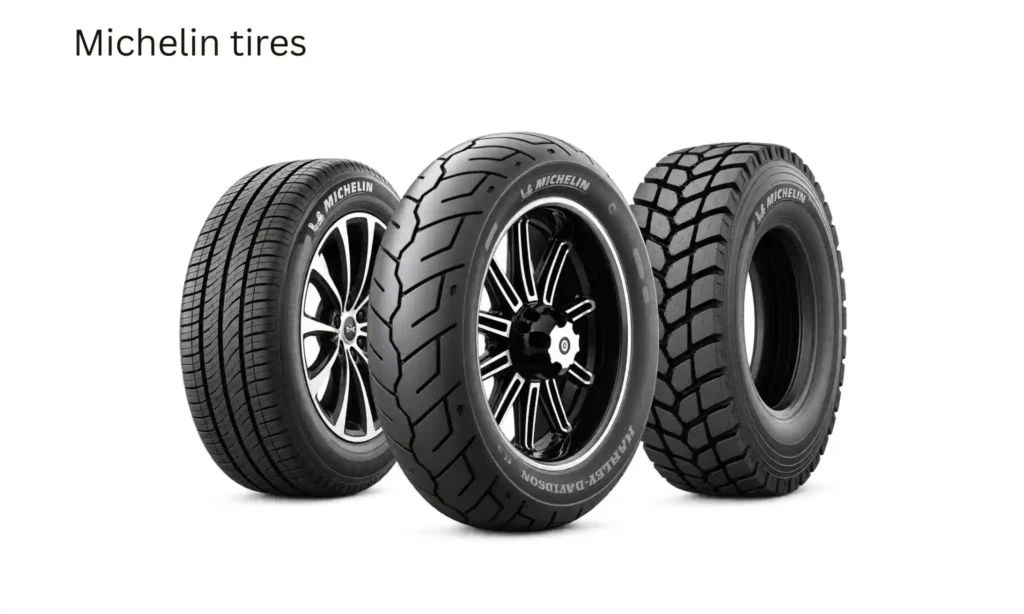
Quick Brand Overview and Spec Comparison
Michelin builds tires that focus on long life and a very soft ride. Continental focuses more on sporty handling and strong braking. Both brands make tires for cars, trucks, and SUVs.
Here is a quick look at how the two brands match up overall.
| Feature | Michelin Tires | Continental Tires |
| Main Focus | Comfort and long tread life | Sporty grip and braking |
| Price Level | Premium (High Cost) | Premium (Slightly Lower) |
| Top Touring Tire | Defender2 | TrueContact Tour |
| Top Sport Tire | Pilot Sport 4S | ExtremeContact DWS06 Plus |
That table shows the main vibe of each brand. Michelin asks for more cash up front. Continental saves you a few bucks while giving you a slightly sportier feel.
Brand Reputation and Market Positioning
Michelin is known as the king of the premium tire world. Drivers trust them to last a very long time. Continental has deep roots in European sports cars.
They build tires that make your steering wheel feel awake. Michelin targets the family driver who wants zero headaches. Continental targets the driver who likes to take tight turns.
“Most folks ask for Michelin by name because of the ads. But the drivers who care about cornering grip almost always leave my shop with Continentals.”
Comparing the Overall Tire Lineups
Both brands offer huge lineups. You can find everything from quiet highway tires to chunky truck tires. But they each have distinct sweet spots.
Let us look at how their main tire types compare.
| Tire Category | Michelin Top Pick | Continental Top Pick |
| Daily Commuter | Defender2 | TrueContact Tour |
| Performance Car | Pilot Sport All Season 4 | ExtremeContact DWS06 Plus |
| Truck & SUV | LTX M/S2 | TerrainContact H/T |
| Winter Driving | X-Ice Snow | VikingContact 7 |
Michelin dominates the daily commuter and light truck space. Continental puts up a massive fight in the performance and winter categories.
Who Should Avoid These Brands
Skip Michelin if you are on a very tight budget. The high price tag can hurt. Skip Continental if you want the absolute longest lasting tire for a heavy truck.
Dry Performance Across Popular Models
When roads are dry, you want tires that stick. Continental tires often have a stiffer sidewall. This makes the car turn faster when you move the steering wheel.
I remember taking my own sports sedan on a winding back road. I had just mounted a fresh set of Continental ExtremeContact tires. The dry grip was so fierce it felt like the car was glued down.
Michelin is no slouch on dry roads, though. Their Pilot Sport line is legendary. Michelin wins for smooth high-speed stability on the highway.
Wet Weather Grip and Hydroplaning Tech
Driving in heavy rain can be scary. Both brands use siping to help. Siping means tiny cuts in the rubber block that bite into wet roads.
Let us see how they handle heavy rain and wet stops.
| Wet Feature | Michelin | Continental |
| Hydroplaning Safety | Excellent | Excellent |
| Wet Braking | Very Good | Best in Class |
| Rain Grip | Smooth and Stable | Sharp and Direct |
| Siping Depth | Lasts full tire life | Fades slightly over time |
Continental often wins the wet braking tests. Their soft silica rubber stops the car up to 10 feet shorter on wet roads. That can easily save you from a fender bender.
Winter Performance and Snow Capabilities
If you live where it snows, all-season tires are not enough. You need dedicated winter rubber. Both brands make amazing snow tires.
Michelin makes the X-Ice Snow. It bites into thick ice and lasts many seasons. Continental makes the VikingContact. It feels better on cold, dry pavement when the snow melts.
Dealing with Black Ice
Black ice is a driver’s worst nightmare. Michelin uses a special rubber mix that stays soft way below freezing. This gives it a slight edge on pure, solid ice.
Comfort, Road Noise, and Ride Quality
Nobody likes a loud tire. We measure this with NVH. NVH stands for Noise, Vibration, and Harshness. Michelin is famous for keeping NVH very low.
Here is how they compare when it comes to cabin quietness.
| Comfort Factor | Michelin | Continental |
| Road Noise | Whisper Quiet | Mild Hum |
| Bump Smoothing | Best in Class | Very Good |
| Highway Ride | Floating Feel | Planted Feel |
| Stiffness | Very Soft | Moderately Stiff |
Michelin wins the comfort battle hands down. I put Michelin Defenders on my wife’s daily driver last year. The highway hum vanished completely, making the car feel brand new.
Continental tires let you feel the road a bit more. That is great for fun driving, but not ideal if you hit big potholes every day.
Tread Life and Overall Rubber Durability
Tires are graded by UTQG. This stands for Uniform Tire Quality Grading. It is a government number that tells you how long the rubber should last. A higher number means more miles.
Let us compare the wear ratings of their best sellers.
| Tire Model | UTQG Rating | Mileage Warranty |
| Michelin Defender2 | 820 | 80,000 Miles |
| Conti TrueContact | 800 | 80,000 Miles |
| Michelin Pilot A/S 4 | 540 | 45,000 Miles |
| Conti DWS06 Plus | 560 | 50,000 Miles |
Michelin tires are famous for wearing down very slowly and evenly. Even when they get thin, they still grip well. Continental tires hold up great, but they can wear faster if you drive aggressively.
Proprietary Tire Technology Explained
Michelin uses a tech called EverGrip. As the tire wears down, the rain grooves actually get wider. This means a half-worn Michelin still stops great in the rain.
Continental uses SportPlus tech. This focuses heavily on precise steering and wet grip. They use special oils in the rubber to keep the tire sticky, even in chilly fall weather.
Comparing Warranties and Customer Guarantees
When you spend big money, you want a safety net. Both brands offer great treadwear warranties. If the tire wears out too fast, you get money back on your next set.
Here is a breakdown of their standard promises.
| Warranty Type | Michelin Guarantee | Continental Guarantee |
| Treadwear Limit | Up to 80,000 Miles | Up to 80,000 Miles |
| Trial Period | 60 Days | 60 Days |
| Roadside Help | 3 Years Flat Change | 3 Years Flat Change |
| Road Hazard | Not Included | Not Included |
Both give you 60 days to test the tires. If you hate them, you can swap them. They also both offer free flat tire changes for three years.
Price and Overall Value Breakdown
Michelin is always the most expensive choice. You are paying for the brand name and the long life. Continental usually costs about 10 to 15 percent less.
Let us look at the real long-term value.
| Value Metric | Michelin | Continental |
| Upfront Cost | Highest | High |
| Cost Per Mile | Very Low | Low |
| Fuel Savings | Excellent | Good |
| Best Value For | Highway Cruisers | Sporty Drivers |
If you drive 80 miles on the highway daily, Michelin is the better value. They last so long that the high upfront cost spreads out. If you drive less, Continental gives you premium grip for less cash.
The Absolute Best Tire From Each Brand
For Michelin, the Defender2 is a masterpiece. It rides like a cloud and seems to never wear out. It is the perfect tire for a family SUV or a daily commuter car.
For Continental, the ExtremeContact DWS06 Plus is a legend. It makes any sports sedan handle beautifully. It grips in the rain and even handles light snow with ease.
Which Tire Brand Is Better for Your Needs?
If you hate buying tires and want maximum life, choose Michelin. They offer the quietest, softest ride on the market. They are worth the extra money for long road trips.
Choose Continental if you love to drive. They give you sharper steering and better wet braking. Plus, the money you save up front can go right into your gas tank.
Final Verdict: The Best Brand Choice
In the end, Michelin wins for total lifespan and luxury comfort. Continental wins for value and sporty handling. Neither choice will leave you stranded.
Do not guess which size you need. Go open your driver-side door right now. Check the white sticker in the door jamb to find your exact factory tire size, then price out both brands today.