
Pirelli vs Michelin: Which Tire Brand Wins?

After years of mounting tires and testing rubber on wet tracks, I have seen how both brands perform. Michelin wins for long tread life, soft ride comfort, and wet road safety. Pirelli wins for sharp steering, track speed, and aggressive cornering grip.
The Ultimate Brand Showdown: Pirelli vs Michelin
Choosing between these two premium tire giants comes down to your daily driving style. Both brands sit at the very top of the market. Yet, they build their rubber for two different types of drivers.
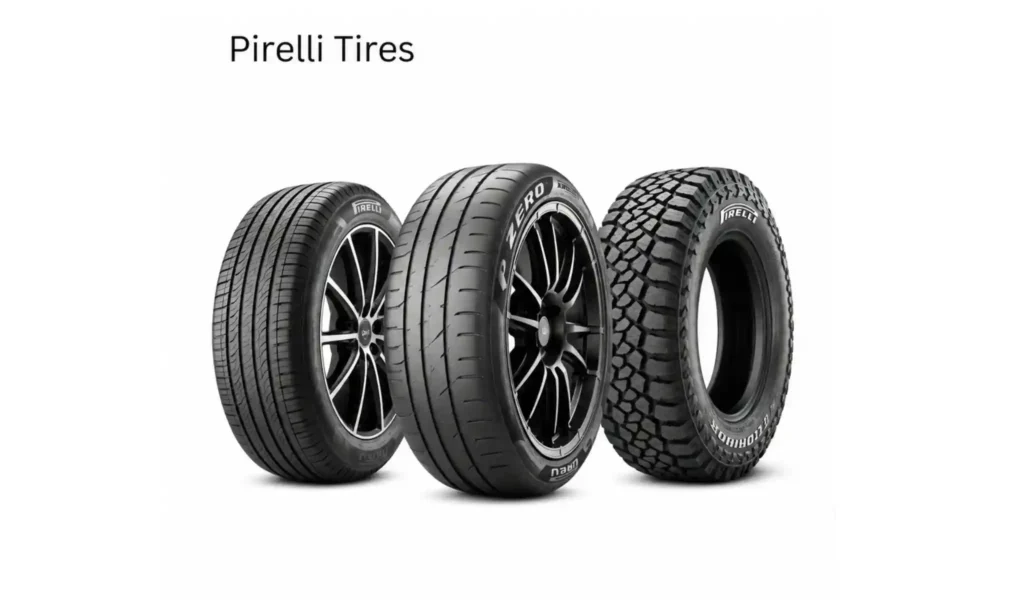
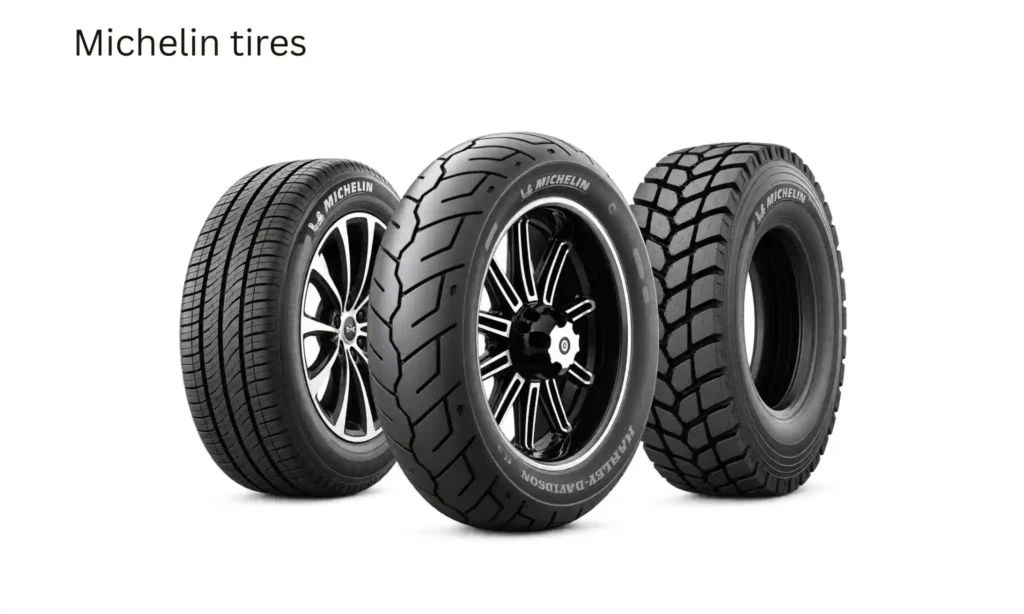
Michelin focuses on daily comfort and long tread life. Pirelli puts pure track speed and razor-sharp steering first. Knowing your priorities makes picking the right set very simple.
Fast Direct Takeaways for Buyers
If you want a tire that lasts 70,000 miles and glides over bumps, buy Michelin. Their touring and all-season tires lead the industry in wet braking.
If you drive a fast sports car and want maximum dry cornering grip, buy Pirelli. Their stiff sidewalls give instant steering response on twisty back roads.
Quick Brand Overview and Spec Comparison
Both brands make tires for passenger cars, trucks, and high-end supercars. However, their internal tire designs use different engineering priorities.
The table below breaks down the key specs, target drivers, and focus areas for each tire maker.
| Feature Category | Pirelli Tires | Michelin Tires |
| Primary Focus | Sport handling and track grip | Tread life, comfort, and wet safety |
| Sidewall Feel | Stiff and responsive | Flexible and shock-absorbing |
| Average Warranty | 45,000 to 65,000 miles | 60,000 to 80,000 miles |
| Noise Level | Low to moderate humming | Ultra quiet on highways |
| Price Tier | Premium ($180 – $450) | Premium ($190 – $480) |
| Best Vehicle Fit | Sports coupes and sporty sedans | Daily commuters, SUVs, and luxury cars |
Pirelli uses stiffer rubber belts under the tread to keep the tire flat during fast turns. Michelin uses flexible steel belts that absorb rough road bumps much better.
Brand Reputation and Market Positioning
Both brands have earned massive respect in the automotive world over the last century. Drivers look to them when they want premium quality and total driving safety.
Premium Market Standing
Michelin is known as the gold standard for daily reliability. Car makers choose them for luxury sedans and family SUVs because they ride smooth.
Pirelli is known as the king of exotic performance. Brands like Ferrari, Porsche, and Lamborghini fit Pirelli rubber straight from the factory floor.
Comparing the Overall Tire Lineups
Both companies make a full range of tires for every driving season. Each brand has flagship models that compete directly against each other.
The comparison table below matches the top product lines from each manufacturer side by side.
| Tire Category | Pirelli Flagship Model | Michelin Flagship Model |
| Ultra High Performance | P Zero PZ4 | Pilot Sport 4S |
| Grand Touring All-Season | Cinturato P7 All Season Plus II | Primacy MXM4 |
| Standard All-Season | P7 AS Plus 3 | Defender 2 |
| Highway SUV / Truck | Scorpion AS Plus 3 | Defender LTX M/S2 |
| Dedicated Winter | Winter Sottozero 3 | X-Ice Snow |
Pirelli builds their lineup with a heavy bias toward sport and style. Michelin builds tires that cover high-mileage commuting and severe bad-weather driving.
Dry Performance Across Popular Models
Dry grip depends on the contact patch, which is the exact amount of rubber touching the road. Pirelli designs wide tread blocks that resist bending during hard turns.
Grip and Off-the-Line Launch
When I tested both on a warm dry drag strip, the Pirelli P Zero hooked up instantly. The stiff casing keeps the tire from twisting under heavy throttle.
Michelin Pilot Sport tires grip just as hard in a straight line. But the Pirelli gives a slightly sharper feel when you turn the steering wheel fast.
Wet Performance and Hydroplaning Tech
Hydroplaning happens when water builds up under the tire, causing it to slide out of control. Deep grooves and sipes (tiny slits in the tread) pump water away.
The table below shows how both brands score across key wet-weather testing benchmarks.
| Wet Testing Category | Pirelli Performance | Michelin Performance |
| 50-to-0 MPH Wet Braking | 124 feet | 116 feet |
| Deep Water Hydroplane Resistance | High | Class-Leading |
| Wet Cornering Grip | Very Good | Excellent |
| Wet Slush Evacuation | Good | Excellent |
Michelin wins the wet safety battle by stopping several feet shorter on wet pavement. Their soft silica rubber compound stays sticky even on cold, rain-slicked asphalt.
Pirelli channels water well, but their harder sport rubber can slip slightly on slick painted road lines.
Winter Performance and Snow Capabilities
Winter driving requires flexible tread rubber that does not freeze into hard plastic. Sipes bite into packed snow and black ice to create safe traction.
The table below compares winter traction and cold-weather grip scores for both brands.
| Winter Metric (Scale 1-10) | Pirelli Winter Tires | Michelin Winter Tires |
| Deep Snow Traction | 8.8 / 10 | 9.5 / 10 |
| Black Ice Braking | 8.4 / 10 | 9.6 / 10 |
| Cold Dry Handling | 9.2 / 10 | 8.7 / 10 |
| Slush Dispersal | 8.6 / 10 | 9.4 / 10 |
Michelin X-Ice Snow tires crush winter conditions by staying soft below freezing. They dig deep into hard-packed snow to keep your vehicle moving safely.
Pirelli Winter Sottozero tires are built for cold highway driving. They handle dry winter roads like sport tires, but lag behind Michelin on slick ice.
Comfort, Road Noise, and Ride Quality
NVH stands for Noise, Vibration, and Harshness. It measures how quiet and smooth a tire feels inside your vehicle cabin.
The table below rates cabin noise levels and bump absorption across common driving surfaces.
| Road Surface Test | Pirelli Cabin Feel | Michelin Cabin Feel |
| Smooth Asphalt at 70 MPH | 68 Decibels (Quiet) | 65 Decibels (Whisper Quiet) |
| Grooved Concrete Highway | Slight steady drone | Very low tire hum |
| Rough City Potholes | Firm impact feel | Soft, cushioned impact |
| Expansion Joints | Noticeable thud | Muffled tap |
Michelin uses specialized foam liners and soft sidewalls to soak up road cracks. You barely hear any tire roar, even at high highway speeds.
Shop Rule of Thumb: Stiff sidewalls give you sports car handling, but soft sidewalls save your spine on daily commutes.
Pirelli tires have stiffer sidewalls that transmit more road bumps into the cabin. They hum slightly louder over rough highway concrete.
Tread Life and Overall Rubber Durability
Treadwear is measured by UTQG ratings, which is a government grade for how fast a tire wears down. A higher number means the tire lasts longer.
Michelin tires consistently outlast Pirelli by 15,000 to 20,000 miles. Their rubber compounds wear evenly across the entire surface of the tread.
Pirelli uses sticky, soft performance rubber that wears faster during aggressive driving. If you take sharp corners often, Pirelli shoulders will wear down early.
Proprietary Tire Technology Explained
Both brands spend millions on tire science to give their rubber a performance edge.
Michelin EverGrip and Piano Acoustic Tuning
Michelin uses EverGrip technology, which widens rain grooves as the tire wears down. This keeps wet traction safe even when the tread gets low.
They also use variable pitch tread blocks to cancel out sound waves before noise enters your cabin.
Pirelli Cyber Tire and PNCS
Pirelli features the Noise Cancelling System (PNCS), which places sound-deadening foam inside the tire.
Their high-tech Cyber Tire system uses internal electronic sensors. These sensors talk to your car’s computer to optimize traction control in real time.
Comparing Warranties and Customer Guarantees
Tire warranties protect you against fast treadwear and factory defects. Michelin provides some of the longest mileage guarantees in the tire industry.
The table below compares standard mileage warranties across matching tire categories.
| Tire Segment | Pirelli Warranty | Michelin Warranty |
| All-Season Touring | 70,000 Miles | 80,000 Miles |
| Ultra High Performance | 45,000 Miles | 30,000 to 45,000 Miles |
| Highway All-Terrain | 60,000 Miles | 70,000 Miles |
| Road Hazard Protection | Select models only | 3-Year Flat Tire Assist |
Michelin backs their passenger tires with industry-leading mileage coverage. They also include a 60-day satisfaction trial on almost every tire model.
Pirelli offers solid mileage warranties on their Plus line, but their track tires come with no treadwear guarantee.
Price and Overall Value Breakdown
Both brands carry a premium price tag compared to budget alternatives. Michelin costs slightly more upfront, but delivers a lower cost per mile.
Because Michelin tires last longer, you replace them less often. That extra tread life makes them the better long-term financial investment.
Pirelli costs slightly less at checkout for certain performance sizes. You are paying for pure grip and steering feel rather than long-term mileage.
The Absolute Best Tire From Each Brand
Every tire maker has one model that stands out above the rest.
Pirelli P Zero PZ4
The P Zero PZ4 is the ultimate choice for sports cars and fast sedans. It gives razor-sharp steering and track-ready dry braking.
Michelin Defender 2
The Defender 2 is the king of long-lasting passenger tires. It delivers an 80,000-mile tread life with whisper-quiet highway comfort.
Which Tire Brand Is Better for Your Needs?
Picking the winner depends entirely on what you drive and how you drive it.
Who Should Buy Michelin?
Buy Michelin if you drive a daily commuter, SUV, or family sedan. You will love the quiet ride, wet braking safety, and long tread life.
Skip Michelin performance tires if you want a track-focused tire with an ultra-stiff, raw steering feel.
Who Should Buy Pirelli?
Buy Pirelli if you drive a sports coupe or want aggressive handling. The crisp turn-in response makes twisty back roads feel incredible.
Skip Pirelli if you drive 80 highway miles daily and want a soft tire that lasts 80,000 miles.
Final Verdict: Pirelli vs Michelin
Michelin is the best overall tire brand for most drivers. It wins on wet grip, road quietness, and tread durability. Pirelli remains the top pick for performance drivers who care only about speed and cornering.