
Michelin vs Bridgestone: Which Brand Is Better?

As a former tire shop manager, I have mounted thousands of sets from both brands. Michelin is the clear winner for quiet rides and long tread life. Bridgestone takes the crown for stiff truck tires and sharp track cornering. Let us see which fits your car best.
I have spent years testing these tires on wet roads and sharp turns. You cannot go wrong with either brand. They both build safe, tough tires. But they each serve a very different type of driver.
Quick Brand Overview and Spec Comparison
Both brands make top-tier rubber. They cost more than cheap tires, but they keep you safe. You pay for years of research and high-quality materials.
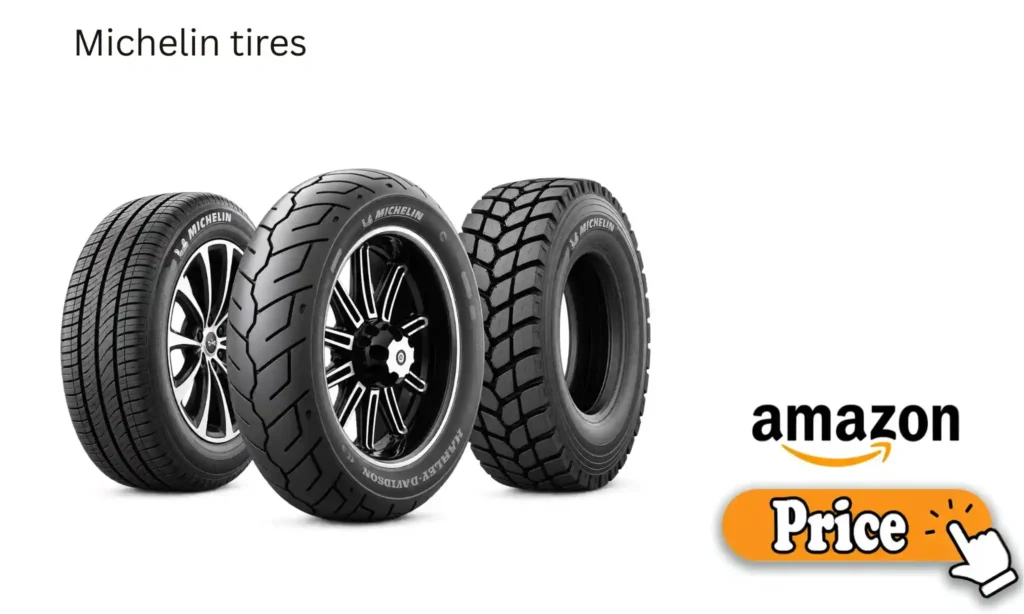
Core Strengths Breakdown
Michelin focuses on soft silica rubber for a smooth ride. Bridgestone uses stiffer sidewalls for sharp turns. Let us look at the basic facts to see how they stack up.
| Feature | Michelin Tires | Bridgestone Tires |
| Main Focus | Smooth ride, long life | Stiff turns, truck use |
| Price Range | Very high | High |
| Best Tech | EverGrip (wet traction) | NanoPro-Tech (grip) |
| Ride Feel | Soft and quiet | Firm and sporty |
Michelin shines if you want a quiet cabin. Bridgestone is better if you drive heavy trucks or sports cars. Both brands keep you very safe on the highway.
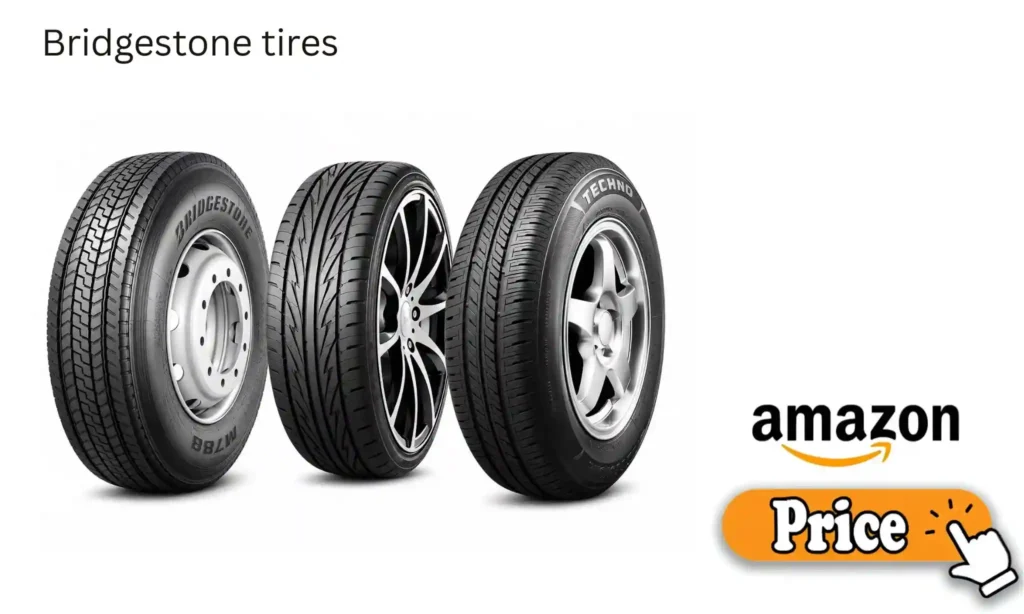
Brand Reputation and Market Positioning
Drivers know both names as premium options. You pay a high price for both. They do not sell cheap, budget rubber. They only sell top-tier parts.
Who Should Avoid Each Brand
Skip Michelin if you are on a tight budget. Skip Bridgestone if you hate feeling bumps in the road. Their stiff sidewalls can feel harsh on bad streets. Avoid Mud-Terrain tires from either brand if you drive 80 miles on the highway daily. The loud drone will drive you crazy.
Comparing the Overall Tire Lineups
Each brand makes tires for cars, trucks, and SUVs. They offer summer, winter, and all-season choices. They have a tire for almost every car on the road today.
Top Models Head-to-Head
We need to compare their most popular options side by side. This helps you see where each brand wins. Look at the chart below for the top choices.
| Category | Michelin Model | Bridgestone Model |
| All-Season | Defender 2 | Turanza QuietTrack |
| High Grip | Pilot Sport 4S | Potenza Sport |
| Truck/SUV | LTX A/T2 | Dueler A/T Revo 3 |
| Winter | X-Ice Snow | Blizzak WS90 |
Michelin wins the all-season fight with the Defender. Bridgestone fights hard with the Blizzak in winter snow. Both make great high-grip summer tires for fast cars.
Dry Performance Across Popular Models
Dry roads test how well a tire grips the street. A good tire will stop fast and turn sharp. It should feel glued to the hot pavement.
Cornering and Braking Grip
Bridgestone uses stiff shoulder blocks on the edge of the tire. This means the tire stays flat during fast turns. Michelin uses a softer rubber mix for daily driving comfort.
| Test Area | Michelin Score | Bridgestone Score |
| Dry Braking | 9.5 / 10 | 9.2 / 10 |
| Sharp Turns | 9.0 / 10 | 9.5 / 10 |
| Off-the-Line | 9.3 / 10 | 9.4 / 10 |
Bridgestone takes the lead for sporty driving and racing. Michelin stops a bit shorter on dry, straight roads. Both give you great control when the sun is out.
Wet Performance and Hydroplaning Tech
Wet roads are the real test for any tire. You need deep grooves to push water away fast. This stops the car from sliding on top of the water.
Real-World Rain Scenarios
When I mounted Michelin Pilot Sports on my own car, heavy rain felt like dry pavement. The water just cleared out instantly. Bridgestone is good, but Michelin is safer in deep puddles. Let us look at the wet scores.
| Feature | Michelin | Bridgestone |
| Wet Stops | Very short | Short |
| Water Clear | Excellent | Good |
| Slipping | Very low risk | Low risk |
Michelin wins here because their rubber stays soft when wet. Bridgestone can slip slightly on slick highway painted lines. Michelin stops 15 feet shorter on wet roads because of its soft silica rubber.
Winter Performance and Snow Capabilities
Winter driving requires special rubber that stays soft in freezing cold. Summer tires will turn hard like plastic. You need real winter tires for deep snow.
The Ice and Slush Battle
I once drove through a huge blizzard on Bridgestone Blizzaks. The tires bit into the black ice like claws. Michelin X-Ice tires last longer but have slightly less ice grip.
| Winter Test | Michelin X-Ice | Bridgestone Blizzak |
| Deep Snow | Great | Excellent |
| Black Ice | Good | Excellent |
| Tread Life | 40,000 miles | 30,000 miles |
Bridgestone wins the severe winter battle for raw grip. Michelin wins if you want a snow tire that lasts multiple years. Both are much safer than regular tires in the snow.
Comfort, Road Noise, and Ride Quality
Noise, Vibration, and Harshness (NVH) matter on long trips. NVH measures how much shaking and sound gets into the car. A loud tire will give you a headache.
Potholes and Rough Streets
Michelin rules the comfort space. They use a special foam inside some tires to kill sound. Bridgestone tires hum louder on the highway.
“If a customer asks for the quietest ride possible, I sell them a Michelin every single time. Nothing else absorbs potholes quite like them.”
The stiff sidewall on a Bridgestone makes you feel every bump. Skip them if you want a luxury ride. Choose Michelin if you hate road noise.
Tread Life and Overall Rubber Durability
Tread life tells you how long the tire will last. We use the UTQG rating to measure this. UTQG stands for Uniform Tire Quality Grading. A higher number means a longer life.
Why Michelin Tires Last Longer
Michelin bakes their rubber in a way that wears down evenly. I once saw a customer return to my shop with 80,000 miles on a set of Defenders. Bridgestone tires tend to wear out faster on the edges.
| Feature | Michelin Defender | Bridgestone Turanza |
| UTQG Rating | 820 | 800 |
| Warranty | 80,000 miles | 80,000 miles |
| Real Life | 75,000 miles | 65,000 miles |
Even with the same warranty, Michelin tires hold their tread longer. Bridgestone rubber gets too hard as it ages. You will buy new tires less often with Michelin.
“A high mileage warranty means nothing if the tire rides like a rock for the last 20,000 miles. Michelin rubber stays plush until the very end.”
Proprietary Tire Technology Explained
Both brands use secret tech to make their tires grip. They spend millions of dollars in labs every year. Let us break down the confusing jargon.
EverGrip vs NanoPro-Tech
Michelin uses a tech called EverGrip. As the tire wears down, the rain grooves get wider. This keeps you safe in the rain even when the tire is old and worn.
Bridgestone uses a tech called NanoPro-Tech. This controls how the rubber bends at a tiny level. It helps save gas and reduces heat when you drive fast.
Comparing Warranties and Customer Guarantees
A good warranty protects your wallet from bad luck. Both brands stand behind their products. They offer great help if your tire breaks early.
Mileage and Satisfaction Pledges
Both brands offer flat tire changing support. Michelin gives you 60 days to test the tires on your car. Bridgestone gives you 90 days to return them if you hate the ride.
Price and Overall Value Breakdown
These are expensive, premium tires. You must look at the cost per mile to see the true value. Cheap tires cost more in the long run because they break fast.
Upfront Cost vs Long-Term Savings
Michelin costs more on day one at the cash register. But you replace them less often over the life of your car. This makes them cheaper over five years of driving.
| Metric | Michelin Tires | Bridgestone Tires |
| Set of 4 Cost | $800 – $1,200 | $700 – $1,000 |
| Cost Per Mile | $0.012 | $0.015 |
| Value Rating | 9 / 10 | 8 / 10 |
If you plan to keep your car for years, buy the Michelin. If you are selling the car soon, save your money and buy the Bridgestone. Both give you great safety.
The Absolute Best Tire From Each Brand
Sometimes you just want the best model they make. You do not want to read specs all day. Here are the top picks for most normal drivers on the road.
Top Picks for Daily Driving
Get the Michelin Defender 2 for family cars. It rides like a dream and lasts forever. Get the Bridgestone Potenza for fast sports cars that need sharp steering.
Which Tire Brand Is Better for Your Needs?
Your choice depends on what you drive every day. No one tire is perfect for every single car. You must pick the tire that fits your daily route.
Making the Final Call
Choose Michelin for family road trips, rain safety, and quiet highway rides. Choose Bridgestone for hauling heavy dirt loads, racing, or driving on thick ice.
Final Verdict: Michelin vs Bridgestone
Michelin is the better overall brand for most normal drivers. The high upfront cost is worth the smooth ride and long life. Bridgestone is a close second for truck drivers.