
How to Get Blood Out of a Car Seat: A Complete Guide for Car Owners

Accidents happen when we least expect them. Whether it is a scraped knee after a children’s soccer game, a minor cut while loading sharp cargo, or a pet’s injury on the way to the vet, dealing with blood in your vehicle is highly stressful.
Beyond the initial shock of the injury, car owners are often left worrying about permanent damage to their expensive vehicle upholstery. Blood is a complex protein stain that sets incredibly quickly, especially in the enclosed heat of a parked car. If you do not act fast, it can leave a permanent, unsightly mark and a lingering odor.
Fortunately, figuring out how to get blood out of a car seat does not have to be a nightmare. You do not need to be a professional auto detailer to handle a minor spill. By acting quickly, using the right household supplies, and following proper techniques, you can lift the stain without ruining your fabric or leather.
In this comprehensive guide, we will walk you through the safest, most effective, and practical ways to remove blood stains from your car seats, ensuring your vehicle’s interior stays clean, sanitary, and well-maintained.
Quick Answer
To get blood out of a car seat, always start by blotting the stain with cold water; hot water will permanently set the protein. For cloth seats, gently dab the area with a mixture of cold water and mild liquid dish soap. For leather seats, wipe the stain carefully with cold water and a soft cloth, then dry and apply a leather conditioner. Never scrub aggressively.
Before You Start: Safety and Preparation
Before you grab a towel and start scrubbing your car seats, you need to prepare properly. Taking a few extra minutes to gather the right supplies will prevent you from accidentally spreading the stain or damaging the upholstery materials.
1. Protect Yourself First
Blood is a biohazard. Even if the blood belongs to a family member, you should always treat bodily fluids with caution. When handling any bodily fluids, it is highly recommended to follow basic CDC guidelines for safe hygiene by wearing disposable latex or nitrile gloves. This protects your skin from both the blood and the cleaning chemicals you will be using.
2. Gather Your Cleaning Supplies
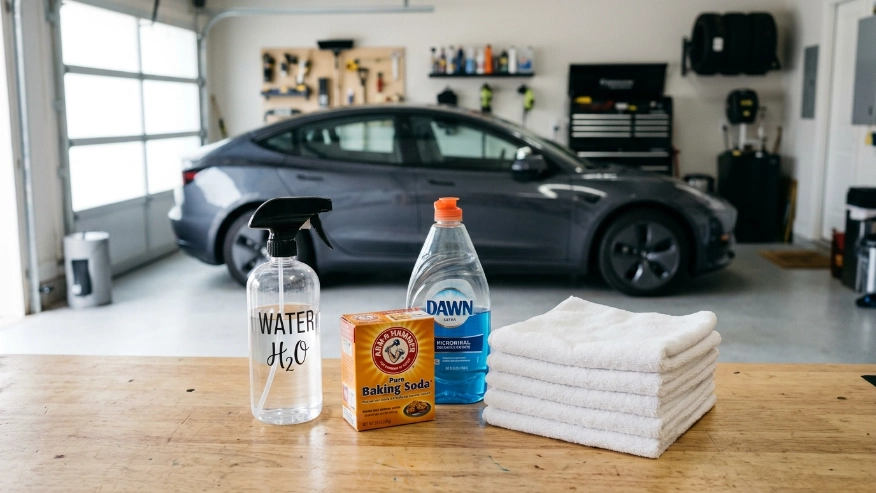
You likely already have everything you need in your kitchen or bathroom. Avoid harsh industrial chemicals, as they can bleach your car’s fabric or strip the protective coating off your leather seats.
Here is what you need to gather:
- Cold water: Keep a bowl or a spray bottle filled with ice-cold water nearby.
- Microfiber cloths: Have several clean, light-colored microfiber cloths ready. Avoid using colored towels that might bleed dye into your car seat.
- Mild dish soap: A grease-fighting, gentle dish soap (like Dawn) works perfectly.
- Baking soda: Excellent for lifting stubborn stains and neutralizing odors.
- Soft-bristled brush: An old toothbrush or a soft detailing brush helps agitate the cleaner without fraying seat fabric.
How to Get Blood Out of a Cloth Car Seat
Cloth seats are highly absorbent. If blood spills onto a cloth seat, it immediately begins soaking through the fabric fibers and down into the seat cushion foam. You must work quickly but gently.
Here are the safest methods for removing blood from fabric car upholstery.
Method 1: The Cold Water and Soap Blot
This is the most common and effective method for fresh blood stains.
- Blot the excess: Take a dry, clean microfiber cloth and gently press it into the stain to absorb as much wet blood as possible. Do not wipe or scrub. Scrubbing pushes the blood deeper into the fabric weaves.
- Mix the solution: Mix two cups of cold water with one tablespoon of mild liquid dish soap in a bowl.
- Dab the stain: Dip a clean corner of your cloth into the soapy water. Gently dab the stain from the outside edges moving inward. Moving outside-in prevents the stain from spreading.
- Rinse and dry: Once the stain lifts, lightly spray the area with plain cold water to rinse away the soap residue. Blot the area completely dry with a fresh towel.
Method 2: The Baking Soda Paste (For Stubborn Stains)
If the blood has started to dry, soap and water might not be enough. Baking soda is a gentle abrasive that naturally lifts proteins and absorbs odors.
- Create a paste: Mix two parts baking soda with one part cold water in a small bowl until it forms a thick paste.
- Apply the paste: Use your finger or a spoon to spread a thick layer of the paste directly over the blood stain.
- Let it sit: Allow the paste to sit on the seat for 30 to 45 minutes. As the paste dries, it will pull the blood out of the fabric.
- Brush and vacuum: Once the paste is completely dry and crusty, use a soft-bristled brush to gently break it up. Vacuum the dried powder away.
- Wipe clean: If a faint stain remains, dab it with a damp cold cloth.
Method 3: Enzymatic Cleaners
If you are dealing with a large stain or dried blood, an enzymatic cleaner is your best option. These cleaners contain active enzymes that literally “eat” and break down the protein structures of the blood. If you prefer to buy a commercial product, look for an enzymatic cleaner that meets the EPA’s Safer Choice standard to ensure it is free from harsh, toxic chemicals that could harm your family or pets.
Spray the enzyme cleaner onto the cloth seat, let it sit for the time recommended on the bottle, and blot it away with a cold, damp towel.
How to Remove Blood Stains from Leather and Vinyl Seats
Leather and vinyl car seats are less absorbent than cloth, making fresh blood much easier to clean. However, leather is porous and easily damaged by harsh chemicals, heavy scrubbing, or excess water.
Step 1: Wipe Away Fresh Blood
If the blood is fresh, simply take a soft, dry microfiber cloth and gently wipe the blood away. Do not press hard, as you do not want to force the blood into the pores of the leather or the stitching seams.
Step 2: Use Mild Soap and Cold Water
If the blood has dried or left a residue, create a highly diluted mixture of cold water and mild soap.
Dip a cloth into the water and wring it out completely so the cloth is only slightly damp. Never soak a leather car seat. Gently wipe the stain in a circular motion. If the blood is stuck in the tiny perforated holes of a heated or ventilated seat, use a soft toothbrush to very lightly agitate the holes, wiping away the loosened debris immediately.
Step 3: Dry and Condition
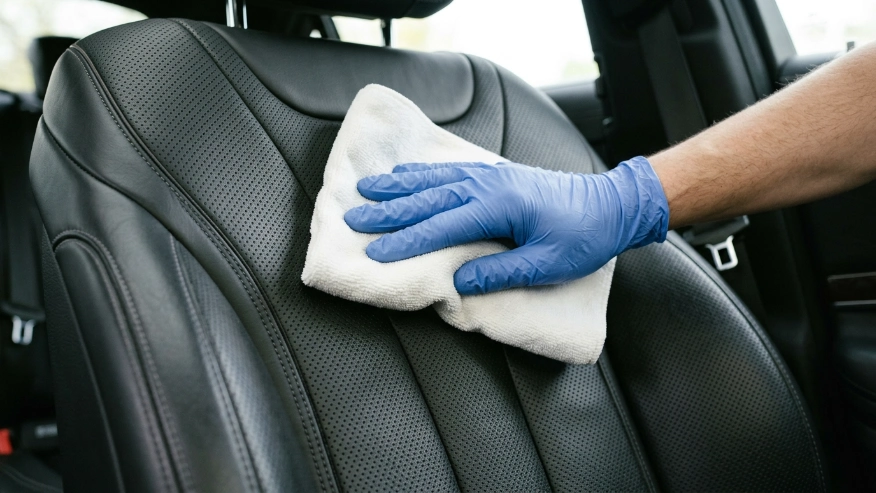
Water and soap strip the natural oils from automotive leather. Once the stain is gone, immediately dry the area with a fresh towel.
Next, apply a high-quality automotive leather conditioner to the seat. This restores the moisture, prevents the leather from cracking, and re-establishes a protective barrier against future spills.
Cleaning Seatbelts and Safety Restraints
Car owners often forget that seatbelts can get stained, too. However, seatbelts require special care because they are critical safety devices.
According to NHTSA vehicle safety guidelines, you should never use bleach, ammonia, or harsh chemicals on seatbelts. Harsh chemicals degrade the polyester webbing, weakening the belt’s tensile strength and compromising your safety in an accident.
To clean blood from a seatbelt:
- Pull the seatbelt out fully and clip it in place so it doesn’t retract.
- Mix cold water with a few drops of mild baby soap or dish soap.
- Dip a soft brush into the solution and gently scrub the belt along the grain of the webbing.
- Wipe the belt with a damp cloth to remove the soap.
- Leave the belt pulled out until it is 100% dry before letting it retract, otherwise, mold can grow inside the retraction mechanism.
Expert Tip:
Always test your chosen cleaning solution on a hidden, inconspicuous area of your car seat first (like the lower side panel near the floorboard). Wait 10 minutes to ensure the cleaner does not discolor, bleach, or degrade your specific upholstery fabric or leather dye.
When to Call a Professional Mechanic or Detailer
While most minor blood stains can be handled in your driveway, there are times when DIY methods are not enough. You should consider hiring a professional automotive detailer if:
- The stain is massive: If a large amount of blood was spilled, it has likely soaked past the fabric and deep into the polyurethane foam cushion of the seat. Surface cleaning will not reach the foam, leading to severe bacterial growth and terrible odors.
- The stain is old and baked-in: If the blood has been baking in a hot car for weeks, household methods may fail. Professionals use specialized enzymatic pre-treatments and hot water extractors to pull deep stains out safely.
- The seat is heavily perforated leather: If a large amount of fluid has seeped down into the heating and cooling ventilation units beneath a perforated leather seat, a mechanic or detailer may need to physically remove the seat from the vehicle to clean the electronics underneath safely.
Never risk damaging expensive interior electronics or safety sensors if you feel out of your depth. A professional extraction usually costs between $50 and $150, which is much cheaper than replacing a ruined car seat.
Cleaning Methods Comparison Table
To help you make a quick decision, here is a breakdown of the best methods based on your car’s materials.
| Material Type | Best Cleaning Method | Pros | Cons |
|---|---|---|---|
| Cloth Seats | Cold Water & Dish Soap | Very cheap; safe for almost all fabrics. | Requires a lot of blotting; can leave a water ring if not dried well. |
| Cloth Seats (Old Stains) | Baking Soda Paste | Lifts deep, dried-in protein stains naturally. | Takes 30-45 minutes to dry before you can vacuum it up. |
| Leather Seats | Damp Cloth & Mild Soap | Protects the delicate leather finish. | Requires following up with a leather conditioner immediately. |
| Seatbelts | Baby Soap & Soft Brush | Preserves the structural safety webbing. | Belt must remain unbuckled until entirely dry to prevent mold. |
Common Mistakes Car Owners Should Avoid
When panicking over a stain, it is easy to make a quick mistake that causes permanent damage to your vehicle. Avoid these common DIY car care errors:
- Using Hot Water: This is the most common and destructive mistake. Blood is a protein. Hot water essentially “cooks” the protein, binding it permanently to the fibers of your car seat. Always use ice-cold water.
- Scrubbing Too Hard: Scrubbing aggressively with a rough towel will push the blood deeper into the seat pad. It will also fray cloth fibers, making the seat look old and worn out. Always blot gently.
- Using Bleach or Hydrogen Peroxide: While hydrogen peroxide is a popular home remedy for blood on clothes, it can permanently bleach dark-colored automotive fabrics and destroy the clear coat on leather seats.
- Over-Saturating the Seat: Dumping cups of water onto the seat will push the blood into the cushion foam. Once moisture is trapped in the foam, mold and mildew will begin to grow, ruining the air quality in your car.
FAQs
Can I use hydrogen peroxide on my car seats?
While hydrogen peroxide breaks down blood effectively, it is a mild bleaching agent. It can easily discolor dark cloth seats or ruin the finish on leather. It is generally not recommended for car interiors unless you test it thoroughly on a hidden spot first.
How do you get dried blood out of a car seat?
Dried blood must be rehydrated before it can be removed. Spray the area lightly with cold water or a commercial enzymatic cleaner. Let it sit for a few minutes to soften the stain, then use a soft brush to gently loosen the particles before blotting with a damp towel.
Will baking soda remove the smell of blood in my car?
Yes. Blood can leave a distinct metallic odor, especially in a hot vehicle. Sprinkling dry baking soda over the dry car seat, leaving it overnight, and vacuuming it up the next morning is a highly effective way to absorb lingering odors.
Can I use a steam cleaner to remove blood?
No. You should never use a steam cleaner to remove a blood stain. The high heat of the steam will instantly cook the proteins and set the stain permanently into the fabric. Steam cleaners should only be used to sanitize the seat after the stain has been 100% removed with cold water methods.
How long does it take for a blood stain to set in a car?
A blood stain can set in a matter of minutes to a few hours. The process is accelerated rapidly in a parked car on a warm day, as the greenhouse effect bakes the protein into the upholstery. Acting as quickly as possible is critical.
What is the best commercial cleaner for automotive blood stains?
The best commercial cleaners for organic stains are enzymatic cleaners. Look for pet stain removers or automotive-specific enzyme sprays. These contain safe bacteria that break down proteins without using harsh, bleaching chemicals.
Conclusion
Knowing how to get blood out of a car seat is a valuable skill that can save you a lot of money and stress. The key takeaway is to act quickly, be gentle, and always use cold water.
By gathering the right household items—like mild dish soap, baking soda, and clean microfiber towels—you can effectively tackle most minor stains in your driveway. Remember to treat cloth and leather differently, being mindful to condition leather after cleaning and to avoid soaking cloth seats to the foam core.
If you are ever dealing with a massive stain or one that has been baking in the sun for weeks, do not hesitate to reach out to a professional auto detailer. Keeping your car’s interior clean not only protects its resale value but ensures a sanitary, comfortable driving experience for you and your family.
