
Best Place for Car Seat: Choosing the Safest Location in Your Vehicle

Car seats keep children safe in cars and reduce the risk of injury in a crash. They come in several types—rear-facing infant seats, convertible seats, and booster seats—each designed for different ages, sizes, and stages of development. We focus on the full range so readers can pick the right seat as their child grows.
Choosing the right spot in the car and the right seat matters more than brand or color. The most important things to check are fit for your child’s height and weight, proper installation in your vehicle, and whether the seat meets current safety standards. We tested and compared seats for ease of installation, comfort, and safety features to help you find options that work for your car and family.
Best Places for Car Seats
Below is our full list of the best places for car seats. We explain safety, ease of install, and comfort so you can pick the right spot for your child. Our picks cover infants through boosters and common vehicle types.
Graco Extend2Fit
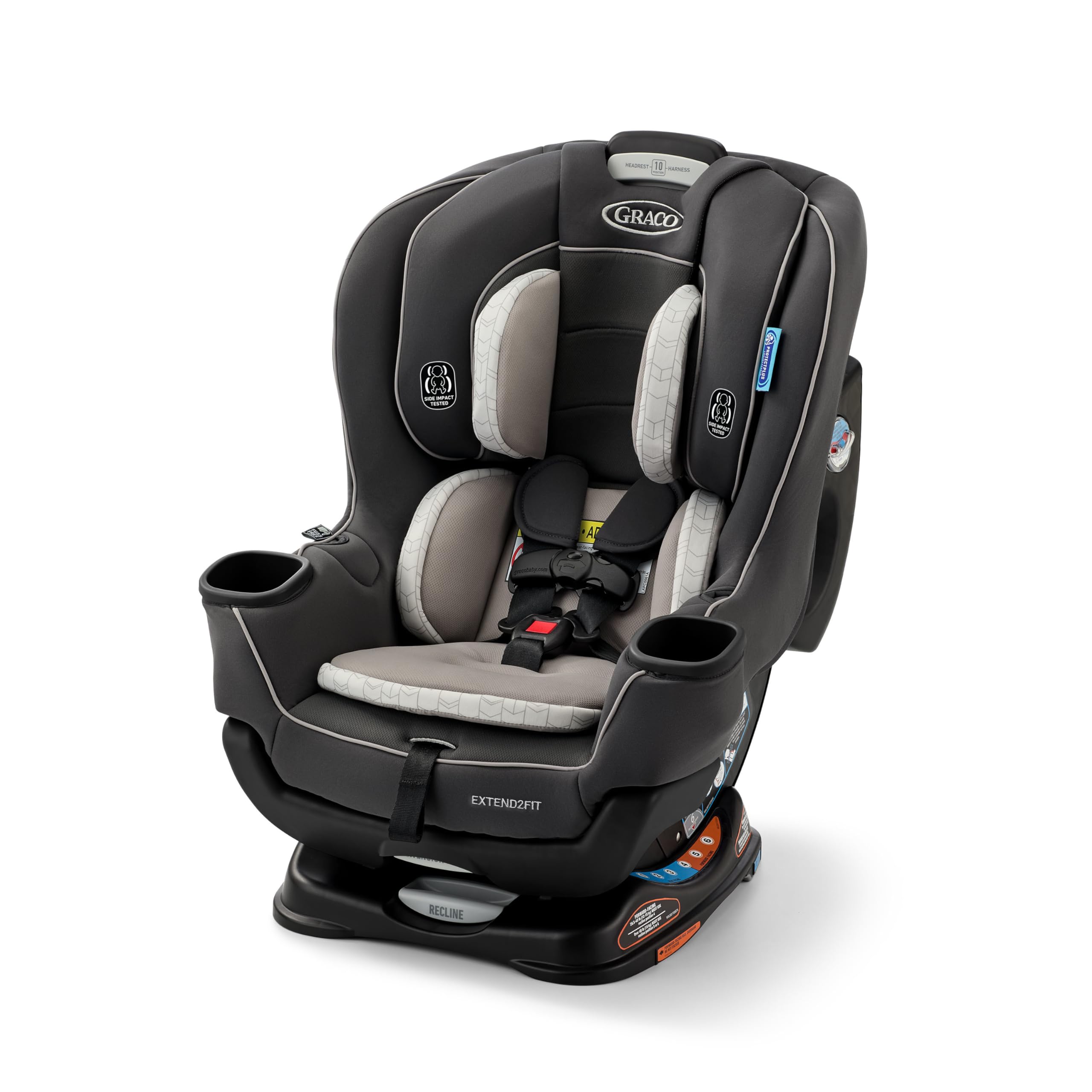
We recommend this seat if you want extra rear-facing time and an easy one-motion harness adjuster.
Pros
- Lets kids ride rear-facing longer with an extendable leg panel
- One-motion headrest and harness makes height changes quick
- Feels sturdy and comfortable on longer drives
Cons
- Takes up a fair amount of space in smaller cars
- Heavier than some infant-only seats to move between vehicles
- Cup holders can be shallow and may not hold big bottles
We installed this seat in our SUV and used it for months while our child stayed rear-facing. The extension panel really added legroom; our kid relaxed more on longer trips and didn’t fuss to stretch. Pulling the harness up with one motion saved time during busy outings.
Latch installation clicked in fast with the InRight system and the seat felt locked down securely. Padding felt plush and held up after several washes, though the cover can be a bit bulky when removing it. We noticed the seat’s weight when shifting between cars, so it’s best if you plan to leave it in one vehicle most of the time.
On a tight back seat the Extend2Fit can crowd neighboring passengers. Still, for families who want longer rear-facing use and simple harness adjustments, this car seat gives strong value and peace of mind.
Safety 1st Grow & Go
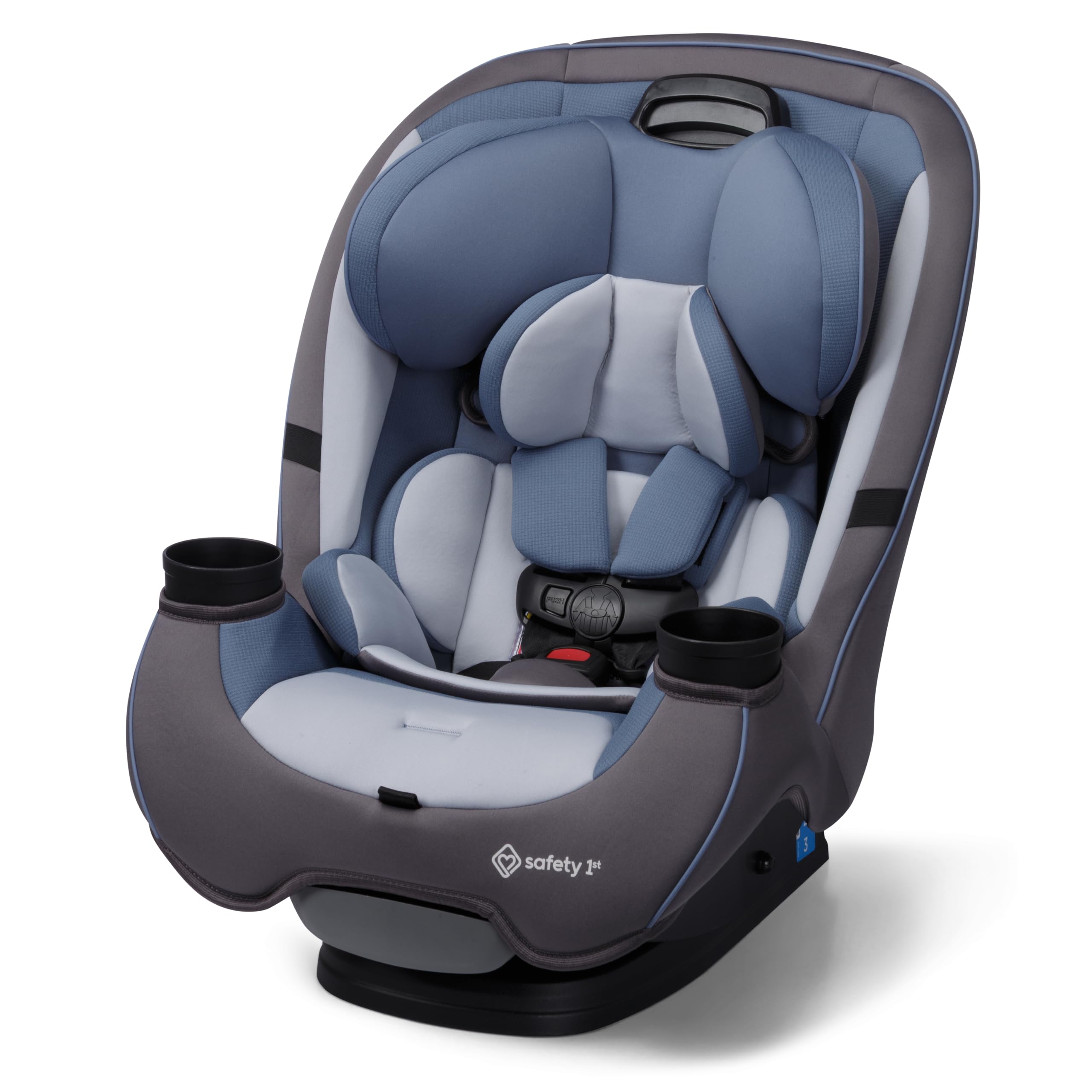
We recommend this seat for families who want one car seat that grows with their child and stays simple to use.
Pros
- Grows from rear-facing newborn to booster, so you buy once.
- QuickFit harness and one-hand headrest make daily use fast.
- Removable, machine-washable cover and cup holders clean easily.
Cons
- A bit bulky in tighter back seats.
- Padding can feel firm for very small newborns.
- Not the lightest option for frequent moving between cars.
We used this seat for months during daily carpools and short road trips. Installing with LATCH was straightforward and the top tether gave us extra peace of mind. The QuickFit adjust felt like a real time-saver when we buckled a sleepy kid.
The seat felt sturdy when we moved it between vehicles. My child seemed comfortable on longer rides and didn’t fuss like with some older seats we tried. Cup holders were handy and wiped clean quickly after snacks.
Keeping the cover clean was simple — snaps came off and the fabric handled the wash and dryer without shrinking. On the downside, the shell takes up more room than narrow models, so three across can feel tight in smaller cars.
Kaiphy Seat Protector

We recommend this if you want sturdy, waterproof protection under a child or pet seat without changing the seat height much.
Pros
- Thick padding that stops dents and feels solid under a booster or car seat
- Waterproof surface wipes clean easily after spills
- Non-slip backing and tabs help keep it from sliding around
Cons
- Can shift on heavy sliding use and needs occasional readjusting
- Edges may not fully cover very wide car seats
- Not machine washable — only spot clean recommended
We used this under our booster and a dog carrier for a few weeks. It felt tough and lasted through crumbs, juice, and muddy paws. The leather-reinforced corners looked like they would hold up over time.
Installing took less than a minute. The padding kept the booster stable without lifting it higher, which we liked. The three mesh pockets were handy for a small toy and wipes.
It did move a bit when people slid in and out. We had to tuck the tabs back in sometimes. Overall, it protected leather seats well and made cleanup faster.
Buy Kaiphy Seat Protector on Amazon
Graco 4Ever DLX

We recommend this seat if you want one reliable car seat that grows with your child for many years.
Pros
- Long-lasting 4-in-1 design saves money and hassle.
- Easy to install and adjust; we got a snug fit fast.
- Removable cover cleans quickly after spills.
Cons
- It’s heavy to move between cars.
- Bulky in smaller vehicles or tight back seats.
- Some people might prefer a lighter infant-only carrier for newborns.
We used the Graco 4Ever DLX for several months and liked how it handled everyday life. The 10-position headrest and single-pull harness made height changes simple when our child hit growth spurts.
Installation felt secure. The InRight LATCH and belt lock-off gave a clear click and little wiggle. That made road trips less stressful.
Comfort stood out on longer rides. The padding and multiple recline positions kept our kid calm, though the seat takes up noticeable space in compact cars.
Cleaning was fast when snacks and crumbs piled up. The Rapid Remove cover came off in under a minute and popped into the washer without fuss.
Overall, we found this seat dependable and practical for parents who want one seat from infancy through booster stage. Consider its weight and size if you plan to move it between vehicles a lot.
Meolsaek Seat Protector

We recommend this if you want a simple, durable mat that keeps your seats clean and cuts down on car seat wear.
Pros
- Thick padding protects upholstery and reduces visible imprints.
- Waterproof fabric wipes clean easily after spills.
- Non-slip backing and straps help keep the car seat stable.
Cons
- Does not provide seat belt access for some installations.
- Pockets can collect crumbs and need regular cleaning.
- Universal fit may not lie perfectly on every car model.
We used this protector under our toddler’s car seat for months. It felt sturdier than thin liners and stopped the leather from rubbing and marking. The padding made installs feel firmer and gave us more confidence that the base wouldn’t scuff the seat.
Cleaning proved easy. A damp cloth removed snacks and sticky spots quickly. The surface has a slight texture but does not stain, and it stayed colorfast even in hot weather.
The straps and non-slip dots really mattered during trips. The protector stayed in place and the car seat slid less. Still, some cars need minor adjustments to get a smooth fit, and you might wish for belt access on certain seat types.
Overall, we found it practical, low-maintenance, and worth the price for families who want to protect leather or cloth seats from daily wear.
Diono Radian 3R (Jet Black)

We recommend this seat if you need one long-lasting, slim car seat that fits three across and keeps kids rear-facing longer.
Pros
- Slim design lets us fit three seats across most cars.
- Solid steel frame feels very sturdy and secure.
- Folds for travel and the cover is easy to wash.
Cons
- Heavy to move between cars or to carry on trips.
- Installation takes a bit of time to get perfectly tight.
- Bulk around the base can crowd smaller car backseats.
We used the Radian 3R for daily drives and a few road trips. The fit across our back seat surprised us — it really does line up well without squeezing passengers. The fabric felt comfy for long rides and the memory foam made naps easier.
Rear-facing until 50 lb gave us more peace of mind during the toddler stage. We liked how the steel frame sat solidly in the car; it didn’t wobble once latched. Adjusting the harness and using the SuperLATCH took patience, but once set, it felt very secure.
Packing it into the trunk for a flight worked thanks to the fold feature and FAA approval. Carrying the 23-pound seat by hand got tiring quickly, so plan to wheel luggage or have help. Overall, we found it a durable, practical choice if you need a slim, all-in-one seat that grows with your child.
Graco SnugFit Infant Car Seat

We recommend this seat for parents who want a solid balance of safety features and easy everyday use.
Pros
- Anti-rebound bar adds a clear extra layer of rear-facing safety.
- Harness and headrest adjust together without rethreading, which saves time.
- Fits with Graco strollers and snaps on easily for quick trips.
Cons
- Can feel warm for baby on hot days without extra airflow.
- Slightly heavy to carry for long distances.
- Some parents may want more padding for very small newborns.
We used this seat daily and liked how the anti-rebound bar felt reassuring during drives. The click-in with our Graco stroller made running errands smoother and faster.
Installation was straightforward once we followed the pendulum level and base positions. Adjusting the harness while the baby stayed seated cut down on fuss and kept naps undisturbed.
We noticed the seat is sturdy and seems well-made. On hot afternoons the fabric held heat, so we added a thin breathable cover for comfort. Overall, this felt like a reliable choice for most families.
Maxi-Cosi Pria All-in-One
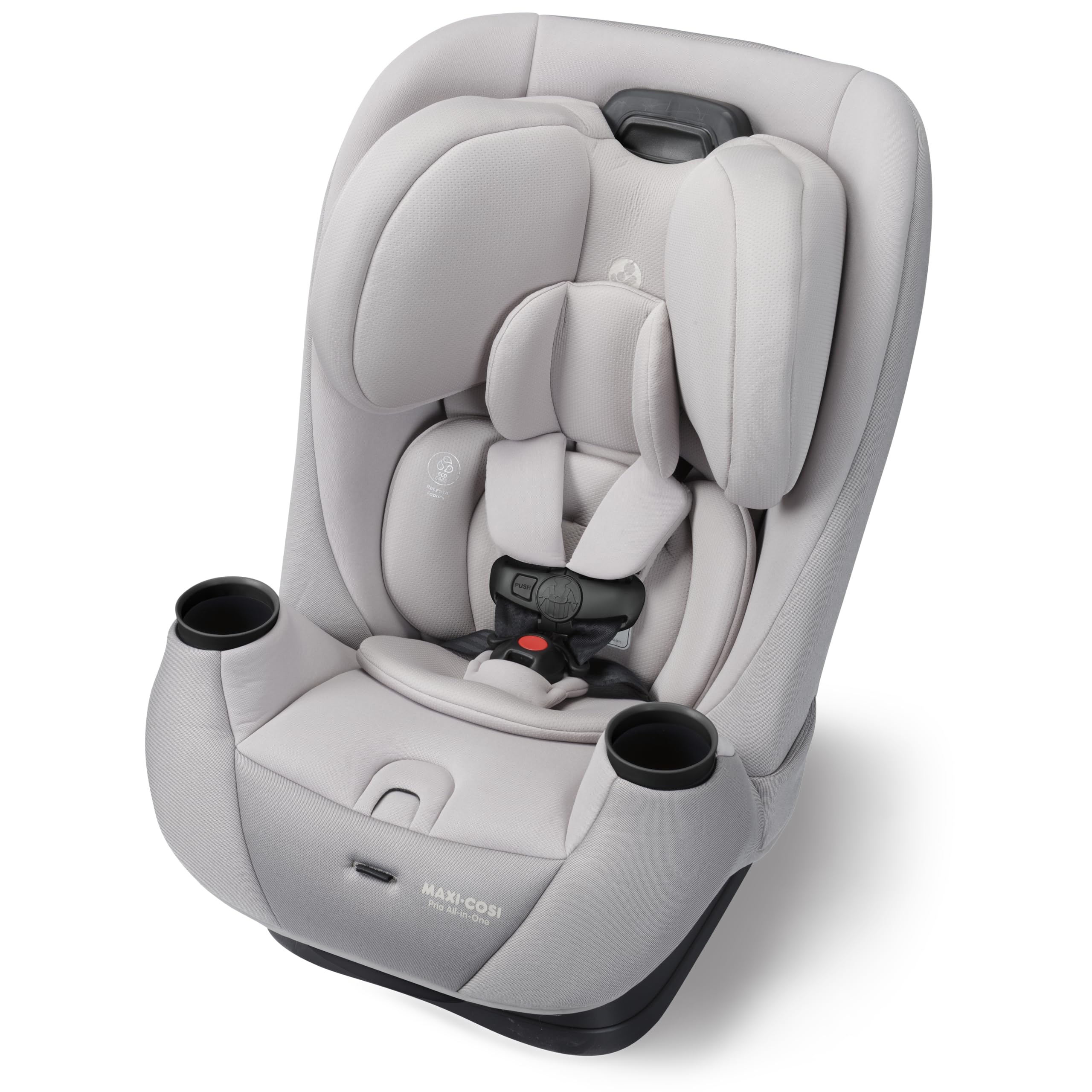
We recommend this seat if you want one durable, comfy car seat that grows with your child and cleans up easily.
Pros
- Adjusts fast with one hand and keeps kids snug through stages.
- Soft, washable fabric that feels good on long drives.
- Simple recline and LATCH make daily use easier.
Cons
- It’s a bit heavy to move between cars.
- Some parents find installation fiddly in tight seats.
- Fabric has a faint plastic smell at first.
We installed the Pria in our SUV and noticed the headrest moves smoothly with one hand. The harness adjustment really saved time during quick outings.
Our toddler seemed more relaxed on drives compared with our old seat. The padding and recline options made naps easier, and the cup holders held toys without falling out.
Cleaning felt simple; we removed the cushions and washed them like the instructions say. We did notice a light plastic odor at first, but it faded after a few days.
Britax One4Life
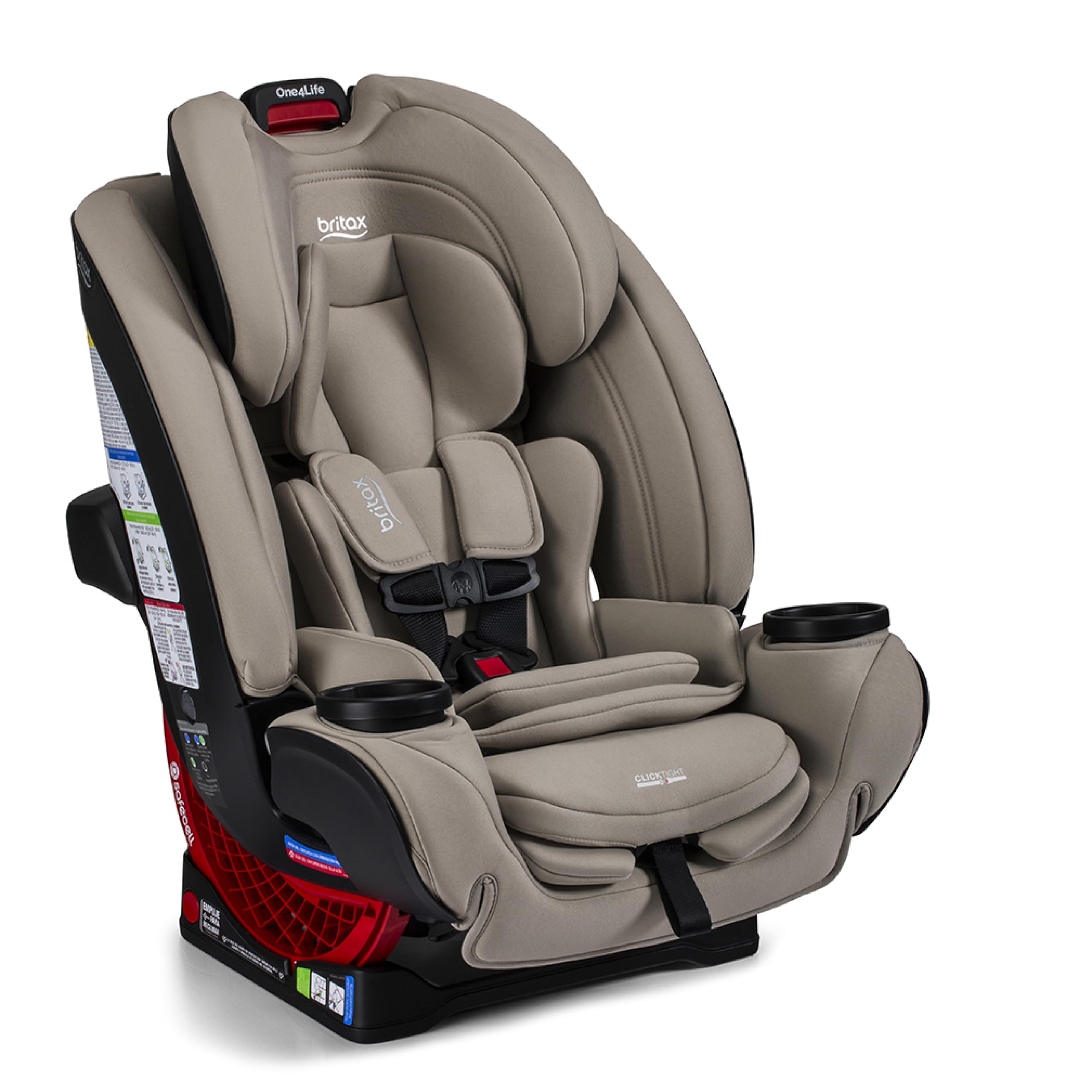
We recommend this seat when you want one durable car seat that grows with your child and installs easily.
Pros
- Installs fast and solid with ClickTight.
- Lasts through all stages from newborn to booster.
- Comfortable fabrics and easy-clean cover.
Cons
- Heavier and bulky to move between cars.
- Straps can twist and need occasional adjustment.
- Larger size may crowd smaller back seats.
We used the One4Life for months and found installation nearly foolproof. The ClickTight system makes the belt routing simple and gives us confidence the seat sits tight every time.
Our child seemed calm and cozy on longer drives. The breathable fabric and plush padding helped prevent fussing, and the cup holders were handy for snacks.
Switching modes felt straightforward. Raising the headrest and adjusting the harness with one hand saved us time, though the seat’s weight meant we didn’t swap it between cars often.
Overall, we liked the solid build and safety features. If you want one long-term seat and don’t mind the bulk, this is a strong choice.
Ellaris 3-in-1 Convertible Car Seat

We recommend this seat if you want a slim, travel-ready convertible car seat that grows with your child and is easy to move between cars.
Pros
- Slim profile saves space in the back seat.
- Simple latch installation and adjustable headrest.
- Machine-washable pad and removable cup holders for easy upkeep.
Cons
- Straps can be hard to tighten to our preferred snugness.
- Feels light, which helps moving it but can seem less solid.
- Might be bulky in much older, very small cars.
We used this seat for everyday drives and a couple of flights. Installing it with the hook-style LATCH was quick, and moving the seat between vehicles felt straightforward.
Our toddler seemed comfortable on long rides. The 5-position headrest and harness adjusted without fuss, and the cup holders were handy on road trips.
Cleaning the fabric was easy—machine wash worked as advertised. We did notice tightening the harness takes effort to reach a firm feel, so plan a little extra time when securing smaller children.
Buying Guide
We start by checking safety ratings and certification. Look for meeting national safety standards, and make sure the seat fits the child’s weight and height range.
We examine installation methods next. Choose between LATCH and seat belt installation based on your car. We prefer seats that offer clear installation indicators and easy tightening.
We pay attention to fit in our vehicle. Measure rear-seat space and test the seat in place when possible. Some seats fit better in certain cars, so a trial helps avoid returns.
We consider comfort and adjustability. Look for multiple recline positions, a removable cover for washing, and adjustable harness heights. These features help the seat grow with the child.
We value ease of use and maintenance. Simple buckle systems, clear labels, and machine-washable fabrics save time. Check how easy it is to tighten the harness and remove the seat for cleaning.
We focus on durability and weight limits. A higher weight or height limit extends the seat’s useful life. Check the manufacture date and recommended expiry to avoid old or expired seats.
We suggest comparing features side-by-side. Use a table to compare:
| Feature | Why it matters |
|---|---|
| Safety certifications | Confirms tested crash protection |
| Installation type | Determines fit and ease in our car |
| Harness and recline adjustments | Allows proper fit as child grows |
| Washable cover | Keeps seat clean and hygienic |
| Weight/height limits | Extends time the seat can be used |
We recommend testing a few options in our car before buying to ensure proper fit and easy installation.
Editor’s Choice
We pick the center rear seat as our top choice for most car seat installs. It gives the best chance of distance from impact on either side, and many vehicles position it furthest from door intrusion.
When the center seat has a proper lap-and-shoulder belt or ISOFIX/LATCH anchors, we prefer it over either side. A secure belt path, tight installation, and correct recline angle matter more than exact seat location.
If the center lacks a proper belt or anchor, we recommend the rear passenger-side position next. It often provides easier access for loading from the curb and keeps the driver’s attention less divided.
We always check vehicle and car seat manuals before installing. If either manual forbids center installation, we follow their guidance without exception.
Quick checklist:
- Center seat if it has a 3-point belt or ISOFIX/LATCH and clear belt path.
- Passenger-side rear if center is unsuitable.
- Always secure the seat tightly and confirm harness fit for the child.
We test each install by applying force to reduce movement and by ensuring the harness sits at or below the shoulders for rear-facing, and at or above for forward-facing.
Conclusion
We choose the back seat center when possible because it usually offers the best protection and keeps the child away from airbags and front-seat crashes. We check our car manual and the car seat instructions to confirm compatibility and proper installation.
If center install isn’t possible, we use the rear passenger side as the next best spot. We secure the seat tightly with the vehicle seat belt or LATCH, and we verify there is less than 1 inch of movement at the belt path.
For infants and toddlers, rear-facing positions give the most head and neck support. We follow weight and height limits and keep children rear-facing as long as the seat allows.
We use a harnessed car seat until the child reaches the top harness height or weight limit, then move to a booster for proper seat belt fit. We make sure the lap belt lies low on the hips and the shoulder belt crosses the middle of the chest.
We inspect installations regularly and retighten if needed. We register our car seat with the manufacturer to receive safety recalls and updates.
FAQS
Where is the safest place to install a car seat?
We recommend the rear middle seat when it has a proper lap and shoulder belt and the car seat fits well. If the middle seat does not allow a secure fit, use one of the rear side seats.
Can a car seat go in the front seat?
We avoid the front seat for children under 13 years old because airbags can cause serious harm. If the front is the only option, move the seat as far back as possible and turn off the airbag if the vehicle allows it and the child’s age and weight require it.
How do we know the car seat fits our vehicle?
Check the car’s owner manual and the car seat manual for compatibility notes. We also test for tightness: the seat should not move more than one inch side-to-side or front-to-back at the belt path.
When should we switch seating positions or seat types?
Follow the car seat manufacturer’s height and weight limits. We keep children rear-facing as long as allowed, then move to forward-facing, and finally to a booster before using the vehicle belt alone.
How can we get help with installation?
We can visit certified child passenger safety technicians at inspection stations or community events. Many fire stations, hospitals, and police departments also offer free checks.
What common mistakes should we avoid?
We avoid loose harnesses, incorrect belt routing, and using expired or damaged seats. We never use a car seat with missing parts or that has been in a crash unless the manufacturer says it’s safe.