Best Car Seat to Fly With: Top Travel-Friendly Infant and Convertible Options

Traveling with a child adds one more thing to juggle: a car seat. A car seat for flying is a compact, FAA-approved child restraint that keeps your child safe on planes and doubles as the same seat you use in the car. We tested several models and looked at features like ease of installation on aircraft seats, weight, folding or travel-friendly designs, and whether the seat meets airline and car safety standards.
Choosing the right airplane car seat means balancing safety, size, and convenience. The most important thing to check is that the seat is FAA-approved, fits both your child by size and the airplane seat by dimensions, and is light enough to carry through airports. We evaluated the best options to help you pick a seat that travels well and keeps your child secure, so you can move on to the full reviews and buying guide.
Best Car Seats to Fly With
We tested and compared car seats that are easy to install on planes, meet safety standards, and fold or detach for travel. Below is our list of the best car seats to fly with, so you can find one that fits your child and makes travel simpler.
Guiseapue Travel Car Seat Bag
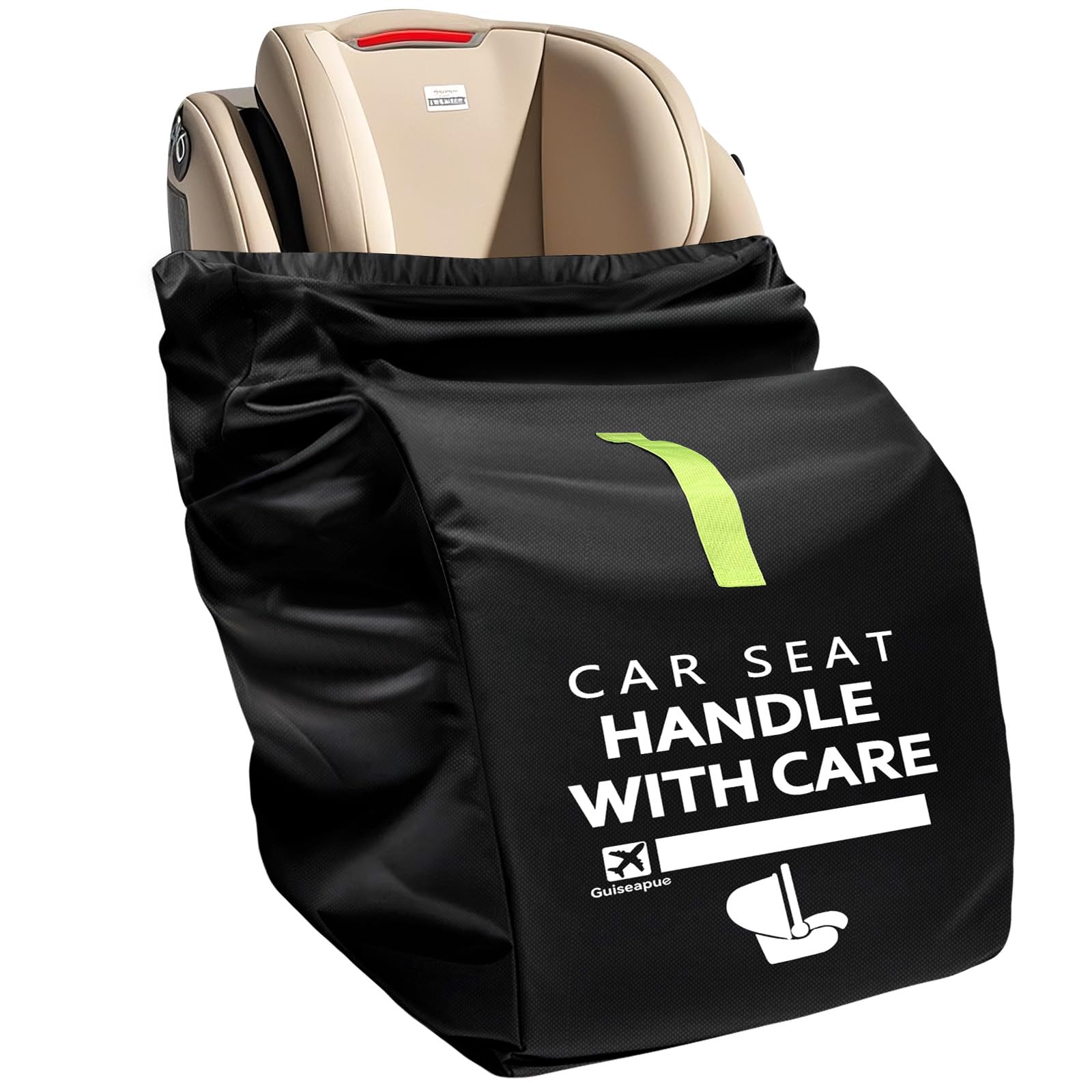
We recommend this if you want a simple, roomy bag that keeps a car seat clean and is easy to carry through the airport.
Pros
- Fits many infant and convertible seats, so one bag covers several brands.
- Lightweight and packs into its own pouch for easy storage.
- Strong stitching and handles make gate checks easier.
Cons
- Material feels thin compared with heavier luggage covers.
- Bag can be oversized for very small infant carriers.
- A few users reported tearing after repeated use.
We used this bag on a recent trip and liked how easy it made gate check. Sliding the infant carrier in and tightening the drawstring took less than a minute. The shoulder strap and top handle saved us from juggling the baby and diaper bag.
The fabric kept dirt and grime off the seat during travel. It’s not heavy, so carrying it through the terminal felt manageable. The PVC ID window helped us spot our bag in a pile of gate-checked items.
After a couple of flights the seams held up, though we noticed the material is thinner than some premium covers. For occasional travel or if you want one bag to work with several seats, this bag does the job without adding bulk to your carry items.
Pico Travel Car Seat (WAYB)

We recommend this if you travel often and need a very light, FAA-approved car seat that packs small for planes and rideshares.
Pros
- Extremely lightweight and easy to carry.
- Folds compactly to fit overhead bins and into the included carry bag.
- Meets FAA and NHTSA standards for flying and driving.
Cons
- Forward-facing only, so it won’t work for infants or rear-facing-required kids.
- Some children sit lower and may feel short in it.
- Not ideal if you need extra padding or a plush seat for long road trips.
We took this seat on a recent flight and appreciated how little it weighs. Moving through the airport felt easier than with any bulky car seat we’ve used before.
Installing it in a taxi and in a rental car felt straightforward and fast. The folding frame snaps down into a small bundle and the carry bag made it simple to handle with luggage.
Our child noticed the lower seating position at first, so short kids may need an extra cushion for comfort. Still, the build felt sturdy and the fabric kept them cool on a warm day.
Overall, Pico works best for families who want a reliable, travel-first car seat that checks safety boxes without adding heavy baggage. Check the current size and weight limits in your case, and see it on Amazon: Pico Travel Car Seat (WAYB).
Ellaris 3-in-1 Slim Convertible

We recommend this seat if you want a travel-friendly, slim convertible that grows with your child and is simple to install.
Pros
- Slim profile saves space for family travel
- Easy hook-style LATCH and straightforward install
- Machine-washable pad and removable cup holders
Cons
- Heavier than infant-only travel seats
- Can feel bulky in very old or small cars
- Some users report side-to-side movement if not tightened perfectly
We took this seat on a short trip and liked how it fit into tighter back seats. The slim shape made boarding and stowing luggage easier, and the airplane-ready note felt accurate — it didn’t eat extra space at the gate.
Adjusting the 5-position headrest was simple and the harness moved smoothly as our child grew. The padding felt comfortable on a long drive, and the washable cover saved time after a spill.
Installation with the hook-style LATCH went faster than many convertible seats we’ve used. Still, the unit has noticeable weight, so carrying it through an airport requires effort. We also tightened straps more than usual to remove a little side play.
Graco Contender Slim

We recommend this seat if you want a lightweight, slim convertible car seat that works for travel and grows with your child.
Pros
- Slim profile saves back-seat space for a third passenger.
- Lightweight and easy to carry between cars and through airports.
- Adjustable headrest and harness move together for quick fit changes.
Cons
- Limited recline options can make getting the correct angle tricky in some vehicles.
- Harness tightening can feel fiddly when you need a very snug fit.
- Padding feels comfortable, but heavier kids may notice it sooner.
We used this seat on a short road trip and a plane. It was a relief to have a seat that didn’t hog the whole back row. Carrying it through the terminal felt easy compared with bulkier models.
Installation is straightforward with LATCH and the level indicator, though we had to fuss with the recline to get a good rear-facing angle in one car. The no-rethread harness saved time as our child grew an inch or two during use.
On the plane, the FAA approval gave us peace of mind. Our toddler seemed comfortable for the flight, and the removable cup holder and washable pad made cleanup fast after snacks.
YOREPEK Car Seat Travel Backpack

We recommend this if you want an easy, hands-free way to protect and carry a car seat through airports without spending a lot.
Pros
- Easy to carry with padded backpack straps and a waist strap.
- Water-resistant shell keeps the seat clean from dirt and spills.
- Fits most major car seats and folds flat for storage.
Cons
- Not padded on the front, so add extra foam for heavy handling.
- Doesn’t fit some larger or specific models like Evenflo Envolve 360 or UPPAbaby Knox.
- No wheels, so longer hauls can feel tiring.
We used this bag on several flights and found the backpack straps really helpful when one of us needed a free hand. The fit was snug for our Graco seats and made gate-checking less stressful.
The material felt tough and water resistant. It kept dust and scuffs off the shell, though we added thin foam at the front for extra protection when baggage handlers were rough.
Packing and folding it for storage was simple. The side pockets held a small blanket and wipes, which saved space in our carry-ons and made quick changes easier at the gate.
Graco Tranzitions 3-in-1 Booster
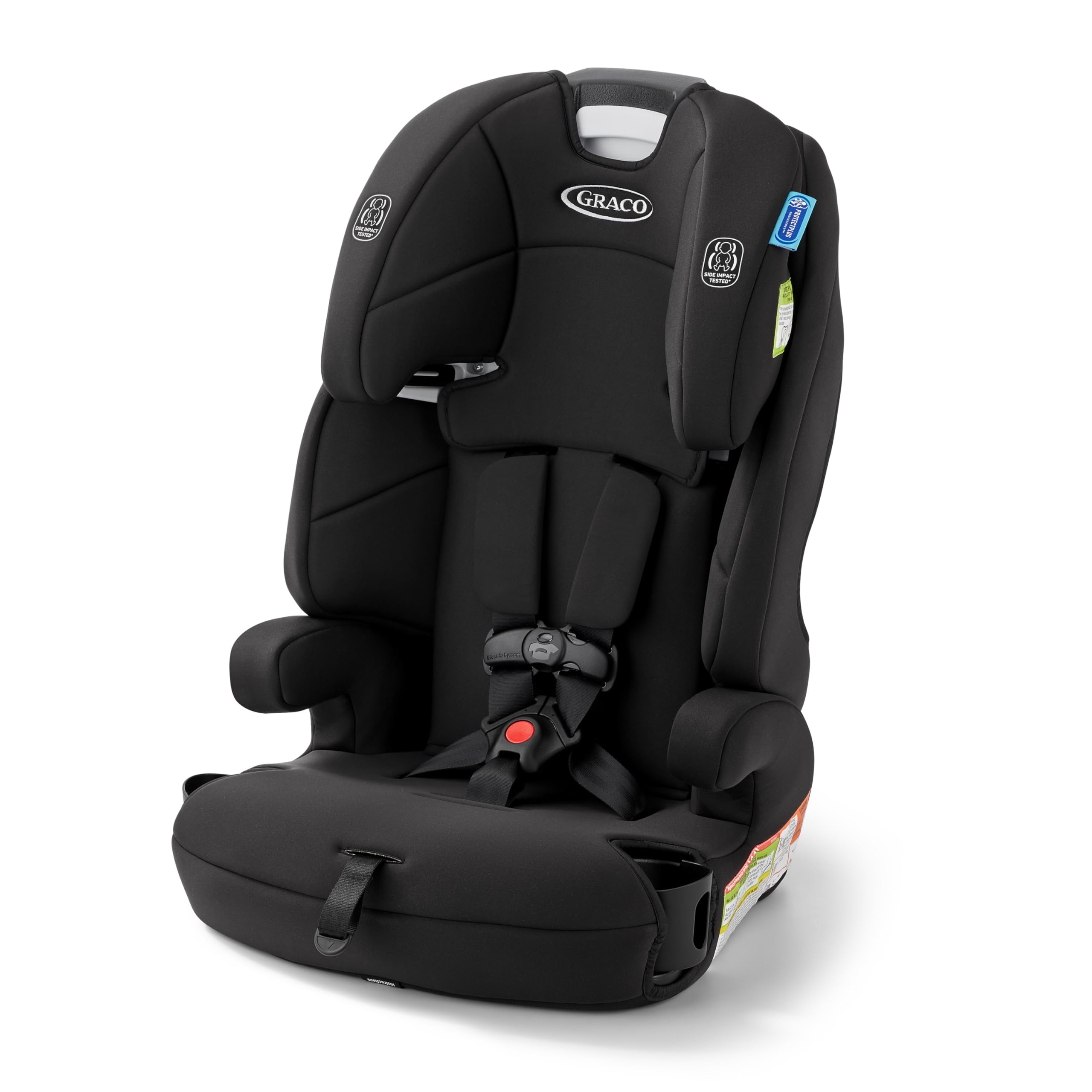
We recommend this seat if you want a lightweight, easy-to-move option that grows with your child and works well for flying with a car seat.
Pros
- Lightweight and slim, easy to carry through airports.
- Simple one-hand headrest and harness adjustments save time.
- Machine-washable pad and removable cup holders make cleanups quick.
Cons
- Less padding than some premium seats, so long flights may feel firmer.
- Not the highest side-impact padding around the shoulders.
- Cup holders sit a bit awkwardly for some kids.
We used this seat for a recent trip and liked how easy it was to move between cars and the airport shuttle. Carrying it through terminals felt simpler than heavier seats, and swapping from harness to highback was quick when our child grew.
Installing felt straightforward and the belt guides made routing the vehicle seat belt clear. The harness adjusts with one motion, which cut down fussy moments when our child climbed in and out.
On a long drive the padding seemed thinner than deluxe models, so we added a small blanket for extra comfort. Overall it balanced convenience and safety nicely for travel without claiming to be top-tier in plushness.
Graco Extend2Fit
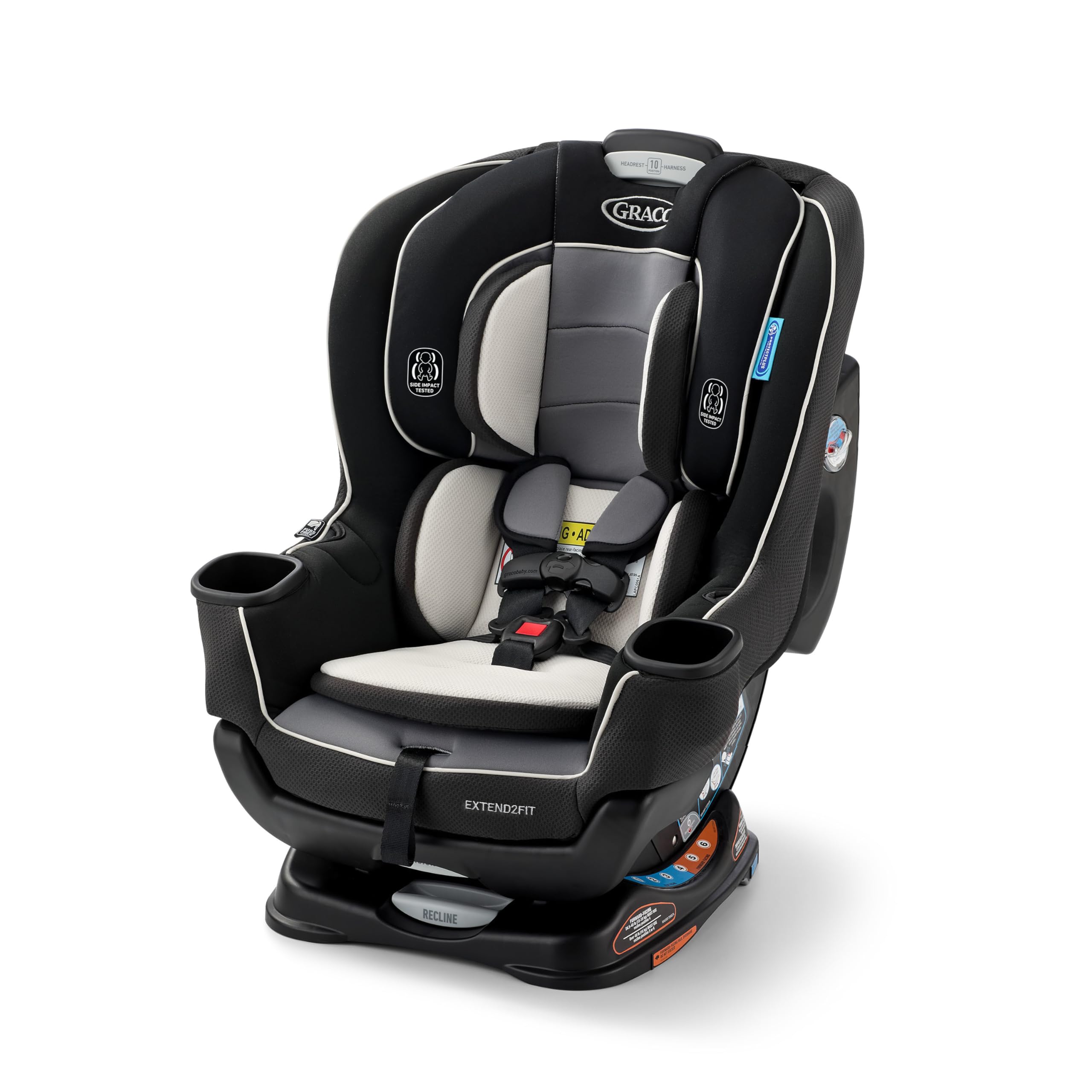
We recommend this seat if you want long rear-facing time and simple one-hand adjustments.
Pros
- Extra rear-facing legroom so child rides rear-facing longer
- One-motion headrest and harness adjustment makes tightening fast
- Sturdy feel and easy LATCH install for quick use between cars
Cons
- Heavier than some travel-only seats
- Bulky for tight airplane aisles or overhead storage
- Cover takes a bit of effort to remove and wash
We used this seat on a week of road trips and at family drop-offs. Getting the harness and headrest to the right spot took one smooth pull, which saved time with a fussy child. The extension panel gave our toddler more legroom in rear-facing mode and seemed to keep them calmer on longer rides.
Installing with LATCH felt solid in both our sedan and SUV. The shell felt robust and gave us confidence after a minor fender bender; the padding stayed in place and didn’t shift under use. We did notice the seat is on the heavy side, so carrying it through an airport would be tiring.
Cleaning was fine but not instant—removing the fabric for a full wash took patience. For parents who fly often, a lighter, more compact travel seat might be easier to handle, but for everyday driving and extended rear-facing safety, this seat worked very well for our family.
Graco SlimFit3 LX

We recommend this seat if you need a slim, travel-ready car seat that grows with your child and fits three across.
Pros
- Slim design saves back-seat space for three-across installations.
- Easy one-hand adjustments and simple LATCH/seat belt installs.
- Removable cover and breathable fabric make travel cleanup fast.
Cons
- At about 19 pounds, it’s lighter than some but still bulky to carry through airports.
- Cup holders stick out slightly and can catch on narrow airplane aisles.
- Some parents may find the harness padding thin for long-haul naps.
We used the SlimFit3 on a recent road trip and a short flight. Installing it with the InRight LATCH felt quick and satisfying — you hear the click and know it’s secure. Adjusting the headrest with the no-rethread harness took one smooth motion while the kids sat nearby.
On the plane, the slim 16.7-inch width really helped. It fit into the window seat without shoving the neighbor or crowding the aisle. Carrying it through the terminal wasn’t ideal, but the compact profile made gate checks and tight car doors easier.
Comfort held up for both infants and toddlers. The removable infant inserts cradled our baby, and the AirFlow fabric kept things from getting sweaty on warm days. Cleaning the cover in a hotel sink was straightforward — it comes off fast and went into the washer without fuss.
If you need a travel-friendly, space-saving seat that lasts through multiple stages, this one performs well in everyday use and on trips.
Safety 1st Grow & Go
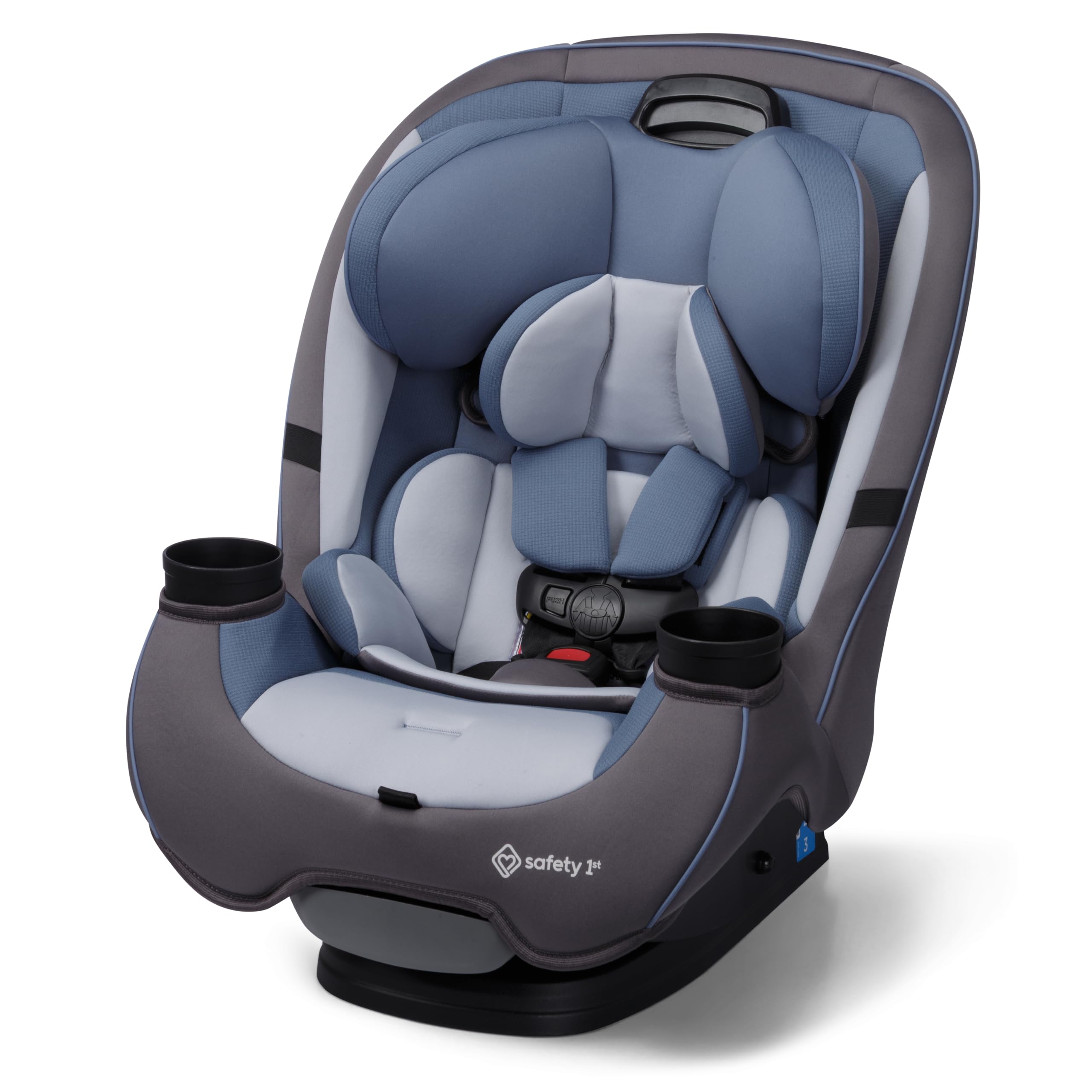
We recommend this seat if you want one convertible option that grows with your child and is easy to clean.
Pros
- Grows from rear-facing newborn to booster, so you skip multiple seats.
- QuickFit harness and one-motion headrest make adjustments fast.
- Slim design helps fit more passengers in the back seat.
Cons
- Still bulky compared with lightweight travel-only seats.
- Not the best choice if you need a tiny, ultra-portable carrier.
- Cup holders can be awkward to remove and reattach.
We used this seat on airport runs and long drives. Installation felt familiar—Latch or seatbelt worked—and the QuickFit harness really speeds getting the child in and out. The padding is comfortable and the recline options helped on naps during travel.
Carrying it through terminals was doable but not effortless. It’s lighter than some convertibles we’ve moved, yet it’s not the compact kind you gate-check like an infant carrier. The slim profile did save space when we squeezed three across the back seat.
Cleaning impressed us. The pad snaps off and survives the washer and dryer, and the cup holders go in the dishwasher. For families who want one reliable seat from newborn to booster, this has been a practical, budget-friendly pick.
Graco TriRide 3-in-1

We recommend this seat if you want a single, durable car seat that grows with your child and travels well for most families.
Pros
- Grows from infant to booster so you avoid buying multiple seats.
- One-motion headrest and harness make daily use faster.
- Sturdy build and good side-impact protection for peace of mind.
Cons
- Heavier and bulkier than travel-only seats, so it’s not ideal for carrying through airports.
- Deep shell can feel cramped for some kids until they grow.
- Recline and LATCH installation can take a few tries in snug cars.
We used the TriRide on a family road trip and for a weekend flight where we checked it and also tried it in our car. Installing it with LATCH felt solid and the steel-reinforced frame gave us confidence during longer drives. Adjusting the headrest and harness with one motion saved time between naps and seat changes.
Carrying the seat through the airport wasn’t pleasant because it’s on the heavy side. We checked it once without issue, but if you plan to gate-check often, a lighter travel seat will be easier to handle. Still, having one seat that covers rear-facing, forward-facing, and booster modes simplified packing for us.
Our kids liked the plush inserts and the recline helped them nap better on trips. The cup holders came in handy and the removable cover cleaned up easily after snacks. Overall, the TriRide felt like a long-term, reliable choice when we wanted safety and convenience over ultra-light travel.
Buying Guide
We focus on safety, ease of use, and airport travel needs when choosing a car seat to fly with. Prioritize features that fit airline rules and keep your child secure during taxi, takeoff, and landing.
We check certification and installation options first. Look for clear FAA approval or local aviation compliance and multiple installation methods like a rigid LATCH, belt paths, or top tether for planes that allow them.
We think about size and weight next. Lightweight, compact seats are easier to carry and store in overhead bins. Measure the seat against airline seat dimensions to ensure a good fit.
We value harness design and padding. A 5-point harness with adjustable straps and adequate side impact protection offers better restraint. Removable or washable covers help after spills and long trips.
We weigh portability and durability. Foldable or easily disassembled seats save space but must still lock securely for use. Durable materials and reinforced frames resist wear from travel.
We consider extras that matter to us. Built-in carry handles, travel bags, and simple recline systems add convenience. Clear instructions and quick-release buckles speed up installation in crowded gates.
We compare features using a simple checklist:
- Safety certification: yes/no
- Installation types: LATCH/belt/tether
- Weight and folded size: numbers that fit our travel plan
- Harness: 5-point/adjustable
- Cleanability: removable covers/washable
- Portability extras: handle/travel bag/foldability
We recommend weighing these factors against our travel habits and child’s size.
Editor’s Choice
We recommend the Evenflo Tribute LX Convertible Car Seat as our top pick for flying. It strikes a strong balance of safety, size, and price that fits most families’ needs.
The seat is light and compact, which makes it easier to carry through airports. It installs with the plane’s seat belt and fits well in most airline seats.
We value clear labeling and simple straps. This model has easy-to-follow belt paths and a one-hand recline, so parents can secure the child quickly.
Key features we liked:
- Weight: about 10 pounds — easy to lift.
- FAA approval: yes, for use on aircraft.
- Compact footprint: fits most coach seats.
- Removable cover: machine washable for quick cleanups.
We tested comfort for typical short and medium flights. Padded head support and a secure harness keep kids calm without bulk. The seat’s low profile makes it easier to move between car and plane.
We also considered cost and availability. The Tribute LX is widely sold and affordable compared with specialty travel seats. That makes it a practical choice for families who fly often.
Conclusion
We weighed safety, ease of use, airline rules, and portability to find car seats that work best for travel. Our picks balance protection with simple installation and light weight so families can move through airports faster.
We prefer convertible seats with FAA approval when possible because they fit more children as they grow. For infants, a lightweight FAA-approved infant carrier that clicks into a base or stroller often saves time and effort.
We recommend checking airline policies and measuring the seat against your airplane seat before you fly. Bring the manual and any needed tools, and practice installing the seat at home so you feel confident at the gate.
We value seats that are easy to clean and have clear labels for tether and belt routing. Travel can be messy and stressful; practical features make the trip smoother.
We suggest carrying a small checklist: FAA approval, weight/size, installation method, and fit for your child. That checklist helps us choose the right seat and reduces surprises on travel day.
FAQS
Can we bring a car seat on the plane?
Yes. Most airlines allow car seats for children who sit in their own seat. We recommend checking the airline’s policy and the car seat label for FAA approval.
Do we need to buy a ticket for the child?
If the child will sit in their own seat, the airline usually requires a fare for that seat. Lap infants do not need a paid seat but cannot use a car seat.
How do we install a car seat on a plane?
Use the airplane seat belt to secure the car seat. Follow the car seat manual and airline instructions. We avoid booster seats on planes because they need a lap-and-shoulder belt.
Can we gate-check the car seat?
Yes, gate-checking is common and often free. We tag the seat at the gate to keep it with the aircraft crew until baggage handlers load it.
Will the car seat get damaged if checked?
Gate-checking reduces risk, but any checked gear can be damaged. We prefer to bring the car seat into the cabin when possible.
How do we choose the best car seat to fly with?
Look for FAA approval, lightweight design, easy install, and compact size. We also check harness simplicity and whether it fits airplane seats before travel.
Any tips for busy flights?
Bring a travel bag and a clear copy of the manual. We arrive early to test the fit and ask flight attendants for help if needed.