275 65 R18 Tire Size
The 275 65 R18 tire size is a popular choice for trucks, SUVs, and crossovers, offering a balanced mix of comfort, traction, and load capacity. This guide breaks down what the numbers mean, compatible vehicles, performance benefits, and how to choose the right tire for your driving needs.
If you’ve ever glanced at the side of your tire and seen “275 65 R18” stamped in small print, you might have wondered what it all means. Don’t worry—you’re not alone. Tire sizing can look like a secret code, but once you crack it, it becomes incredibly useful. Whether you’re shopping for new tires, upgrading your ride, or just curious about what’s rolling beneath your vehicle, understanding the 275 65 R18 tire size is a smart move.
This tire size has become a go-to for many drivers, especially those with larger vehicles like SUVs and pickup trucks. It strikes a great balance between comfort, capability, and style. From daily commutes to weekend adventures, the 275 65 R18 offers solid performance across a range of conditions. In this guide, we’ll dive deep into what this tire size really means, which vehicles it fits, how it performs, and what to consider when choosing the right set for your needs.
In This Article
Key Takeaways
- Understanding the Numbers: 275 = tread width in millimeters, 65 = aspect ratio (sidewall height as a percentage of width), R = radial construction, 18 = rim diameter in inches.
- Common Vehicle Fit: Fits many full-size SUVs, trucks, and crossovers like Ford F-150, Chevy Tahoe, Toyota 4Runner, and GMC Yukon.
- Balanced Performance: Offers a smooth ride, good handling, and strong off-road or all-terrain capability depending on tire type.
- Load and Speed Ratings Matter: Always check load index (e.g., 114–121) and speed rating (e.g., S, T, H) to match your vehicle’s requirements.
- Tire Type Options: Available in all-season, all-terrain, highway, and mud-terrain variants to suit different driving conditions.
- Proper Inflation is Key: Maintaining correct PSI improves fuel economy, tread life, and safety—check monthly.
- Rotation and Maintenance: Rotate every 5,000–7,500 miles to ensure even wear and extend tire life.
📑 Table of Contents
What Does 275 65 R18 Mean?
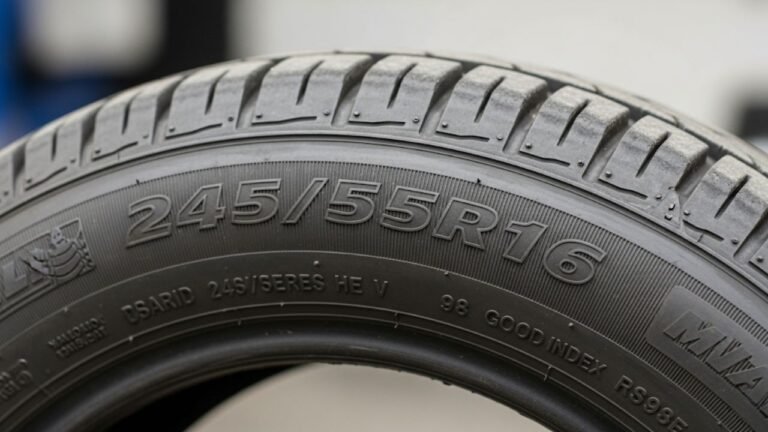
Let’s start with the basics. The sequence “275 65 R18” isn’t random—it’s a standardized way of describing a tire’s dimensions and construction. Each number and letter gives you important information about the tire’s size and how it will perform. Breaking it down makes it much easier to understand.
Breaking Down the Numbers
The first number, 275, refers to the tire’s width in millimeters. This is the measurement from one sidewall to the other when the tire is mounted and inflated. A 275 mm width is considered fairly wide, which contributes to better grip and stability, especially on highways or during cornering.
Next is the 65, which is the aspect ratio. This number tells you the height of the tire’s sidewall as a percentage of its width. So, in this case, the sidewall height is 65% of 275 mm. That works out to about 178.75 mm. A higher aspect ratio (like 65) generally means a taller sidewall, which can absorb more bumps and provide a smoother ride. It also helps protect the rim from damage on rough roads.
The “R” stands for radial construction. This is the most common type of tire construction today. Radial tires have layers of fabric and steel belts running radially across the tire, from bead to bead. This design improves durability, fuel efficiency, and tread life compared to older bias-ply tires.
Finally, the 18 indicates the diameter of the wheel (or rim) that the tire is designed to fit, measured in inches. So, this tire is made for an 18-inch wheel. It’s important to match the tire size exactly to your rim size—using the wrong size can be dangerous and damage your vehicle.
Why This Size Is So Popular
The 275 65 R18 size has become a favorite among drivers for several reasons. First, it fits a wide range of popular vehicles. From full-size SUVs to light-duty trucks, many manufacturers design their vehicles around this tire size because it offers a great balance of performance and comfort.
Second, the 65 aspect ratio gives a nice cushioning effect. Unlike low-profile tires with thin sidewalls (like those found on sports cars), the taller sidewall on a 275 65 R18 helps absorb road imperfections. This makes for a quieter, more comfortable ride, especially on long trips or rough terrain.
Third, the width provides excellent traction. Whether you’re driving on wet pavement, gravel, or light snow, the wider contact patch helps maintain grip. This is especially useful for heavier vehicles that need extra stability.
Vehicles That Use 275 65 R18 Tires
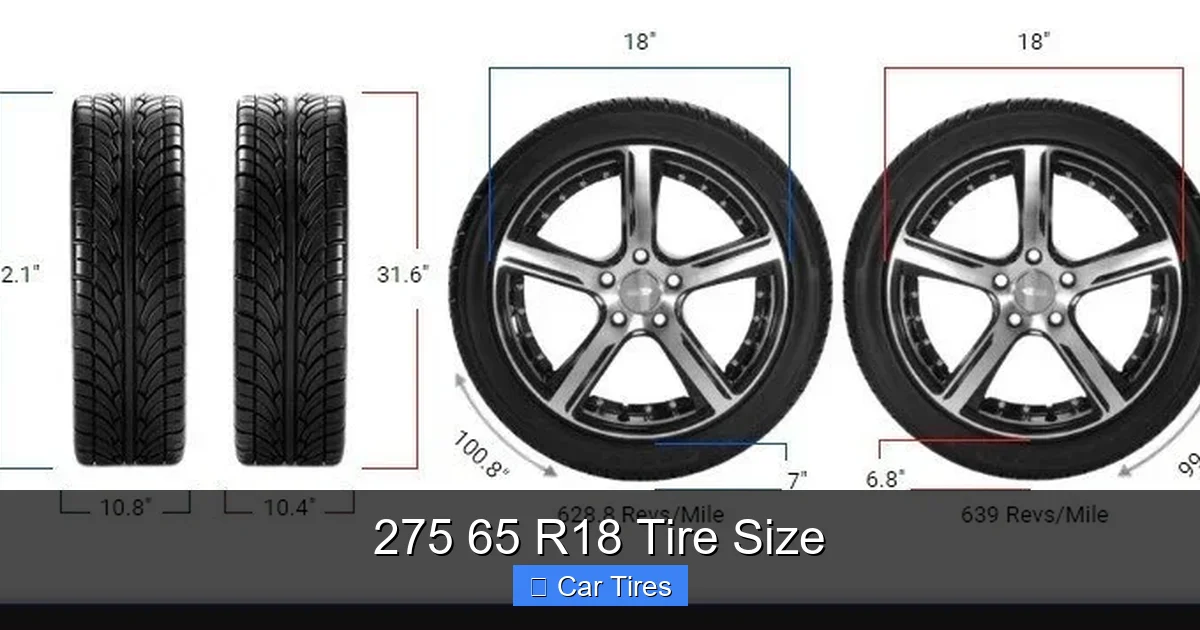
Visual guide about 275 65 R18 Tire Size
Image source: tireblogger.com
One of the biggest advantages of the 275 65 R18 tire size is its compatibility with a wide range of vehicles. If you own a truck or SUV, there’s a good chance this size is either standard or an available option. Let’s look at some of the most common models that use this tire size.
Popular Trucks and SUVs
The Ford F-150 is one of the best-selling trucks in America, and many trims come equipped with 275 65 R18 tires. Whether you’re driving a base model or a high-end Lariat, this size offers the right mix of comfort and capability for daily driving and light towing.
Chevy Tahoe and GMC Yukon owners also frequently use this tire size. These full-size SUVs are built for families and long road trips, and the 275 65 R18 provides a smooth, quiet ride while still offering enough ground clearance for light off-roading.
The Toyota 4Runner is another strong contender. Known for its rugged build and off-road prowess, the 4Runner often comes with 275 65 R18 tires, especially on TRD Off-Road and Limited trims. These tires give the 4Runner a commanding presence on the road while maintaining excellent traction on trails.
Other vehicles that commonly use this size include the Nissan Titan, Ram 1500, and even some versions of the Honda Pilot and Hyundai Palisade. If you’re unsure whether your vehicle uses this size, check the sidewall of your current tires or consult your owner’s manual.
Aftermarket and Upgrades
Even if your vehicle didn’t come with 275 65 R18 tires from the factory, you might be able to upgrade to them. Many drivers choose this size when switching to larger wheels or adding lift kits for a more aggressive look.
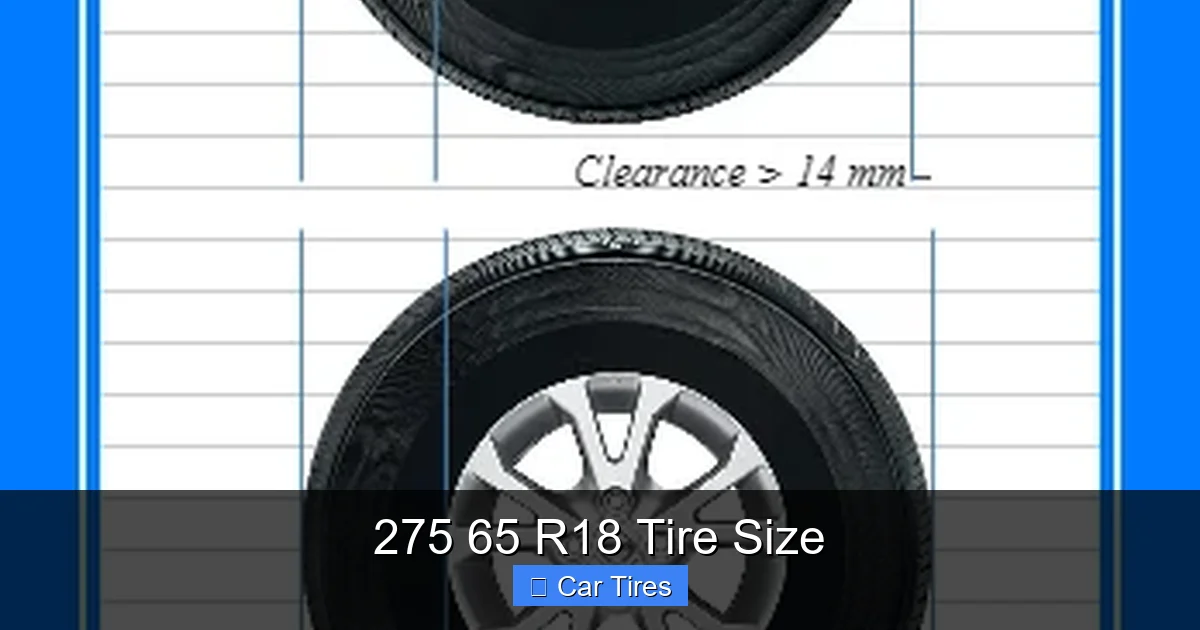
However, it’s important to make sure the new size is compatible with your vehicle’s suspension, fender clearance, and speedometer calibration. A tire that’s too tall or wide can rub against the wheel well or affect your vehicle’s handling. Always consult a professional or use a tire size calculator before making changes.
Performance and Driving Experience
Visual guide about 275 65 R18 Tire Size
Image source: tire-calc.com
So, what’s it actually like to drive on 275 65 R18 tires? The answer depends on the type of tire you choose, but in general, this size delivers a well-rounded performance that suits a variety of driving styles.
On-Road Comfort and Handling
Thanks to the 65 aspect ratio, these tires offer a comfortable ride on paved roads. The taller sidewall acts like a built-in shock absorber, reducing the impact of potholes, cracks, and uneven pavement. This is a big plus for daily commuters or families who spend a lot of time on the road.
Handling is also solid. The 275 mm width provides a stable footprint, which helps with cornering and lane changes. You won’t get the razor-sharp response of a sports car, but for a truck or SUV, it’s more than adequate. Many drivers report feeling confident and in control, even at highway speeds.
Off-Road and All-Terrain Capability
If you enjoy weekend adventures or live in an area with rough roads, the 275 65 R18 size is a great choice for all-terrain or mud-terrain tires. These specialized tires are built to handle dirt, gravel, mud, and light rock crawling.
All-terrain tires, like the BFGoodrich All-Terrain T/A KO2 or the Goodyear Wrangler DuraTrac, are popular options in this size. They offer excellent traction off-road while still being quiet and comfortable on the highway. Mud-terrain tires, such as the Nitto Trail Grappler or Mickey Thompson Baja Boss, are even more aggressive and ideal for serious off-roading.
Keep in mind that more aggressive tread patterns can increase road noise and reduce fuel efficiency. But if you’re willing to make that trade-off for better off-road performance, these tires are worth considering.
Winter and Snow Performance
For drivers in colder climates, winter performance is a key concern. The 275 65 R18 size is available in dedicated winter tires, which are designed with softer rubber compounds and deeper treads to grip snow and ice.
Brands like Michelin, Bridgestone, and Nokian offer excellent winter tires in this size. These tires can dramatically improve braking and handling in snowy conditions compared to all-season tires. If you live where snow is common, investing in a set of winter tires is one of the best safety decisions you can make.
Choosing the Right Tire Type
Visual guide about 275 65 R18 Tire Size
Image source: dailypartspro.com
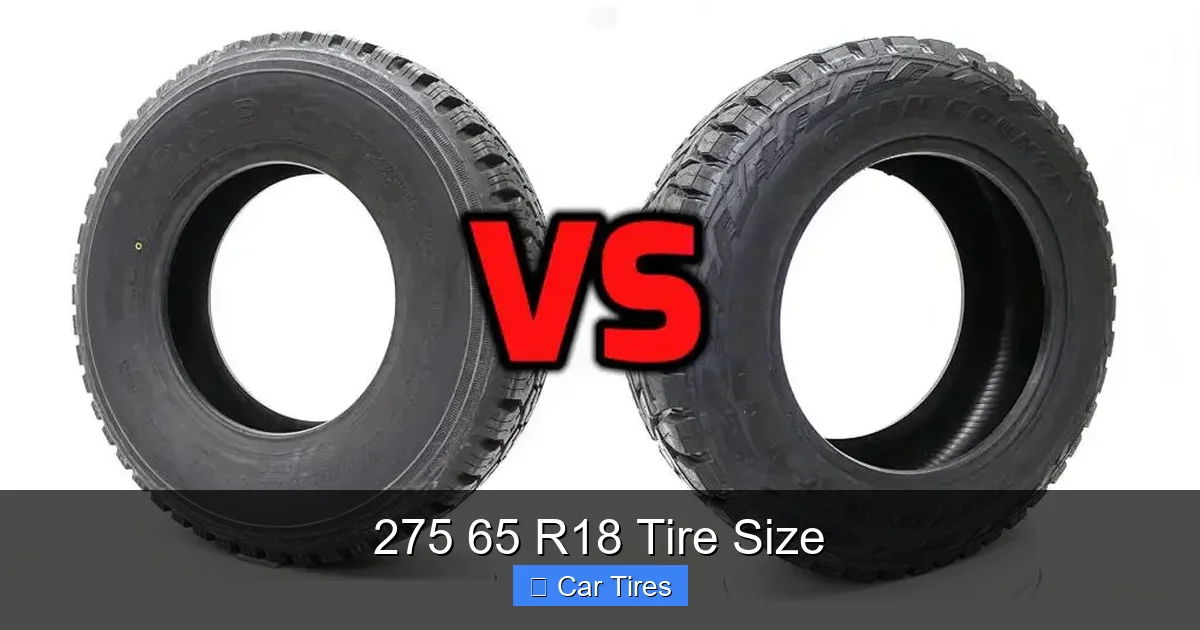
Not all 275 65 R18 tires are created equal. The type of tire you choose will have a big impact on performance, comfort, and longevity. Here’s a breakdown of the main options available.
All-Season Tires
All-season tires are the most common choice for everyday driving. They’re designed to perform well in a variety of conditions, including dry, wet, and light snow. They offer a good balance of comfort, tread life, and fuel efficiency.
Popular all-season options in this size include the Michelin Defender LTX M/S, Continental CrossContact LX25, and Pirelli Scorpion Verde. These tires are great for drivers who want reliable performance without switching tires seasonally.
All-Terrain Tires
If you frequently drive on unpaved roads or want extra durability, all-terrain tires are a smart upgrade. They have deeper treads and reinforced sidewalls to handle rough terrain while still being quiet on the highway.
The BFGoodrich All-Terrain T/A KO2 is a top pick, known for its toughness and long tread life. The Goodyear Wrangler DuraTrac is another strong option, offering excellent traction in mud and snow.
Mud-Terrain Tires
For serious off-roaders, mud-terrain tires provide maximum grip in challenging conditions. These tires have aggressive tread patterns and large lugs to dig into mud, sand, and rocks.
The Nitto Trail Grappler and Mickey Thompson Baja Boss are popular choices. They’re not ideal for daily commuting due to noise and wear, but they’re unbeatable when the pavement ends.
Highway and Touring Tires
If your priority is a smooth, quiet ride on long trips, highway or touring tires are the way to go. These tires are optimized for comfort and fuel efficiency, with low rolling resistance and noise-reducing designs.
The Michelin Agilis CrossClimate and Bridgestone Dueler H/L Alenza are excellent examples. They’re perfect for SUVs used primarily for family travel or highway driving.
Load Index and Speed Rating Explained
When shopping for 275 65 R18 tires, you’ll notice two important numbers: the load index and the speed rating. These aren’t just random codes—they tell you how much weight the tire can carry and how fast it can safely travel.
Understanding Load Index
The load index is a numerical code that corresponds to the maximum weight a tire can support when properly inflated. For 275 65 R18 tires, common load indexes range from 114 to 121.
For example, a load index of 114 means the tire can carry up to 2,601 pounds. A 121 load index supports up to 3,297 pounds. Since most vehicles use four tires, the total load capacity is multiplied by four.
Always choose tires with a load index that meets or exceeds your vehicle’s requirements. Overloading tires can lead to overheating, blowouts, and accidents.
Speed Rating Basics
The speed rating tells you the maximum speed the tire can safely maintain under optimal conditions. It’s represented by a letter, such as S, T, or H.
– S = 112 mph
– T = 118 mph
– H = 130 mph
Most 275 65 R18 tires have an S or T rating, which is more than enough for normal driving. Higher ratings like H or V are usually found on performance-oriented tires.
While you may never drive at these speeds, the speed rating also reflects the tire’s construction and durability. Higher-rated tires often have better heat resistance and handling.
Maintenance Tips for Longevity
Getting the most out of your 275 65 R18 tires means more than just buying the right set—it also requires proper care. With a little maintenance, you can extend tread life, improve safety, and save money in the long run.
Regular Tire Rotation
Tire rotation involves moving tires from one position to another on your vehicle to ensure even wear. Front and rear tires wear differently due to steering, braking, and weight distribution.
For most vehicles, rotating tires every 5,000 to 7,500 miles is recommended. Some manufacturers suggest a specific pattern, such as front-to-rear or cross-rotation. Check your owner’s manual for guidance.
Proper Inflation
Keeping your tires inflated to the correct PSI is one of the simplest and most effective maintenance steps. Underinflated tires wear faster, reduce fuel economy, and increase the risk of blowouts. Overinflated tires can lead to a harsh ride and uneven tread wear.
Check tire pressure at least once a month and before long trips. Use a reliable gauge and refer to the recommended PSI listed on the driver’s side door jamb or in the owner’s manual.
Alignment and Balancing
If your vehicle pulls to one side or you feel vibrations at high speeds, it may need an alignment or balancing. Misaligned wheels cause uneven wear, while unbalanced tires can lead to a shaky ride.
Have your alignment checked annually or after hitting a major pothole. Balancing should be done whenever you install new tires or notice vibrations.
Tread Depth and Inspection
Regularly inspect your tires for signs of wear, cracks, bulges, or embedded objects. Use a tread depth gauge or the “penny test” to check remaining tread. Insert a penny into the tread with Lincoln’s head upside down—if you can see the top of his head, it’s time for new tires.
Most tires are considered worn out when tread depth reaches 2/32 of an inch. However, for winter driving, experts recommend replacing tires at 4/32 of an inch for better snow traction.
Conclusion
The 275 65 R18 tire size is a versatile and reliable choice for a wide range of vehicles. Whether you drive a truck, SUV, or crossover, this size offers a great balance of comfort, performance, and durability. Understanding what the numbers mean, which vehicles it fits, and how to maintain your tires can help you make smarter decisions and get the most out of every mile.
From daily commutes to off-road adventures, the right set of 275 65 R18 tires can enhance your driving experience. Take the time to choose the right type for your needs, keep them properly maintained, and enjoy the confidence that comes with knowing your vehicle is equipped with quality rubber.
Investing in good tires isn’t just about safety—it’s about peace of mind. So the next time you see “275 65 R18” on a tire, you’ll know exactly what it means and why it matters.
Frequently Asked Questions
What vehicles use 275 65 R18 tires?
The 275 65 R18 tire size is commonly used on full-size SUVs and trucks such as the Ford F-150, Chevy Tahoe, GMC Yukon, Toyota 4Runner, and Ram 1500. It’s also available as an option on some crossovers like the Honda Pilot.
Can I put 275 65 R18 tires on my car?
This tire size is designed for larger vehicles like trucks and SUVs. Most cars are not compatible due to suspension, fender clearance, and weight limitations. Always check your vehicle’s specifications before changing tire sizes.
Are 275 65 R18 tires good for off-roading?
Yes, especially if you choose all-terrain or mud-terrain tires. These tires offer excellent traction on dirt, gravel, and mud while maintaining decent on-road comfort. Popular off-road options include the BFGoodrich KO2 and Nitto Trail Grappler.
How long do 275 65 R18 tires last?
Tire life depends on driving habits, road conditions, and maintenance. On average, all-season tires last 50,000 to 70,000 miles, while all-terrain tires may last 40,000 to 60,000 miles. Regular rotation and proper inflation can extend tread life.
What’s the difference between 275 65 R18 and 285 65 R18?
The main difference is width: 275 mm vs. 285 mm. The 285 is slightly wider, which can improve traction but may reduce fuel efficiency and require wheel well clearance checks. Both have the same sidewall height and rim size.
Do I need winter tires for 275 65 R18?
If you live in an area with heavy snow or icy roads, winter tires are highly recommended. They provide significantly better grip and braking in cold conditions compared to all-season tires. Look for the three-peak mountain snowflake symbol for certified winter performance.