2001 Toyota Corolla Tire Size Guide

Contents
- 1 Key Takeaways
- 2 📑 Table of Contents
- 3 Introduction: Why Tire Size Matters for Your 2001 Toyota Corolla
- 4 Understanding Tire Size Notation: Decoding the Numbers
- 5 2001 Toyota Corolla Tire Sizes by Trim Level
- 6 Can You Upgrade Your Tire Size? Exploring Compatible Options
- 7 Choosing the Right Tire Type: All-Season, Winter, or Performance?
- 8 Maintaining Your Tires: Tips for Longevity and Safety
- 9 Conclusion: Making the Right Choice for Your Corolla
- 10 Frequently Asked Questions

Windshield Cleaning Tool

Car Tool Kit Set

Car Windshield Wiper Blades

Car Seat Organizer
Choosing the right tire size for your 2001 Toyota Corolla is essential for safety, handling, and fuel economy. This guide covers OEM specs, compatible upgrades, and expert tips to help you make the best choice for your driving needs.
Key Takeaways
- Standard tire size: The 2001 Toyota Corolla typically uses P185/65R14 or P195/60R15 tires, depending on trim level.
- Trim-specific variations: Base models often come with 14-inch wheels, while higher trims like the LE and S use 15-inch rims.
- Speed and load ratings: Always match or exceed the original tire’s load index and speed rating for safety.
- Upgrading options: You can safely switch to slightly larger tires (e.g., 205/55R15) with proper clearance checks.
- Seasonal considerations: All-season tires are ideal for most climates, but winter or performance tires may be better for extreme conditions.
- Proper inflation matters: Maintaining correct tire pressure improves fuel efficiency, tread life, and handling.
- Consult a professional: When in doubt, visit a trusted tire shop to confirm compatibility and installation.
📑 Table of Contents
- Introduction: Why Tire Size Matters for Your 2001 Toyota Corolla
- Understanding Tire Size Notation: Decoding the Numbers
- 2001 Toyota Corolla Tire Sizes by Trim Level
- Can You Upgrade Your Tire Size? Exploring Compatible Options
- Choosing the Right Tire Type: All-Season, Winter, or Performance?
- Maintaining Your Tires: Tips for Longevity and Safety
- Conclusion: Making the Right Choice for Your Corolla
Introduction: Why Tire Size Matters for Your 2001 Toyota Corolla
When it comes to your 2001 Toyota Corolla, one of the most overlooked yet critical components is the tire. You might think all tires are the same—after all, they’re round, black, and roll on the road. But the truth is, the right tire size can make a huge difference in how your car drives, handles, and even how much gas it uses. Whether you’re cruising down the highway or navigating city streets, your tires are the only part of your car that actually touches the road. That’s why getting the correct tire size isn’t just about aesthetics—it’s about safety, performance, and longevity.
The 2001 Toyota Corolla is a reliable, fuel-efficient compact car that has stood the test of time. Known for its durability and low maintenance costs, it’s a favorite among commuters and first-time car owners. But even the most dependable car needs the right tires to perform at its best. Using the wrong size can lead to poor handling, reduced fuel economy, premature wear, and even damage to your vehicle’s suspension or speedometer readings. So, whether you’re replacing worn-out tires or considering an upgrade, knowing your Corolla’s correct tire size is the first step toward a smoother, safer ride.
Understanding Tire Size Notation: Decoding the Numbers
Visual guide about 2001 Toyota Corolla Tire Size Guide
Image source: tiires.com
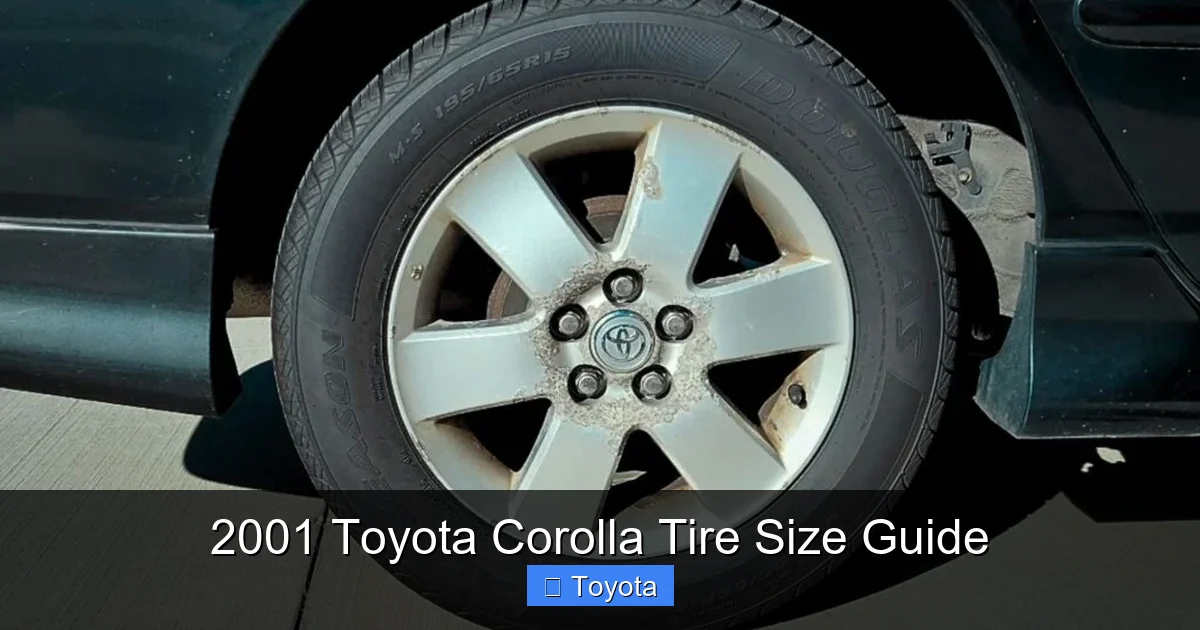
Before diving into the specific sizes for your 2001 Corolla, it helps to understand what those numbers on the tire sidewall actually mean. Tire sizes are written in a standardized format that looks something like this: P185/65R14. At first glance, it might seem like a random string of digits, but each part has a clear meaning.
Let’s break it down. The “P” stands for “P-metric,” which means the tire is designed for passenger vehicles—like your Corolla. The first number, “185,” is the tire’s width in millimeters from sidewall to sidewall. A wider tire generally offers better grip but may reduce fuel efficiency. The next number, “65,” is the aspect ratio—the height of the tire’s sidewall as a percentage of its width. So, a 65 aspect ratio means the sidewall is 65% as tall as the tire is wide. This affects ride comfort and handling; lower ratios mean a shorter sidewall and sportier feel, while higher ratios offer a smoother ride.
The letter “R” indicates radial construction, which is standard on modern tires. Finally, the last number, “14,” is the diameter of the wheel (or rim) in inches that the tire is designed to fit. So, a P185/65R14 tire fits a 14-inch wheel. Understanding this notation helps you read tire labels, compare options, and ensure you’re buying the right fit for your Corolla.
2001 Toyota Corolla Tire Sizes by Trim Level

Visual guide about 2001 Toyota Corolla Tire Size Guide
Image source: i.pinimg.com
Not all 2001 Toyota Corollas are created equal—especially when it comes to tire size. The correct size depends on the trim level and wheel configuration your car originally came with. Toyota offered several trims for the 2001 model year, including the base CE, the mid-level LE, and the sportier S model. Each had different wheel and tire specifications.
The base CE model typically came equipped with 14-inch steel wheels and P185/65R14 tires. This size offers a good balance of comfort, fuel efficiency, and affordability. It’s ideal for everyday driving and is often recommended for drivers who prioritize economy over performance. The slightly narrower width helps reduce rolling resistance, which can improve gas mileage—a big plus for a car known for its efficiency.
The LE and S trims, on the other hand, usually featured 15-inch alloy wheels with P195/60R15 tires. These tires are a bit wider and have a lower aspect ratio, giving them a sportier look and improved cornering ability. The 15-inch wheels also provide better brake clearance, which can be beneficial if you’re driving in hilly areas or carrying heavier loads. While they may offer a slightly firmer ride compared to the 14-inch setup, many drivers appreciate the enhanced handling and modern appearance.
It’s important to note that even within the same trim, there can be variations based on region, optional packages, or previous owner modifications. Always check your owner’s manual or the tire information placard (usually located on the driver’s side door jamb) to confirm your car’s original tire size. This ensures you’re replacing or upgrading with the correct dimensions.
Can You Upgrade Your Tire Size? Exploring Compatible Options

Visual guide about 2001 Toyota Corolla Tire Size Guide
Image source: i.pinimg.com
One of the most common questions Corolla owners ask is whether they can upgrade to a different tire size—perhaps for better performance, a more aggressive look, or improved handling. The short answer is yes, but with some important caveats. You can safely change your tire size as long as the new tires maintain the same overall diameter and don’t interfere with your car’s suspension, fenders, or other components.
A popular upgrade for 2001 Corolla owners is switching from the standard P185/65R14 to a P195/60R15 or even a 205/55R15. These sizes are close in overall diameter to the original, meaning your speedometer and odometer readings will remain accurate. The 205/55R15, for example, is about 0.3% smaller in diameter than the P195/60R15, which is well within the acceptable range (generally ±3%).
Upgrading to a wider tire like the 205/55R15 can improve grip and cornering stability, especially during spirited driving or in wet conditions. However, it may also increase road noise and slightly reduce fuel economy due to higher rolling resistance. Additionally, you’ll need to ensure your wheels can accommodate the wider tire. Most 15-inch Corolla wheels have a width of 5.5 to 6 inches, which can handle a 205mm tire, but it’s always best to double-check with a tire professional.
Another option is to go with a performance-oriented tire in the same size. For example, replacing your standard all-season tires with high-performance all-seasons or summer tires can significantly improve braking and handling. Just remember that performance tires often wear faster and may not be ideal for cold or snowy climates.
If you’re considering a more dramatic change—like switching to 16-inch wheels—you’ll need to do more research. While some Corolla owners have successfully installed 16-inch wheels with 205/50R16 tires, this setup may require modifications to avoid rubbing or suspension issues. It’s also important to recalibrate your speedometer if the overall diameter changes significantly.
Choosing the Right Tire Type: All-Season, Winter, or Performance?
Once you’ve determined the correct size, the next step is choosing the right type of tire for your driving needs. The 2001 Toyota Corolla was originally equipped with all-season tires, which are designed to perform adequately in a variety of conditions—dry, wet, and light snow. For most drivers, especially those in moderate climates, all-season tires are the best choice. They offer a good balance of comfort, longevity, and versatility.
However, if you live in an area with harsh winters, frequent snow, or icy roads, you might want to consider winter tires. Winter tires are made from a softer rubber compound that stays flexible in cold temperatures, providing better traction on snow and ice. They also have deeper tread patterns and siping (small slits in the tread blocks) that enhance grip. While they’re not necessary for everyone, winter tires can be a lifesaver in regions like the Midwest, Northeast, or mountainous areas.
On the flip side, if you enjoy driving and want better handling and responsiveness, performance tires might be worth considering. These tires are designed for improved cornering, braking, and acceleration. They often have stiffer sidewalls and more aggressive tread patterns. However, they tend to wear out faster and may not perform well in cold or wet conditions. If you go this route, consider keeping a set of all-season tires for everyday use and switching to performance tires for weekend drives or track days.
Another option is all-weather tires, which are a hybrid between all-season and winter tires. They’re rated for severe snow conditions (look for the Three-Peak Mountain Snowflake symbol) but can be used year-round. This eliminates the need to swap tires seasonally, making them a convenient choice for drivers in areas with unpredictable weather.
No matter which type you choose, always prioritize quality. Cheap tires may save you money upfront, but they often wear out faster, provide poor handling, and can be unsafe in emergency situations. Stick with reputable brands like Michelin, Bridgestone, Goodyear, or Continental for the best performance and durability.
Maintaining Your Tires: Tips for Longevity and Safety
Buying the right tires is only half the battle—proper maintenance is what keeps them performing well and lasting longer. The 2001 Toyota Corolla is a low-maintenance car, but your tires still need regular attention to stay in top shape.
One of the most important things you can do is check your tire pressure monthly. Underinflated tires increase rolling resistance, reduce fuel economy, and can overheat, leading to blowouts. Overinflated tires, on the other hand, wear unevenly and provide a harsher ride. Use a reliable tire pressure gauge and refer to the recommended PSI listed on the door jamb sticker—not the maximum pressure printed on the tire sidewall.
Rotating your tires every 5,000 to 7,500 miles is another key maintenance step. Front tires tend to wear faster than rear ones due to steering and braking forces. Regular rotation helps ensure even wear, extending the life of your tires and improving handling. Most mechanics include rotation as part of a standard service, but it’s something you can also do yourself with the right tools.
Inspect your tires regularly for signs of damage or wear. Look for cracks, bulges, punctures, or uneven tread wear patterns. Cupping, feathering, or bald spots can indicate alignment or suspension issues that need professional attention. If you notice any of these signs, have your car checked by a mechanic as soon as possible.
Finally, keep an eye on tread depth. The legal minimum in most places is 2/32 of an inch, but many experts recommend replacing tires when they reach 4/32 for better wet-weather performance. You can check tread depth using a penny—insert it into the tread with Lincoln’s head upside down. If you can see the top of his head, it’s time for new tires.
Conclusion: Making the Right Choice for Your Corolla
Your 2001 Toyota Corolla may be over two decades old, but with the right tires, it can still deliver a safe, comfortable, and efficient ride. Whether you’re sticking with the original P185/65R14 or upgrading to a sportier P195/60R15 or 205/55R15, choosing the correct tire size is essential for performance and safety. Understanding tire notation, knowing your trim level, and considering your driving conditions will help you make an informed decision.
Don’t forget that tire type and maintenance play just as big a role as size. All-season tires are great for most drivers, but winter or performance tires might be better depending on your needs. And regular checks on pressure, rotation, and tread depth will keep your tires in top condition for years to come.
Ultimately, your Corolla deserves the best care you can give it. With the right tires and a little attention, this reliable compact car will continue to serve you well—mile after mile.
Frequently Asked Questions
What is the standard tire size for a 2001 Toyota Corolla?
The standard tire size depends on the trim. Base CE models typically use P185/65R14, while LE and S trims usually come with P195/60R15 tires.
Can I put 15-inch tires on a 2001 Corolla with 14-inch wheels?
No, you cannot put 15-inch tires on 14-inch wheels. The tire must match the wheel diameter. However, you can upgrade to 15-inch wheels and tires if you replace the entire wheel assembly.
Is it safe to use slightly larger tires on my Corolla?
Yes, as long as the overall diameter stays within 3% of the original size. For example, switching from P195/60R15 to 205/55R15 is generally safe and won’t affect speedometer accuracy.
What type of tire is best for a 2001 Corolla?
All-season tires are ideal for most drivers. If you live in a snowy area, consider winter tires. Performance tires are great for sportier driving but wear faster.
How often should I rotate my Corolla’s tires?
Rotate your tires every 5,000 to 7,500 miles to ensure even wear and extend their lifespan.
Where can I find the correct tire size for my Corolla?
Check the tire information placard on the driver’s side door jamb or refer to your owner’s manual for the factory-recommended tire size.