Will a Dead Key Fob Battery Cause a Car Not to Start
A dead key fob battery can indeed stop your car from starting, especially in vehicles with keyless ignition systems. Without enough power, the fob can’t communicate with the car’s computer, blocking the engine from turning over. But there are simple fixes and backup methods to get you back on the road fast.
In This Article
- 1 Key Takeaways
- 2 📑 Table of Contents
- 3 Will a Dead Key Fob Battery Cause a Car Not to Start?
- 4 How Key Fobs Work: The Basics of Keyless Entry
- 5 Signs Your Key Fob Battery Is Dying
- 6 What to Do When Your Key Fob Battery Dies
- 7 Can a Dead Car Battery Cause Similar Symptoms?
- 8 How to Prevent a Dead Key Fob Battery
- 9 Myths and Misconceptions About Key Fob Batteries
- 10 Conclusion: Stay Prepared, Stay Moving
- 11 Frequently Asked Questions
- 11.1 Can a dead key fob battery prevent my car from starting?
- 11.2 How do I know if my key fob battery is dead?
- 11.3 Can I start my car with a dead key fob battery?
- 11.4 How much does it cost to replace a key fob battery?
- 11.5 Will jump-starting my car fix a dead key fob issue?
- 11.6 How often should I replace my key fob battery?
Key Takeaways
- A dead key fob battery can prevent a car from starting if the vehicle relies on keyless entry or push-button ignition, as the car can’t detect the fob.
- Modern cars use radio frequency signals to authenticate the key fob; when the battery dies, this signal weakens or disappears.
- Most vehicles have backup starting methods, such as a physical key blade or a designated fob placement spot near the ignition.
- Replacing the key fob battery is quick and affordable, usually costing under $10 and taking just a few minutes.
- Signs of a dying fob battery include reduced range, unresponsive buttons, or a dashboard warning light.
- Regular maintenance helps avoid surprises—check your fob battery every 1–2 years or when performance drops.
- Jump-starting or replacing the car battery won’t help if the issue is the fob—focus on the fob itself first.
📑 Table of Contents
- Will a Dead Key Fob Battery Cause a Car Not to Start?
- How Key Fobs Work: The Basics of Keyless Entry
- Signs Your Key Fob Battery Is Dying
- What to Do When Your Key Fob Battery Dies
- Can a Dead Car Battery Cause Similar Symptoms?
- How to Prevent a Dead Key Fob Battery
- Myths and Misconceptions About Key Fob Batteries
- Conclusion: Stay Prepared, Stay Moving
Will a Dead Key Fob Battery Cause a Car Not to Start?
You’re running late, you hop into your car, press the start button—and nothing happens. No engine cranking, no dashboard lights, just silence. Your first thought might be a dead car battery. But what if the real culprit is something much smaller? Something you probably didn’t even think to check: the battery in your key fob.
Yes, a dead key fob battery can absolutely prevent your car from starting—especially if you drive a modern vehicle with keyless entry or push-button ignition. It sounds surprising, but it’s more common than you’d think. In fact, many drivers are caught off guard when their car won’t start, only to discover the issue was a tiny coin-cell battery inside their key fob.
So how does this happen? And more importantly, what can you do about it? Let’s break it down in simple terms, so you’re never stranded again.
How Key Fobs Work: The Basics of Keyless Entry

Visual guide about Will a Dead Key Fob Battery Cause a Car Not to Start
Image source: vehiclechef.com
To understand why a dead key fob battery can stop your car from starting, you first need to know how these devices work. Gone are the days when you had to physically insert a key into the ignition. Today, most cars use a keyless system that relies on wireless communication between the key fob and the vehicle.
When you approach your car, the fob sends a low-frequency radio signal to the car’s computer. This signal contains a unique code that the car recognizes. If the code matches, the doors unlock automatically. When you press the start button, the car checks again to confirm the fob is inside the cabin. Only then will it allow the engine to start.
This system is convenient, secure, and sleek—but it depends entirely on the key fob having enough power to send that signal. If the battery is dead or dying, the fob can’t communicate with the car. The result? Your car thinks the key isn’t present, even if it’s sitting right in your pocket.
Types of Key Fobs and Their Functions
Not all key fobs are created equal. Over the years, automakers have introduced different types, each with varying levels of sophistication:
- Traditional remote key fobs: These require you to press buttons to lock, unlock, or start the car. They often have a physical key blade hidden inside for emergency use.
- Keyless entry fobs: These allow you to unlock the car just by touching the door handle, as long as the fob is nearby. No button pressing needed.
- Smart keys or proximity keys: These are the most advanced. They enable push-button start and often include features like remote start, trunk release, and even smartphone integration.
Regardless of the type, all these fobs rely on a small internal battery—usually a CR2032 or similar coin-cell battery—to power their electronics. When that battery dies, the fob loses its ability to transmit signals.
Why the Car Needs the Fob to Start
You might wonder: why can’t the car just start if I’m sitting in the driver’s seat? After all, I’m right here!
The answer lies in vehicle security. Modern cars use something called an immobilizer system to prevent theft. This system ensures that only an authorized key fob can start the engine. Even if someone hot-wires the car or breaks in, they can’t drive away without the correct fob.
When you press the start button, the car’s computer performs a quick handshake with the fob. It sends out a challenge signal, and the fob must respond with the correct encrypted code. If the fob doesn’t respond—because the battery is dead—the immobilizer blocks the engine from starting.
This is a safety feature, not a flaw. But it does mean that a weak or dead fob battery can leave you stranded, even if your car battery is fully charged.
Signs Your Key Fob Battery Is Dying

Visual guide about Will a Dead Key Fob Battery Cause a Car Not to Start
Image source: thepowerfacts.com
The good news? A dead key fob battery rarely happens out of the blue. Most of the time, your fob will give you warning signs long before it completely dies. Paying attention to these clues can save you from being locked out or unable to start your car.
Reduced Range
One of the earliest signs is a noticeable drop in range. You might find that you have to stand much closer to your car—sometimes just a few feet away—for the doors to unlock. Previously, you could unlock the car from across the parking lot. Now, you have to be right next to it.
This happens because the fob’s signal weakens as the battery loses power. The car still recognizes the fob, but only when it’s very close.
Unresponsive Buttons
Another common sign is that the buttons on your fob stop working reliably. You press the lock button, but nothing happens. Or you have to press it multiple times before the car responds.
This doesn’t always mean the battery is dead—it could be a dirty button or a software glitch. But if multiple buttons are acting up, the battery is a likely suspect.
Dashboard Warning Lights
Some cars have a dashboard warning light that appears when the key fob battery is low. It might look like a key symbol with a battery icon or say something like “Key Fob Battery Low.” If you see this message, it’s time to replace the battery.
Not all vehicles have this feature, so don’t rely on it. But if your car does, take it seriously.
Intermittent Starting Issues
If your car sometimes starts and sometimes doesn’t—especially when the fob is in a certain position—it could be a sign of a weak battery. For example, you might notice that the car starts when the fob is in your pocket but not when it’s in your hand. This is because the signal strength varies based on how close the fob is to the car’s receiver.
Physical Key Blade Won’t Help (At First)
Many key fobs have a hidden physical key blade that can unlock the driver’s door. But even if you use the key to get inside, you still might not be able to start the car. That’s because the immobilizer system still requires the fob to be detected inside the cabin.
So while the physical key gets you in, it doesn’t solve the starting problem—unless your car has a backup method (more on that soon).
What to Do When Your Key Fob Battery Dies

Visual guide about Will a Dead Key Fob Battery Cause a Car Not to Start
Image source: i.ytimg.com
So your key fob battery is dead, and your car won’t start. Don’t panic. There are several ways to get your car running again—without calling a tow truck or a locksmith.
Use the Backup Starting Method
Most modern cars with keyless ignition have a backup method to start the engine when the fob battery is dead. This usually involves placing the fob in a specific location near the ignition or start button.
For example, many Toyota and Lexus models have a designated spot—often marked with a key symbol—on the side of the steering column or center console. You simply place the fob there and press the start button.
Similarly, Honda and Acura vehicles often allow you to start the car by holding the fob directly against the start button while pressing it.
Check your owner’s manual to find the exact backup method for your car. It’s usually listed under “Emergency Starting” or “Key Fob Battery Replacement.”
Use the Physical Key Blade
As mentioned earlier, most key fobs have a hidden physical key blade. To access it, look for a small release button or switch on the fob. Press it, and the key should slide out.
Use this key to unlock the driver’s door manually. Once inside, you can try the backup starting method or replace the fob battery.
Keep in mind that the physical key only unlocks the door—it doesn’t disable the immobilizer. So you’ll still need to get the fob working to start the engine.
Replace the Key Fob Battery
Replacing the battery in your key fob is usually quick, easy, and inexpensive. Here’s how to do it:
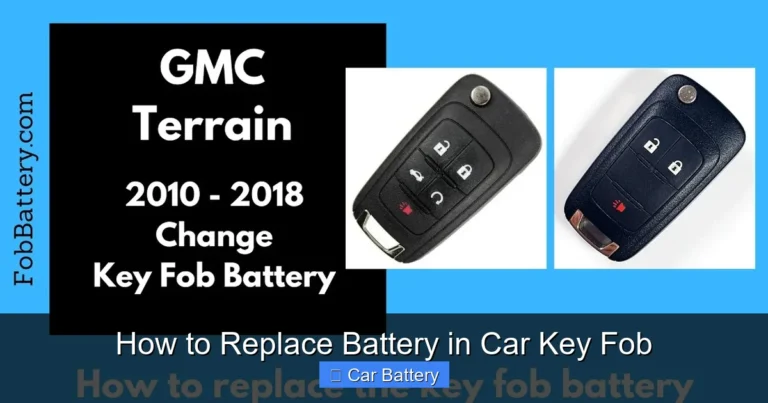
- Find the battery type: Most fobs use a CR2032 battery, but some use CR2025 or others. Check your owner’s manual or look up your fob model online.
- Open the fob: Use a small flathead screwdriver or a coin to gently pry open the fob. Be careful not to damage the casing.
- Remove the old battery: Note the orientation of the battery (positive side up or down) so you can install the new one correctly.
- Insert the new battery: Place the new battery in the same position and close the fob.
- Test the fob: Try locking and unlocking your car from a distance to confirm it’s working.
You can buy replacement batteries at most drugstores, electronics stores, or online for under $5. A pack of five usually costs less than $10.
Use a Spare Key Fob
If you have a spare key fob—and its battery is still good—you can use it to start the car. Many people keep a spare fob in their home or give one to a family member.
Just make sure the spare fob is programmed to your car. Some older fobs need to be reprogrammed by a dealer, but many modern fobs can be synced at home using a simple procedure.
Call Roadside Assistance (As a Last Resort)
If none of the above methods work, and you’re still unable to start your car, it might be time to call roadside assistance. They can help jump-start your car (if the issue is actually the car battery) or provide a tow to a service center.
But in most cases, a dead key fob battery can be resolved without professional help.
Can a Dead Car Battery Cause Similar Symptoms?
It’s easy to confuse a dead key fob battery with a dead car battery, especially since both can prevent your car from starting. But they’re very different problems with different solutions.
How to Tell the Difference
A dead car battery usually comes with other symptoms:
- Dim or flickering headlights
- Slow engine cranking or no cranking at all
- Electronics (like radio or dashboard lights) not working
- A clicking sound when you turn the key
In contrast, a dead key fob battery typically doesn’t affect the car’s electronics. The dashboard lights may still come on, and the radio might work—but the engine won’t start because the immobilizer isn’t detecting the fob.
If your car has power but won’t start, and the key fob seems unresponsive, the fob battery is the likely culprit.
Why Jump-Starting Won’t Help
You might think that jump-starting your car will solve the problem. But if the issue is the key fob battery, jump-starting won’t make a difference. The car’s battery might be fine, but the immobilizer still won’t allow the engine to start without a working fob.
So before you call for a jump, check your key fob. It could save you time and hassle.
How to Prevent a Dead Key Fob Battery
The best way to avoid being stranded by a dead key fob battery is to stay ahead of the problem. A little maintenance goes a long way.
Check the Battery Regularly
There’s no universal rule for how long a key fob battery lasts, but most last between 1 to 3 years. Factors like usage, temperature, and battery quality can affect lifespan.
Make it a habit to check your fob battery every 1–2 years. You can do this by testing the range or simply replacing the battery proactively.
Keep a Spare Battery Handy
Buy a pack of replacement batteries and keep one in your glove compartment, purse, or wallet. That way, if your fob dies unexpectedly, you can replace the battery on the spot.
Just make sure the spare battery is stored properly—away from moisture and extreme temperatures—to maintain its charge.
Use the Fob Responsibly
Avoid exposing your key fob to extreme heat or cold, which can drain the battery faster. Don’t leave it in direct sunlight on a hot day or in a freezing car overnight.
Also, avoid placing the fob near other electronic devices, like phones or tablets, which can interfere with its signal.
Consider a Key Fob Cover
A protective case or cover can help shield your fob from damage and extend its life. It also makes it easier to grip and less likely to be dropped.
Program a Spare Fob
If your car allows it, program a spare key fob and keep it in a safe place. This gives you a backup in case the primary fob fails.
Some cars let you program a spare fob yourself using a sequence of button presses. Others require a visit to the dealer. Check your owner’s manual for instructions.
Myths and Misconceptions About Key Fob Batteries
There are a lot of myths floating around about key fobs and car starting issues. Let’s clear up some of the most common ones.
Myth: A Dead Fob Battery Will Drain the Car Battery
This is false. The key fob and the car battery are completely separate systems. The fob uses its own tiny battery to send signals. It doesn’t draw power from the car.
So even if your fob battery is dead, it won’t affect your car’s electrical system.
Myth: You Need a Dealer to Replace the Battery
Not true. While dealers can replace the battery, you can easily do it yourself at home. It takes just a few minutes and costs a fraction of what a dealer would charge.
The only time you might need a dealer is if the fob needs reprogramming after battery replacement—but most modern fobs don’t require this.
Myth: All Cars Have the Same Backup Starting Method
Every car is different. The backup method for starting your car with a dead fob varies by make and model. Some require you to place the fob near the start button, others use a physical key slot, and some have a hidden compartment.
Always refer to your owner’s manual for the correct procedure.
Myth: A New Fob Is Expensive and Hard to Get
While replacing a lost or damaged fob can be costly—sometimes $200 or more—replacing just the battery is cheap and easy. And if you have a spare fob, you’re already covered.
So don’t panic if your fob battery dies. It’s a simple fix.
Conclusion: Stay Prepared, Stay Moving
A dead key fob battery can indeed cause a car not to start—especially in vehicles with keyless ignition systems. But it’s not the end of the world. With a little knowledge and preparation, you can handle the situation quickly and get back on the road.
Remember: your car needs to detect the key fob to start, and that requires a working battery. If your fob is acting up—reduced range, unresponsive buttons, or starting issues—check the battery first.
Keep a spare battery on hand, know your car’s backup starting method, and don’t confuse fob issues with car battery problems. A little maintenance goes a long way in preventing surprises.
So the next time you press the start button and nothing happens, don’t assume the worst. Check your key fob. It might just need a new battery—and five minutes of your time.
Frequently Asked Questions
Can a dead key fob battery prevent my car from starting?
Yes, a dead key fob battery can prevent your car from starting, especially if it uses a keyless ignition system. The car’s immobilizer won’t allow the engine to start if it can’t detect the fob.
How do I know if my key fob battery is dead?
Signs include reduced range, unresponsive buttons, a dashboard warning light, or intermittent starting issues. If your fob works only when very close to the car, the battery may be dying.
Can I start my car with a dead key fob battery?
Yes, most cars have a backup method, such as placing the fob near the start button or using a physical key blade to unlock the door and access a hidden starting spot.
How much does it cost to replace a key fob battery?
Replacement batteries cost under $10 and can be bought at most stores. You can replace it yourself in just a few minutes.
Will jump-starting my car fix a dead key fob issue?
No, jump-starting won’t help if the problem is the key fob battery. The car’s battery may be fine, but the immobilizer still needs a working fob to start the engine.
How often should I replace my key fob battery?
Most key fob batteries last 1–3 years. Check it every 1–2 years or when you notice performance issues like reduced range or unresponsive buttons.