Why Won’t My Key Turn in My Car
If your key won’t turn in the car ignition, it’s often due to a locked steering wheel, low battery, or worn key. Don’t force it—this can cause serious damage. Instead, try gentle troubleshooting steps like jiggling the wheel or cleaning the ignition cylinder.
Have you ever hopped into your car, inserted the key, and—nothing? No click, no turn, just a stubborn metal stick refusing to budge? It’s one of those moments that stops your day in its tracks. You’re late for work, rushing to pick up the kids, or just trying to run a quick errand, and suddenly your car feels like it’s playing a prank on you. The key won’t turn in the ignition, and you’re left staring at the dashboard, wondering what went wrong.
This frustrating issue is more common than you might think. In fact, it happens to drivers of all ages and vehicle types—from brand-new SUVs to trusty old sedans. While it can feel alarming, especially if you’re stranded, the good news is that most causes are preventable or fixable with a little know-how. The key (pun intended) is understanding why it’s happening in the first place. Is it mechanical? Electrical? Something simple you’ve overlooked? By diagnosing the root cause, you can often resolve the problem without calling a tow truck or spending hundreds at the repair shop.
In this guide, we’ll walk you through the most common reasons your key won’t turn in your car, how to troubleshoot each one, and when it’s time to call in the pros. Whether you’re dealing with a frozen ignition, a dead battery, or a worn-out key, we’ve got practical tips and real-world solutions to get you back on the road—safely and confidently.
In This Article
- 1 Key Takeaways
- 2 📑 Table of Contents
- 3 1. The Steering Wheel Lock: The #1 Culprit
- 4 2. Dead or Weak Car Battery
- 5 3. Worn or Damaged Key
- 6 4. Ignition Cylinder Wear and Tear
- 7 5. Dirt, Debris, and Moisture in the Ignition
- 8 6. Shift Interlock System Issues (Automatic Transmissions)
- 9 7. When to Call a Professional
- 10 Conclusion
- 11 Frequently Asked Questions
- 11.1 Why won’t my key turn even though the battery is fine?
- 11.2 Can a dirty ignition really stop my key from turning?
- 11.3 Is it safe to use WD-40 in my car’s ignition?
- 11.4 Why does my key get stuck in the ignition?
- 11.5 Can a worn key damage my car’s ignition?
- 11.6 Should I call a locksmith or a mechanic for ignition issues?
Key Takeaways
- Steering wheel lock is the most common cause: When the wheels are turned after parking, the steering column locks, preventing the key from turning.
- A dead or weak car battery can disable electronic ignitions: Even with a physical key, modern cars may not respond without sufficient power.
- Worn or damaged keys lose their shape over time: A bent or eroded key won’t engage the tumblers properly in the ignition cylinder.
- Ignition cylinder wear leads to mechanical failure: After thousands of insertions, internal components can degrade and jam.
- Debris and dirt clog the ignition slot: Dust, lint, or moisture can block the key’s path and prevent smooth rotation.
- Shift interlock issues affect automatic transmissions: If the car isn’t fully in Park, the ignition may refuse to release or turn the key.
- Professional help is needed for complex problems: If basic fixes don’t work, a certified mechanic or locksmith should inspect the system.
📑 Table of Contents
1. The Steering Wheel Lock: The #1 Culprit
One of the most frequent reasons your key won’t turn in the ignition is the steering wheel lock. This is a built-in safety feature designed to prevent theft. When you turn off your car and remove the key, the steering column can lock if the wheels are turned—even slightly—while the vehicle is parked. This happens because the internal mechanism engages when the steering wheel is under tension.
Imagine you park on a slight incline and turn the wheels toward the curb. When you shut off the engine, the steering wheel stays in that position. The next time you try to start the car, the lock prevents the ignition from turning because the system thinks the car is being tampered with.
How to Fix It:
Don’t force the key. Instead, gently jiggle the steering wheel left and right while simultaneously trying to turn the key. You’ll usually feel a slight release when the lock disengages. Apply steady pressure to the wheel—don’t jerk it—and turn the key slowly. In most cases, this simple maneuver will unlock the system and allow the key to rotate.
Pro Tip: To prevent this from happening, always try to park with the wheels straight. If you must turn them (like on a hill), turn the key to the “off” position before removing it, and then gently move the wheel back to center before pulling the key out.
2. Dead or Weak Car Battery
Visual guide about Why Won’t My Key Turn in My Car
Image source: i.ytimg.com
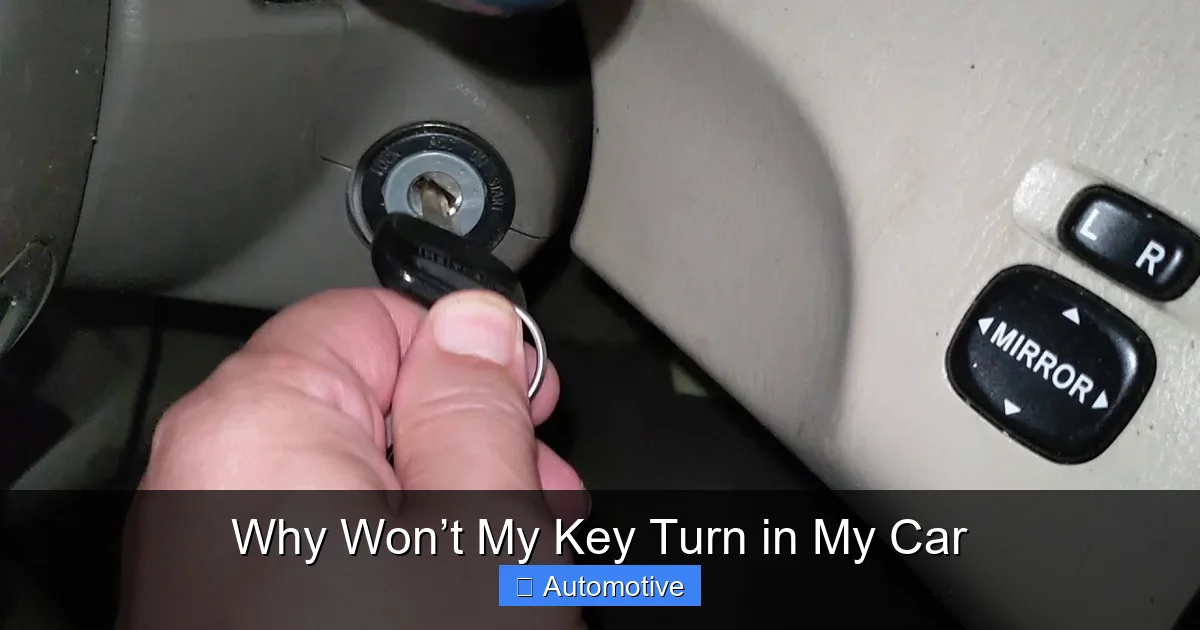
You might be thinking, “But I’m using a physical key—how can the battery matter?” Great question. While older cars rely purely on mechanical ignition systems, most modern vehicles use electronic components even when you’re using a traditional key. The ignition switch often requires a small amount of electrical power to engage, especially in cars with push-button starts or keyless entry systems.
If your battery is dead or extremely low, the car’s computer may not send the signal needed to allow the key to turn. You might hear a clicking sound, see dim dashboard lights, or notice that accessories like the radio or power windows aren’t working.
How to Diagnose:
Turn on your headlights. If they’re dim or don’t come on at all, your battery is likely the issue. You can also try using your car’s remote to unlock the doors. If it doesn’t respond, that’s another sign of low power.
How to Fix It:
Jump-start your car using jumper cables and another vehicle, or use a portable jump starter. Once the engine is running, let it idle for 15–20 minutes to recharge the battery. If the key turns after the jump, you’ve found your culprit.
Prevention Tip: Have your battery tested annually, especially if your car is more than three years old. Extreme temperatures—both hot and cold—can shorten battery life, so keep an eye on performance during seasonal changes.
3. Worn or Damaged Key
Visual guide about Why Won’t My Key Turn in My Car
Image source: i.ytimg.com
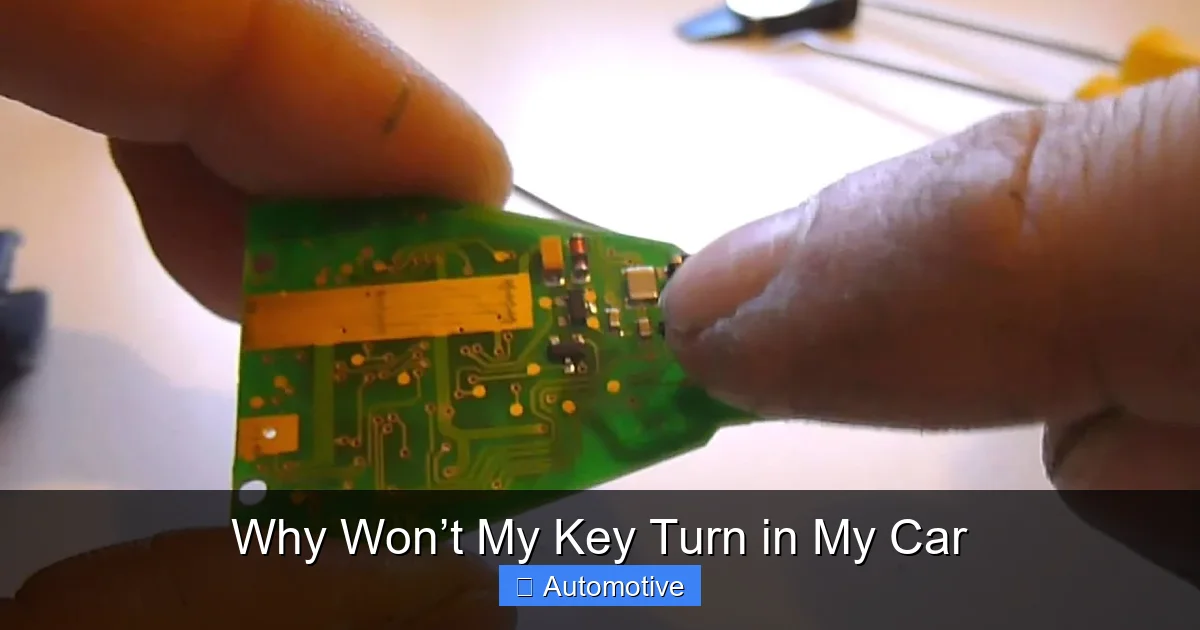
Your car key takes a beating. It’s tossed in pockets, dropped on the ground, used to open packages, and exposed to moisture and dirt. Over time, the metal can wear down, bend, or get scratched. When the key’s teeth become too smooth or misaligned, it can’t properly engage the tumblers inside the ignition cylinder.
This is especially common with older keys or if you’ve recently had a duplicate made from a worn original. A poorly cut copy can exacerbate the problem, making it harder to turn the key.
How to Spot a Worn Key:
Look closely at the key’s edges. Are the ridges smooth or rounded? Is the key bent or cracked? Compare it to a spare key if you have one. If the spare turns easily but the primary key doesn’t, the issue is likely the key itself.
How to Fix It:
Visit your dealership or a qualified locksmith to have a new key made. Many dealerships can cut a key from your vehicle’s VIN number, even if you don’t have the original. Avoid using cheap aftermarket keys—they’re often poorly made and can damage your ignition.
Pro Tip: Keep your key clean and dry. Avoid using it as a tool (like prying open bottles), and store it in a protective case when not in use. If you have a keychain with heavy items, consider lightening the load—excess weight can bend the key over time.
4. Ignition Cylinder Wear and Tear
Visual guide about Why Won’t My Key Turn in My Car
Image source: partsofacarengine.com
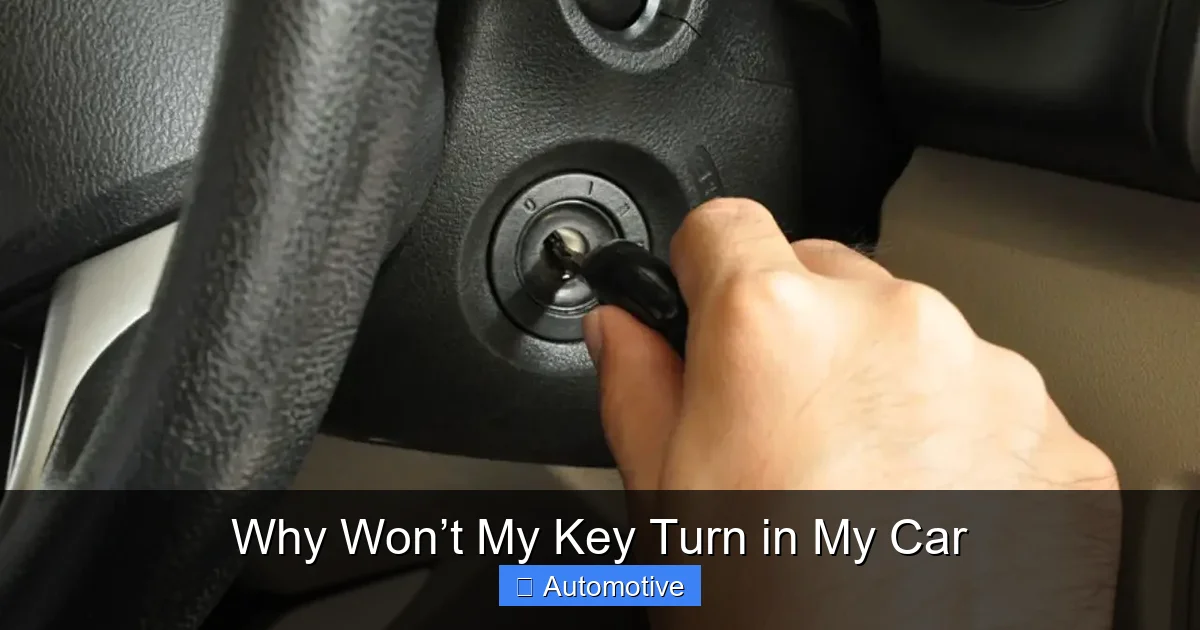
The ignition cylinder is the part of the steering column where you insert your key. It contains a series of tumblers and springs that must align perfectly for the key to turn. After thousands of insertions and rotations, these internal components can wear out, leading to stiffness, jamming, or complete failure.
Signs of a worn ignition cylinder include:
– The key turns with excessive force
– The key gets stuck in the “on” or “start” position
– The key won’t go in all the way
– You hear grinding or clicking when turning the key
How to Diagnose:
If the key goes in but won’t turn—even after trying the steering wheel trick—and the battery is fine, the cylinder may be the issue. Try inserting the key gently and wiggling it slightly. If it still won’t turn, avoid forcing it, as this can break the key or damage the cylinder further.
How to Fix It:
Replacing an ignition cylinder is a job best left to professionals. It often requires disassembling part of the steering column and may involve reprogramming the immobilizer system (especially in newer cars). A certified mechanic or automotive locksmith can assess the damage and recommend repair or replacement.
Prevention Tip: Avoid putting excessive pressure on the key when turning it. Use a light, steady motion. Also, keep the ignition slot clean—more on that next.
5. Dirt, Debris, and Moisture in the Ignition
It’s easy to overlook, but the ignition slot can collect all sorts of gunk over time. Dust, lint from pockets, food crumbs, and even moisture from humid weather can build up inside the cylinder. This debris can block the key’s path or interfere with the tumblers, preventing smooth rotation.
You might not see the problem, but even a small amount of buildup can cause big issues—especially in older cars or vehicles driven in dusty or rainy environments.
How to Clean the Ignition:
Turn off the car and remove the key. Use a can of compressed air to blow out the ignition slot. Hold the can upright and spray short bursts into the cylinder. Avoid using water or liquid cleaners, as they can cause corrosion.
For stubborn grime, you can use a small amount of electrical contact cleaner (available at auto parts stores). Spray a tiny amount into the slot, then insert and remove the key several times to work the cleaner in. Wipe the key clean with a dry cloth afterward.
Pro Tip: Don’t use WD-40 or other lubricants unless specifically designed for ignition systems. Many lubricants can attract more dirt or gum up the mechanism over time. Stick to products labeled for electrical or ignition use.
6. Shift Interlock System Issues (Automatic Transmissions)
If you drive an automatic car, the shift interlock system is designed to prevent you from removing the key unless the vehicle is in Park. This safety feature ensures the car can’t roll away unexpectedly. However, if the car isn’t fully shifted into Park—or if the interlock mechanism is faulty—the ignition may refuse to turn or release the key.
You might notice that the gear shifter feels loose or doesn’t click firmly into place. Or, the dashboard may show “Shift to Park” even when you think you’re in Park.
How to Fix It:
Try moving the gear shifter firmly into Park. Listen for a solid click. If it still won’t engage, gently wiggle the shifter while pressing the brake pedal. Sometimes, the linkage needs a little nudge to fully seat.
If that doesn’t work, check the brake pedal. The shift interlock often requires the brake to be pressed before the shifter can move. Make sure you’re pressing the brake fully.
When to Seek Help:
If the shifter feels broken or the car won’t recognize it’s in Park, there may be an electrical issue with the interlock solenoid or a problem with the transmission range sensor. These require professional diagnosis and repair.
7. When to Call a Professional
While many key-turning issues can be resolved with simple fixes, some problems are beyond the scope of DIY troubleshooting. If you’ve tried the steps above and your key still won’t turn, it’s time to call in the experts.
Signs you need professional help:
– The key is broken off in the ignition
– The ignition cylinder is visibly damaged or loose
– You hear grinding, clicking, or unusual noises when inserting the key
– The car starts intermittently or not at all
– You suspect an electrical or immobilizer issue
A certified mechanic or automotive locksmith has the tools and expertise to diagnose and repair complex ignition problems. They can also reprogram keys, replace cylinders, and ensure your car’s security system remains intact.
Final Tip: Keep your car’s maintenance up to date. Regular inspections can catch ignition wear before it becomes a major issue. And always have a spare key—just in case.
Conclusion
A key that won’t turn in your car is frustrating, but it’s rarely a sign of a catastrophic failure. More often than not, the cause is something simple—like a locked steering wheel, a dead battery, or a dirty ignition. By understanding the common culprits and knowing how to respond, you can often get your car started without breaking a sweat (or the bank).
Remember: never force the key. Applying too much pressure can bend the key, damage the ignition cylinder, or even break the key off inside the slot. Instead, stay calm, assess the situation, and try the gentle troubleshooting steps outlined above.
Prevention is always better than repair. Keep your key clean, avoid overloading your keychain, park with the wheels straight when possible, and have your battery and ignition system checked regularly. And if all else fails, don’t hesitate to call a professional—your safety and peace of mind are worth it.
With a little knowledge and the right approach, you’ll be back on the road in no time.
Frequently Asked Questions
Why won’t my key turn even though the battery is fine?
Even with a good battery, the key may not turn if the steering wheel is locked or the ignition cylinder is worn. Try jiggling the steering wheel while turning the key gently. If that doesn’t work, the issue could be mechanical wear or debris in the ignition.
Can a dirty ignition really stop my key from turning?
Yes. Dust, lint, and moisture can build up inside the ignition cylinder and block the key’s movement. Cleaning it with compressed air or electrical contact cleaner often resolves the issue.
Is it safe to use WD-40 in my car’s ignition?
No, WD-40 is not recommended for ignition systems. It can attract dirt and gum up the internal components. Use a cleaner specifically designed for electrical or ignition use instead.
Why does my key get stuck in the ignition?
This usually happens when the car isn’t fully in Park (for automatics) or if the ignition cylinder is worn. Make sure the shifter is firmly in Park and try gently wiggling the key while removing it.
Can a worn key damage my car’s ignition?
Yes. A bent or eroded key can scratch or wear down the tumblers inside the ignition cylinder, leading to bigger problems over time. Replace worn keys promptly.
Should I call a locksmith or a mechanic for ignition issues?
It depends. For key replacement or cylinder repair, a locksmith is often best. For electrical issues, immobilizer problems, or transmission-related concerns, a certified mechanic is the right choice.