Why My Car Key Is Not Working
If your car key isn’t working, don’t panic—it’s often a simple fix. From dead batteries to signal interference, this guide covers the most common reasons and how to solve them quickly.
In This Article
- 1 Key Takeaways
- 2 📑 Table of Contents
- 3 Why My Car Key Is Not Working: A Complete Guide to Troubleshooting and Fixes
- 4 Common Reasons Why Your Car Key Isn’t Working
- 5 How to Diagnose the Problem Step by Step
- 6 When to Call a Professional
- 7 Preventing Future Key Problems
- 8 Conclusion
- 9 Frequently Asked Questions
Key Takeaways
- Dead key fob battery: The most common cause of a non-working car key; replacing it usually solves the issue.
- Signal interference: Electronic devices or metal objects can block the key’s signal, preventing the car from responding.
- Damaged key fob: Physical damage or water exposure can disable internal components, requiring repair or replacement.
- Faulty ignition switch: If the key turns but the car won’t start, the ignition system may be the culprit.
- Programming issues: After battery replacement or replacement, the key may need to be reprogrammed to sync with the vehicle.
- Low car battery: A weak car battery can prevent the immobilizer system from recognizing the key.
- Mechanical key wear: Over time, physical keys can wear down, making them unable to turn the ignition or door lock.
📑 Table of Contents
Why My Car Key Is Not Working: A Complete Guide to Troubleshooting and Fixes
You’re running late for work, you’ve got your coffee in one hand and your keys in the other—only to find that your car key isn’t working. No beep, no unlock, no ignition. Frustrating, right? You’re not alone. Thousands of drivers face this exact problem every day, and while it can feel like the end of the world, the truth is that most car key issues have simple, fixable causes.
Modern car keys—especially key fobs with remote entry and push-button start—are packed with technology. While that makes them convenient, it also means more things can go wrong. From a dead battery to signal interference, the reasons your car key isn’t working can range from minor annoyances to more serious mechanical or electrical faults. The good news? Most of these problems can be diagnosed and resolved quickly, often without a trip to the dealership.
In this guide, we’ll walk you through the most common reasons why your car key might not be working, how to identify the issue, and what you can do about it. Whether you’re dealing with a traditional metal key, a remote fob, or a smart key, this article will help you get back behind the wheel with confidence.
Common Reasons Why Your Car Key Isn’t Working
Let’s start with the basics. When your car key stops working, it’s usually due to one of a handful of common issues. Understanding these can save you time, money, and a lot of stress.
1. Dead or Weak Key Fob Battery
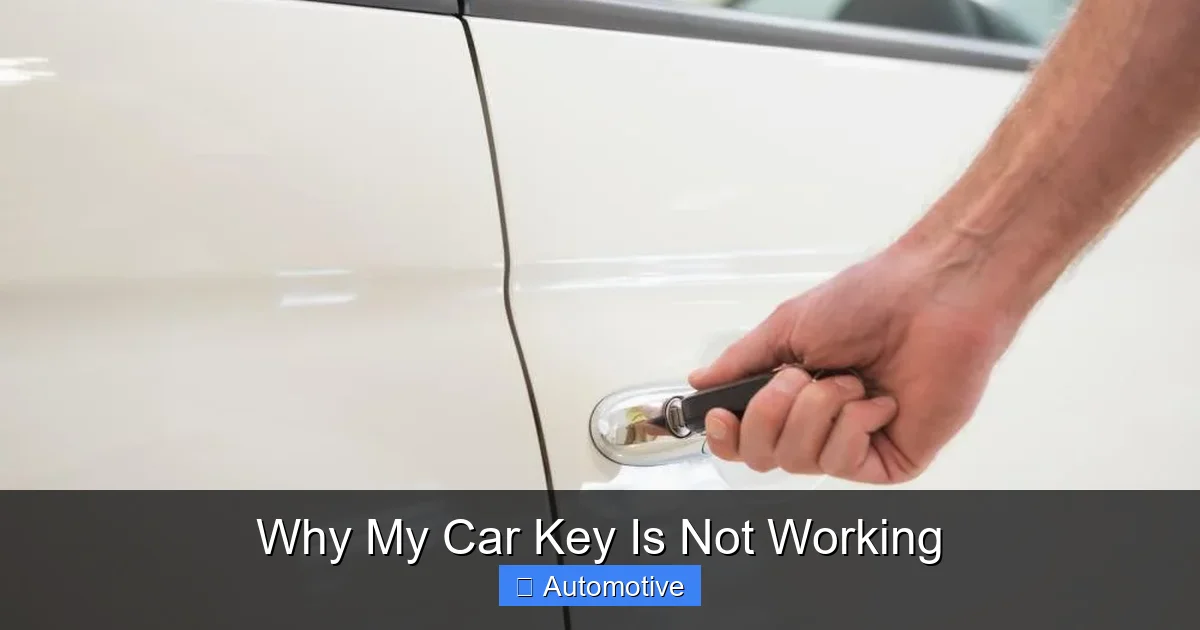
The most frequent reason your car key isn’t working is a dead battery in the key fob. Most key fobs use small coin-cell batteries (like CR2032) that last between 3 to 5 years. When the battery runs low, the fob may still unlock the doors from close range, but fail at a distance—or not work at all.
Visual guide about Why My Car Key Is Not Working
Image source: keymotive.com
For example, if you used to unlock your car from across the parking lot but now have to be right next to the door, that’s a classic sign of a weak battery. Some vehicles even display a warning on the dashboard, like “Key Fob Battery Low” or “Replace Key Battery.”
Quick Fix: Replace the battery. Most fobs have a small seam or button that allows you to pop open the casing. Use a small flathead screwdriver or a coin to gently pry it open. Remove the old battery, note its type, and insert a new one with the positive side facing up. Snap the fob back together and test it.
2. Signal Interference
Your key fob uses radio frequency (RF) signals to communicate with your car. But these signals can be blocked or disrupted by other electronic devices. Common sources of interference include:
- Smartphones, especially when placed near the key fob
- Power lines or electrical transformers
- Other key fobs (like in a crowded parking garage)
- Metal objects, such as a keychain full of heavy keys or a metal wallet
Imagine you’re in a busy shopping mall parking lot. You press the unlock button, but nothing happens. Then you move away from a cluster of cars and try again—success! That’s likely due to signal interference.
Quick Fix: Try holding the key fob directly against your head (yes, really!) while pressing the button. The human body can act as an antenna, boosting the signal. Alternatively, remove the key from a crowded keychain or keep it away from your phone. If the problem persists, move to a different location and test again.
3. Damaged or Water-Damaged Key Fob
Key fobs are durable, but they’re not indestructible. Dropping your fob, exposing it to extreme temperatures, or getting it wet can damage the internal circuitry. Water damage is especially common—think of that time you left your keys in your pocket during a rainstorm or accidentally washed them in the laundry.
Signs of damage include:
- Buttons that don’t click or respond
- Fob casing cracked or warped
- Corrosion inside the battery compartment
- Fob not working even with a new battery
Quick Fix: If the fob is wet, remove the battery immediately and let it dry completely for 24–48 hours. Use a hairdryer on low heat if needed, but avoid high heat. For physical damage, you may need to replace the fob. Some auto parts stores offer key fob repair services, or you can order a replacement from your dealership or online.
4. Faulty Ignition Switch or Steering Lock
If your key turns in the ignition but the car won’t start, or if the key won’t turn at all, the problem might be mechanical. Over time, the ignition switch can wear out, or the steering wheel lock may engage and prevent the key from turning.
This often happens when you’ve parked on an incline or turned the steering wheel too sharply after shutting off the engine. The steering lock engages, and when you return, the key won’t budge.
Quick Fix: Try jiggling the steering wheel left and right while gently turning the key. This can release the lock. If the key still won’t turn, the ignition cylinder may be worn and need replacement by a professional.
5. Programming or Sync Issues
Modern cars use immobilizer systems that require the key fob to be “married” to the vehicle’s computer. If the fob loses its programming—due to a battery change, electrical surge, or replacement—it won’t communicate with the car.
For example, after replacing the battery in your fob, you might find that the remote functions (like locking and unlocking) work, but the car won’t start when you press the start button. That’s a sign the fob needs to be reprogrammed.
Quick Fix: Some vehicles allow you to reprogram the fob yourself using a sequence of steps (like turning the key on and off, pressing buttons in a certain order). Check your owner’s manual for instructions. If that doesn’t work, you may need to visit a dealership or locksmith with the right tools.
6. Low Car Battery
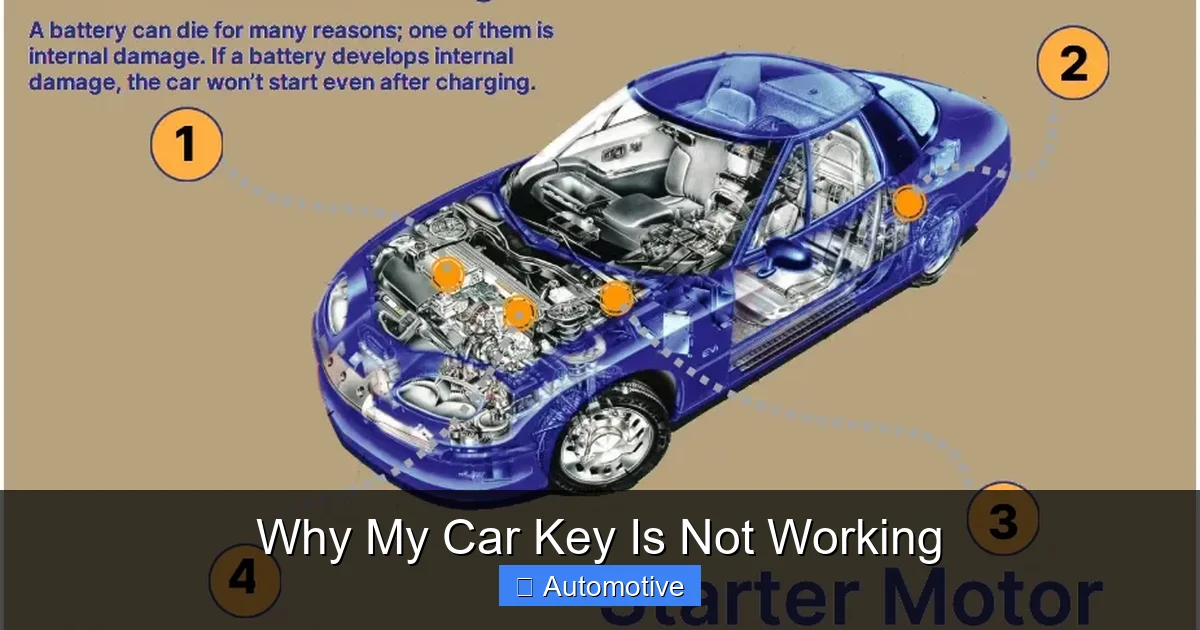
It might sound counterintuitive, but a weak car battery can prevent your key from working—especially with push-button start systems. The immobilizer and key recognition systems rely on power from the car’s battery. If the battery is too low, the car may not detect the key fob, even if it’s right next to the start button.
You might notice other signs of a weak car battery, such as dim headlights, slow engine cranking, or dashboard warning lights.
Quick Fix: Jump-start the car using jumper cables and another vehicle, or use a portable jump starter. Once the car is running, let it charge for at least 30 minutes. If the battery is old (typically 3–5 years), consider replacing it.
7. Worn or Damaged Physical Key
Even with advanced key fobs, many cars still use a physical key for the ignition or door lock. Over time, the metal can wear down, especially if you use the same key frequently. A worn key may not turn the lock properly or may get stuck.
You might also have a damaged key if it was bent, chipped, or exposed to extreme heat (like being left in a hot car).
Quick Fix: Try using a spare key if you have one. If the spare works, the original key is likely worn and needs to be duplicated. Visit a locksmith or dealership to get a new key cut. Avoid using pliers or force to turn a stuck key—this can damage the lock cylinder.
How to Diagnose the Problem Step by Step
Now that you know the common causes, let’s walk through a simple troubleshooting process to figure out exactly why your car key isn’t working.
Step 1: Test the Key Fob at Different Distances
Stand 10 feet away from your car and press the unlock button. Then move closer—5 feet, then right next to the door. If it works only when you’re close, the battery is likely weak. If it doesn’t work at all, the issue could be more serious.
Visual guide about Why My Car Key Is Not Working
Image source: unitedlocksmith.net
Step 2: Check for Dashboard Warnings
Turn the key to the “on” position (without starting the engine) and look at the dashboard. Are there any warning lights related to the key, battery, or immobilizer? Messages like “Key Not Detected” or “Check Key Fob” can point you in the right direction.
Step 3: Try the Physical Key
Most key fobs have a hidden physical key inside. Look for a small release button or slide mechanism. Pull out the metal key and try unlocking the door manually. If it works, the issue is with the fob, not the lock.
Step 4: Test the Car Battery
Turn on the headlights. Are they bright? Try starting the car. Does it crank slowly or not at all? If the car struggles to start, the battery may be the culprit—not the key.
Step 5: Look for Signs of Damage
Inspect the key fob for cracks, water stains, or corrosion. Check the key itself for bends or wear. If you see damage, that’s likely the cause.
Step 6: Try Reprogramming
If you’ve recently replaced the battery or the fob, try reprogramming it using the method in your owner’s manual. This often resolves sync issues.
When to Call a Professional
While many key issues can be fixed at home, some problems require professional help. Here’s when you should call a mechanic, locksmith, or dealership:
When the Key Fob Is Beyond Repair
If the fob is severely damaged, waterlogged, or no longer responds after battery replacement, it may need to be replaced. Dealerships can program new fobs, but they can be expensive. Independent locksmiths often offer cheaper alternatives, especially for older vehicles.
Visual guide about Why My Car Key Is Not Working
Image source: autotechiq.com
When the Ignition Cylinder Is Worn
If the key won’t turn in the ignition despite jiggling the steering wheel, the ignition cylinder may be worn. This requires specialized tools and knowledge to replace. A mechanic or locksmith can handle this safely.
When the Car’s Immobilizer System Is Faulty
The immobilizer is a security system that prevents the car from starting without the correct key. If it’s malfunctioning, the car may not recognize any key, even a working one. This requires diagnostic tools and expertise to fix.
When You’ve Lost All Keys
If you’ve lost your only key, you’ll need a replacement. Dealerships can create a new key using your vehicle’s VIN, but it can cost hundreds of dollars. A locksmith may be able to cut and program a key on-site for less.
Preventing Future Key Problems
An ounce of prevention is worth a pound of cure. Here are some tips to keep your car key working smoothly:
Replace the Battery Regularly
Don’t wait until the fob stops working. Replace the battery every 3–4 years, or when you notice reduced range. Keep spare batteries in your glove compartment.
Protect Your Key Fob
Use a protective case to prevent drops and scratches. Avoid exposing it to water, extreme heat, or cold. Don’t leave it in direct sunlight for long periods.
Keep It Away from Electronics
Store your key fob away from smartphones, tablets, and other electronic devices. Use a Faraday pouch (a signal-blocking wallet) if you’re concerned about hacking, but make sure it doesn’t interfere with normal use.
Use a Spare Key
Always have a spare key in a safe place—like at home or with a trusted friend. This can save you from being locked out or stranded.
Inspect Your Key Regularly
Check your physical key for wear and tear. If it’s getting thin or bent, get it duplicated before it breaks.
Conclusion
So, why is your car key not working? More often than not, it’s something simple—a dead battery, signal interference, or a worn key. With the right knowledge, you can diagnose and fix many of these issues yourself, saving time and money.
But remember, not all problems are DIY-friendly. If you’ve tried the basic fixes and your key still isn’t working, don’t hesitate to call a professional. Ignoring the issue could leave you stranded or, worse, compromise your car’s security.
By understanding how your key works and taking a few preventive steps, you can avoid most key-related headaches. Keep your fob charged, protect it from damage, and know when to seek help. With a little care, your car key will keep working reliably for years to come.
Frequently Asked Questions
Why won’t my car key turn in the ignition?
This is often due to a steering wheel lock or a worn ignition cylinder. Try jiggling the steering wheel while turning the key. If it still won’t turn, the ignition may need professional repair.
Can a dead car battery stop my key fob from working?
Yes. A weak car battery can prevent the immobilizer system from recognizing the key fob, especially in push-button start vehicles. Jump-start the car and let it charge.
How do I replace the battery in my key fob?
Most fobs have a seam or button to open the casing. Use a small tool to pop it open, remove the old battery, and insert a new one with the correct orientation. Snap it back together.
Why does my key fob work sometimes but not always?
Intermittent issues are often caused by a weak battery, signal interference, or a loose internal connection. Replace the battery and avoid storing the fob near electronics.
Can I reprogram my key fob myself?
Some vehicles allow DIY reprogramming using a sequence of key turns and button presses. Check your owner’s manual. If not, a locksmith or dealership can help.
What should I do if I’ve lost my car key?
Contact your dealership with your VIN to get a replacement, or call a locksmith. Having a spare key stored safely can prevent this situation.