Why Is My Tire Pressure Light On
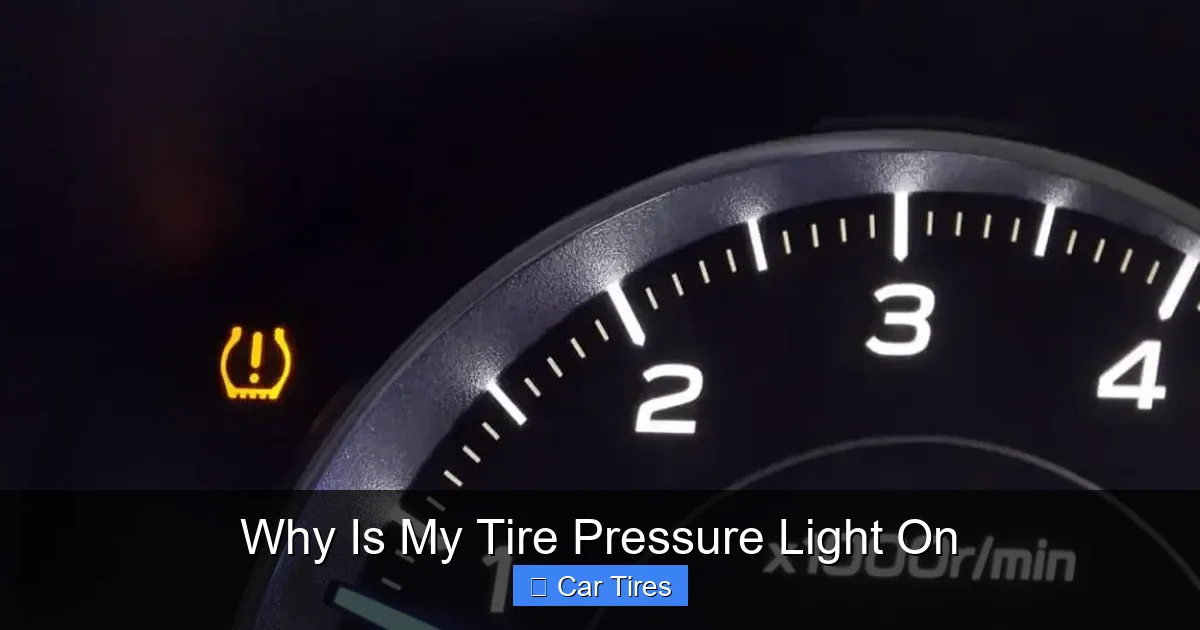
Your tire pressure light is a warning that one or more tires may be underinflated, which can lead to poor handling, reduced fuel efficiency, and even blowouts. This guide breaks down the most common reasons the light comes on—from temperature changes to slow leaks—and shows you how to respond safely and effectively.
In This Article
- 1 Key Takeaways
- 2 📑 Table of Contents
- 3 Why Is My Tire Pressure Light On? Understanding the Warning
- 4 How the Tire Pressure Monitoring System (TPMS) Works
- 5 Common Causes of the Tire Pressure Light
- 6 Risks of Driving with Low Tire Pressure
- 7 How to Respond When the Light Comes On
- 8 Preventing the Tire Pressure Light from Coming On
- 9 When to See a Professional
- 10 Conclusion
- 11 Frequently Asked Questions
- 11.1 Why is my tire pressure light on when my tires look fine?
- 11.2 Can I drive with the tire pressure light on?
- 11.3 How often should I check my tire pressure?
- 11.4 Will the tire pressure light go off after adding air?
- 11.5 Do all cars have a tire pressure monitoring system?
- 11.6 Can a dead TPMS sensor cause the light to stay on?
Key Takeaways
- Temperature changes affect tire pressure: Cold weather can cause the light to come on even if your tires were properly inflated before.
- Underinflated tires reduce fuel efficiency: Low pressure increases rolling resistance, making your engine work harder and burn more gas.
- A slow leak may be the culprit: Punctures, damaged valve stems, or worn rims can cause gradual air loss over time.
- The TPMS sensor could be faulty: Sensors can fail due to age, battery depletion, or damage, triggering false warnings.
- Improper inflation after maintenance is common: Mechanics or DIYers sometimes forget to reset the system or inflate tires correctly after service.
- Driving with low tire pressure is dangerous: It increases the risk of blowouts, hydroplaning, and loss of vehicle control.
- Regular checks prevent problems: Manually checking tire pressure monthly helps you catch issues before the light comes on.
📑 Table of Contents
- Why Is My Tire Pressure Light On? Understanding the Warning
- How the Tire Pressure Monitoring System (TPMS) Works
- Common Causes of the Tire Pressure Light
- Risks of Driving with Low Tire Pressure
- How to Respond When the Light Comes On
- Preventing the Tire Pressure Light from Coming On
- When to See a Professional
- Conclusion
Why Is My Tire Pressure Light On? Understanding the Warning
You’re driving along, enjoying your morning commute, when suddenly—a little yellow or orange icon shaped like a tire with an exclamation point lights up on your dashboard. It’s the tire pressure monitoring system (TPMS) warning light, and it’s trying to tell you something important: one or more of your tires may not have enough air.
At first glance, it might seem like a minor annoyance. But ignoring this warning can lead to serious consequences. The TPMS is designed to keep you safe by alerting you when tire pressure drops below the recommended level—usually 25% or more under the ideal PSI (pounds per square inch). Whether you’re cruising down the highway or navigating city streets, proper tire inflation affects everything from handling and braking to fuel economy and tire lifespan.
So why does this light come on? The reasons vary, but most fall into a few common categories: environmental factors, mechanical issues, sensor problems, or simple human error. Understanding these causes is the first step toward fixing the problem and keeping your vehicle safe. In this guide, we’ll walk you through each possibility, explain how to respond, and share practical tips to prevent the light from flashing again.
How the Tire Pressure Monitoring System (TPMS) Works
Visual guide about Why Is My Tire Pressure Light On
Image source: auto-types.com
Before diving into why your tire pressure light is on, it helps to understand how the system detects low pressure in the first place. Modern vehicles come equipped with a Tire Pressure Monitoring System (TPMS), which is required by law in the U.S. for all cars and light trucks made after September 2007. This system continuously monitors the air pressure in your tires and alerts you when something’s off.
There are two main types of TPMS: direct and indirect.
Direct TPMS
Direct TPMS uses sensors mounted inside each tire, usually attached to the valve stem or wheel rim. These sensors measure the actual air pressure and sometimes temperature, then transmit that data wirelessly to your car’s computer. When pressure drops below the recommended threshold—typically around 25% under the manufacturer’s specification—the system triggers the dashboard warning light.
One advantage of direct TPMS is accuracy. Because it reads real pressure levels, it can detect even small changes. Many systems also display individual tire pressures on the dashboard or infotainment screen, so you know exactly which tire is low. However, these sensors run on small batteries that last about 5 to 10 years. Once the battery dies, the sensor may stop working, leading to a persistent or false warning light.
Indirect TPMS
Indirect TPMS doesn’t use physical pressure sensors. Instead, it relies on your car’s anti-lock braking system (ABS) wheel speed sensors. When a tire is underinflated, it has a slightly smaller diameter and rotates faster than the others. The ABS system detects this difference in rotation speed and interprets it as low pressure, triggering the warning light.
While indirect TPMS is less expensive and doesn’t require battery-powered sensors, it’s also less precise. It can’t tell you which tire is low or how much pressure is lost. It also needs to be reset after every tire inflation or rotation, or it may give false alerts. Because of these limitations, most newer vehicles use direct TPMS for better reliability.
When the Light Comes On: What It Means
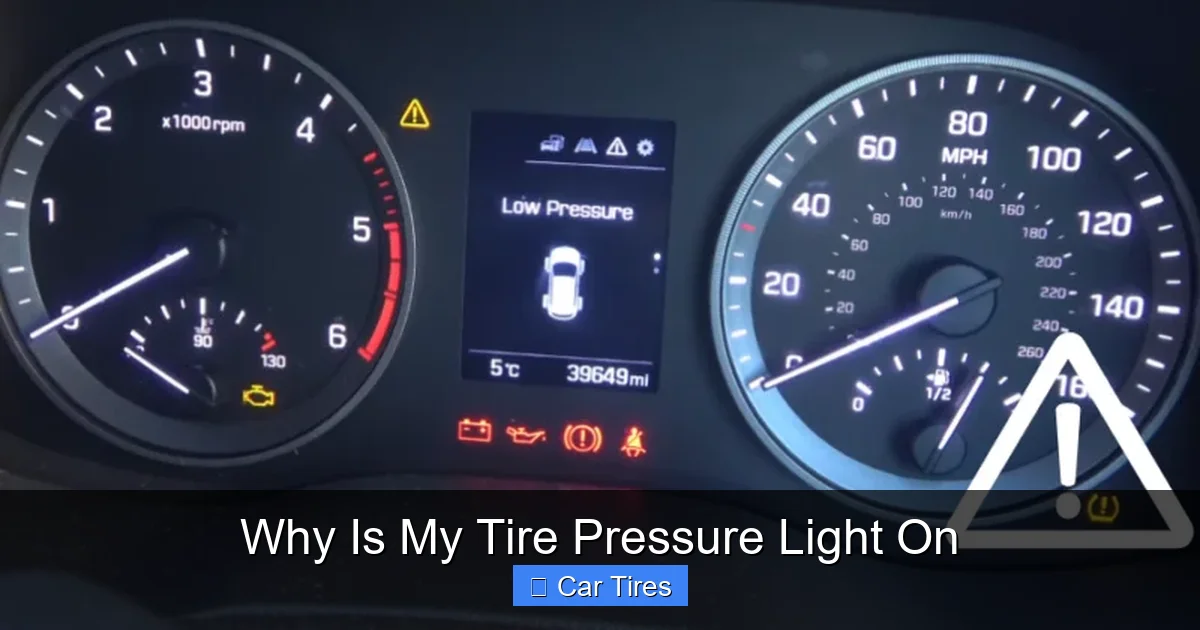
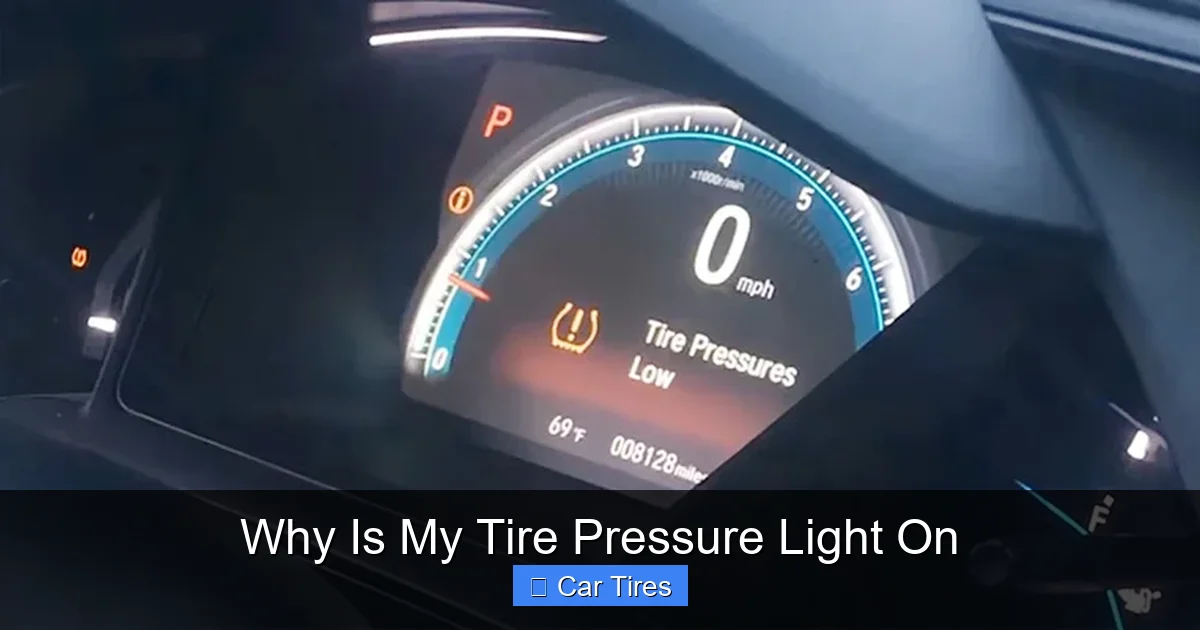
The tire pressure light can appear in different ways depending on your vehicle. Some cars show a simple warning icon, while others display a message like “Check Tire Pressure” or “Low Tire Pressure.” In some models, the light may flash for a minute before staying on—this often indicates a system malfunction rather than low pressure.
Regardless of the display, the message is clear: your tires may not be inflated correctly. But don’t panic. The light doesn’t always mean you have a flat tire or a major leak. Sometimes, it’s as simple as a drop in temperature or a sensor glitch. The key is to respond promptly and check your tires as soon as it’s safe to do so.
Common Causes of the Tire Pressure Light
Visual guide about Why Is My Tire Pressure Light On
Image source: etags.com
Now that you know how the system works, let’s explore the most common reasons your tire pressure light might be on. Understanding these causes will help you diagnose the issue quickly and take the right action.
Temperature Changes
One of the most frequent—and often overlooked—reasons the tire pressure light comes on is a drop in temperature. Air contracts when it gets cold, which means tire pressure decreases as the weather cools down. For every 10°F (5.5°C) drop in temperature, tire pressure can drop by about 1 PSI.
This is especially common in fall and winter. You might have properly inflated your tires in the summer, but by November, the light could be on—even if there’s no leak. For example, if your tires were at 35 PSI in 70°F weather, they could drop to 32 PSI when the temperature hits 40°F. If your vehicle’s recommended pressure is 35 PSI, that 3 PSI drop might be enough to trigger the warning.
This doesn’t mean you have a problem with your tires or TPMS. It just means the air inside has cooled and contracted. The solution? Inflate your tires to the correct pressure when they’re cold (before driving more than a mile or two). Once you do, the light should turn off after a few minutes of driving.
Slow Leaks or Punctures
Another common cause is a slow leak. Unlike a sudden flat, a slow leak allows air to escape gradually—over days or even weeks. This can happen for several reasons:
– A nail, screw, or piece of debris stuck in the tread
– A damaged or corroded valve stem
– A cracked or bent wheel rim
– A worn tire bead (the edge that seals against the rim)
– A faulty or aging TPMS sensor
Even a tiny puncture can cause enough air loss to trigger the warning light. For instance, a small nail might only let out a little air each day, but over time, the pressure drops significantly. If you notice the light comes on and stays on—even after inflating the tires—it’s likely a slow leak.
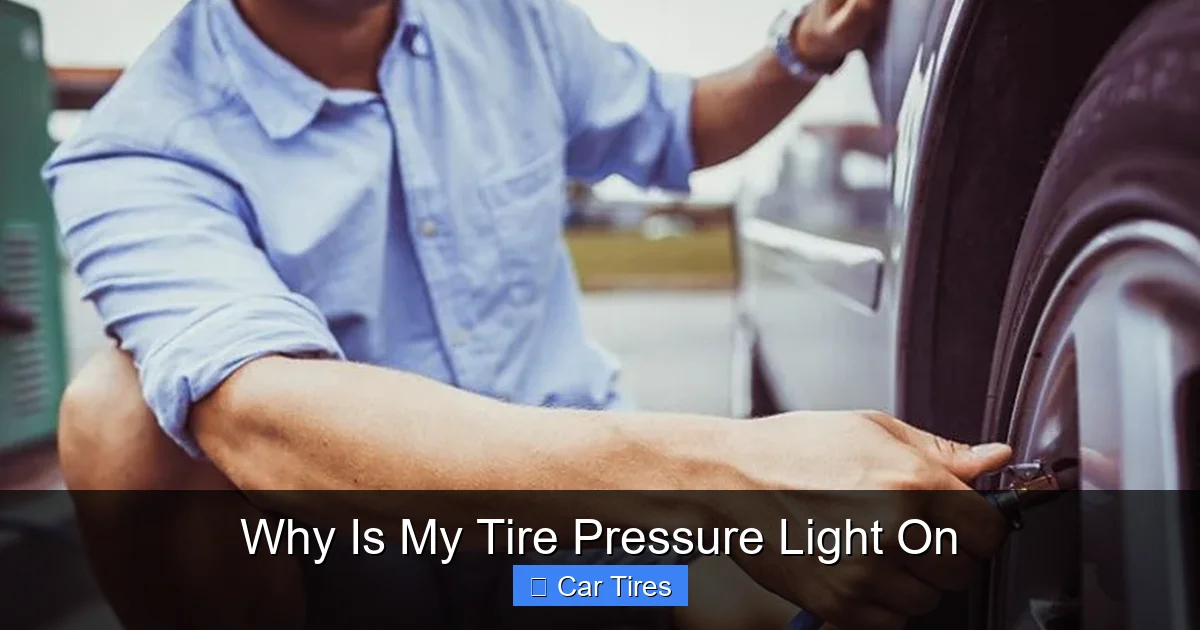
To check, inspect each tire for visible damage. Look for nails, screws, or cracks in the sidewall. You can also use soapy water: spray it on the tire, valve stem, and rim. If bubbles form, you’ve found the leak. In many cases, a tire repair shop can fix a small puncture with a plug or patch. But if the valve stem or rim is damaged, you may need a replacement.
Improper Inflation After Maintenance
Have you recently had your tires rotated, replaced, or serviced? If so, the tire pressure light might be on simply because the tires weren’t inflated correctly afterward. Mechanics and DIYers sometimes forget to check or adjust the pressure after working on the wheels.
For example, let’s say you had a flat tire repaired and the technician replaced the valve stem. If they didn’t inflate the tire to the proper PSI or forgot to reset the TPMS, the light could stay on. The same thing can happen after a tire rotation—especially if the technician didn’t check each tire individually.
This is an easy fix. Just check your owner’s manual or the sticker on the driver’s side door jamb for the recommended tire pressure. Then, use a reliable tire gauge to check each tire when they’re cold. Inflate as needed, and the light should turn off within a few minutes of driving.
Faulty or Dead TPMS Sensors
TPMS sensors aren’t built to last forever. Most have a battery life of 5 to 10 years. Once the battery dies, the sensor can’t transmit data, and the system may interpret this as low pressure—triggering the warning light.
Other issues can also cause sensor failure:
– Corrosion from road salt or moisture
– Physical damage during tire mounting or dismounting
– Software glitches or communication errors
If the light comes on and you’ve confirmed all tires are properly inflated, a faulty sensor could be the culprit. Some vehicles will show a flashing TPMS light, which often indicates a system malfunction rather than low pressure.
Replacing a TPMS sensor isn’t always cheap—typically $50 to $150 per sensor, plus labor. But it’s necessary to restore accurate monitoring. Some newer sensors are programmable and can be reset with a scan tool, while older ones may need to be replaced entirely.
Seasonal Tire Changes
If you switch between summer and winter tires, the tire pressure light might come on after the change. This happens for two reasons:
1. The new tires may not have been inflated to the correct pressure.
2. The TPMS wasn’t reset after the swap.
Winter tires, for example, are often mounted on different wheels with their own TPMS sensors. If the system doesn’t recognize the new sensors or the pressure is off, the light will activate.
Always check tire pressure after changing tires—even if they’re brand new. And if your vehicle requires it, use a TPMS reset tool or visit a service center to relearn the sensor positions.
Risks of Driving with Low Tire Pressure
Visual guide about Why Is My Tire Pressure Light On
Image source: hondatheotherside.com
Ignoring the tire pressure light isn’t just inconvenient—it’s dangerous. Driving with underinflated tires can lead to a range of problems, from reduced fuel efficiency to catastrophic tire failure.
Reduced Fuel Efficiency
Underinflated tires create more rolling resistance. This means your engine has to work harder to move the car forward, which burns more fuel. According to the U.S. Department of Energy, driving with tires that are 20% underinflated can reduce fuel economy by up to 3%.
Over time, that adds up. If you drive 15,000 miles a year and gas costs $3.50 per gallon, a 3% drop in efficiency could cost you over $100 annually. Properly inflated tires not only save money but also reduce your carbon footprint.
Poor Handling and Braking
Tires that are low on air don’t grip the road as well. This affects your car’s handling, especially during turns, sudden stops, or wet conditions. You might notice the steering feels sluggish or the car pulls to one side.
Braking distance also increases. Underinflated tires have a larger contact patch with the road, which sounds good—but it actually reduces traction and can lead to longer stopping distances. In an emergency, this could mean the difference between stopping in time and a collision.
Increased Risk of Blowouts
This is the most serious risk. When a tire is underinflated, the sidewalls flex more than they’re designed to. This generates excess heat, which can weaken the tire structure over time. Eventually, the tire may fail—often suddenly and violently.
A blowout at highway speeds is extremely dangerous. It can cause you to lose control of the vehicle, especially if it happens on a front tire. According to the National Highway Traffic Safety Administration (NHTSA), underinflated tires contribute to thousands of accidents each year.
Uneven Tire Wear
Low pressure also causes uneven wear. The edges of the tire (shoulders) bear more weight than the center, leading to faster wear on the sides. This not only shortens the life of your tires but can also affect alignment and suspension components.
Replacing tires prematurely is expensive. A set of four quality tires can cost $400 to $1,000 or more. Regular pressure checks can help you get the most out of your investment.
Hydroplaning in Wet Conditions
Underinflated tires are more prone to hydroplaning—when a layer of water builds up between the tire and the road, causing a loss of traction. Properly inflated tires have grooves that channel water away, maintaining contact with the road. But when pressure is low, the tread can’t do its job as effectively, increasing the risk of sliding on wet pavement.
How to Respond When the Light Comes On
So your tire pressure light is on. What should you do? Follow these steps to stay safe and resolve the issue quickly.
Step 1: Pull Over Safely
As soon as you see the light, find a safe place to pull over—like a gas station, parking lot, or rest area. Don’t ignore it or wait until your next stop. The sooner you check, the better.
Step 2: Check Tire Pressure
Use a reliable tire pressure gauge to check each tire. Make sure the tires are cold (not driven for at least 3 hours) for an accurate reading. Compare the readings to the recommended PSI listed in your owner’s manual or on the door jamb sticker.
If one or more tires are low, inflate them to the correct pressure. Most gas stations have air pumps with built-in gauges. Some even let you set the desired PSI and automatically stop when it’s reached.
Step 3: Inspect for Damage
While you’re checking pressure, look for signs of damage:
– Nails, screws, or other objects in the tread
– Cracks, bulges, or cuts in the sidewall
– Damaged or corroded valve stems
– Loose or missing valve caps
If you find a puncture or damage, don’t drive on the tire. Use your spare tire or call for roadside assistance.
Step 4: Reset the TPMS (If Needed)
After inflating the tires, the light should turn off within a few minutes of driving. If it doesn’t, your vehicle may need a TPMS reset. This process varies by make and model. Some cars have a reset button under the steering wheel or in the settings menu. Others require a scan tool.
Check your owner’s manual for instructions. If you’re unsure, visit a tire shop or dealership—they can reset the system for you.
Step 5: Monitor the Light
Even after the light goes off, keep an eye on it. If it comes back on, there may be a slow leak or sensor issue. Recheck the pressure and consider having a professional inspect the tires.
Preventing the Tire Pressure Light from Coming On
The best way to deal with the tire pressure light is to prevent it from coming on in the first place. A little maintenance goes a long way.
Check Tire Pressure Monthly
Make it a habit to check your tire pressure at least once a month. Use a quality gauge—digital gauges are more accurate than pencil-style ones. Check when the tires are cold for the most reliable reading.
Adjust for Temperature Changes
In colder months, check your tires more frequently. If the temperature drops significantly, add a little extra air to compensate. Remember: for every 10°F drop, pressure decreases by about 1 PSI.
Inspect Tires Regularly
Look for signs of wear, damage, or embedded objects. Rotate your tires every 5,000 to 7,500 miles to promote even wear. And always have your tires balanced and aligned as recommended.
Replace Aging TPMS Sensors
If your car is over 7 years old, consider having the TPMS sensors checked. Many shops offer sensor replacement as part of tire service. Replacing them before they fail can prevent unexpected warnings.
Use the Right Tires for the Season
If you live in an area with harsh winters, switch to winter tires when temperatures consistently drop below 45°F. Make sure they’re properly inflated and the TPMS is reset after installation.
When to See a Professional
While many tire pressure issues can be resolved at home, some require expert help. Visit a tire shop or mechanic if:
– The light stays on after inflating the tires
– You suspect a slow leak but can’t find the source
– The TPMS sensor needs replacement
– You notice uneven wear or damage
– The light flashes or behaves erratically
Professionals have the tools and expertise to diagnose and fix complex issues. Don’t hesitate to seek help—your safety is worth it.
Conclusion
The tire pressure light is more than just a dashboard annoyance—it’s a vital safety feature designed to protect you, your passengers, and your vehicle. Whether it’s triggered by cold weather, a slow leak, or a faulty sensor, understanding why it comes on empowers you to respond quickly and correctly.
By checking your tire pressure regularly, inspecting for damage, and addressing issues promptly, you can keep your tires in top condition and avoid the risks of underinflation. Remember: proper tire care improves fuel efficiency, extends tire life, and most importantly, keeps you safe on the road.
So the next time that little yellow light appears, don’t ignore it. Take a few minutes to check your tires. It’s a small effort that can make a big difference.
Frequently Asked Questions
Why is my tire pressure light on when my tires look fine?
The light can come on due to temperature changes, slow leaks, or sensor issues—even if the tires appear normal. Air contracts in cold weather, and small punctures may not be visible. Always check the pressure with a gauge.
Can I drive with the tire pressure light on?
You can drive a short distance to a safe location, but avoid long trips or high speeds. Driving with low pressure increases the risk of blowouts, poor handling, and reduced fuel efficiency.
How often should I check my tire pressure?
Check your tire pressure at least once a month and before long trips. Also check it when the temperature changes significantly, as cold weather can cause pressure drops.
Will the tire pressure light go off after adding air?
Yes, in most cases. After inflating the tires to the correct PSI, the light should turn off within a few minutes of driving. If it doesn’t, the system may need a reset or there could be a sensor issue.
Do all cars have a tire pressure monitoring system?
In the U.S., all passenger vehicles made after September 1, 2007, are required to have TPMS. Older cars may not have it, but you can install aftermarket systems for added safety.
Can a dead TPMS sensor cause the light to stay on?
Yes. When a TPMS sensor’s battery dies, it can’t transmit data, and the system may interpret this as low pressure. Replacing the sensor usually resolves the issue.