Why Is My Car Key Stuck in the Ignition

Finding your car key stuck in the ignition can be frustrating and stressful, especially when you’re in a hurry. This guide explores the most common reasons behind this issue—from steering wheel locks to faulty ignition switches—and offers practical, step-by-step solutions to resolve it safely.
In This Article
- 1 Key Takeaways
- 2 📑 Table of Contents
- 3 Why Is My Car Key Stuck in the Ignition? Understanding the Frustration
- 4 How the Car Ignition System Works
- 5 Common Causes of a Stuck Car Key
- 6 Step-by-Step Troubleshooting Guide
- 7 Preventing Future Key Sticking Issues
- 8 When to Call a Professional
- 9 Conclusion
- 10 Frequently Asked Questions
- 10.1 Why is my car key stuck in the ignition even though the car is in Park?
- 10.2 Can a dead battery cause my key to get stuck?
- 10.3 Is it safe to use lubricant in the ignition cylinder?
- 10.4 What should I do if my key breaks off in the ignition?
- 10.5 Can I prevent my key from getting stuck in the future?
- 10.6 Why won’t my key turn at all, even when starting the car?
Key Takeaways
- Steering wheel lock engagement: Turning the wheel after removing the key can lock it in place; gently wiggle the wheel while turning the key to release it.
- Faulty ignition cylinder: Wear and tear over time can cause internal components to jam, preventing the key from turning or ejecting.
- Shift interlock system issues: If your car is not fully in Park (automatic) or Neutral (manual), the key may not release due to safety mechanisms.
- Low battery or electrical problems: Weak car batteries can disrupt electronic signals needed to disengage the ignition lock.
- Debris or dirt buildup: Dust, lint, or grime inside the ignition cylinder can obstruct key movement; regular cleaning helps prevent this.
- Key wear or damage: A bent, worn, or damaged key may not align properly with internal tumblers, causing it to stick.
- Professional help is key: If DIY fixes fail, consult a certified locksmith or mechanic to avoid damaging your vehicle’s ignition system.
📑 Table of Contents
Why Is My Car Key Stuck in the Ignition? Understanding the Frustration
You’re ready to head out—grab your keys, start the car, and… wait. The key won’t come out of the ignition. Your heart sinks. You wiggle it, jiggle the steering wheel, maybe even try turning the car back on and off again. Nothing works. Sound familiar?
This is one of those automotive annoyances that seems minor but can quickly escalate into a major hassle. Whether you’re late for work, picking up your kids, or just trying to run a quick errand, a stuck car key can throw your entire day off track. The good news? In most cases, it’s not a sign of a serious mechanical failure—just a common issue with a fixable cause.
Understanding why your car key is stuck in the ignition is the first step toward solving the problem quickly and safely. Modern vehicles come equipped with a range of safety and security features designed to prevent accidents and theft. While these systems are helpful, they can sometimes malfunction or interact in unexpected ways, leading to a key that refuses to budge. From simple user errors to worn-out parts, the reasons vary—but the solutions are often straightforward.
In this guide, we’ll walk you through the most common causes of a stuck car key, explain how your vehicle’s ignition system works, and provide practical, actionable steps to get your key out without damaging your car. We’ll also cover when it’s time to call in a professional. By the end, you’ll be equipped with the knowledge to handle this situation calmly and confidently—no panic required.
How the Car Ignition System Works
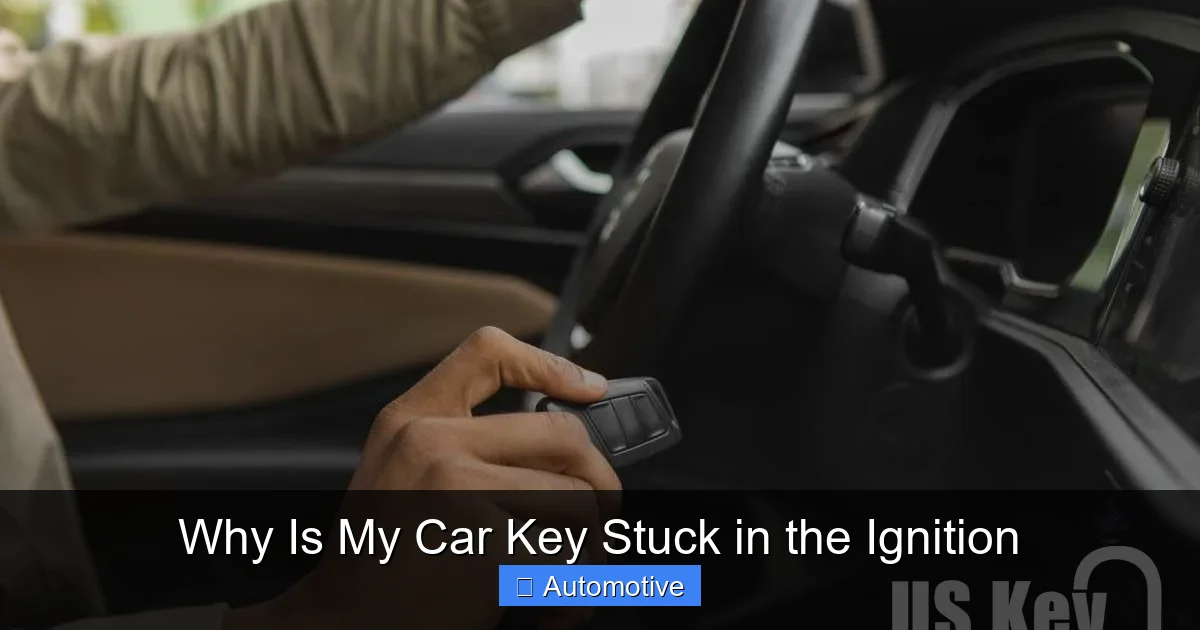
Visual guide about Why Is My Car Key Stuck in the Ignition
Image source: uskeyservice.com
Before diving into the reasons your key might be stuck, it helps to understand how the ignition system functions. Think of the ignition as the heart of your car’s starting process. It’s not just a slot where you insert a key—it’s a complex mechanism that communicates with multiple safety and electrical systems.
When you insert your key and turn it, the ignition cylinder rotates, sending a signal to the vehicle’s computer. This tells the engine to start, the steering wheel to unlock, and the transmission to engage (if applicable). In modern cars, especially those with automatic transmissions, the ignition is linked to a shift interlock system. This safety feature ensures the car is in Park before the key can be removed, preventing accidental rollaways.
The ignition cylinder itself contains a series of tiny tumblers or pins that align only when the correct key is inserted. Over time, these components can wear down, especially if the same key is used daily. Dirt, moisture, or even a slightly bent key can interfere with this alignment, making it harder to turn or remove the key.
Additionally, many vehicles now use electronic immobilizers and smart keys. Even if you have a traditional key, your car may still rely on electronic signals to confirm the key’s legitimacy. A weak battery or faulty sensor can disrupt this communication, causing the system to “lock” the key in place as a security measure.
Understanding these components helps explain why a stuck key isn’t always just a mechanical issue—it can be electrical, software-related, or a combination of factors. The more you know about how your car’s ignition works, the better you can troubleshoot when something goes wrong.
Common Causes of a Stuck Car Key
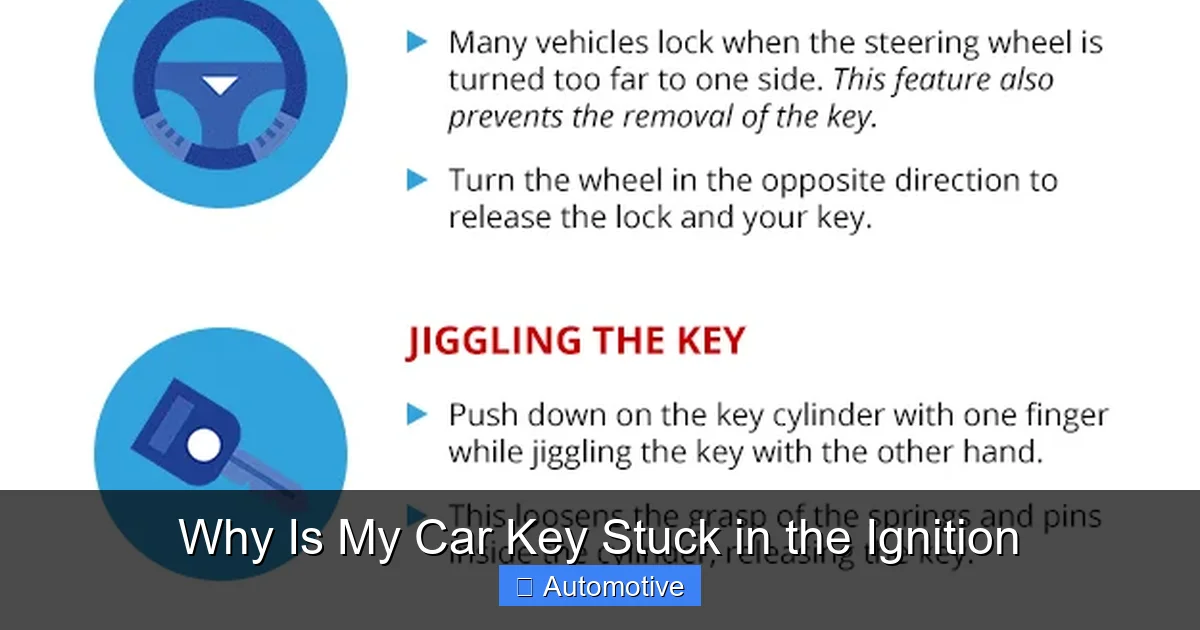
Visual guide about Why Is My Car Key Stuck in the Ignition
Image source: ernieslock.com
Now that you have a basic grasp of how the ignition system operates, let’s explore the most frequent reasons your car key might refuse to come out. While it’s tempting to blame the key itself, the issue is often rooted in one of several underlying causes—many of which are easy to identify and fix.
1. Steering Wheel Lock Engagement
One of the most common—and easily overlooked—reasons for a stuck key is the steering wheel lock. This is a built-in safety feature designed to prevent theft. When you turn off your car and remove the key, the steering wheel can lock in place if it’s turned too far to one side. The next time you try to remove the key, the lock mechanism may prevent it from coming out because the wheel is under tension.
This often happens when you park on a slope or turn the wheel sharply while exiting the vehicle. The lock engages, and unless you release that tension, the key won’t budge.
How to fix it: Gently wiggle the steering wheel left and right while simultaneously trying to turn the key to the “off” position and pull it out. You don’t need to force it—just apply steady pressure. Once the wheel shifts slightly, the lock should release, and the key should come free.
2. Shift Interlock System Malfunction
In automatic transmission vehicles, the shift interlock system is a critical safety feature. It ensures the car is in Park before allowing the key to be removed. If the shifter isn’t fully seated in Park—perhaps it’s between Park and Reverse—the system may refuse to release the key.
This can happen if you’re in a hurry and don’t push the shifter all the way into Park, or if the linkage between the shifter and transmission becomes misaligned over time.
How to fix it: Make sure the shifter is fully in Park. Try moving it slightly forward and backward to ensure it’s seated. If that doesn’t work, try turning the key to the “accessory” position first, then back to “off,” and attempt removal again. Some cars also have a manual override—check your owner’s manual for a small button or lever near the shifter that can release the key in emergencies.
3. Worn or Damaged Ignition Cylinder
Over years of use, the internal components of the ignition cylinder can wear down. The tumblers that align with your key may become misaligned or stuck, especially if the key is old or bent. This wear can prevent the cylinder from rotating fully, trapping the key inside.
You might notice that the key feels stiff when turning, or that it takes multiple attempts to start the car. These are early warning signs of cylinder wear.
How to fix it: Try using a spare key if you have one—sometimes a newer or less worn key can turn more smoothly. If the problem persists, the ignition cylinder may need to be repaired or replaced by a professional. Forcing the key can damage the cylinder further, so avoid excessive pressure.
4. Low Battery or Electrical Issues
Believe it or not, a weak car battery can cause your key to get stuck. Modern vehicles rely on electronic signals to confirm the key’s position and authorize removal. If the battery is low, these signals may not transmit properly, causing the system to “think” the car is still running or in gear.
This is especially common in cars with push-button start systems, but it can also affect traditional key ignitions with electronic locks.
How to fix it: Check your battery voltage with a multimeter or have it tested at an auto shop. If the battery is weak, try jump-starting the car or replacing the battery. Once power is restored, the key should release normally.
5. Debris or Dirt in the Ignition Cylinder
Dust, lint, crumbs, and even moisture can accumulate inside the ignition cylinder over time. This buildup can interfere with the smooth movement of the key, causing it to jam or stick.
This is particularly common in vehicles driven in dusty environments or stored in garages with poor ventilation.
How to fix it: Use a can of compressed air to blow out the ignition cylinder. Avoid using oil or lubricants unless specifically recommended—many can attract more dirt. If the problem continues, a professional cleaning may be necessary.
6. Key Wear or Damage
Your key takes a lot of abuse. It’s bent in pockets, dropped on the ground, and exposed to temperature changes. Over time, the metal can wear down, or the key may become slightly bent. A damaged key may not align properly with the tumblers inside the ignition, preventing it from turning or ejecting.
How to fix it: Inspect your key for visible damage. If it’s worn or bent, consider getting a new one cut from your dealership or a qualified locksmith. Using a spare key can also help determine if the issue is with the key or the ignition.
Step-by-Step Troubleshooting Guide
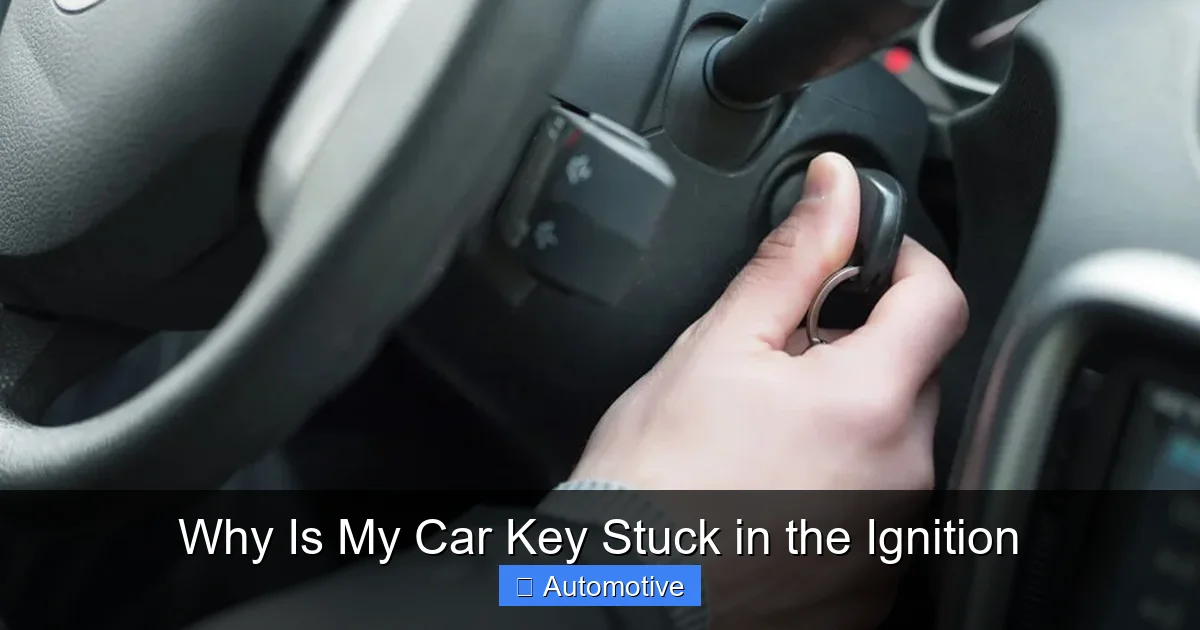
Visual guide about Why Is My Car Key Stuck in the Ignition
Image source: carstale.com
When your car key is stuck, it’s easy to panic. But with a calm, methodical approach, you can often resolve the issue without calling for help. Follow this step-by-step troubleshooting guide to safely remove your key and prevent future problems.
Step 1: Check the Gear Shift
Start by ensuring your car is fully in Park (for automatics) or Neutral (for manuals). Gently move the shifter back and forth to confirm it’s seated. If it feels loose or wobbly, it may not be engaging the interlock system properly.
For automatic cars, try pressing the brake pedal and shifting into Drive, then back to Park. This can help reset the linkage.
Step 2: Wiggle the Steering Wheel
Turn the steering wheel gently left and right while holding the key. Apply steady pressure—don’t force it. The goal is to relieve tension on the steering lock mechanism. You should feel a slight “click” when the lock releases.
This simple step resolves the issue in a large number of cases, especially if you parked on an incline or turned the wheel sharply.
Step 3: Turn the Key to Accessory Mode
Sometimes, the key gets stuck because it’s not fully in the “off” position. Try turning the key to the “accessory” position (where the radio and lights work but the engine is off), then back to “off.” This can reset the ignition cylinder and allow the key to release.
Step 4: Use a Spare Key
If you have a spare key, try using it instead. A newer or less worn key may turn more smoothly and dislodge the stuck one. This also helps determine whether the issue is with the key or the ignition.
Step 5: Check the Battery
Turn on your headlights or interior lights. If they’re dim or flickering, your battery may be low. Try jump-starting the car or replacing the battery. Once power is restored, attempt to remove the key again.
Step 6: Clean the Ignition Cylinder
Use a can of compressed air to blow out any debris from the ignition slot. Hold the can upright and spray in short bursts. Avoid using liquids unless recommended by your vehicle’s manual.
Step 7: Consult the Owner’s Manual
Your car’s manual may include specific instructions for key removal, especially if your vehicle has a manual override feature. Look for a small button or lever near the shifter or ignition that can release the key in emergencies.
Step 8: Call a Professional
If none of the above steps work, it’s time to seek help. A certified locksmith or mechanic can diagnose the issue without damaging your ignition system. Forcing the key can break it off inside the cylinder, leading to costly repairs.
Preventing Future Key Sticking Issues
Once you’ve resolved the immediate problem, it’s smart to take steps to prevent it from happening again. A little maintenance and awareness can go a long way in keeping your ignition system running smoothly.
Regular Cleaning
Make it a habit to clean your ignition cylinder every few months. Use compressed air to remove dust and debris. Avoid using oil-based lubricants, as they can attract dirt. If necessary, use a dry graphite lubricant designed for locks.
Inspect Your Key
Check your key regularly for signs of wear, bending, or damage. If it’s starting to look worn, get a new one cut. Consider carrying a spare key in your wallet or purse for emergencies.
Proper Parking Habits
When parking, especially on slopes, avoid turning the steering wheel too sharply. This reduces tension on the steering lock and prevents it from engaging too tightly. Always ensure the shifter is fully in Park before turning off the engine.
Battery Maintenance
Keep your car battery in good condition. Have it tested annually, especially before winter. A healthy battery ensures reliable electrical signals to the ignition system.
Avoid Overloading Your Keychain
Heavy keychains can put extra strain on the ignition cylinder when you turn the key. Remove unnecessary items and keep your keychain light to reduce wear.
Schedule Regular Maintenance
Include ignition system checks in your regular vehicle maintenance. A mechanic can inspect the cylinder, shifter linkage, and electrical components for signs of wear or misalignment.
When to Call a Professional
While many stuck key issues can be resolved at home, there are times when professional help is essential. Ignoring the problem or attempting DIY fixes with tools like pliers or screwdrivers can cause serious damage.
Signs You Need Expert Help
- The key is physically broken or bent inside the ignition.
- You hear grinding or unusual noises when turning the key.
- The ignition cylinder feels loose or wobbly.
- Multiple troubleshooting steps have failed.
- Your car has a push-button start and the key fob is unresponsive.
A certified locksmith or automotive technician has the tools and expertise to safely extract a stuck key and repair or replace damaged components. They can also reprogram electronic systems if needed.
Choosing the Right Professional
Look for a reputable locksmith with experience in automotive systems, or visit a trusted mechanic or dealership. Avoid unlicensed technicians who may use improper methods that void your warranty or damage your vehicle.
Conclusion
Finding your car key stuck in the ignition is more than just an inconvenience—it’s a reminder of how interconnected your vehicle’s systems are. From the steering lock to the shift interlock and electrical signals, multiple factors can contribute to this frustrating issue. But with the right knowledge and a calm approach, you can often resolve it quickly and safely.
Remember, most cases are caused by simple issues like a locked steering wheel or a shifter not fully in Park. By following the troubleshooting steps outlined in this guide, you can save time, money, and stress. And by adopting preventive habits—like cleaning your ignition and inspecting your key—you can reduce the chances of it happening again.
When in doubt, don’t force it. Professional help is always available, and it’s better to invest in a proper fix than risk damaging your car’s ignition system. With the right care and attention, your key should slide in and out smoothly for years to come.
Frequently Asked Questions
Why is my car key stuck in the ignition even though the car is in Park?
The shifter may not be fully seated in Park, or the shift interlock system could be malfunctioning. Try wiggling the shifter or using the manual override if your car has one.
Can a dead battery cause my key to get stuck?
Yes, a weak or dead battery can disrupt electronic signals needed to release the key. Jump-starting or replacing the battery often resolves the issue.
Is it safe to use lubricant in the ignition cylinder?
Only use dry lubricants like graphite. Avoid oil-based products, as they can attract dirt and worsen the problem over time.
What should I do if my key breaks off in the ignition?
Do not attempt to remove it yourself. Call a professional locksmith or mechanic to extract the broken piece and repair the cylinder.
Can I prevent my key from getting stuck in the future?
Yes—clean the ignition regularly, avoid overloading your keychain, ensure the car is fully in Park, and inspect your key for wear.
Why won’t my key turn at all, even when starting the car?
This could indicate a worn ignition cylinder, a damaged key, or an electrical issue. Try a spare key first, then consult a professional if the problem persists.