Why Does Your Car Battery Die
Car batteries die for many reasons—from age and weather to electrical drains and poor maintenance. Understanding these causes helps you avoid being stranded and keeps your vehicle running smoothly.
In This Article
- 1 Key Takeaways
- 2 📑 Table of Contents
- 3 Why Does Your Car Battery Die? The Surprising Truth Behind Dead Starts
- 4 How Car Batteries Work (And Why They Fail)
- 5 Top 6 Reasons Your Car Battery Dies
- 6 How to Prevent Your Car Battery from Dying
- 7 When to Replace Your Car Battery
- 8 Conclusion: Stay Ahead of Battery Failure
- 9 Frequently Asked Questions
Key Takeaways
- Battery age is the #1 cause: Most car batteries last 3–5 years; older batteries lose charge capacity and fail more often.
- Extreme temperatures hurt performance: Cold weather slows chemical reactions, while heat accelerates corrosion and fluid loss.
- Parasitic drains silently kill batteries: Electronics like clocks, alarms, or faulty modules can slowly drain power even when the car is off.
- Short trips prevent full recharging: Frequent short drives don’t give the alternator enough time to recharge the battery fully.
- Loose or corroded connections reduce efficiency: Dirty or loose terminals prevent proper current flow and charging.
- Leaving lights or accessories on drains power: Interior lights, headlights, or phone chargers left on overnight can kill a weak battery.
- Regular maintenance extends battery life: Cleaning terminals, checking voltage, and testing health can prevent unexpected failures.
📑 Table of Contents
Why Does Your Car Battery Die? The Surprising Truth Behind Dead Starts
Picture this: You’re running late for work, you hop into your car, turn the key—and nothing happens. The dashboard lights flicker weakly, the engine won’t crank, and your heart sinks. Sound familiar? A dead car battery is one of the most common—and frustrating—car problems drivers face. But why does it happen so often?
Car batteries are essential for starting your engine, powering electronics, and keeping your vehicle’s electrical system stable. Yet, despite their importance, they’re often overlooked until they fail. Unlike a flat tire or a broken windshield, a dead battery sneaks up quietly. There’s no loud noise or visible damage—just silence when you need your car the most.
The good news? Most battery failures aren’t random. They’re usually the result of predictable factors like age, weather, driving habits, or electrical issues. By understanding what causes car batteries to die, you can take simple steps to prevent it. Whether you’re a daily commuter, weekend driver, or road-trip enthusiast, knowing how to care for your battery can save you time, money, and stress.
How Car Batteries Work (And Why They Fail)

Visual guide about Why Does Your Car Battery Die
Image source: lirp.cdn-website.com
Before diving into the causes of battery death, it helps to understand how these essential components function. A car battery is a rechargeable lead-acid device that stores electrical energy through a chemical reaction. When you turn the key, the battery sends a burst of power to the starter motor, which cranks the engine. Once the engine runs, the alternator takes over, recharging the battery and powering the car’s electrical systems.
This cycle—discharge and recharge—is designed to repeat thousands of times. But over time, the battery’s ability to hold a charge diminishes. Think of it like a sponge: it starts out able to soak up lots of water, but after years of use, it becomes less absorbent. Similarly, a battery loses its capacity due to internal wear, chemical degradation, and external stress.
One key factor is the battery’s chemistry. Lead-acid batteries contain lead plates submerged in sulfuric acid. During discharge, the acid reacts with the lead to produce electricity. When recharging, the process reverses. But over time, sulfate crystals build up on the plates, reducing their surface area and efficiency. This is called sulfation, and it’s a major reason batteries lose power.
Another issue is the battery’s state of charge. If a battery frequently drops below 50% charge—common in short trips or with parasitic drains—it ages faster. Deep discharges strain the internal components, shortening the battery’s lifespan. That’s why a battery used mostly for long highway drives often lasts longer than one used for quick errands around town.
Understanding these basics helps explain why batteries die. It’s not just about being “old”—it’s about how they’re used, maintained, and exposed to environmental conditions. With that foundation, let’s explore the top reasons your car battery might fail.
Top 6 Reasons Your Car Battery Dies

Visual guide about Why Does Your Car Battery Die
Image source: d1gymyavdvyjgt.cloudfront.net
1. Battery Age and Natural Wear
The most common reason car batteries die is simply age. Most standard lead-acid car batteries last between 3 to 5 years, depending on usage and conditions. After that, their ability to hold a charge declines rapidly. In fact, studies show that nearly 60% of battery failures occur in vehicles with batteries older than four years.
Why does age matter? Over time, the internal components degrade. The lead plates corrode, the electrolyte evaporates, and sulfation builds up. Even if the battery appears fine on the outside, its internal health may be failing. A battery that’s five years old might only hold 50% of its original capacity—enough to start the car on a warm day, but not in cold weather or after sitting overnight.
Signs of an aging battery include slow engine cranking, dim headlights, and frequent need for jump-starts. If your battery is over three years old, it’s wise to have it tested annually. Many auto parts stores offer free battery testing, which can reveal hidden issues before they leave you stranded.
2. Extreme Temperatures (Hot and Cold)
Weather plays a huge role in battery performance—both hot and cold temperatures can shorten battery life.
In cold weather, the chemical reactions inside the battery slow down. This reduces the battery’s ability to deliver the high current needed to start the engine. A battery that works fine in summer might struggle in winter, especially below freezing. Cold weather can reduce a battery’s cranking power by up to 60%, making it harder to start the car.
On the flip side, extreme heat is just as damaging—maybe even more so. High temperatures accelerate chemical reactions, which might sound good, but they also speed up corrosion and cause the battery’s internal fluid to evaporate. This leads to internal damage and reduced lifespan. In hot climates, batteries often fail sooner, sometimes lasting only 2–3 years.
For example, a driver in Phoenix might replace their battery every two years due to the intense summer heat, while someone in Minnesota might get four years—but still face cold-weather starting issues. The best defense? Park in a garage when possible, use a battery insulation blanket in winter, and consider a battery with a higher cold cranking amp (CCA) rating if you live in a cold region.
3. Parasitic Drains and Electrical Leaks
Even when your car is off, small amounts of power are used by systems like the clock, security alarm, and onboard computers. This is normal—but problems arise when these “parasitic drains” become excessive.
A parasitic drain happens when an electrical component continues to draw power when it shouldn’t. For example, a faulty glove box light that stays on, a malfunctioning radio, or a stuck relay can slowly drain the battery over hours or days. These drains might only pull 50–100 milliamps, but over time, they can kill a battery, especially if the car sits unused for a few days.
Modern cars are especially prone to parasitic drains due to their complex electronics. Features like keyless entry, infotainment systems, and advanced driver assistance systems (ADAS) require constant low-level power. If a module fails or gets stuck in an “awake” state, it can drain the battery even when the car is parked.
To check for parasitic drains, a mechanic can perform a parasitic draw test using a multimeter. If you suspect a drain, look for signs like a dead battery after the car sits overnight, or electronics behaving oddly. Common culprits include aftermarket accessories (like dash cams or alarms) that weren’t installed correctly.
4. Short Trips and Incomplete Recharging
If you mostly drive short distances—like commuting 5–10 miles to work—your battery may never get fully recharged. Here’s why: the alternator needs time to restore the energy used during startup. A typical start uses about 2–3 minutes of driving to recharge, but short trips don’t provide enough time.
Imagine your battery as a phone. Starting the car is like using 20% of the battery. If you only drive for five minutes, the alternator might only put back 10%. Over time, the battery slowly loses charge, leading to a weakened state. This is called a “partial state of charge,” and it accelerates battery aging.
Drivers who take frequent short trips are more likely to experience battery failure, especially in winter when the battery is already strained. To combat this, try to take longer drives occasionally—30 minutes or more—to allow the alternator to fully recharge the battery. If you mostly drive short distances, consider using a battery maintainer or trickle charger when the car sits for days.
5. Leaving Lights or Accessories On
It’s easy to forget: leaving your headlights, interior lights, or radio on overnight can drain your battery completely. Even small lights, like a trunk or glove box light, can cause problems if they stay on for hours.
Modern cars often have automatic shut-off features, but they’re not foolproof. For example, if a door doesn’t fully close, the interior light might stay on. Or if you leave a phone charger plugged in, it can draw power even when the phone isn’t charging.
A classic example: you get out of the car in a hurry, forget to turn off the headlights, and return the next morning to a dead battery. This is especially common with older vehicles that don’t have automatic headlights. To avoid this, make it a habit to double-check that all lights are off before walking away. Consider upgrading to LED interior lights, which use less power, or installing a battery disconnect switch for long-term parking.
6. Loose, Corroded, or Dirty Battery Connections
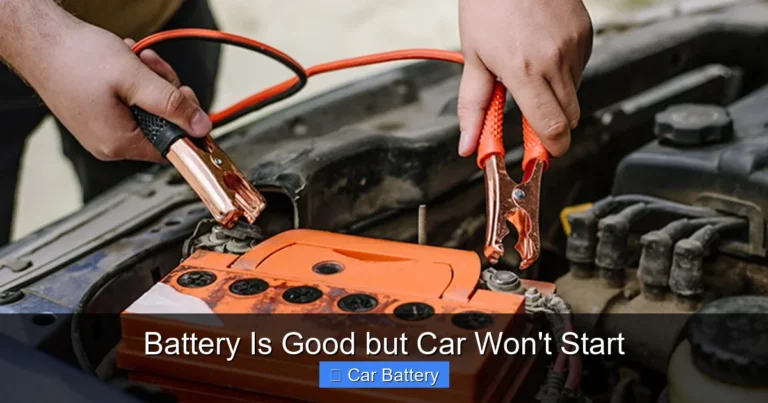
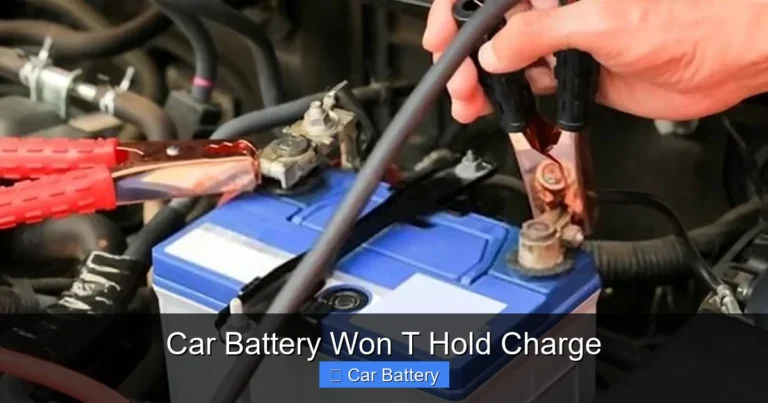
Even a healthy battery can fail if the connections aren’t secure. The terminals (the positive and negative posts) must be clean and tightly fastened to allow proper current flow. Over time, corrosion—a white, green, or blue powdery substance—can build up on the terminals, acting like an insulator and blocking electricity.
Corrosion is caused by chemical reactions between the battery acid and the metal terminals. It’s more common in humid or salty environments, like coastal areas. Loose cables can also cause intermittent connections, leading to starting problems or electrical glitches.
Signs of connection issues include flickering lights, difficulty starting, or a battery that tests fine but still dies. Cleaning the terminals with a wire brush and baking soda solution can restore conductivity. Always disconnect the negative cable first and reconnect it last to avoid sparks. Applying a thin layer of dielectric grease after cleaning can prevent future corrosion.
How to Prevent Your Car Battery from Dying

Visual guide about Why Does Your Car Battery Die
Image source: psychoautos.com
Now that you know the common causes, let’s talk prevention. A little maintenance goes a long way in extending your battery’s life and avoiding surprise failures.
First, get your battery tested regularly. Most auto parts stores offer free testing, including voltage checks and load tests. This can reveal weaknesses before they become problems. If your battery is over three years old, test it at least once a year.
Second, keep the terminals clean and tight. Inspect them every few months for corrosion or looseness. A quick cleaning with a terminal brush and baking soda solution can prevent many issues.
Third, drive your car regularly—and for long enough. If you only take short trips, consider using a battery maintainer (also called a trickle charger) to keep the battery topped up. These devices plug into a wall outlet and gently charge the battery when the car is parked.
Fourth, avoid leaving accessories on. Make it a habit to check that lights, radios, and chargers are off before exiting the vehicle. If you have aftermarket electronics, ensure they’re installed correctly and don’t draw excessive power.
Finally, protect your battery from extreme temperatures. Park in a garage when possible, use a battery blanket in winter, and consider a battery with a higher CCA rating if you live in a cold climate.
When to Replace Your Car Battery
Even with the best care, batteries don’t last forever. Knowing when to replace yours can save you from being stranded.
Signs it’s time for a new battery include:
– Slow engine cranking (the engine turns over slowly)
– Dim headlights or interior lights
– The battery warning light on the dashboard
– Swollen or bloated battery case (a sign of overheating)
– Battery age over 4–5 years
If you experience any of these, have your battery tested. Many stores will install a new one on the spot. When replacing, choose a battery with the correct size, type, and cold cranking amps (CCA) for your vehicle. Upgrading to a maintenance-free or AGM (absorbent glass mat) battery can offer better performance and longer life, especially in modern vehicles with high electrical demands.
Conclusion: Stay Ahead of Battery Failure
A dead car battery is more than an inconvenience—it’s a reminder that your vehicle relies on a delicate balance of chemistry, electricity, and maintenance. While batteries naturally wear out over time, many failures are preventable with awareness and simple habits.
From extreme weather to parasitic drains, short trips, and corroded terminals, the reasons your car battery dies are often within your control. By understanding these causes and taking proactive steps—like regular testing, cleaning connections, and driving longer distances—you can extend your battery’s life and reduce the risk of unexpected failure.
Remember, your car battery is the heart of your vehicle’s electrical system. Treat it well, and it will keep you moving. Don’t wait until you’re stuck in a parking lot with a silent engine. Take action today, and enjoy the peace of mind that comes with a reliable start every time.
Frequently Asked Questions
How long do car batteries typically last?
Most car batteries last between 3 to 5 years, depending on usage, climate, and maintenance. In hot climates, they may fail sooner, while cold regions can reduce starting power but not always lifespan.
Can a dead battery be recharged?
Yes, a dead battery can often be recharged using a battery charger or by jump-starting the car and driving for 30+ minutes. However, if the battery is old or damaged, it may not hold a charge and will need replacement.
Why does my battery keep dying even after replacement?
Frequent battery failure after replacement may indicate an underlying issue like a faulty alternator, parasitic drain, or poor electrical connections. Have a mechanic diagnose the root cause.
Is it safe to jump-start a car battery?
Yes, but follow safety precautions: connect red to positive, black to negative (or a grounded metal part), and avoid sparks near the battery. If the battery is swollen or leaking, do not jump-start it.
Can extreme heat really kill a car battery?
Absolutely. High temperatures accelerate internal corrosion and fluid evaporation, shortening battery life. In hot climates, batteries often fail 1–2 years earlier than average.
Should I disconnect my battery when not using the car for weeks?
Yes, if your car will sit unused for more than a week, consider disconnecting the negative terminal or using a battery maintainer to prevent slow discharge from parasitic drains.