Why Car Paint Protection Film Is Peeling Off

Contents


Car paint protection film (PPF) peeling off is a common but preventable issue. It often results from poor installation, low-quality film, environmental stress, or improper maintenance. Understanding the root causes and taking proactive steps can extend the life of your PPF and keep your vehicle looking flawless.
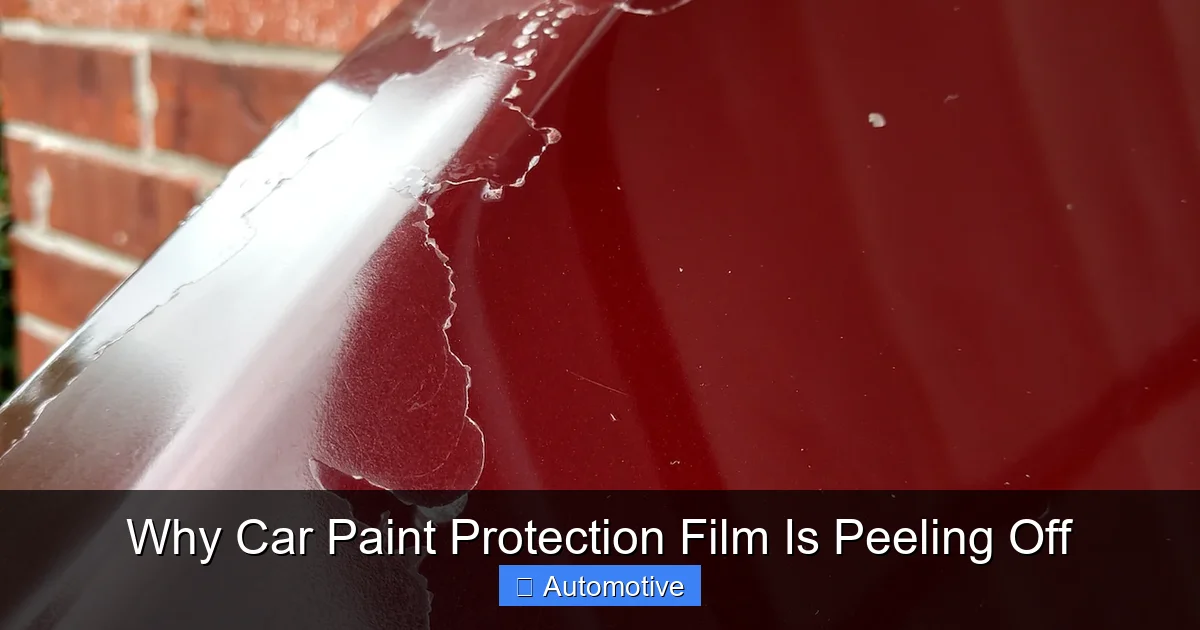
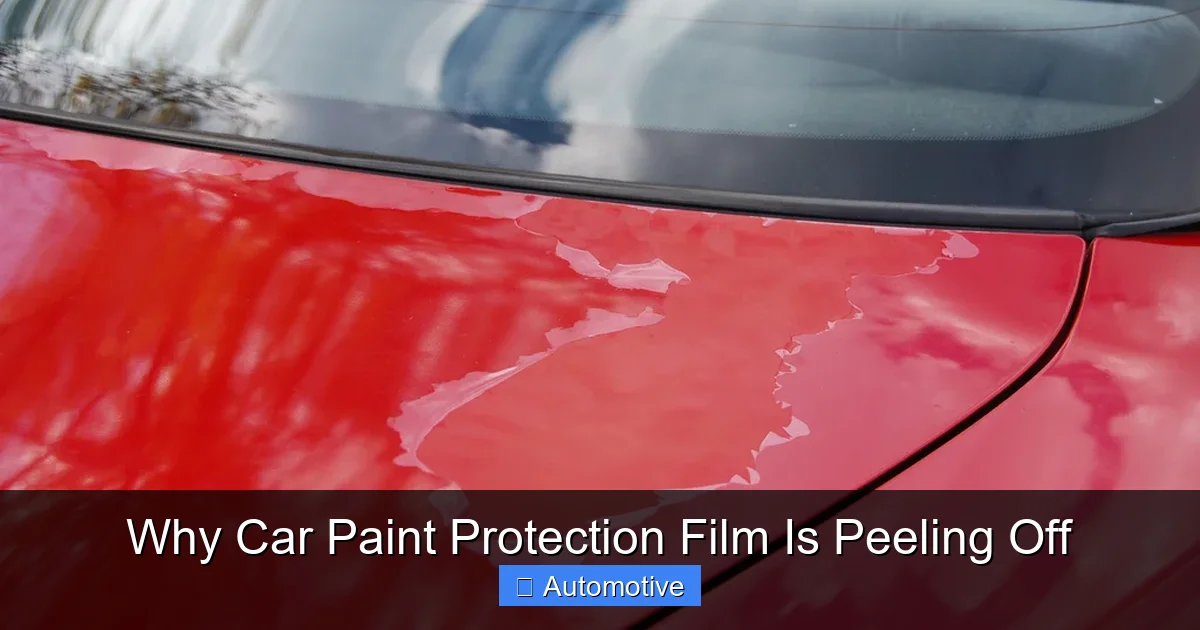
If you’ve invested in car paint protection film (PPF) to shield your vehicle’s paint from scratches, rock chips, and UV damage, seeing it start to peel at the edges can be frustrating—and even alarming. You might notice bubbling, lifting corners, or entire sections detaching from the surface. While PPF is designed to last 5 to 10 years, premature peeling not only ruins your car’s appearance but also exposes the underlying paint to potential damage. The good news? Most peeling issues are avoidable with the right knowledge and care.
Understanding why car paint protection film is peeling off starts with recognizing that PPF is more than just a sticker—it’s a high-tech, multi-layered barrier made from thermoplastic polyurethane (TPU). It’s engineered to absorb impacts, resist stains, and self-heal minor scratches. But like any protective layer, it’s only as strong as its weakest point: the bond between the film and your car’s paint. When that bond fails, peeling begins. Whether you’re a new car owner or a seasoned enthusiast, knowing the common culprits behind PPF failure empowers you to protect your investment and maintain that showroom shine.
Key Takeaways
- Poor installation is the #1 cause of peeling: Inadequate surface prep, rushed application, or untrained installers lead to premature failure.
- Low-quality film degrades faster: Cheap PPF lacks UV inhibitors and self-healing properties, making it prone to lifting and yellowing.
- Extreme weather accelerates wear: Prolonged sun exposure, snow, ice, and road salt weaken adhesive bonds over time.
- Improper washing techniques damage edges: Pressure washing too close or using harsh chemicals can lift film corners.
- Neglecting maintenance shortens lifespan: Regular cleaning and avoiding abrasive cleaners preserve adhesion and clarity.
- Edge sealing prevents moisture intrusion: Properly sealed edges resist water and dirt buildup that cause lifting.
- Early detection saves money: Spotting small lifts early allows for quick repairs before full failure.
📑 Table of Contents
Common Causes of Paint Protection Film Peeling
Peeling paint protection film can stem from a variety of factors, but most fall into a few key categories. Identifying the root cause is the first step toward prevention and repair. Let’s break down the most frequent reasons why PPF starts to lift or detach.
Poor Installation Techniques
The single biggest reason car paint protection film is peeling off is improper installation. Even the highest-quality film will fail if it’s not applied correctly. A professional installer should follow a strict process: thorough paint correction, meticulous cleaning, precise cutting, and careful application using a slip solution and squeegee. Rushing any of these steps—especially surface prep—can leave behind oils, waxes, or contaminants that prevent the adhesive from bonding properly.
For example, if the installer skips decontaminating the paint with an isopropyl alcohol wipe, microscopic residues can create weak spots. Over time, these spots expand, causing the film to lift. Another common mistake is not allowing enough “flash time”—the period after application when the film needs to settle before final squeegeeing. If this step is skipped, trapped moisture or air can lead to bubbling and peeling.
Low-Quality or Outdated Film
Not all PPF is created equal. Budget films often cut corners by using thinner layers, weaker adhesives, or lacking essential additives like UV stabilizers and self-healing topcoats. These films may look fine at first but degrade quickly under real-world conditions. They’re more prone to yellowing, cracking, and losing adhesion—especially in hot climates.
Imagine buying a “bargain” PPF kit online and applying it yourself. While DIY installation is possible, using subpar materials increases the risk of failure. High-end brands like XPEL, SunTek, and 3M use advanced formulations that resist environmental stress and maintain clarity for years. Investing in quality film from the start saves money and headaches down the road.
Environmental and Weather Stress
Your car doesn’t live in a climate-controlled garage 24/7—so environmental factors play a huge role in PPF longevity. Extreme heat can soften the adhesive, making it more likely to stretch or lift. Conversely, freezing temperatures make the film brittle, increasing the chance of cracking at the edges.
Road salt in winter months is another silent killer. Salt crystals can seep under lifted edges, corroding the paint and weakening the bond. Similarly, prolonged sun exposure breaks down the film’s chemical structure, leading to oxidation and loss of elasticity. If you live in a region with harsh winters or intense summers, your PPF may need extra attention to prevent peeling.
Improper Washing and Maintenance
How you clean your car matters—especially when it has PPF. Pressure washers, while great for removing grime, can be too aggressive if used incorrectly. Holding the nozzle too close (under 12 inches) or at a sharp angle can blast water under the film’s edges, causing them to lift.
Similarly, automatic car washes with stiff brushes can snag on loose corners, peeling back sections of film. Even hand washing with dirty sponges or harsh chemicals (like ammonia-based glass cleaners) can degrade the adhesive over time. Always use soft microfiber towels, pH-neutral car soap, and gentle techniques to preserve your PPF.
Edge Exposure and Lack of Sealing
The edges of your PPF are the most vulnerable areas. If they’re not properly tucked, wrapped, or sealed, moisture, dirt, and debris can accumulate underneath. This buildup creates pressure and lifts the film from the surface.
For instance, on door handles, mirrors, or wheel arches, installers should either wrap the film around the edge or use a heat gun to seal it tightly. Skipping this step leaves exposed edges that act like flaps, catching on clothing, car wash brushes, or even wind while driving. Over time, these small lifts grow into full-blown peeling.
How to Prevent PPF from Peeling
Visual guide about Why Car Paint Protection Film Is Peeling Off
Image source: nuwaycarcenter.com
Now that you know why car paint protection film is peeling off, let’s talk solutions. Prevention is always better—and cheaper—than repair. With the right habits and care, you can keep your PPF looking flawless for years.
Choose a Reputable Installer
Don’t skimp on installation. Look for certified professionals with positive reviews, a clean workspace, and experience with your vehicle type. Ask to see their portfolio or request a test patch on a less visible area. A good installer will explain their process, use high-quality materials, and offer a warranty—typically 5 to 10 years.
Pro tip: Avoid mobile installers who work in uncontrolled environments like driveways or parking lots. Dust, wind, and temperature fluctuations can ruin an otherwise perfect application.
Invest in Premium Film
Spend a little more upfront for a film with proven durability. Top-tier PPF includes:
– Self-healing topcoat (repels light scratches with heat)
– UV inhibitors (prevent yellowing)
– Hydrophobic properties (repel water and dirt)
– Strong, flexible adhesive (resists lifting)
Brands like XPEL Ultimate Plus or 3M Pro Series are industry leaders for a reason. They’re tested in extreme conditions and backed by strong warranties.
Maintain Proper Cleaning Habits
Wash your car every 1–2 weeks using the two-bucket method: one for soapy water, one for rinsing your mitt. Use a pH-balanced car shampoo (never dish soap!) and soft microfiber towels. Avoid waxing over PPF unless the product is specifically formulated for it—many waxes contain solvents that degrade the film.
For drying, use a clean, plush microfiber towel or a leaf blower to gently remove water from edges. Never use paper towels or abrasive cloths.
Protect Edges and High-Wear Areas
After installation, inspect the edges regularly. If you notice any lifting, address it immediately. Use a heat gun on low setting to re-adhere small lifts—heat reactivates the adhesive. For larger issues, visit your installer for a repair.
Consider adding extra protection to high-risk zones like the front bumper, hood, and fenders. Some owners apply a ceramic coating over the PPF for added gloss and hydrophobic benefits—just ensure the coating is PPF-safe.
Park Smart and Avoid Harsh Conditions
Whenever possible, park in the shade or use a car cover. UV rays are the #1 enemy of PPF longevity. In winter, rinse off road salt within 24 hours of exposure. If you live in a snowy area, use a soft snow brush—never scrape ice directly over PPF.
Avoid driving behind large trucks on highways, as they kick up rocks that can chip the film. If you do get a chip, don’t panic—most PPF self-heals minor damage with heat from the sun or a warm towel.
Signs Your PPF Is Failing
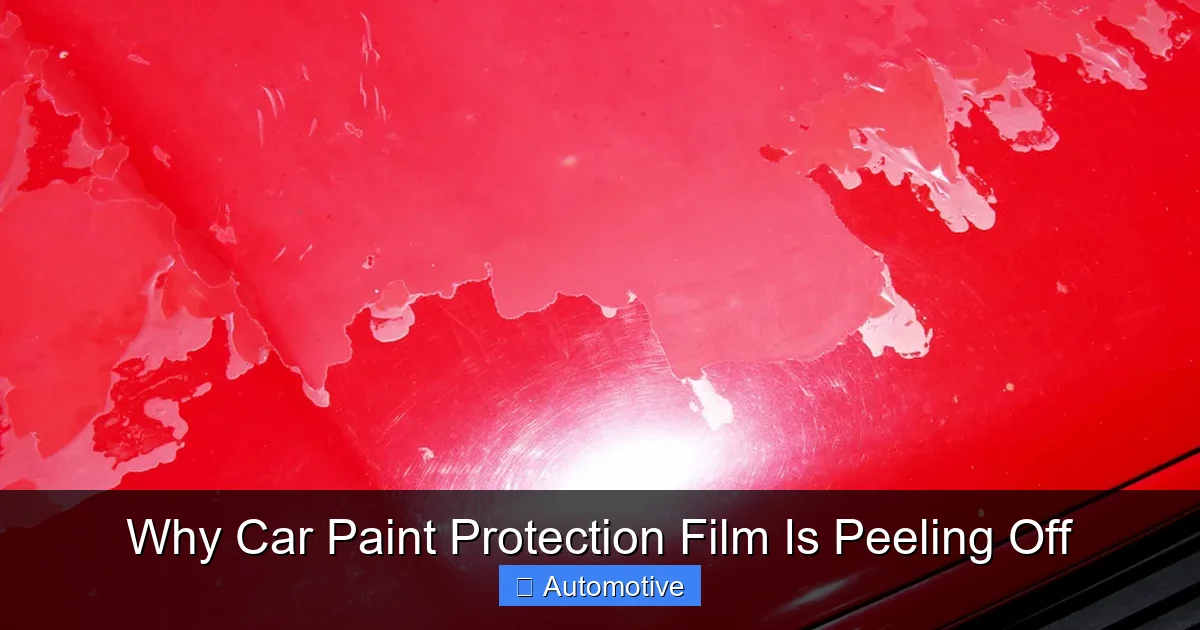
Visual guide about Why Car Paint Protection Film Is Peeling Off
Image source: mavenmotors.com
Early detection is key to preventing full-scale peeling. Watch for these warning signs:
Visible Lifting at Edges
The most obvious sign. Check door handles, mirrors, and panel seams. If the film is curling or flapping, it’s time to act.
Bubbling or Cloudiness
Trapped moisture or air creates bubbles that distort the appearance. While small bubbles may disappear as the film settles, persistent ones indicate adhesion failure.
Yellowing or Discoloration
Low-quality film turns yellow over time, especially in sunny climates. This is a sign of UV degradation and reduced protection.
Cracking or Brittle Spots
Cold weather or aging can make PPF brittle. If you see fine cracks, the film is losing flexibility and may peel soon.
Sticky Residue or Adhesive Failure
If the film feels tacky or leaves residue when removed, the adhesive has broken down. This often happens with cheap films or improper storage.
Repairing Peeling Paint Protection Film
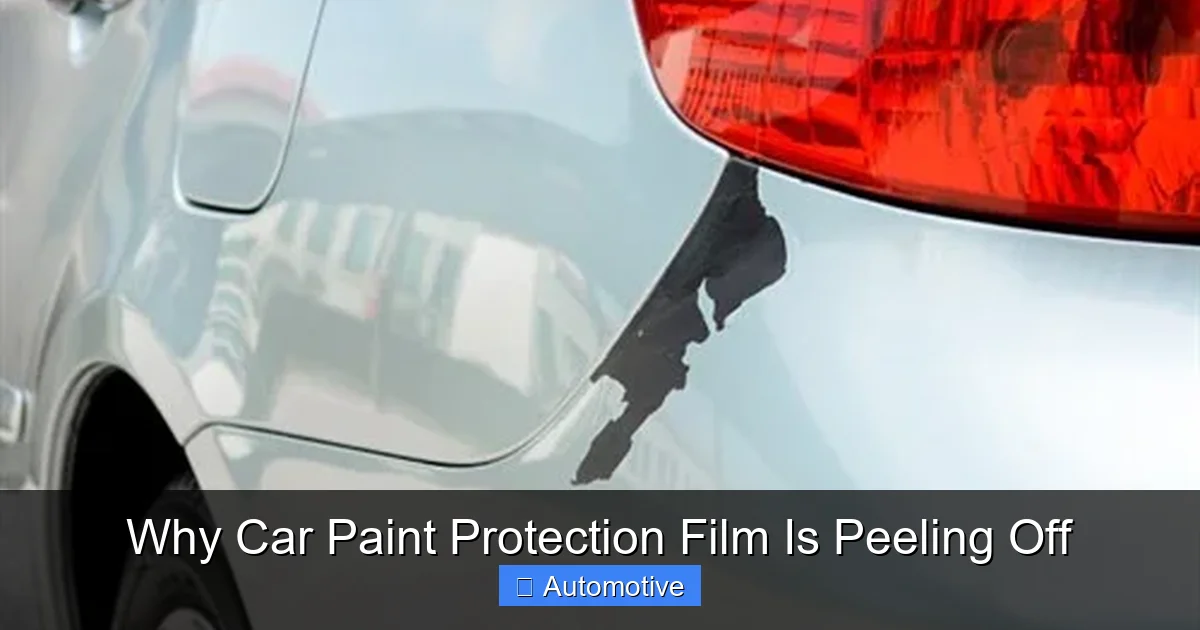
Visual guide about Why Car Paint Protection Film Is Peeling Off
Image source: bemac.ca
If your PPF is already peeling, don’t despair—many issues can be fixed without a full replacement.
Minor Edge Lifts
Use a heat gun on low (150–200°F) to gently warm the lifted area. Press it down firmly with a soft cloth. The heat reactivates the adhesive, allowing it to bond again. Avoid overheating, which can damage the film or paint.
Small Bubbles
Most bubbles disappear within a few weeks as the film settles. If they persist, use a pin to puncture the bubble, apply a drop of PPF adhesive, and press it flat. Seal with a clear coat if needed.
Large Peels or Damage
For extensive peeling, cracking, or yellowing, consult your installer. They may recommend replacing the affected section. Partial replacements are common and cost-effective.
Full Removal and Reapplication
If the film is severely degraded, it may need complete removal. This should only be done by a professional to avoid damaging the paint. Once removed, the surface must be polished and re-prepped before new film is applied.
Long-Term Care for Lasting Protection
To maximize the lifespan of your PPF, adopt a consistent care routine:
– **Monthly inspections:** Check edges, seams, and high-wear areas.
– **Gentle washing:** Use soft tools and avoid high-pressure sprays near edges.
– **Avoid harsh chemicals:** Stick to PPF-safe cleaners and waxes.
– **Reapply ceramic coating (optional):** Enhances gloss and protection.
– **Professional check-ups:** Visit your installer annually for maintenance.
Remember, PPF is an investment in your car’s appearance and resale value. With proper care, it can last a decade or more—keeping your paint flawless through years of driving.
Conclusion
So, why is car paint protection film peeling off? More often than not, it’s due to preventable factors like poor installation, low-quality materials, environmental stress, or improper maintenance. But with the right knowledge and habits, you can keep your PPF intact and your car looking pristine.
Start by choosing a trusted installer and premium film. Maintain a gentle cleaning routine, protect edges, and address issues early. Whether you’re shielding a brand-new sports car or preserving a classic, PPF is one of the best ways to protect your paint. Don’t let peeling ruin your investment—take action today and enjoy a scratch-free, glossy finish for years to come.
Frequently Asked Questions
Can I fix peeling PPF myself?
Yes, minor edge lifts can often be repaired at home using a heat gun and gentle pressure. However, for large peels, bubbles, or adhesive failure, it’s best to consult a professional to avoid further damage.
How long should PPF last before peeling?
High-quality PPF typically lasts 5 to 10 years with proper care. Peeling before 3 years usually indicates installation issues or low-grade film.
Will peeling PPF damage my car’s paint?
If left untreated, peeling can trap moisture and debris, leading to paint corrosion. However, if addressed early, the underlying paint usually remains unharmed.
Can I wax over paint protection film?
Yes, but only use waxes specifically formulated for PPF. Avoid products with solvents or abrasives, as they can degrade the film over time.
Is it normal for PPF to bubble after installation?
Small bubbles are common and usually disappear within a few weeks as the film settles. Persistent or large bubbles may indicate installation problems.
Should I replace peeling PPF or just repair it?
Minor lifts can be repaired, but extensive peeling, cracking, or yellowing often requires partial or full replacement to restore protection and appearance.