Why Car Key Won’t Turn

Frustrated because your car key won’t turn in the ignition? This common issue often stems from simple causes like a locked steering wheel, low battery, or worn key. With the right troubleshooting steps, you can usually resolve it quickly—without calling a locksmith.
In This Article
- 1 Key Takeaways
- 2 📑 Table of Contents
- 3 Why Car Key Won’t Turn: Understanding the Frustration
- 4 Common Causes of a Car Key That Won’t Turn
- 5 Step-by-Step Troubleshooting Guide
- 6 Preventing Future Key-Turning Problems
- 7 When to Call a Professional
- 8 Conclusion: Don’t Let a Stubborn Key Ruin Your Day
- 9 Frequently Asked Questions
- 9.1 Why won’t my car key turn even though the battery is fine?
- 9.2 Can a dirty ignition cylinder prevent the key from turning?
- 9.3 Is it safe to use WD-40 in the ignition?
- 9.4 How do I know if my key is worn out?
- 9.5 Can a transponder key stop working suddenly?
- 9.6 Should I force the key to turn if it’s stuck?
Key Takeaways
- Steering wheel lock is a common culprit: If your steering wheel is stiff, gently wiggle it left and right while turning the key to release the lock.
- A dead or weak car battery can prevent ignition: Check dashboard lights—if they’re dim or off, jump-start or replace the battery.
- Worn or damaged keys lose their shape: Over time, keys wear down and no longer align properly with the ignition cylinder—consider getting a duplicate.
- Dirt and debris clog the ignition cylinder: Use compressed air or a specialized cleaner to remove buildup that blocks key rotation.
- Faulty ignition switch or cylinder may need replacement: If basic fixes fail, the internal mechanism might be broken—consult a professional mechanic.
- Transponder key issues require reprogramming: Modern keys with chips may lose sync with the car’s computer—visit a dealer or qualified locksmith.
- Prevention is easier than repair: Keep your key clean, avoid excessive force, and maintain your vehicle’s electrical system to avoid future problems.
📑 Table of Contents
Why Car Key Won’t Turn: Understanding the Frustration
Picture this: You’re running late for work, groceries are melting in the back seat, and you just want to get going. You insert your key into the ignition—only to find it won’t turn. Nothing. Not even a click. Your heart sinks. Sound familiar?
A car key that won’t turn is one of the most common—and annoying—automotive problems drivers face. It’s not just inconvenient; it can leave you stranded, stressed, and unsure of what to do next. But here’s the good news: in most cases, this issue isn’t a sign of serious mechanical failure. More often than not, it’s something simple that you can fix yourself—or at least diagnose before calling for help.
Understanding why your car key won’t turn is the first step toward solving the problem quickly and safely. Whether you drive a 10-year-old sedan or a brand-new SUV, ignition issues can happen to anyone. Modern vehicles come with advanced security systems, electronic components, and precision-engineered parts—all of which can contribute to key-turning problems if something goes slightly off-kilter.
In this guide, we’ll walk you through the most common reasons your car key won’t turn, how to troubleshoot each one, and when it’s time to call in a professional. We’ll keep things simple, practical, and easy to follow—no mechanic jargon, no confusing diagrams. Just real solutions for real drivers.
Common Causes of a Car Key That Won’t Turn
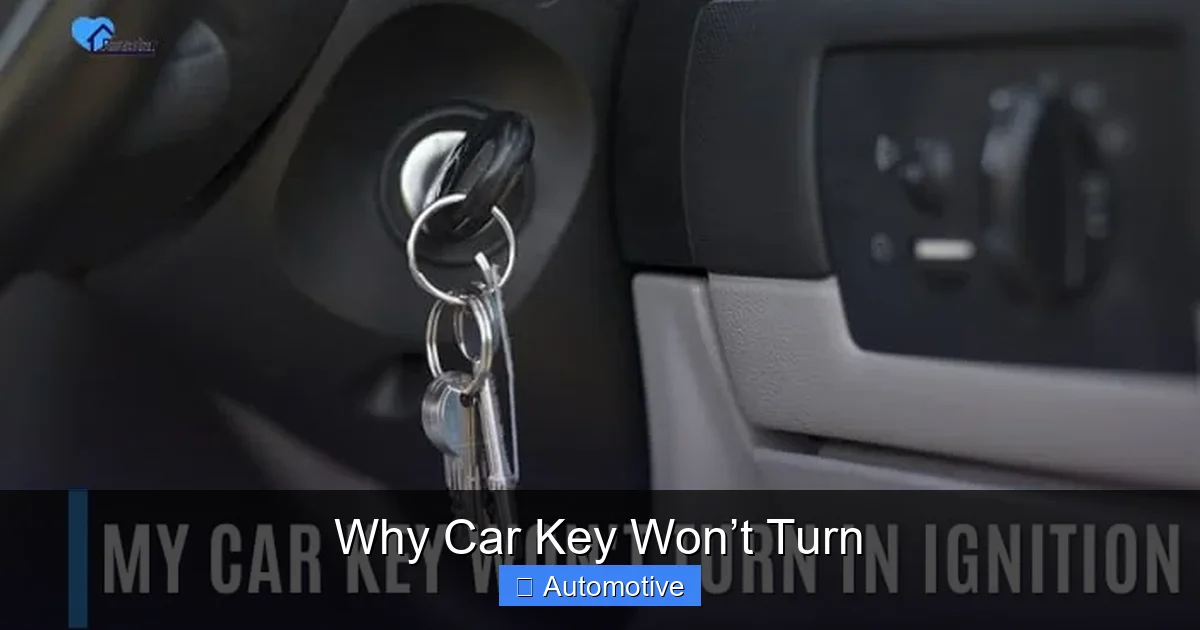
Visual guide about Why Car Key Won’t Turn
Image source: revolar.com
There are several reasons why your car key might refuse to turn in the ignition. Some are mechanical, others electrical, and a few are related to user habits or environmental factors. Let’s break down the most frequent causes so you can identify what’s going on under the hood—or rather, under the dashboard.
1. The Steering Wheel Is Locked
One of the most overlooked reasons your car key won’t turn is the steering wheel lock. Many vehicles have a built-in safety feature that locks the steering wheel when the key is removed. This prevents theft but can also cause confusion if the wheel is slightly turned when you try to start the car.
When the steering wheel is locked, the ignition cylinder won’t allow the key to turn because the internal mechanism is physically blocked. You’ll often notice that the wheel feels stiff or won’t move at all.
How to fix it: Gently wiggle the steering wheel left and right while simultaneously turning the key. Don’t force it—use steady, gentle pressure. Once the lock disengages, the key should turn smoothly. This usually takes just a few seconds.
Pro tip: Always turn the key to the “off” position before removing it. This helps prevent the steering wheel from locking in a turned position.
2. A Weak or Dead Car Battery
Your car’s ignition system relies on electrical power—even for mechanical keys. If the battery is weak or completely dead, the ignition cylinder may not receive enough power to engage the starter mechanism. You might notice that dashboard lights are dim, the radio doesn’t turn on, or the engine doesn’t crank at all.
Even if the key turns slightly, a dead battery can prevent the car from starting. In some cases, the key won’t turn at all because the electronic lockout system (common in modern cars) won’t disengage without sufficient power.
How to fix it: Check your dashboard lights when you insert the key. If they’re faint or don’t come on, try jump-starting the car with jumper cables and another vehicle. Alternatively, use a portable jump starter. Once the battery has enough charge, the key should turn normally.
Prevention tip: Replace your car battery every 3–5 years, or sooner if you notice slow cranking or electrical issues.
3. Worn or Damaged Key
Keys are used daily—sometimes multiple times a day. Over time, the metal wears down, especially if you carry your keys in a pocket with coins, tools, or other hard objects. A worn key may no longer fit properly into the ignition cylinder or may not align with the internal tumblers.
You might not notice the wear at first, but eventually, the key becomes too thin or misshapen to turn the mechanism. This is especially common with older vehicles or keys that have been duplicated poorly.
How to fix it: Inspect your key for visible signs of wear—flattened edges, rounded teeth, or bending. If it looks damaged, get a new key made from your vehicle’s VIN or original key code. Visit a dealership or a locksmith who specializes in automotive keys.
Pro tip: Avoid using your car key as a tool (like opening bottles or prying things open). This accelerates wear and can bend the key.
4. Dirt, Debris, or Moisture in the Ignition Cylinder
The ignition cylinder is a precision mechanism with tiny internal parts. Over time, dust, dirt, lint, and even moisture can accumulate inside, especially if you live in a humid or dusty environment. This buildup can prevent the key from turning smoothly or at all.
You might also notice that the key feels “sticky” or requires extra force to insert or remove. In extreme cases, corrosion can form, especially if water has gotten inside.
How to fix it: Use a can of compressed air to blow out loose debris. Avoid using water or liquid cleaners unless specifically designed for ignition systems. For stubborn grime, use a specialized ignition cleaner spray (available at auto parts stores). Insert the straw into the cylinder and spray briefly—don’t overdo it.
Prevention tip: Keep your keys clean and avoid exposing them to rain or snow. If you live in a humid area, consider using a silica gel pack in your glove compartment to reduce moisture.
5. Faulty Ignition Switch or Cylinder
If none of the above solutions work, the problem may lie with the ignition switch or cylinder itself. These components can wear out over time, especially in high-mileage vehicles. A failing ignition switch may not send the proper signal to start the engine, while a damaged cylinder may physically prevent the key from turning.
Symptoms include intermittent starting issues, the key turning but the car not starting, or the key getting stuck in the ignition.
How to fix it: This is a job for a professional mechanic or automotive locksmith. Replacing an ignition cylinder or switch requires disassembling parts of the steering column and may involve reprogramming electronic components. Attempting a DIY fix can damage your car’s security system.
Warning sign: If your key turns but the car doesn’t start, or if the dashboard lights flicker when you turn the key, the ignition switch may be failing.
6. Transponder Key or Immobilizer Issues
Modern cars often use transponder keys—keys with a small electronic chip embedded in the plastic head. This chip communicates with the car’s immobilizer system to verify that the key is authorized to start the vehicle. If the chip is damaged, the battery in a key fob is dead, or the system loses sync, the car may refuse to start—even if the key turns physically.
You might hear the engine crank but not start, or the key may not turn at all if the system locks out the ignition.
How to fix it: Try using a spare key if you have one. If the spare works, the original key’s chip may be damaged. For key fobs, replace the battery. If the problem persists, visit a dealership or locksmith to reprogram the key.
Pro tip: Keep your transponder key away from strong magnetic fields (like phone chargers or speakers), which can interfere with the chip.
Step-by-Step Troubleshooting Guide
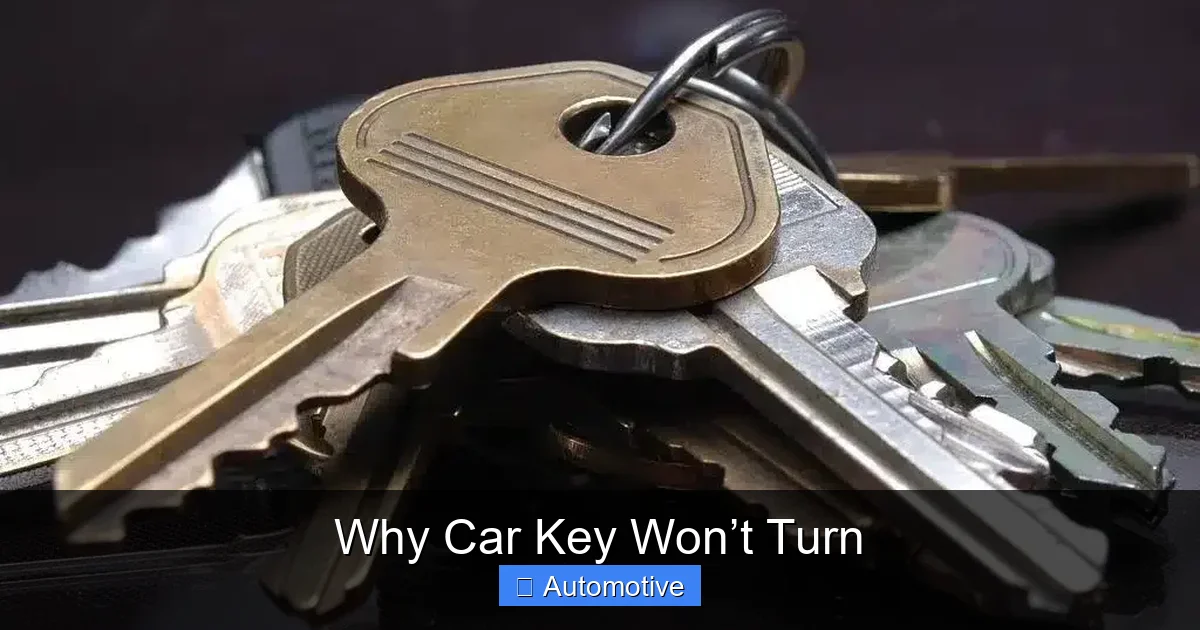
Visual guide about Why Car Key Won’t Turn
Image source: toplockandgarage.com
When your car key won’t turn, don’t panic. Follow this simple troubleshooting checklist to identify and resolve the issue quickly.
Step 1: Check the Steering Wheel
Before doing anything else, assess the steering wheel. Is it locked in place? Try gently wiggling it left and right while turning the key. If the wheel moves slightly and the key turns, you’ve solved the problem.
Step 2: Test the Battery
Turn on the headlights or check the dashboard lights. Are they bright and steady? If they’re dim or off, the battery may be dead. Try jump-starting the car. If it starts, drive to an auto parts store to have the battery tested.
Step 3: Inspect the Key
Look closely at your key. Are the edges worn down? Is it bent or damaged? Compare it to a spare key if you have one. If it looks worn, get a new key made.
Step 4: Clean the Ignition Cylinder
Use compressed air to blow out any debris. If that doesn’t work, apply a small amount of ignition cleaner. Avoid using oil or WD-40, as they can attract more dirt.
Step 5: Try a Spare Key
If you have a spare key, test it in the ignition. If it works, the original key is likely the problem. If neither key works, the issue is probably with the ignition system.
Step 6: Consult a Professional
If none of the above steps work, it’s time to call a mechanic or locksmith. They can diagnose electrical issues, replace the ignition cylinder, or reprogram transponder keys.
Preventing Future Key-Turning Problems
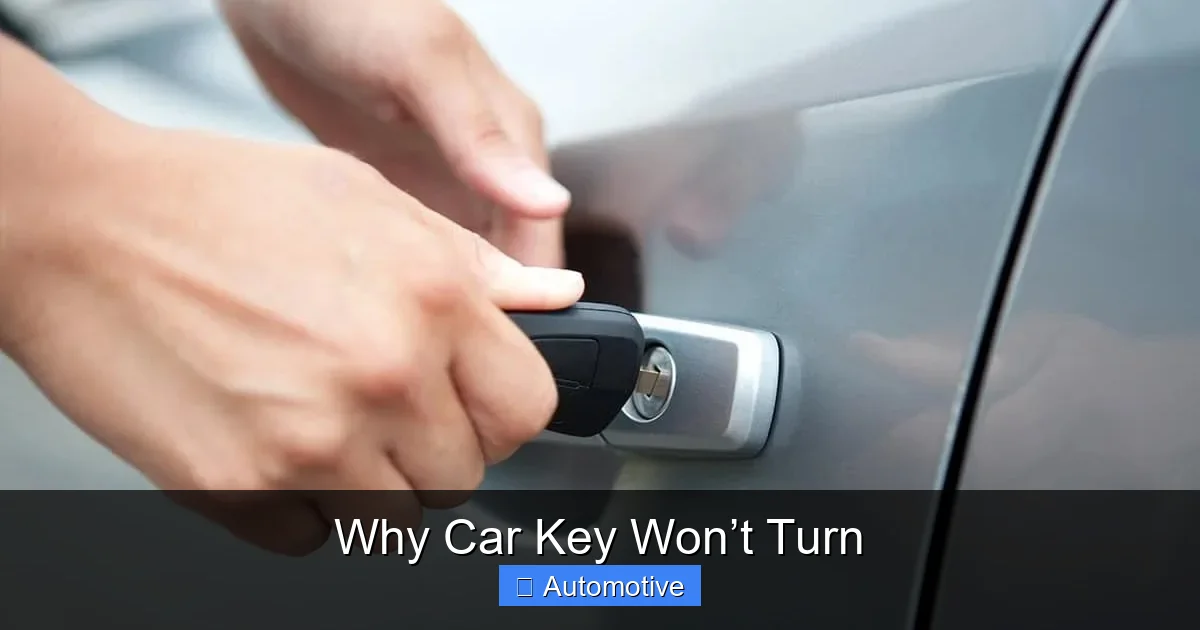
Visual guide about Why Car Key Won’t Turn
Image source: storables.com
An ounce of prevention is worth a pound of cure—especially when it comes to your car’s ignition system. Here are some simple habits that can help you avoid future frustration.
Keep Your Keys Clean and Protected
Wipe your keys regularly with a dry cloth to remove dirt and oils. Store them in a key pouch or case to prevent scratches and bending. Avoid attaching heavy keychains that can strain the ignition cylinder.
Turn the Key Gently
Never force the key to turn. If it doesn’t go smoothly, stop and investigate. Forcing it can damage the internal components and make the problem worse.
Maintain Your Car Battery
Check your battery terminals for corrosion and clean them with a wire brush if needed. Have the battery tested annually, especially before winter.
Use the Correct Key
Avoid using house keys, office keys, or other non-car keys in the ignition. Even a quick test can scratch or damage the cylinder.
Address Issues Early
If you notice the key turning harder than usual, or if the car occasionally fails to start, don’t ignore it. Early intervention can prevent a complete breakdown.
When to Call a Professional
While many key-turning issues can be resolved at home, some problems require expert help. Here’s when you should call a mechanic or locksmith:
- The key is broken off in the ignition.
- Multiple keys fail to turn.
- The ignition cylinder feels loose or wobbly.
- You hear grinding or clicking when turning the key.
- The car starts intermittently or not at all.
- You suspect an electrical or immobilizer issue.
A professional has the tools and knowledge to safely remove broken keys, replace ignition components, and reprogram electronic systems. Trying to force a fix yourself could lead to costly damage.
Conclusion: Don’t Let a Stubborn Key Ruin Your Day
A car key that won’t turn is more than just an inconvenience—it’s a reminder that even the smallest parts of your vehicle play a big role in keeping you on the road. From a simple steering wheel lock to a failing ignition switch, the causes are varied but often fixable.
By understanding the common reasons behind this issue and following the troubleshooting steps outlined above, you can save time, money, and stress. Keep your keys in good condition, maintain your battery, and don’t ignore early warning signs.
Remember, most key-turning problems are preventable with a little care and attention. And when in doubt, don’t hesitate to seek professional help. Your car—and your sanity—will thank you.
Frequently Asked Questions
Why won’t my car key turn even though the battery is fine?
Even with a good battery, your key might not turn due to a locked steering wheel, worn key, or debris in the ignition. Try wiggling the steering wheel while turning the key, or inspect the key for damage.
Can a dirty ignition cylinder prevent the key from turning?
Yes, dirt, dust, and moisture can build up inside the ignition cylinder and block the key from turning. Use compressed air or a specialized cleaner to remove debris safely.
Is it safe to use WD-40 in the ignition?
No, WD-40 is not recommended for ignition cylinders. It can attract dirt and gum up the mechanism. Use a cleaner specifically designed for ignitions instead.
How do I know if my key is worn out?
Look for flattened edges, rounded teeth, or bending. Compare it to a spare key. If it looks damaged, get a new one made from your VIN or original key code.
Can a transponder key stop working suddenly?
Yes, transponder keys can fail if the chip is damaged, the battery dies (in key fobs), or the system loses sync. Try a spare key or visit a dealer for reprogramming.
Should I force the key to turn if it’s stuck?
No, forcing the key can break it or damage the ignition cylinder. Stop immediately and try troubleshooting steps like wiggling the steering wheel or cleaning the cylinder.