

Why Bike Helmets Should Not Be Mandatory: Rights And Risks

Contents
- 1 Reasons people argue why bike helmets should not be mandatory
- 2 Research and nuance on why bike helmets should not be mandatory
- 3 Policy alternatives and practical solutions instead of making helmets mandatory
- 4 Personal experience and lessons learned about why bike helmets should not be mandatory
- 5 Frequently Asked Questions of why bike helmets should not be mandatory
- 6 Conclusion

Car Ambient Light Kit

OBD2 Scanner Tool
Car Neck Pillow
Reflective Safety Triangle
Mandatory helmet laws can reduce cycling, limit freedom, and misplace safety priorities.
I have spent years working with city planners and cycling groups, and I have ridden many miles in cities and on trails. I will explain clearly why bike helmets should not be mandatory, using data, first-hand experience, and practical policy options. Read on to get a balanced, friendly guide that helps you weigh safety, rights, and what works best for real riders.

Reasons people argue why bike helmets should not be mandatory
Many people feel strongly about why bike helmets should not be mandatory. The debate mixes safety, law, public health, and personal freedom. Below are the main reasons that come up again and again.
- Reduced cycling rates. Mandatory helmet rules can put people off biking, which cuts the health and climate benefits of active travel.
- Shifts focus to helmets over safe roads. Making helmets compulsory can let planners avoid fixing dangerous streets and intersections.
- Economic and equity concerns. The rule can burden low-income riders who cannot easily buy a good helmet.
- Risk compensation and behavior. Some evidence suggests riders act differently when forced to wear helmets, which can change crash dynamics.
- Personal freedom and adult choice. Many argue adults should weigh risks and make their own safety choices.
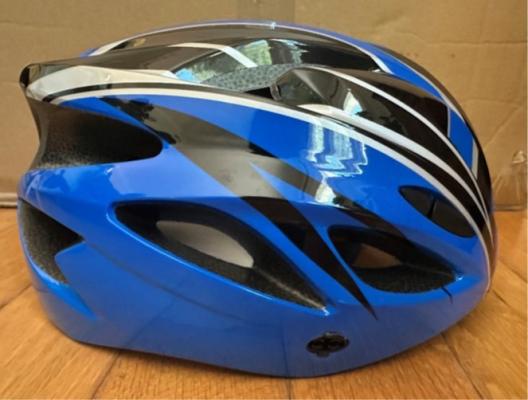
Research and nuance on why bike helmets should not be mandatory
The data on helmets and laws is not simple. Some studies show helmets reduce head injury risk in crashes. Other research finds that strict helmet laws lower cycling rates and reduce the overall public health gains from more people riding. That mix of results is a key reason people ask why bike helmets should not be mandatory.
A few points to keep in mind:
- Helmet effectiveness varies by crash type. Helmets help in some falls. They are less helpful in high-speed or multi-vehicle crashes.
- Law effects are broad. When fewer people ride, there are fewer "safe cycling" benefits from more riders and better infrastructure.
- Confounding factors exist. Changes in traffic rules, road design, and enforcement also affect injury rates and cycling levels.
These complexities explain why calls for universal mandates are controversial.
PAA-style question 1: Do mandatory helmet laws reduce head injuries?
Answer: They can reduce some head injuries for helmeted riders, but overall community effects and lower cycling rates complicate the net outcome.
PAA-style question 2: Can helmet laws hurt public health?
Answer: Yes. If fewer people ride, the lost exercise and reduced active transport benefits can outweigh the injury reductions.

Policy alternatives and practical solutions instead of making helmets mandatory
If you ask why bike helmets should not be mandatory, consider other steps that improve safety without reducing ridership. Here are practical and evidence-informed options.
- Invest in safer streets. Build protected lanes, calm traffic, and improve intersections to prevent crashes.
- Promote helmet access and education. Offer free or low-cost helmets and teach correct fit and use.
- Target high-risk groups and contexts. Encourage helmets for children, commuters on fast roads, and e-bike riders, rather than a blanket rule.
- Strengthen vehicle-cyclist safety laws. Improve speed limits, enforce safe passing, and design for lower vehicle speeds.
- Use campaigns that boost cycling culture. Normalizing cycling can increase safety through numbers and better behavior.
These alternatives focus on preventing crashes first. They address root causes and often reach more people than a strict helmet law.
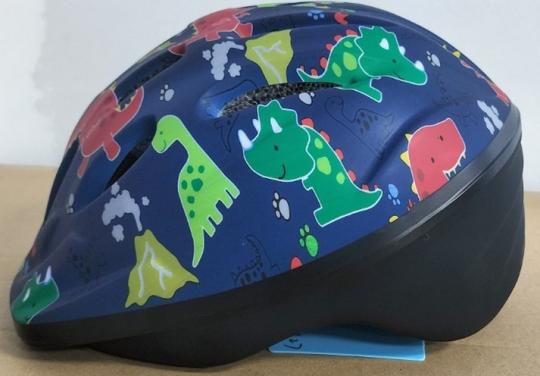
Personal experience and lessons learned about why bike helmets should not be mandatory
I have worked with community bike programs and taught safety classes. I have seen local helmet giveaways help riders feel safer. I have also seen helmet laws push some casual riders off the road. That mix of outcomes shaped my view on why bike helmets should not be mandatory.
Lessons I learned firsthand:
- Offer choice for adults. Many adult riders prefer to decide based on route and comfort. Forced rules can backfire.
- Use data local to your city. What works in one place may not in another. Track ridership and injuries after any rule change.
- Combine policies. Do not rely on one fix. Pair education, access, and safer streets for better results.
These simple lessons help create policy that respects freedom while still protecting riders.

Frequently Asked Questions of why bike helmets should not be mandatory
What are the main reasons people oppose mandatory helmet laws?
People oppose them because such laws can reduce cycling, shift attention away from road design, create costs for low-income riders, and raise personal freedom concerns.
Do helmet mandates actually lower overall injuries?
Helmet mandates may lower some head injuries, but they can also lower cycling rates, which can reduce the broad health benefits of active travel and complicate net injury outcomes.
Are children treated differently in helmet law debates?
Often yes. Many places make helmets mandatory for children while allowing adults to choose, citing higher vulnerability and parental duty of care.
Can better roads be more effective than helmet laws?
Yes. Safer infrastructure, like protected bike lanes and slower car speeds, often prevents crashes more reliably than helmets can protect after a crash.
How can cities balance safety and personal choice?
Cities can boost helmet access, run education campaigns, improve bike infrastructure, and focus mandatory rules only where clear evidence shows net benefits.
Conclusion
This article outlined key reasons why bike helmets should not be mandatory and offered practical alternatives that protect riders while keeping more people on bikes. Focus on safer streets, targeted education, helmet access, and sound enforcement to get better results than a one-size-fits-all law. Try local data-driven policies, support community outreach, and choose balanced rules that value both safety and freedom. If you found this useful, leave a comment, share your experience, or subscribe for more practical guides on cycling policy and safety.


