Which Is the Positive and Negative on a Car Battery
Knowing which is the positive and negative on a car battery is essential for safe handling, jump-starting, and maintenance. This guide explains how to identify each terminal, why polarity matters, and what happens if you connect them incorrectly.
In This Article
- 1 Key Takeaways
- 2 📑 Table of Contents
- 3 Introduction: Why Knowing Battery Polarity Matters
- 4 Understanding Car Battery Basics
- 5 How to Identify the Positive and Negative Terminals
- 6 What Happens If You Connect the Battery Backward?
- 7 Safe Battery Handling and Maintenance Tips
- 8 Common Myths and Misconceptions
- 9 Conclusion: Stay Safe and Informed
- 10 Frequently Asked Questions
- 10.1 How can I tell which terminal is positive on a car battery?
- 10.2 What happens if I connect the battery cables backward?
- 10.3 Can I jump-start a car if I’m not sure which terminal is which?
- 10.4 Why is the negative terminal connected to the car’s chassis?
- 10.5 Should I disconnect the battery when working on my car?
- 10.6 How often should I clean my car battery terminals?
Key Takeaways
- Understanding which is the positive and negative on a car battery: Provides essential knowledge
📑 Table of Contents
Introduction: Why Knowing Battery Polarity Matters
Imagine you’re stranded on a cold morning, your car won’t start, and you pop the hood to check the battery. You see two terminals—one with a red cap, the other black—but you’re not entirely sure which is which. Or maybe you’re helping a friend jump-start their vehicle and want to avoid a dangerous mistake. In moments like these, knowing which is the positive and negative on a car battery isn’t just helpful—it’s essential.
Car batteries are the heart of your vehicle’s electrical system. They provide the initial surge of power needed to start the engine and keep everything from your headlights to your infotainment system running when the engine is off. But like any power source, they come with risks if mishandled. One of the most common mistakes people make is confusing the positive and negative terminals—or worse, connecting them backward. This simple error can lead to blown fuses, damaged electronics, or even a fire. That’s why understanding battery polarity is a fundamental skill for every car owner, whether you’re a seasoned mechanic or a first-time driver.
Understanding Car Battery Basics
Before diving into which terminal is positive or negative, it helps to understand how a car battery works. Most vehicles use a 12-volt lead-acid battery, which stores electrical energy through a chemical reaction between lead plates and sulfuric acid electrolyte. When you turn the key, the battery sends a burst of electricity to the starter motor, which cranks the engine. Once the engine is running, the alternator takes over to recharge the battery and power the car’s systems.
Visual guide about Which Is the Positive and Negative on a Car Battery
Image source: explorebatteries.net
How a Car Battery Creates Electricity
A car battery contains six cells, each producing about 2 volts, adding up to the standard 12 volts. Inside each cell, lead dioxide (positive plate) and sponge lead (negative plate) react with the electrolyte to generate electrons. These electrons flow from the negative terminal through the car’s electrical system and back to the positive terminal, completing the circuit. This flow of electrons is what we call electric current.
The Role of Positive and Negative Terminals
The positive terminal is the point where electrons exit the battery to power the vehicle. It’s the “outflow” side of the circuit. The negative terminal, on the other hand, is where electrons return to the battery, completing the loop. Think of it like a water pump: the positive terminal pushes water (electricity) out, and the negative terminal pulls it back in. Without this complete circuit, no electricity flows, and your car won’t start.
Why Polarity Is Critical
Electrical systems in cars are designed to work with a specific polarity. Reversing the connections—hooking the positive cable to the negative terminal and vice versa—can cause a surge of current in the wrong direction. This can damage sensitive components like the engine control unit (ECU), alternator, or onboard computers. In older cars, this might just blow a fuse. In modern vehicles with advanced electronics, the damage can be far more severe and expensive to repair.
How to Identify the Positive and Negative Terminals
Now that you understand why polarity matters, let’s talk about how to tell which is which. Fortunately, car manufacturers make it relatively easy—if you know what to look for.
Visual guide about Which Is the Positive and Negative on a Car Battery
Image source: images.nexusapp.co
Color Coding: Red for Positive, Black for Negative
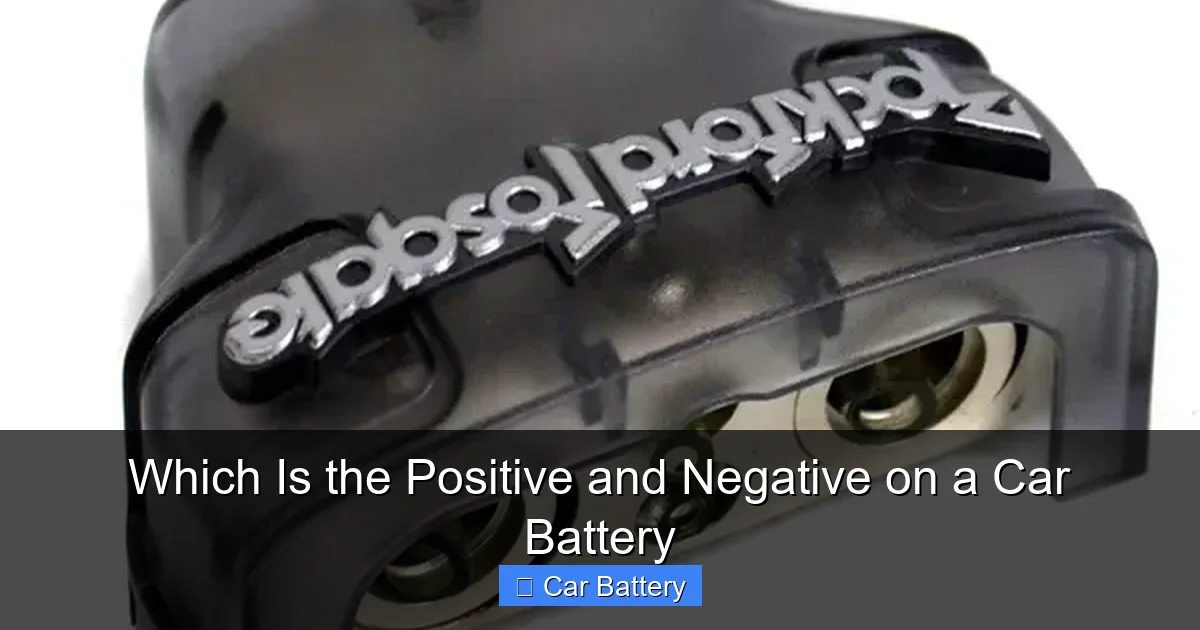
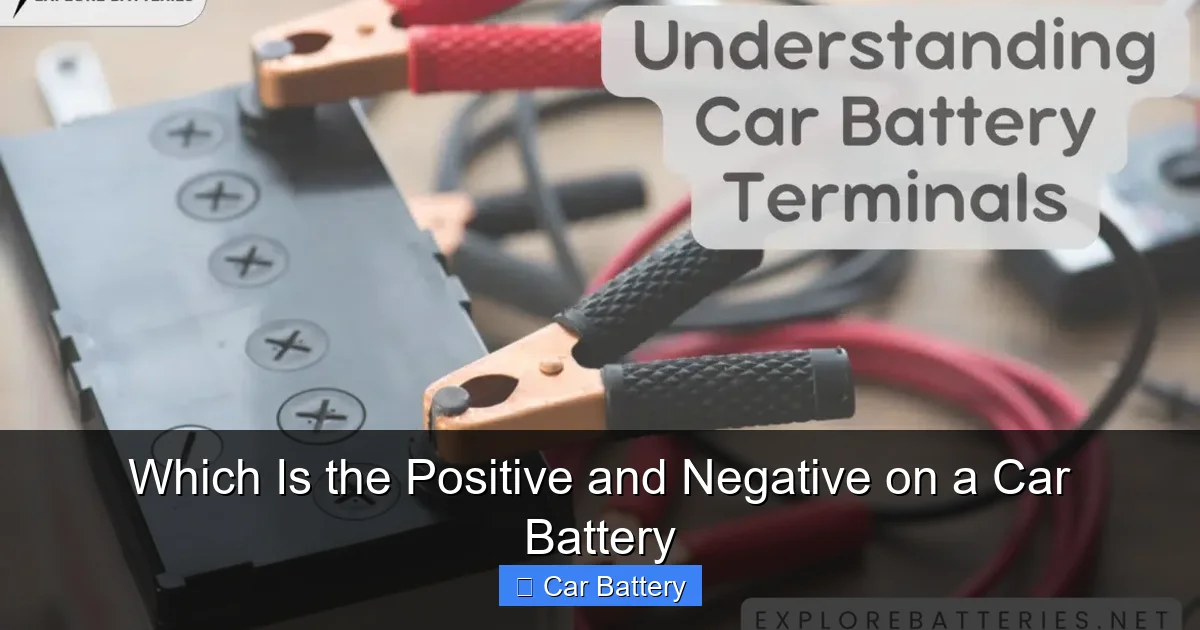
The most obvious clue is color. The positive terminal is almost always covered with a red cap or marked with red paint, tape, or a red cable. The negative terminal is typically black. This color-coding is standardized across the automotive industry, so it’s a reliable first step. If you’re jump-starting a car, the jumper cables follow the same rule: red clamps go to positive, black to negative.
Symbols: The “+” and “-” Marks
Look closely at the battery terminals. The positive terminal will have a “+” (plus) sign stamped on the battery case or printed near the terminal. The negative terminal will have a “–” (minus) sign. These symbols are usually molded into the plastic casing or labeled clearly. Even if the colors fade over time, the symbols remain a trustworthy guide.
Terminal Size and Position
In some older or less common batteries, the positive terminal may be slightly larger in diameter than the negative one. This is a subtle clue, but not always present. More commonly, the positive terminal is positioned on the right side of the battery when facing the front of the vehicle—though this can vary by make and model. Always double-check with color and symbols rather than relying solely on position.
Cable Connections and Labels
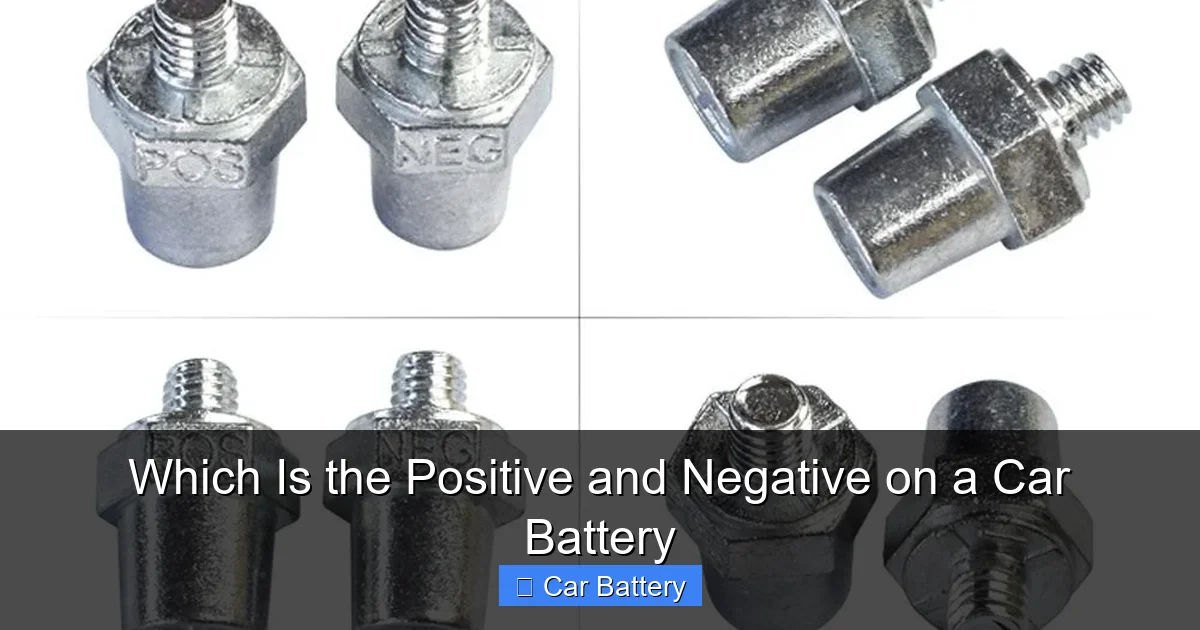
The battery cables themselves can give you hints. The positive cable is usually thicker and connected to the starter motor and fuse box. The negative cable connects directly to the car’s chassis or engine block, serving as the ground. Some batteries also have labels like “POS” or “NEG” printed near the terminals. If you’re ever unsure, consult your vehicle’s owner manual—it will have a diagram of the battery layout.
What Happens If You Connect the Battery Backward?
Connecting the positive and negative terminals incorrectly is one of the riskiest mistakes you can make with a car battery. While it might seem like a simple error, the consequences can be serious.
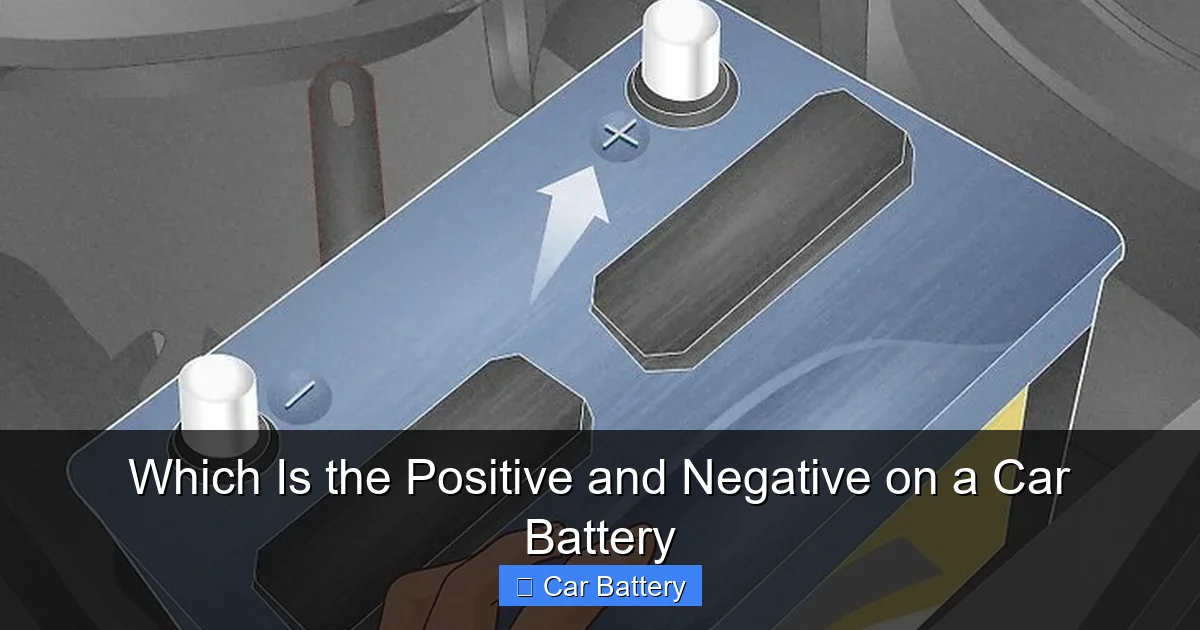
Visual guide about Which Is the Positive and Negative on a Car Battery
Image source: wikihow.com
Immediate Effects: Sparks, Smoke, and Fuses
The moment you reverse the connections, a large surge of current flows in the wrong direction. This can cause immediate sparks, smoke, or even a small explosion if hydrogen gas has built up near the battery. You might hear a loud pop or see a flash when connecting the cables. In many cases, the first line of defense is the main fuse or fusible link, which will blow to protect the system. While replacing a fuse is cheap, it’s a clear sign that something went wrong.
Damage to Electronics and Sensors
Modern cars rely heavily on electronic control units (ECUs), sensors, and computers. These components are designed to operate with correct polarity. Reversing the battery can send voltage spikes through the system, frying delicate circuits. For example, the alternator contains diodes that can burn out if current flows backward. The ECU, which manages fuel injection, ignition timing, and emissions, is especially vulnerable. Repairing or replacing these parts can cost hundreds or even thousands of dollars.
Risk of Fire or Battery Explosion
Car batteries produce hydrogen gas during charging, especially when overcharged or connected incorrectly. This gas is highly flammable. A spark from reversed connections can ignite the gas, causing the battery to explode. While rare, such incidents can result in acid burns, eye injuries, or vehicle damage. Always work in a well-ventilated area and avoid creating sparks near the battery.
Can Modern Cars Protect Against Reverse Polarity?
Some newer vehicles come equipped with reverse polarity protection, such as diodes or circuit breakers that prevent current from flowing backward. These features can save your car from major damage, but they’re not universal. Even with protection, you may still blow fuses or experience temporary electrical issues. The best defense is prevention—always double-check your connections before tightening cables.
Safe Battery Handling and Maintenance Tips
Knowing which is the positive and negative on a car battery is just the beginning. Safe handling and regular maintenance are key to avoiding accidents and extending battery life.
Always Disconnect the Negative First
When removing a battery, always disconnect the negative terminal first. Why? Because the negative cable is grounded to the car’s chassis. If your wrench touches the positive terminal while loosening the negative, nothing happens—the circuit isn’t complete. But if you disconnect the positive first and your tool touches the chassis, you create a short circuit, which can cause sparks, damage, or injury. When reinstalling, connect the positive first, then the negative.
Use Proper Tools and Safety Gear
Use insulated wrenches and wear safety glasses and gloves. Battery acid is corrosive and can burn skin or eyes. If acid spills, neutralize it with baking soda and water, then rinse thoroughly. Keep metal tools away from both terminals at the same time to avoid shorting the battery.
Clean Corroded Terminals Regularly
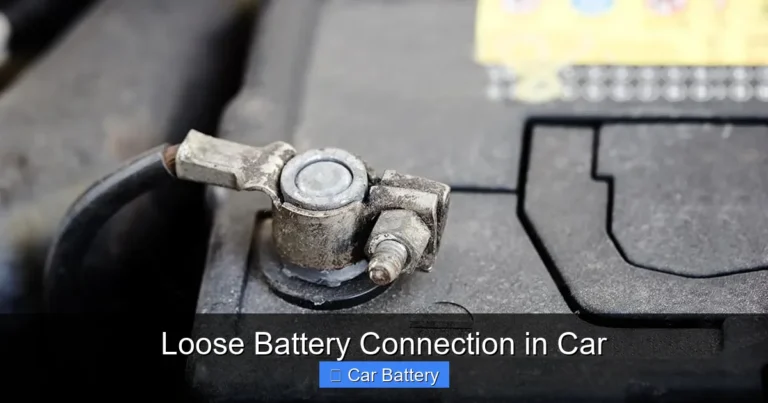
Over time, battery terminals can develop a white, green, or blue crust—this is corrosion caused by acid vapors. Corrosion increases resistance, making it harder for the battery to deliver power. To clean it, disconnect the battery (negative first!), then scrub the terminals with a mixture of baking soda and water using a wire brush. Rinse with clean water and dry thoroughly before reconnecting. Apply a thin layer of petroleum jelly or terminal protector spray to prevent future buildup.
Check Battery Voltage and Health
A healthy car battery should read around 12.6 volts when the engine is off. If it drops below 12.4 volts, it may be losing charge. Use a multimeter to test voltage regularly. Many auto parts stores also offer free battery testing. Replace your battery every 3–5 years, or sooner if you notice slow cranking, dim lights, or warning lights on the dashboard.
Jump-Starting Safely
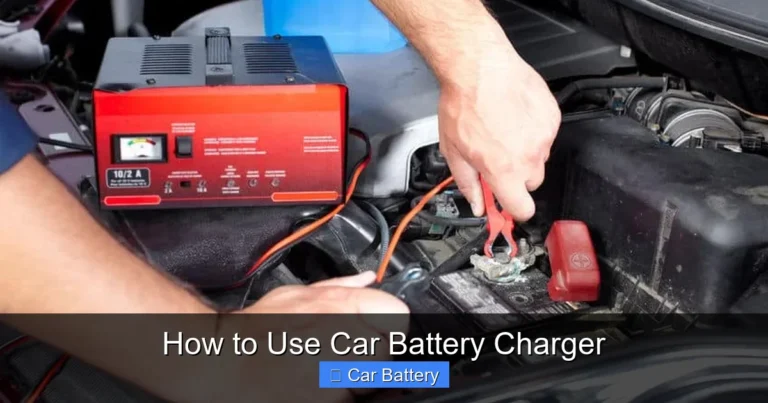
When jump-starting a dead battery, follow the correct sequence: connect the red (positive) clamp to the dead battery’s positive terminal, then to the good battery’s positive. Connect the black (negative) clamp to the good battery’s negative terminal, and finally to an unpainted metal surface on the dead car’s engine block—not the battery terminal. This reduces the risk of sparks near the battery. Start the working car, let it run for a few minutes, then try starting the dead one.
Common Myths and Misconceptions
Despite the clear markings and safety guidelines, many myths about car battery polarity persist. Let’s clear up a few.
Myth: “It Doesn’t Matter Which Terminal Is Which”
This is dangerously false. While some simple devices might work either way, car electrical systems are polarity-sensitive. Reversing the connections can cause irreversible damage. Always treat polarity with respect.
Myth: “The Larger Terminal Is Always Positive”
While this was true on some older batteries, it’s not a reliable rule today. Modern batteries often have terminals of the same size. Rely on color, symbols, and labels instead.
Myth: “You Can’t Hurt the Car by Connecting Backward Once”
Even a brief reverse connection can damage electronics. The risk isn’t worth it. Always double-check before making connections.
Myth: “All Cars Have the Positive Terminal on the Right”
Battery orientation varies by vehicle. Some have top-mounted terminals, others side-mounted. Always identify terminals by markings, not position.
Conclusion: Stay Safe and Informed
Knowing which is the positive and negative on a car battery is a small but crucial piece of knowledge for any driver. It empowers you to handle emergencies, perform maintenance, and avoid costly mistakes. From jump-starting a friend’s car to replacing your own battery, correct polarity ensures safety and reliability.
Remember: red is positive, black is negative. Look for the “+” and “–” signs. Disconnect the negative first, and never ignore corrosion or warning signs. Your car’s electrical system is complex and sensitive—treat it with care. By following these guidelines, you’ll not only protect your vehicle but also gain confidence under the hood. After all, a little knowledge goes a long way when it comes to keeping your car running smoothly.
Frequently Asked Questions
How can I tell which terminal is positive on a car battery?
The positive terminal is usually red and marked with a “+” sign. It may also have a red cap or cable. The negative terminal is black with a “-” sign. Always check both color and symbols to be sure.
What happens if I connect the battery cables backward?
Reversing the cables can cause sparks, blow fuses, damage electronics, or even cause the battery to explode. Modern cars may have some protection, but it’s best to avoid this mistake entirely.
Can I jump-start a car if I’m not sure which terminal is which?
Yes, but take extra care. Look for the “+” and “-” markings and color coding. If unsure, consult the owner’s manual or ask for help. Never guess—incorrect connections can be dangerous.
Why is the negative terminal connected to the car’s chassis?
The negative terminal is grounded to the chassis to complete the electrical circuit. This allows current to flow back to the battery efficiently and reduces the number of wires needed in the vehicle.
Should I disconnect the battery when working on my car?
Yes, especially when performing electrical work. Always disconnect the negative terminal first to prevent short circuits. This protects both you and your vehicle’s electronics.
How often should I clean my car battery terminals?
Inspect terminals every 6 months and clean them if you see corrosion. Regular cleaning helps maintain good electrical contact and extends battery life.