Where to Sell Old Car Parts
Selling old car parts can be a smart way to declutter your garage and earn extra cash. Whether you’re a DIY mechanic or a collector, knowing where and how to sell used auto parts ensures you get the best value while helping others find affordable replacements.
In This Article
- 1 Key Takeaways
- 2 📑 Table of Contents
- 3 Why Sell Old Car Parts?
- 4 Top Online Platforms to Sell Old Car Parts
- 5 Local Options for Selling Old Car Parts
- 6 How to Prepare Your Old Car Parts for Sale
- 7 Tips for Maximizing Your Profits
- 8 Common Mistakes to Avoid
- 9 Conclusion
- 10 Frequently Asked Questions
- 10.1 Where is the best place to sell old car parts online?
- 10.2 How much can I sell old car parts for?
- 10.3 Do I need to clean old car parts before selling?
- 10.4 Can I sell car parts to a junkyard?
- 10.5 Are there fees for selling car parts online?
- 10.6 What should I do if a buyer says the part doesn’t work?
Key Takeaways
- Online marketplaces like eBay and Facebook Marketplace offer wide reach and easy listing tools for selling old car parts to a national or global audience.
- Specialized auto part platforms such as Car-Part.com and RockAuto connect sellers directly with repair shops and car enthusiasts looking for specific components.
- Local junkyards and salvage yards buy used parts in bulk, especially for popular or high-demand vehicles, often offering quick cash payments.
- Selling to mechanics and restoration shops can lead to repeat business and higher prices for rare or vintage parts.
- Hosting a garage sale or using community boards works well for low-value items or when you want to sell multiple parts at once.
- Always clean, photograph, and accurately describe your parts to increase buyer trust and reduce returns or disputes.
- Research pricing and demand before listing to avoid underpricing valuable components like transmissions, ECUs, or alloy wheels.
📑 Table of Contents
Why Sell Old Car Parts?
Let’s face it—most of us have a corner of the garage filled with old car parts. Maybe it’s a spare alternator from a project car that never got finished, a set of vintage hubcaps, or a transmission pulled from a vehicle that’s now sitting in the driveway. These parts might seem like junk, but to the right buyer, they’re gold.
Selling old car parts isn’t just about cleaning up space. It’s a practical way to recycle usable components, support the DIY repair community, and earn some extra money. With the rising cost of new auto parts and the growing popularity of car restoration, there’s never been a better time to turn your unused inventory into cash. Whether you’re a weekend mechanic, a collector, or just someone who’s finally tackling that long-overdue cleanup, knowing where to sell old car parts can make all the difference.
Top Online Platforms to Sell Old Car Parts
The internet has revolutionized how we buy and sell auto parts. Instead of being limited to local buyers, you can now reach thousands of potential customers across the country—or even the world. Here are the best online platforms to sell old car parts, each with its own strengths and ideal use cases.
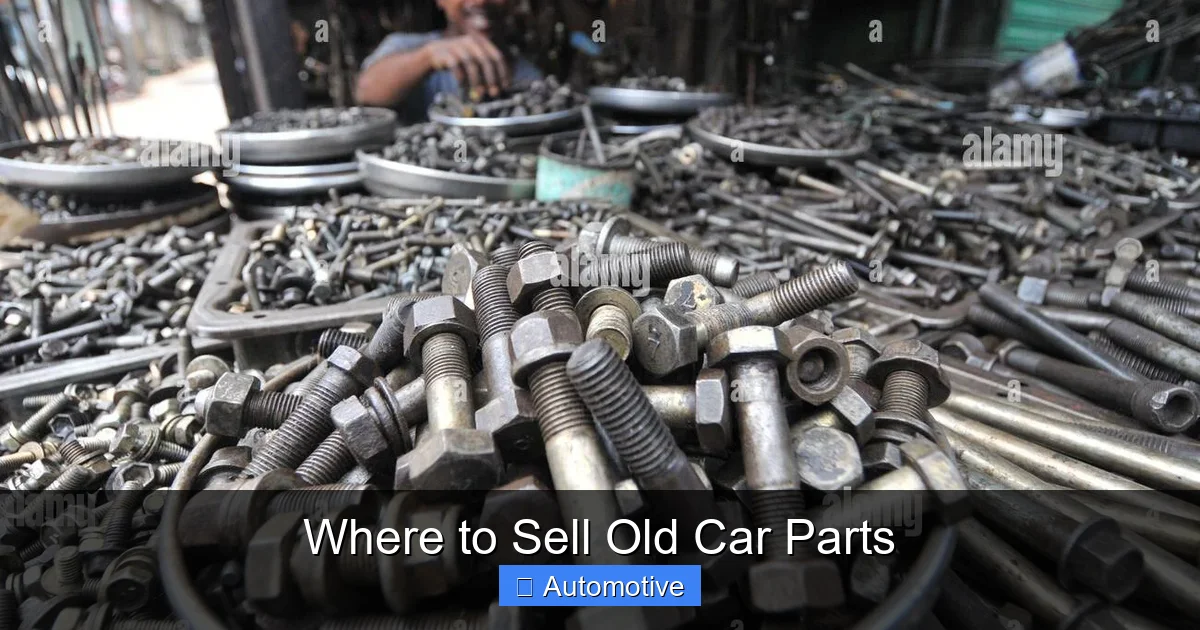
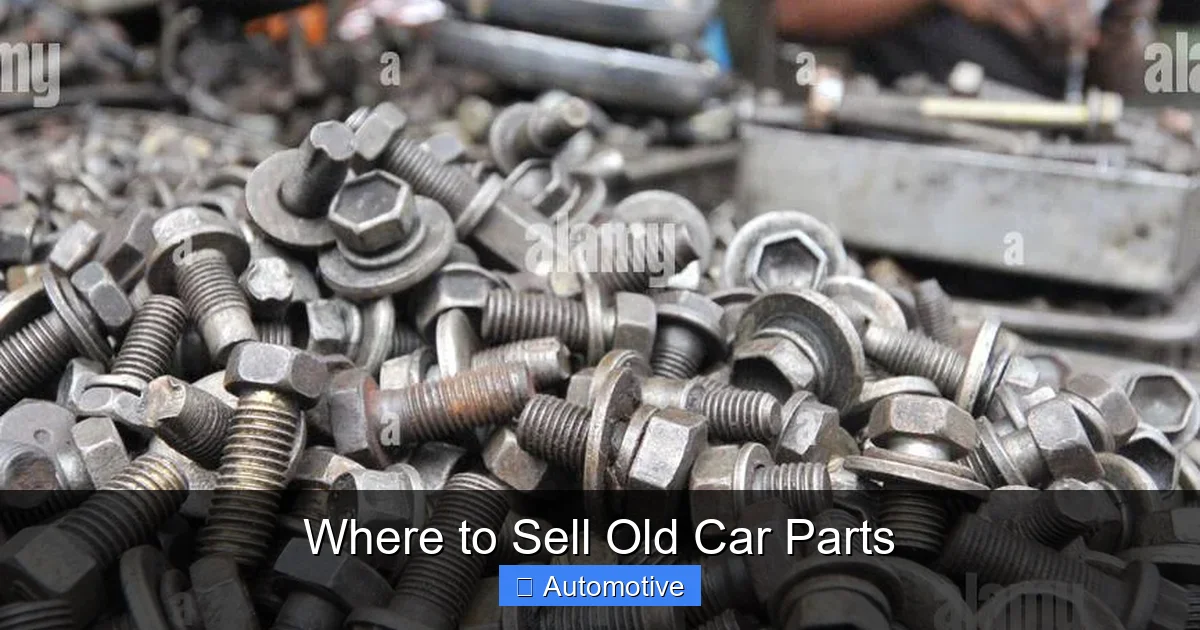
Visual guide about Where to Sell Old Car Parts
Image source: c8.alamy.com
eBay Motors
eBay Motors is one of the most trusted and widely used platforms for selling old car parts. With millions of active users, it offers massive exposure for your listings. Whether you’re selling a rare carburetor from a 1967 Mustang or a used set of brake rotors, eBay gives you the tools to reach the right audience.
One of the biggest advantages of eBay is its auction format. You can list your part with a starting bid and let buyers compete, which often drives up the final price—especially for rare or high-demand items. Alternatively, you can set a “Buy It Now” price for a quicker sale. eBay also offers detailed category filters, so buyers can easily search by make, model, year, and part type.
To succeed on eBay, take high-quality photos from multiple angles, write a clear and honest description, and include keywords like “used,” “OEM,” or “tested” to improve visibility. Be sure to check completed listings to see what similar parts have sold for. Shipping can be a challenge with heavy or bulky parts, but eBay’s shipping calculator helps estimate costs. For smaller items, consider using flat-rate boxes from USPS to keep expenses low.
Facebook Marketplace
Facebook Marketplace has become a go-to platform for local sales, and it’s especially useful for selling old car parts quickly and without shipping hassles. Since it’s integrated into Facebook, you can message buyers directly, arrange meetups, and even see mutual friends—adding a layer of trust.
The best part? It’s free to list, and there are no selling fees. You can post photos, set a price, and describe the condition of the part in simple terms. Because it’s location-based, you’re likely to attract local mechanics, car enthusiasts, or DIYers who can pick up the part in person. This is ideal for large or heavy items like engines, transmissions, or body panels that are expensive to ship.
To get the most out of Facebook Marketplace, post during peak hours (evenings and weekends), use clear photos, and respond quickly to messages. Be cautious of scams—never accept payment in advance without meeting in a public place, and avoid shipping items unless you’re using a secure payment method.
Car-Part.com
If you’re serious about selling old car parts, Car-Part.com is a specialized platform designed specifically for auto recyclers and part sellers. It connects you with thousands of repair shops, body shops, and individual buyers who are actively searching for used parts.
Unlike general marketplaces, Car-Part.com uses a network of certified recyclers. When you list a part, it becomes visible to buyers nationwide. The site also provides pricing data based on recent sales, helping you set competitive prices. You can list parts by vehicle identification number (VIN), which ensures accuracy and helps buyers find exact matches.
One downside is that Car-Part.com charges a listing fee and takes a commission on sales, so it’s best suited for higher-value parts. However, the targeted audience means your listing is more likely to be seen by someone who actually needs that specific component. It’s a great option if you have a large inventory or are running a small auto salvage business.
RockAuto
RockAuto is primarily known as a retailer of new auto parts, but they also have a “Sell Your Parts” program that allows individuals and shops to list used components. While not as large as eBay or Car-Part.com, RockAuto’s audience is highly focused on car repair and maintenance, making it a solid choice for functional parts.
To sell on RockAuto, you’ll need to create a seller account and follow their guidelines for listing. They emphasize quality and condition, so be prepared to provide detailed information and photos. RockAuto handles the payment processing, and you ship the part directly to the buyer. The platform is particularly strong for common parts like alternators, starters, and fuel pumps.
Because RockAuto is a trusted name in the auto industry, listings here often carry more credibility. However, the approval process can be stricter, and they may reject parts that are too worn or damaged. If your parts are in good working condition, this can be a reliable way to reach serious buyers.
Local Options for Selling Old Car Parts
While online platforms offer broad reach, sometimes the fastest and easiest way to sell old car parts is right in your own neighborhood. Local options let you avoid shipping costs, meet buyers face-to-face, and often get paid in cash on the spot. Here are the best local avenues to consider.
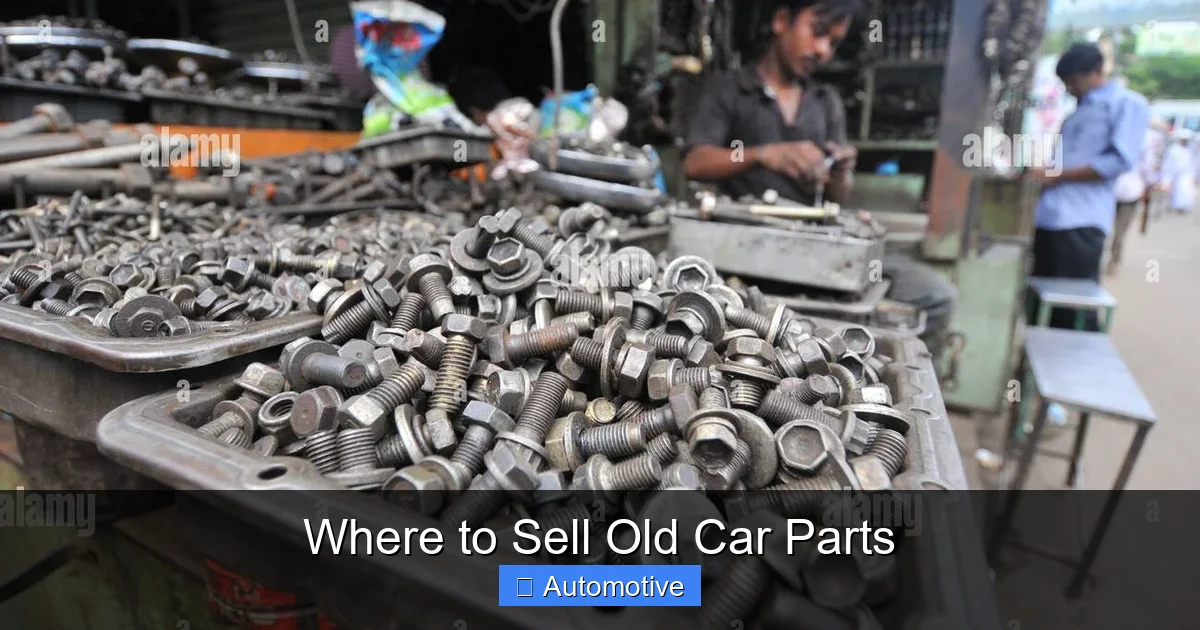
Visual guide about Where to Sell Old Car Parts
Image source: c8.alamy.com
Junkyards and Salvage Yards
Junkyards, also known as salvage yards or auto recyclers, are one of the most traditional places to sell old car parts. These businesses buy used vehicles and dismantle them for parts, then resell those components to mechanics, restorers, and DIYers. Many junkyards will also buy individual parts directly from sellers.
The advantage of selling to a junkyard is speed. You can often drop off your part and walk away with cash the same day. They’re especially interested in high-demand parts like engines, transmissions, catalytic converters, and body panels from popular models. Some yards even offer free towing if you’re selling a complete vehicle.
To get the best price, call ahead and ask what they’re currently buying. Prices can vary widely between yards, so it’s worth shopping around. Be honest about the condition of the part—junkyards are experts and will inspect it closely. Keep in mind that they buy parts at wholesale prices, so you won’t get retail value, but it’s a hassle-free option for quick cash.
Local Mechanics and Repair Shops
Independent mechanics and small repair shops are always on the lookout for affordable parts to keep their costs down. If you have a used part that’s still in good working condition, a local mechanic might be willing to buy it—especially if it’s for a common vehicle they service regularly.
Start by visiting shops in your area and asking if they buy used parts. Some mechanics specialize in older cars or specific brands, so target those that align with your inventory. For example, a shop that works on Hondas or Toyotas will be more interested in parts from those makes.
You can also leave your contact information with a list of available parts. Many shops keep a “wanted” board or have a system for sourcing parts from local sellers. Building a relationship with a mechanic can lead to repeat business, especially if you regularly have parts to sell.
Restoration Shops and Car Clubs
Car restoration shops and enthusiast clubs are treasure troves for rare and vintage parts. If you have components from classic cars, muscle cars, or discontinued models, these groups are often willing to pay a premium for hard-to-find items.
Join local car clubs or attend car shows and swap meets to network with collectors and restorers. Many clubs have online forums or Facebook groups where members buy and sell parts. You can also contact restoration shops directly—some specialize in specific eras or brands and are always hunting for original parts.
For example, if you have a set of original 1960s Ford hubcaps or a vintage carburetor, a restoration expert might pay significantly more than a junkyard would. These buyers value authenticity and originality, so highlight any unique features or documentation you have.
Garage Sales and Community Boards
Don’t underestimate the power of a good old-fashioned garage sale. If you have a lot of small or low-value parts—like switches, relays, trim pieces, or tools—a garage sale can be an efficient way to clear them out in one go.
Advertise your sale in local newspapers, on community bulletin boards, or through neighborhood apps like Nextdoor. Price items reasonably—most buyers at garage sales expect discounts. Group similar items together (e.g., “electrical parts” or “interior trim”) to make browsing easier.
You can also post flyers at auto parts stores, repair shops, or community centers. Include photos of your best items and mention that you’re selling car parts. This attracts the right audience and increases your chances of a successful sale.
How to Prepare Your Old Car Parts for Sale
No matter where you choose to sell, the way you present your old car parts can make or break a sale. Buyers want to know exactly what they’re getting, and a little effort in preparation can significantly increase your chances of a quick, profitable sale.
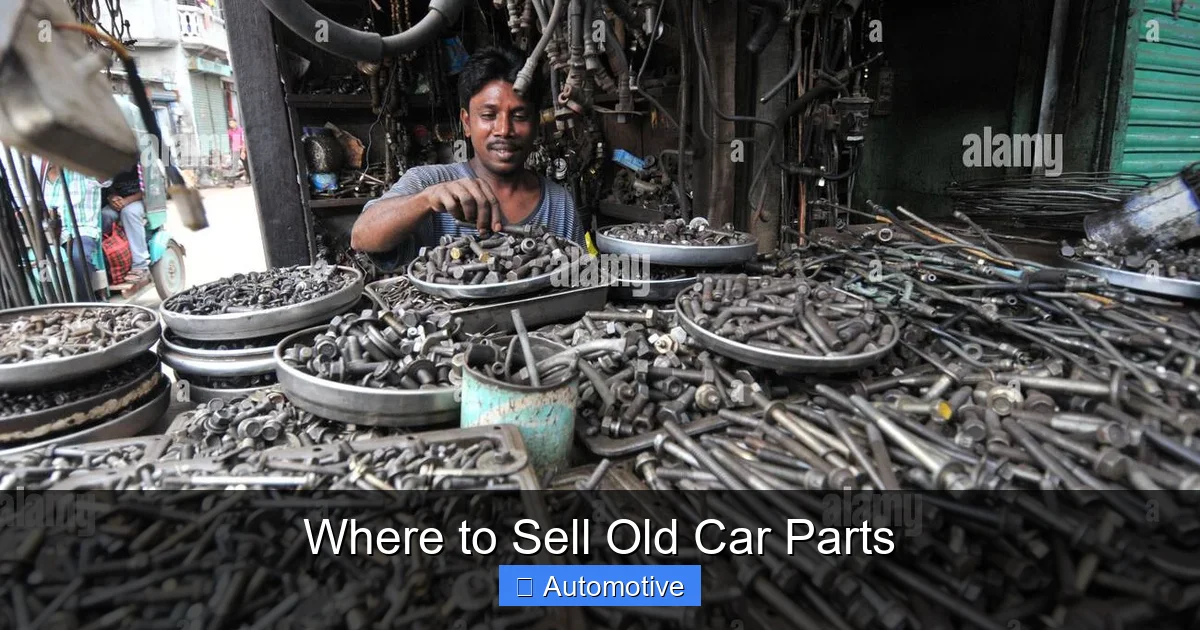
Visual guide about Where to Sell Old Car Parts
Image source: c8.alamy.com
Clean and Inspect the Parts
First impressions matter. A dirty, greasy part looks neglected and may scare off buyers. Take the time to clean each component thoroughly. Use a degreaser for engine parts, soap and water for body panels, and a soft brush for delicate items like sensors or switches.
Once clean, inspect the part for damage, wear, or missing components. Note any cracks, rust, or signs of overheating. Be honest about the condition—buyers appreciate transparency and are more likely to trust your listing.
Take High-Quality Photos
Photos are your most powerful selling tool. Use natural light and a clean background to showcase the part from multiple angles. Include close-ups of any markings, part numbers, or unique features. If the part has been tested and works, mention that in the description and consider including a short video.
Avoid blurry or dark images. A well-lit, sharp photo can make a used part look almost new. If you’re selling a set (like wheels or headlights), take a group photo to show the complete package.
Write a Clear and Detailed Description
Your description should answer the buyer’s most common questions: What is it? What vehicle is it for? Is it used or new? Does it work? Include the make, model, year, and engine type if applicable. Mention any known issues or repairs.
Use keywords naturally to improve searchability. For example, “used OEM alternator for 2005 Honda Civic” is more effective than “old car part.” If the part has been tested, say so. If it comes with a warranty or return policy, mention that too.
Price It Right
Pricing is tricky. Set it too high, and no one will buy. Set it too low, and you leave money on the table. Research recent sales of similar parts on eBay, Car-Part.com, or local listings. Consider the part’s condition, rarity, and demand.
For rare or vintage parts, you might be able to charge a premium. For common parts, competitive pricing is key. If you’re unsure, start slightly higher and be open to offers. You can always lower the price later if it doesn’t sell.
Package and Ship Safely
If you’re selling online, proper packaging is essential. Use sturdy boxes, bubble wrap, and packing peanuts to protect the part during transit. For heavy items, reinforce the box with tape and consider double-boxing.
Include a packing slip with your contact information and a note thanking the buyer. This small touch builds goodwill and encourages positive feedback. If shipping internationally, check customs regulations and declare the item accurately to avoid delays.
Tips for Maximizing Your Profits
Selling old car parts isn’t just about finding a buyer—it’s about getting the best possible price. With a few smart strategies, you can turn your unused inventory into a profitable side hustle.
Bundle Related Parts
Instead of selling parts individually, consider bundling them. For example, sell a complete engine harness with sensors and connectors, or a set of wheels with tires and center caps. Buyers often prefer packages because they save time and money.
Bundling can also increase your total sale price. A single alternator might sell for $50, but a complete charging system (alternator, battery, wiring) could fetch $150 or more.
Highlight Rare or OEM Parts
Original Equipment Manufacturer (OEM) parts and rare components command higher prices. If your part is OEM, mention it clearly. If it’s from a discontinued model or hard to find, emphasize its uniqueness.
For example, “OEM Bosch fuel injector for 1998 BMW M3” is more valuable than a generic aftermarket part. Collectors and restorers are often willing to pay a premium for authenticity.
Time Your Sale Right
Demand for certain parts fluctuates with the seasons. For example, convertible tops and AC compressors sell better in spring and summer, while heaters and defrosters are in demand in fall and winter.
Also, consider listing parts before major car events, holidays, or tax refund season when people have extra cash. Timing your sale can make a big difference in how quickly you sell and how much you earn.
Build a Reputation
If you plan to sell regularly, focus on building a positive reputation. Ship parts quickly, respond to messages promptly, and go the extra mile to satisfy buyers. On platforms like eBay, positive feedback can lead to higher visibility and more sales.
Consider creating a simple website or social media page to showcase your inventory. This adds professionalism and makes it easier for repeat customers to find you.
Common Mistakes to Avoid
Even experienced sellers make mistakes. Avoid these common pitfalls to ensure a smooth and profitable selling experience.
Underpricing Valuable Parts
It’s easy to undervalue parts, especially if you’re not familiar with the market. A used transmission or ECU can be worth hundreds of dollars, but if you price it too low, you lose out. Always research before listing.
Ignoring Shipping Costs
Heavy or bulky parts can be expensive to ship. If you don’t account for shipping in your price, you might end up losing money. Use shipping calculators and consider offering local pickup for large items.
Being Vague in Descriptions
A vague description like “car part, works fine” won’t attract buyers. Be specific about the part, its condition, and compatibility. The more information you provide, the more confident buyers will feel.
Not Testing Functional Parts
If a part is supposed to work, test it before selling. A buyer who receives a non-functional part is likely to leave negative feedback or request a refund. Testing builds trust and reduces disputes.
Conclusion
Selling old car parts is a smart, sustainable way to declutter your space and earn extra income. Whether you choose online platforms like eBay and Car-Part.com or local options like junkyards and garage sales, there are plenty of opportunities to find the right buyer.
The key to success is preparation, honesty, and research. Clean your parts, take great photos, write detailed descriptions, and price them fairly. By understanding your options and avoiding common mistakes, you can turn your unused auto components into cash—and help others keep their cars running smoothly in the process.
Frequently Asked Questions
Where is the best place to sell old car parts online?
The best place depends on the part and your goals. eBay Motors offers the widest reach, while Car-Part.com connects you with repair shops. Facebook Marketplace is great for local, quick sales.
How much can I sell old car parts for?
Prices vary widely based on the part, condition, and demand. Common parts like alternators may sell for $30–$100, while rare or vintage components can fetch hundreds or even thousands.
Do I need to clean old car parts before selling?
Yes. Clean parts look better, sell faster, and show buyers you’ve taken care of them. A little cleaning can significantly increase your chances of a sale.
Can I sell car parts to a junkyard?
Absolutely. Many junkyards buy individual parts, especially high-demand items like engines, transmissions, and catalytic converters. Call ahead to check their current needs.
Are there fees for selling car parts online?
Some platforms charge listing or selling fees. eBay and Car-Part.com take a percentage of the sale, while Facebook Marketplace is free. Always check the fee structure before listing.
What should I do if a buyer says the part doesn’t work?
Be honest about the condition when listing. If the part was tested and worked, offer a return or partial refund to maintain goodwill. Clear communication prevents disputes.