Where to Sell My Used Car Near Me
Selling your used car doesn’t have to be stressful. Whether you’re upgrading, downsizing, or just ready for a change, knowing where to sell your used car near you can save time, money, and hassle. From local dealerships to online marketplaces, we’ll walk you through the best options to get the most value for your vehicle.
Thinking about selling your used car? You’re not alone. Millions of drivers across the country upgrade, downsize, or simply switch vehicles every year. But the big question remains: where to sell my used car near me? The good news is, you’ve got more options than ever—each with its own pros and cons. Whether you want speed, convenience, or maximum cash, there’s a method that fits your needs.
The key is understanding your priorities. Are you in a rush to sell? Do you want the highest possible price? Are you comfortable meeting strangers for test drives? Your answers will guide you toward the best selling route. And while “near me” might suggest local dealerships or classifieds, today’s digital tools make it easier than ever to reach buyers both nearby and nationwide. From instant online offers to peer-to-peer marketplaces, the landscape has evolved—and so have your opportunities.
In This Article
- 1 Key Takeaways
- 2 📑 Table of Contents
- 3 1. Sell to a Local Dealership (Trade-In or Direct Purchase)
- 4 2. Use Online Car Buying Services (Instant Offers)
- 5 3. Sell Privately (Online or Local Classifieds)
- 6 4. Use Peer-to-Peer Car Sharing Platforms
- 7 5. Sell to a Local Mechanic or Car Enthusiast
- 8 6. Donate Your Car (Tax Deduction Option)
- 9 7. Prepare Your Car to Sell for Top Dollar
- 10 Conclusion
- 11 Frequently Asked Questions
Key Takeaways
- Sell to a dealership for convenience: Trade-ins are quick and hassle-free, though you may get less than private sale prices.
- Use online platforms for higher offers: Sites like CarGurus, Autotrader, and Facebook Marketplace connect you with serious buyers.
- Private sales yield the best value: You keep all the profit, but you’ll handle advertising, test drives, and paperwork.
- Consider instant cash offers: Companies like CarMax, Vroom, and Carvana provide fast, no-haggle quotes online.
- Check local classifieds and community boards: Newspapers, bulletin boards, and neighborhood apps can attract nearby buyers.
- Prepare your car before selling: Clean it, fix minor issues, and gather maintenance records to boost appeal.
- Know your car’s value: Use tools like Kelley Blue Book or Edmunds to price it fairly and competitively.
📑 Table of Contents
- 1. Sell to a Local Dealership (Trade-In or Direct Purchase)
- 2. Use Online Car Buying Services (Instant Offers)
- 3. Sell Privately (Online or Local Classifieds)
- 4. Use Peer-to-Peer Car Sharing Platforms
- 5. Sell to a Local Mechanic or Car Enthusiast
- 6. Donate Your Car (Tax Deduction Option)
- 7. Prepare Your Car to Sell for Top Dollar
- Conclusion
1. Sell to a Local Dealership (Trade-In or Direct Purchase)
One of the most common and convenient ways to sell your used car is through a local dealership. Whether you’re trading in your vehicle for a new one or selling it outright, dealerships offer a straightforward, no-fuss process. You drive in, get an appraisal, and walk out with cash or credit—often the same day.
How It Works
When you visit a dealership, a salesperson or appraiser will inspect your car, check its condition, mileage, and market value, and make you an offer. This offer might be lower than what you’d get privately, but it comes with major perks: no advertising, no test drives, and no waiting for a buyer. If you’re buying a new car, the trade-in value can be applied directly to your purchase, reducing your out-of-pocket cost.
Pros and Cons
Pros:
– Fast and easy—usually completed in under an hour.
– No need to meet strangers or handle paperwork.
– Can roll the value into a new car purchase.
– Safe and secure transaction.
Cons:
– Offers are typically 10–20% below private sale value.
– Dealers aim to resell for profit, so they’ll lowball.
– Limited negotiation room in some cases.
Tips for Getting the Best Deal
To maximize your trade-in value, do your homework. Use online tools like Kelley Blue Book (KBB) or Edmunds to check your car’s “trade-in” value. Clean your car inside and out—a spotless interior and exterior can make a big difference. Gather all service records to show the car has been well-maintained. And don’t be afraid to get quotes from multiple dealerships. One might offer $2,000 more than another just down the road.
For example, Sarah from Austin traded in her 2018 Honda Civic at three different dealerships. The first offered $12,500, the second $13,200, and the third—just 15 miles away—offered $14,000. A little legwork saved her $1,500.
2. Use Online Car Buying Services (Instant Offers)
Visual guide about Where to Sell My Used Car Near Me
Image source: cdn.dlron.us
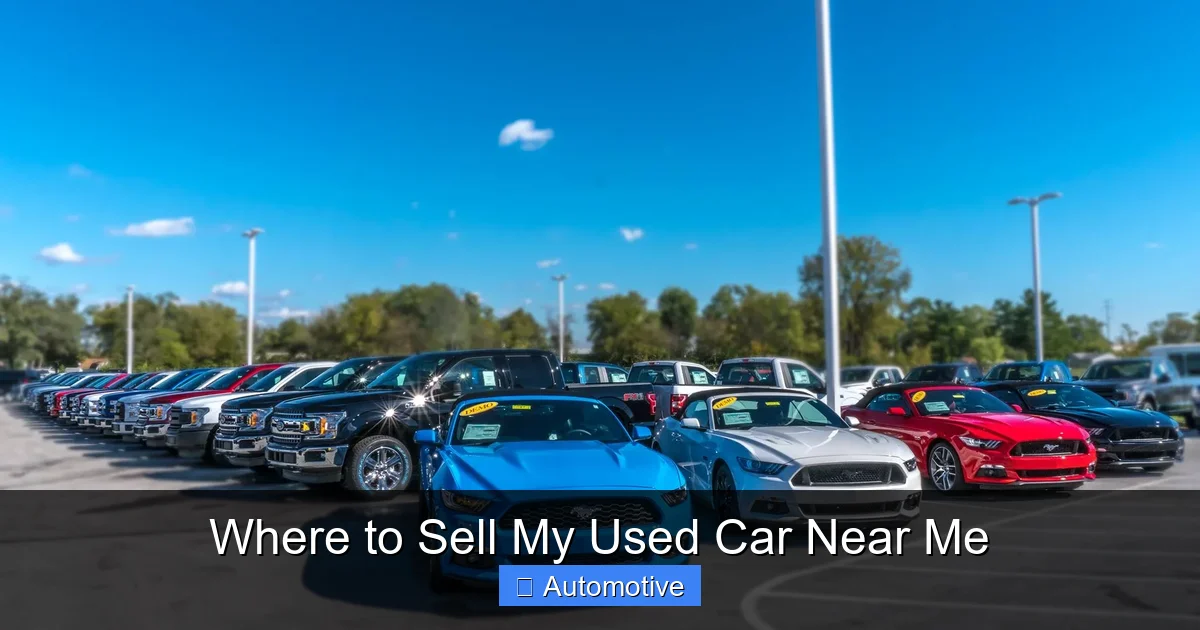
If you want speed and simplicity without the dealership hassle, online car buying services are a game-changer. Companies like CarMax, Carvana, Vroom, and Shift allow you to get an instant cash offer for your used car—often within minutes—and pick it up or have it towed away.
How It Works
You start by entering your car’s details (make, model, year, mileage, condition) on the company’s website. They use algorithms and market data to generate a no-obligation offer. If you accept, you schedule a pickup or drop-off. The company inspects the car, and if everything matches your description, they pay you—usually via check or direct deposit—on the spot.
Pros and Cons
Pros:
– Get a quote in under 10 minutes.
– No need to meet buyers or negotiate.
– Free towing or pickup in many areas.
– Transparent, no-haggle pricing.
Cons:
– Offers may be lower than private sales.
– Final price can drop if the inspection reveals issues.
– Limited to areas where the service operates.
Real-Life Example
Mike from Denver used Carvana to sell his 2016 Toyota Camry. He entered his car’s info online, got an offer of $15,800, and scheduled a pickup for the next day. The Carvana rep inspected the car, confirmed the condition, and handed him a check. The whole process took less than 24 hours. “I didn’t have to clean it or meet anyone,” Mike said. “It was perfect for my busy schedule.”
Tips for Success
Be honest about your car’s condition. If you say it’s in “excellent” shape but the inspection finds dents or mechanical issues, your offer could be reduced. Take clear photos and note any flaws upfront. Also, compare offers from at least two services. CarMax and Vroom, for instance, often differ by $1,000 or more for the same vehicle.
3. Sell Privately (Online or Local Classifieds)
Visual guide about Where to Sell My Used Car Near Me
Image source: imagescdn.dealercarsearch.com
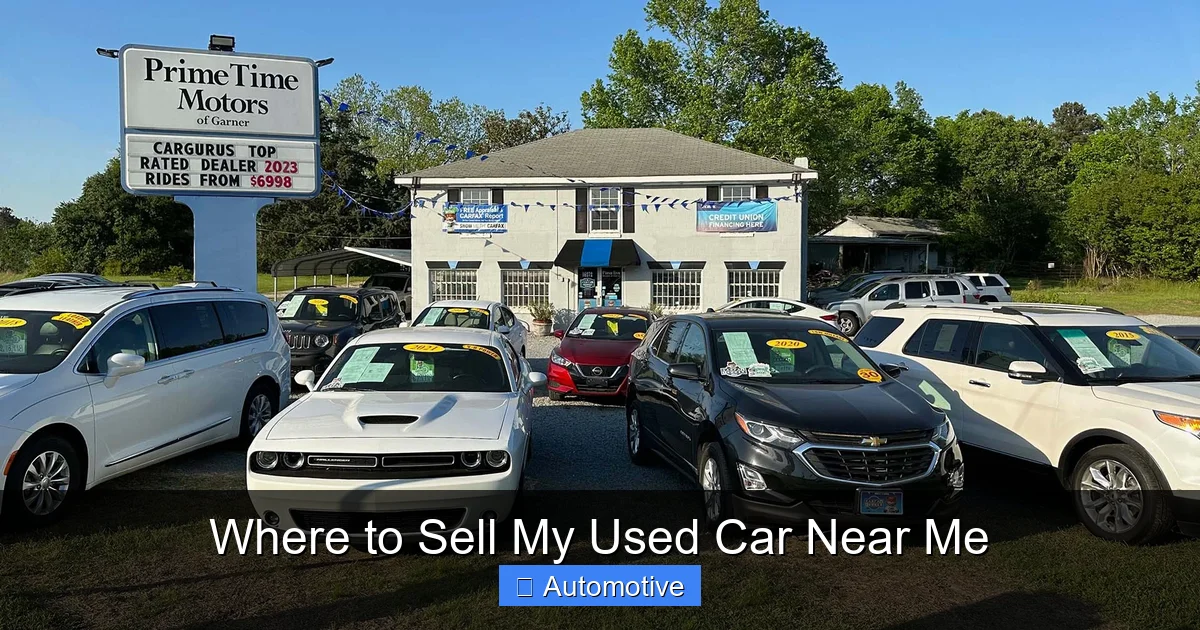
If your goal is to get the highest possible price for your used car, selling privately is your best bet. You cut out the middleman, keep all the profit, and have full control over pricing and negotiation. But it requires more effort—advertising, showing the car, and handling paperwork.
Where to List Your Car
There are several platforms where you can sell your car privately:
– **Facebook Marketplace:** Free, easy to use, and reaches local buyers quickly. You can message interested parties directly and schedule meetups.
– **Craigslist:** Still popular in many cities, especially for older or budget vehicles. Be cautious of scams.
– **Autotrader and Cars.com:** Great for serious buyers. These sites attract people actively shopping for cars.
– **OfferUp and Letgo:** Mobile-friendly apps that let you post photos and chat with buyers.
– **Local newspapers and community boards:** Some buyers still check print ads or neighborhood bulletin boards.
How to Create a Winning Listing
Your ad is your first impression. A great listing includes:
– A clear, attention-grabbing title (e.g., “2019 Honda CR-V EX – Low Miles, Clean Title”)
– High-quality photos (exterior, interior, engine, tires, any flaws)
– Detailed description (mileage, condition, features, recent repairs)
– Honest disclosure of issues (rust, check engine light, etc.)
– Your asking price and contact info
For example, Jessica from Portland sold her 2017 Subaru Outback on Facebook Marketplace in just five days. She posted 12 photos, mentioned the new tires and recent oil change, and priced it $1,000 below KBB’s “private party” value to attract quick interest. She had three test drives and sold it to the first serious buyer.
Safety Tips for Private Sales
Selling privately means meeting strangers—so safety matters. Always meet in public places like shopping centers or police station parking lots. Bring a friend if possible. Never share personal info like your home address or Social Security number. Accept cash, cashier’s checks, or bank transfers—avoid personal checks. And always complete the sale at your bank to verify funds.
Handling the Paperwork
Once you find a buyer, you’ll need to transfer ownership. This typically involves:
– Signing the title over to the buyer (check your state’s requirements—some need notarization)
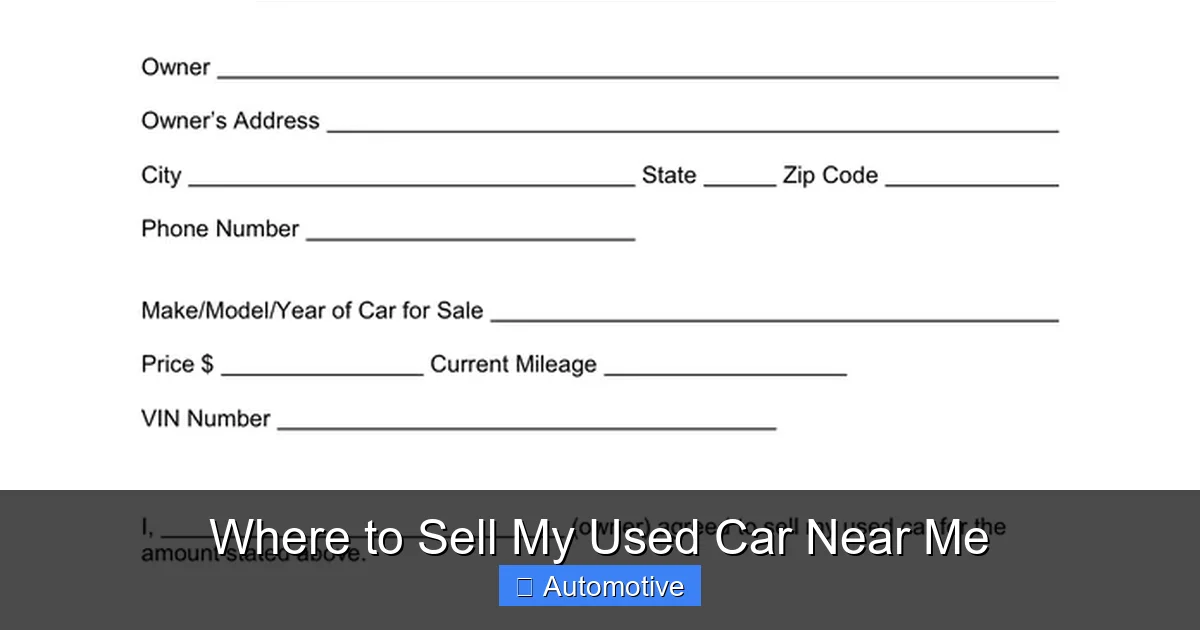
– Completing a bill of sale (available online or at your DMV)
– Providing a release of liability form (to protect you if the car is driven illegally after sale)
– Removing license plates (in most states)
Keep copies of all documents for your records.
4. Use Peer-to-Peer Car Sharing Platforms
Visual guide about Where to Sell My Used Car Near Me
Image source: static.dexform.com
A newer option gaining popularity is peer-to-peer car sharing. Platforms like Turo allow you to rent out your car when you’re not using it—and some even help you sell it. While not a direct selling method, it can help you earn extra cash while you decide whether to sell.
How It Works
You list your car on Turo, set your price per day, and renters book it for trips. Turo handles insurance, payments, and customer service. Some users have even sold their cars through the platform by listing them as “for sale” in the description or connecting with frequent renters who want to buy.
Is It Right for You?
This option works best if your car is in good condition, has low mileage, and sits unused often. It’s not ideal if you need quick cash or drive frequently. But for someone with a second car or a weekend vehicle, it can generate hundreds of dollars a month.
Example
David from Miami listed his 2020 Mazda CX-5 on Turo. He earned $600 in his first month renting it out on weekends. After six months, a renter offered to buy it. David negotiated a fair price and sold it directly through the platform. “I made back half my car payment just by sharing it,” he said.
5. Sell to a Local Mechanic or Car Enthusiast
Sometimes, the best buyer for your used car isn’t a dealership or online shopper—it’s a local mechanic, car collector, or enthusiast. These buyers often pay cash and appreciate well-maintained vehicles, especially older models or classics.
How to Find Them
– Ask your regular mechanic if they know anyone looking for your type of car.
– Post on local car forums or Facebook groups (e.g., “Classic Cars of Chicago” or “Toyota Enthusiasts of Atlanta”).
– Attend car shows or swap meets and network with attendees.
Why They Buy
Mechanics often buy cars to fix up and resell. Enthusiasts might want a project car or a rare model. Because they know cars, they’re more likely to pay a fair price for something in decent condition—even if it needs work.
Real Example
Linda from Detroit sold her 1998 Ford Mustang to a local mechanic who specialized in vintage muscle cars. She listed it on a regional car forum, and within a week, he offered $8,500—$1,000 more than KBB’s estimate. “He knew it was a solid car with good bones,” she said. “He even gave me a ride home in his restored ’67 Camaro.”
6. Donate Your Car (Tax Deduction Option)
If you’re not in a rush to sell and want to help a cause, donating your car is a meaningful alternative. Many charities accept vehicle donations and offer tax deductions in return.
How It Works
You contact a qualified nonprofit (like Goodwill, Habitat for Humanity, or the American Cancer Society), arrange for pickup, and receive a receipt. The charity sells the car and uses the proceeds for their programs. You can deduct the sale price from your taxes—up to $500 if the car sells for less, or the fair market value if it sells for more.
Pros and Cons
Pros:
– Supports a good cause.
– Tax deduction can offset income.
– Free towing and no selling effort.
Cons:
– You don’t get cash upfront.
– Deduction value depends on the car’s sale price.
– Not all charities are reputable—research first.
Tips for Donating
Use the IRS’s Exempt Organizations Select Check tool to verify the charity’s status. Get a receipt at the time of donation. And if the car is worth more than $500, you’ll need a qualified appraisal for tax purposes.
7. Prepare Your Car to Sell for Top Dollar
No matter where you sell your used car, preparation is key to getting the best price. A clean, well-maintained vehicle attracts more buyers and justifies a higher asking price.
Clean It Inside and Out
Start with a thorough wash and wax. Vacuum the interior, clean the windows, and remove any trash or personal items. Consider a professional detail if the car is heavily soiled. A $100 detail can add $500 to your sale price.
Fix Minor Issues
Small repairs make a big difference. Replace burnt-out bulbs, fix cracked windshields, and patch minor dents. Even something as simple as new floor mats or a fresh air freshener can improve the car’s appeal.
Gather Documentation
Have your title, registration, and maintenance records ready. Buyers feel more confident when they see proof of regular oil changes, tire rotations, and repairs. If you have the original window sticker or owner’s manual, include those too.
Get a Pre-Sale Inspection
Consider paying a mechanic $100–$150 for a pre-sale inspection. They’ll identify any hidden issues and give you a report to share with buyers. This builds trust and can prevent negotiations from falling through.
Conclusion
So, where to sell my used car near me? The answer depends on your goals. If you want speed and convenience, a dealership or online buyer like CarMax is your best bet. If you’re after the highest price, a private sale through Facebook Marketplace or Autotrader will likely deliver. And if you’re feeling charitable, donating your car can give you a tax break and peace of mind.
The key is to weigh your options, do your research, and prepare your car to shine. Whether you’re selling a beater or a luxury sedan, there’s a buyer out there—and the right method to connect you. Take your time, compare offers, and don’t rush into a deal that doesn’t feel right. With the right approach, selling your used car can be a smooth, profitable experience.
Frequently Asked Questions
How much can I expect to get for my used car?
The value depends on make, model, year, mileage, condition, and location. Use Kelley Blue Book or Edmunds to get a fair estimate. Private sales typically yield 10–20% more than trade-ins.
Is it safe to sell my car online?
Yes, if you take precautions. Meet in public, bring a friend, and avoid sharing personal info. Use secure payment methods like cash or bank transfers.
Do I need to fix my car before selling?
Minor repairs like bulbs, wipers, or dents can boost value. Major mechanical issues may not be worth fixing unless you’re selling privately to a knowledgeable buyer.
Can I sell my car if I still owe money on it?
Yes, but the loan must be paid off first. You can use the sale proceeds to pay the lender, or arrange for the buyer to assume the loan (if allowed).
How long does it take to sell a used car?
It varies. Trade-ins take minutes; private sales can take days to weeks. Online offers are usually instant, with pickup within 1–3 days.
What paperwork do I need to sell my car?
You’ll need the title, bill of sale, release of liability, and registration. Check your state’s DMV website for specific requirements.